Clinical features and laboratory indicators of dengue infection in China: a retrospective study of adult patients in a hospital of traditional Chinese medicine
Qilong Nie, Mingyang Li, Qiuyan Liang, Jian Ren, Tong Li, Wenya Peng, Cuifen Luo, Xiaoai Mo, Xiaojun Ma, Jianhong Li, Kaiping Jiang

TL;DR
This study examines clinical and lab features of dengue patients in China, highlighting liver injury severity and associated symptoms and markers.
Contribution
The study provides insights into clinical and laboratory indicators of dengue severity, particularly focusing on liver injury and its associations.
Findings
Severe liver injury in dengue patients correlates with higher inflammatory and tissue damage markers.
Common symptoms include fatigue, poor appetite, and dry mouth, while thrombocytopenia and elevated liver enzymes are frequent lab findings.
The severe liver injury group had a younger median age and more frequent bone joint pain and melena.
Abstract
Dengue is an arboviral disease caused by the dengue virus, primarily transmitted by mosquitoes in tropical and subtropical regions. Despite preventive measures, the incidence and mortality of dengue remain significant. While the acute phase of infection often presents with mild, self-limiting symptoms and may mimic other undifferentiated febrile illnesses, the risk of mortality is particularly high during the acute phase of secondary infections, which are associated with more severe clinical manifestations. Liver dysfunction has been strongly linked to the severity of the disease, and it plays a critical role in determining patient outcomes. This retrospective observational study was conducted at Foshan Hospital of Traditional Chinese Medicine, including 533 hospitalized dengue patients diagnosed between June and December 2024. Clinical symptoms (e.g., fatigue, headache, muscle pain,…
Genes, proteins, chemicals, diseases, species, mutations and cell lines named across the full text — each resolved to its canonical identifier and authoritative record.
Click any figure to enlarge with its caption.
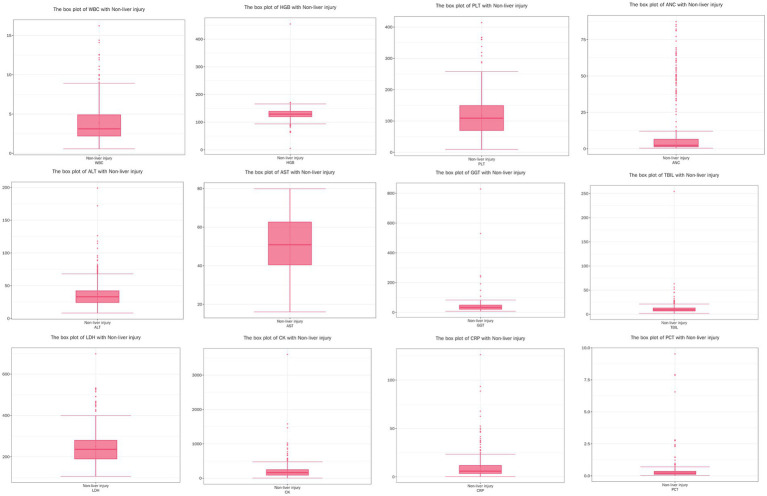 Figure 1
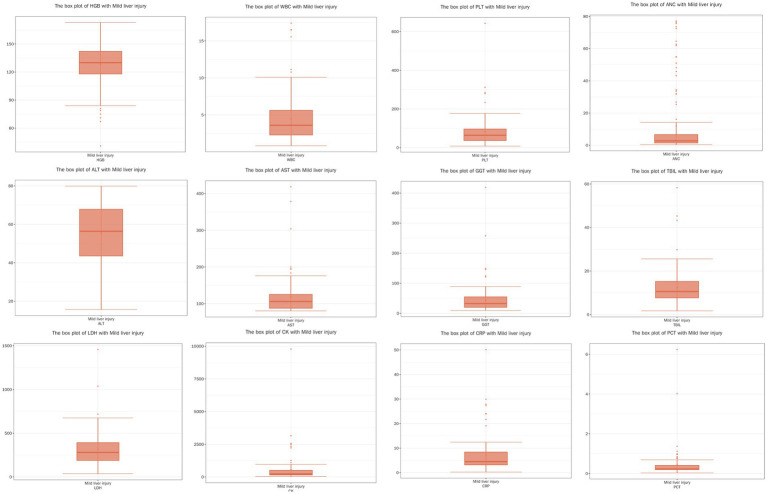 Figure 2
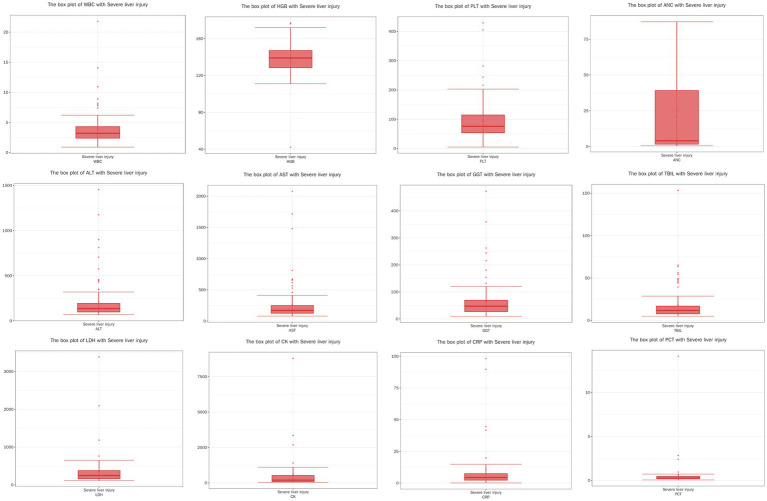 Figure 3
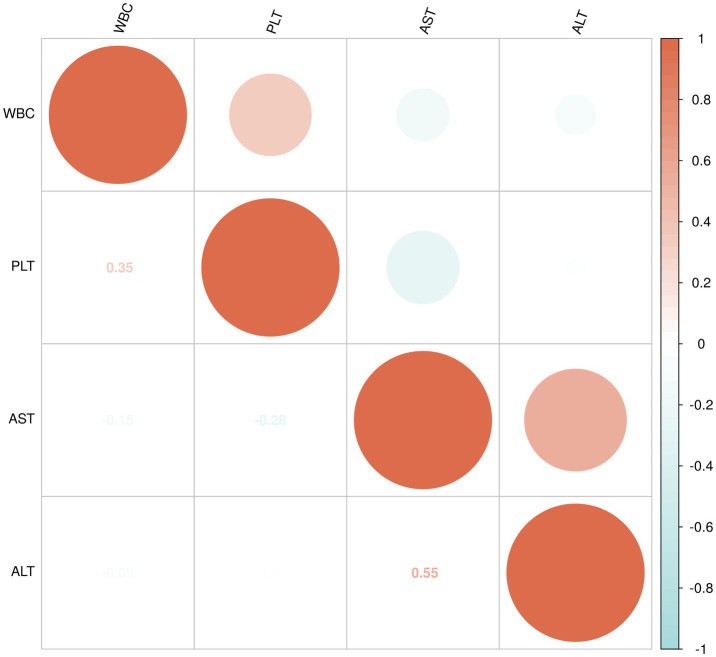 Figure 4
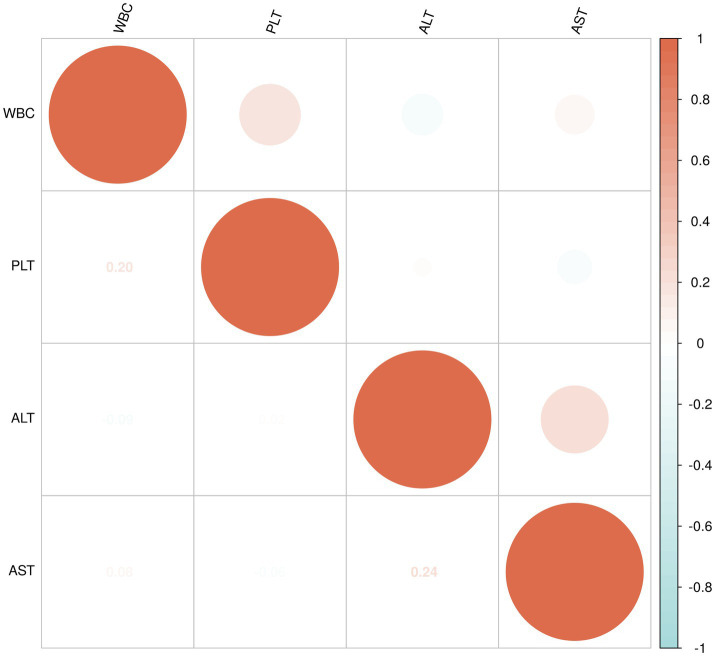 Figure 5
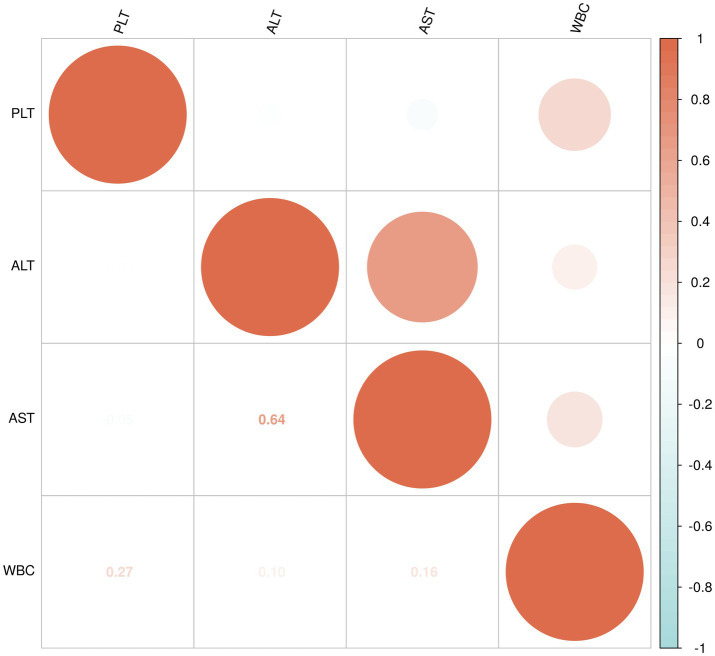 Figure 6
Peer Reviews
No public reviews on file for this paper yet. If you reviewed it on a platform where reviews are public (OpenReview, ICLR, NeurIPS, ICML), you can paste yours below so the community can read it here.
Videos
No videos yet. Explain this paper in a talk, walkthrough, or lecture? Add one.
Taxonomy
TopicsMosquito-borne diseases and control · Viral Infections and Vectors · Vector-borne infectious diseases