Genomic characterization of Vibrio cholerae isolated from clinical and environmental sources during the 2022–2023 cholera outbreak in Kenya
Lydia M. Mageto, Gabriel Oluga Aboge, Zelalem H. Mekuria, Peter Gathura, John Juma, Michael Mugo, Collins Kipkorir Kebenei, Diana Imoli, Beatrice Atieno Ongadi, Kelvin Kering, Cecilia Kathure Mbae, Samuel Kariuki

TL;DR
Researchers studied Vibrio cholerae from clinical and environmental sources in Kenya's 2022–2023 cholera outbreak to understand its genetic makeup and antibiotic resistance.
Contribution
The study provides genomic insights into the 2022–2023 cholera outbreak in Kenya, revealing clonality of clinical isolates and potential spread of resistance genes.
Findings
Clinical isolates showed high resistance to multiple antibiotics but remained susceptible to gentamicin and chloramphenicol.
Environmental isolates displayed variable resistance and lacked the ctxB virulence gene but carried other virulence and resistance factors.
Genomic analysis suggests the outbreak was due to re-emergence of prior strains, not a new introduction.
Abstract
Cholera remains a public health challenge in Kenya. To better understand its dynamics, we analyzed Vibrio cholerae genomes from clinical and environmental samples collected during the 2022–2023 outbreak. These strains were compared with historical genomes from Kenya, Uganda, Tanzania, and Haiti to inform strategies for cholera prevention, control, and elimination in Kenya. Clinical (stool) and environmental (wastewater, drinking water, and household effluent) samples were collected from Nairobi county. Samples were analyzed for V. cholerae using culture and real time PCR. The environmental (n = 17) and clinical (n = 70) isolates were then subjected to phenotypic antimicrobial susceptibility testing using the Kirby-Bauer disk diffusion method. Whole genome sequencing was employed to characterize the genome, detect antimicrobial resistance genes, virulence factors, and mobile genetic…
Genes, proteins, chemicals, diseases, species, mutations and cell lines named across the full text — each resolved to its canonical identifier and authoritative record.
Click any figure to enlarge with its caption.
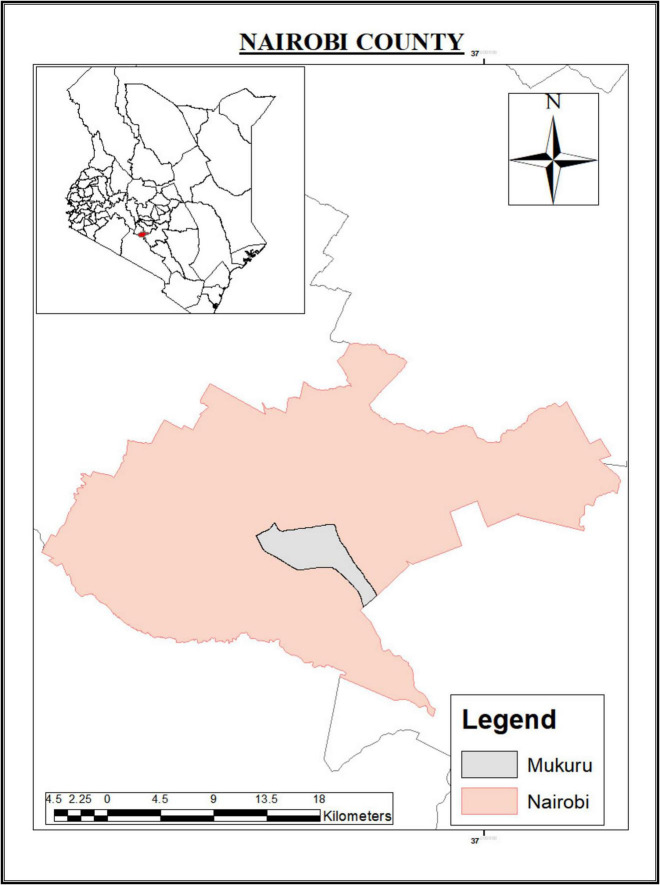 Figure 1
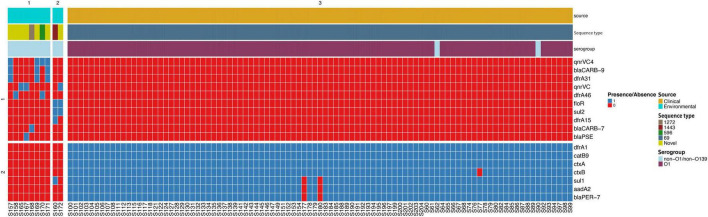 Figure 2
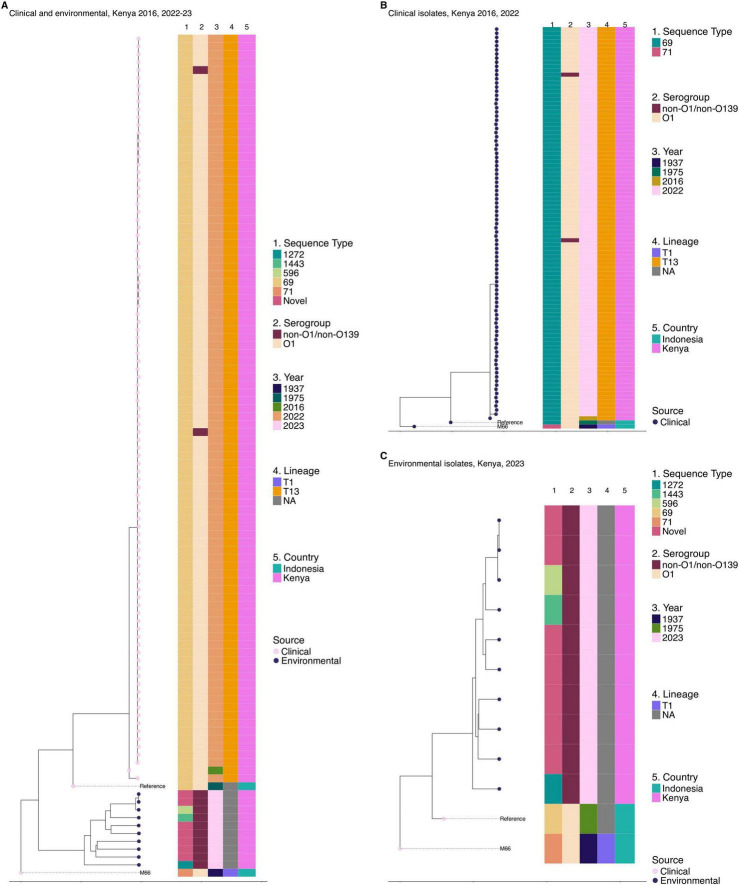 Figure 3
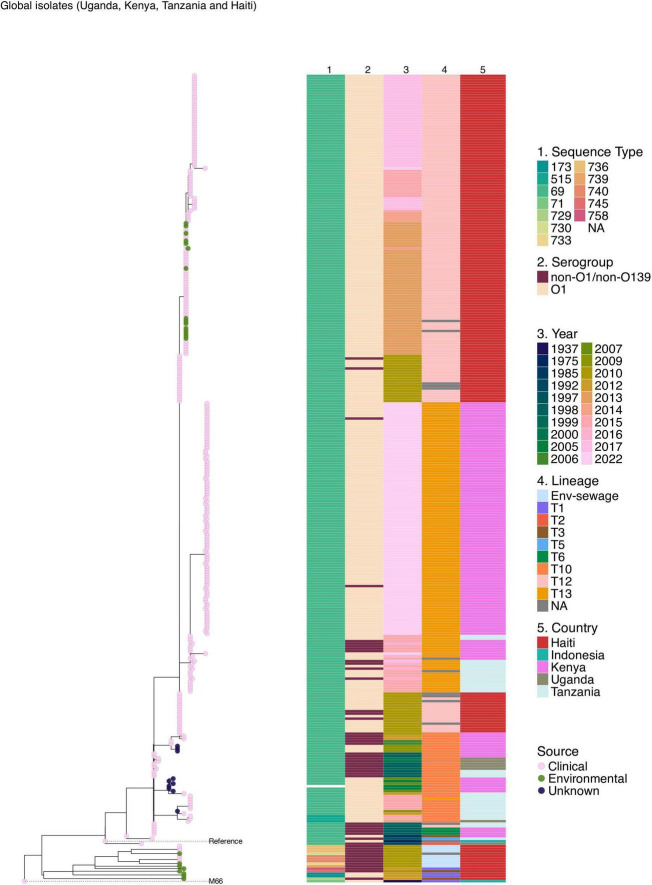 Figure 4
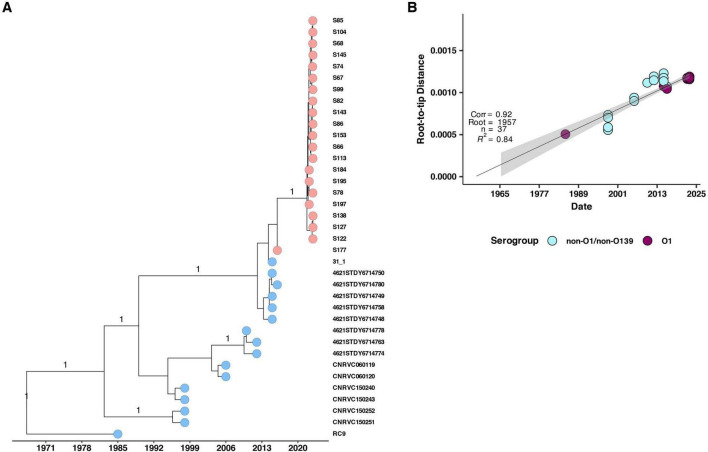 Figure 5
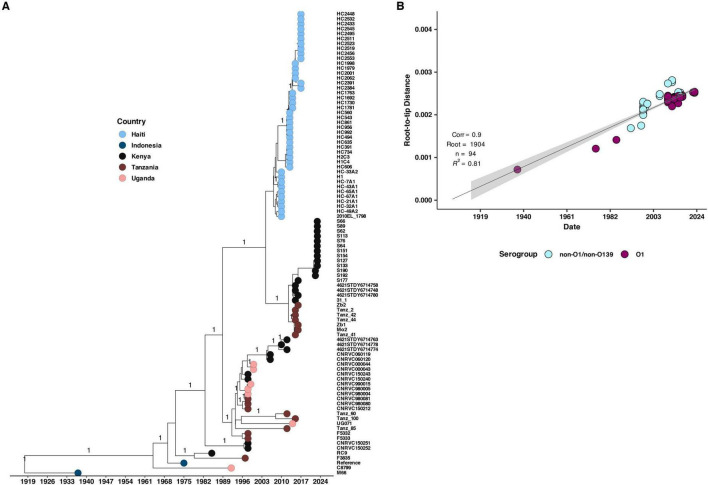 Figure 6
Peer Reviews
No public reviews on file for this paper yet. If you reviewed it on a platform where reviews are public (OpenReview, ICLR, NeurIPS, ICML), you can paste yours below so the community can read it here.
Videos
No videos yet. Explain this paper in a talk, walkthrough, or lecture? Add one.
Taxonomy
TopicsVibrio bacteria research studies · Salmonella and Campylobacter epidemiology