Identifying stationary microbial interaction networks based on irregularly spaced longitudinal 16S rRNA gene sequencing data
Jie Zhou, Jiang Gui, Weston D. Viles, Haobin Chen, Siting Li, Juliette C. Madan, Modupe O. Coker, Anne G. Hoen

TL;DR
This paper introduces a new method to identify microbial interaction networks using longitudinal 16S rRNA gene sequencing data, even when the data is irregularly spaced.
Contribution
The novel contribution is a stationary Gaussian graphical model (SGGM) that handles irregularly spaced longitudinal microbiome data efficiently.
Findings
The proposed algorithms outperform conventional methods when longitudinal data correlations are high.
The SGGM-based algorithms remain robust even with zero-inflated data or heterogeneous microbial communities.
The results show a strong association between microbial interaction networks and phylogenetic trees in cystic fibrosis patients.
Abstract
The microbial interactions within the human microbiome are complex, and few methods are available to identify these interactions within a longitudinal microbial abundance framework. Existing methods typically impose restrictive constraints, such as requiring long sequences and equal spacing, on the data format which in many cases are violated. To identify microbial interaction networks (MINs) with general longitudinal data settings, we propose a stationary Gaussian graphical model (SGGM) based on 16S rRNA gene sequencing data. In the SGGM, data can be arbitrarily spaced, and there are no restrictions on the length of data sequences from a single subject. Based on the SGGM, EM-type algorithms are devised to compute the L1-penalized maximum likelihood estimate of MINs. The algorithms employ the classical graphical LASSO algorithm as the building block and can be implemented efficiently.…
Genes, proteins, chemicals, diseases, species, mutations and cell lines named across the full text — each resolved to its canonical identifier and authoritative record.
Click any figure to enlarge with its caption.
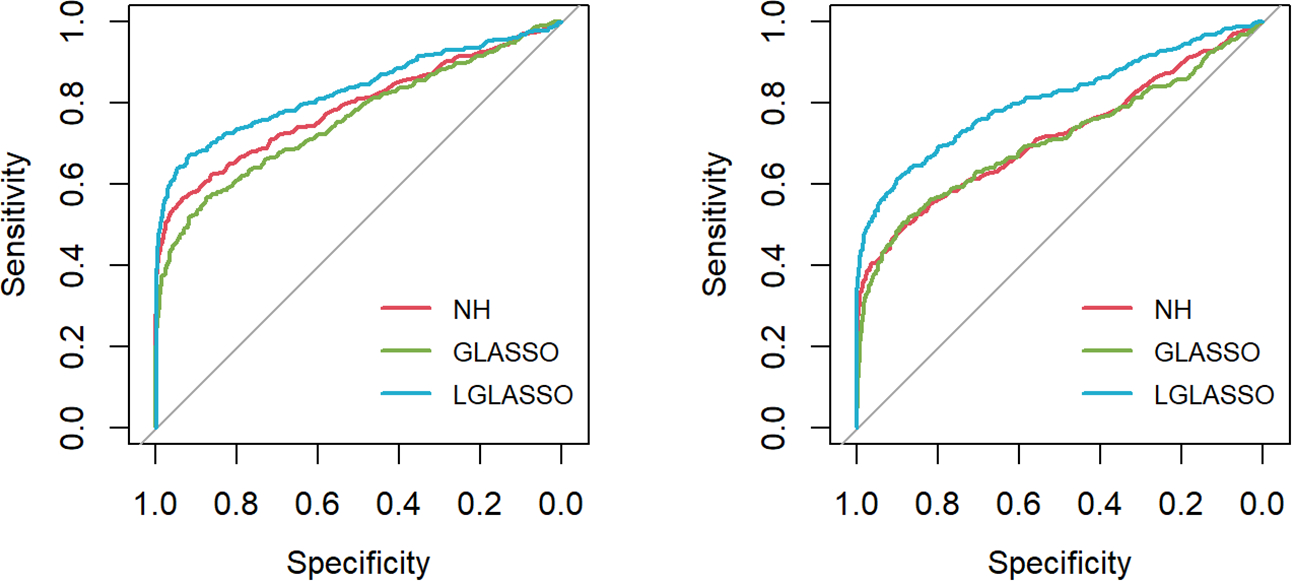 Figure 1
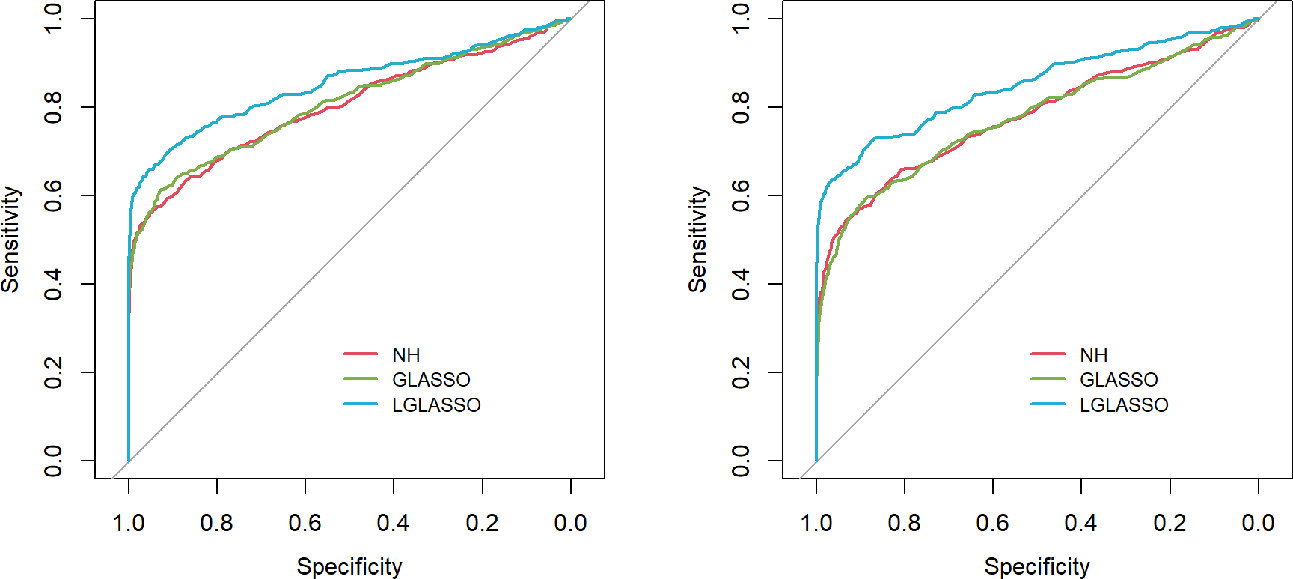 Figure 2
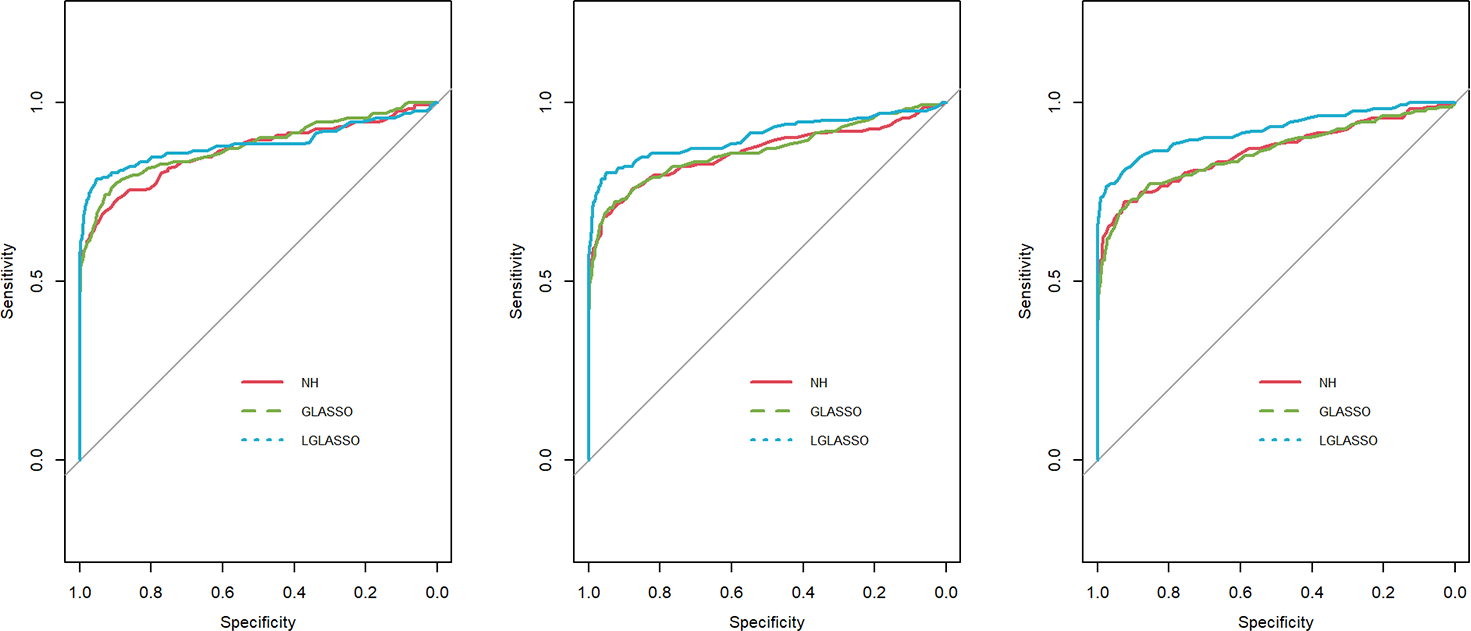 Figure 3
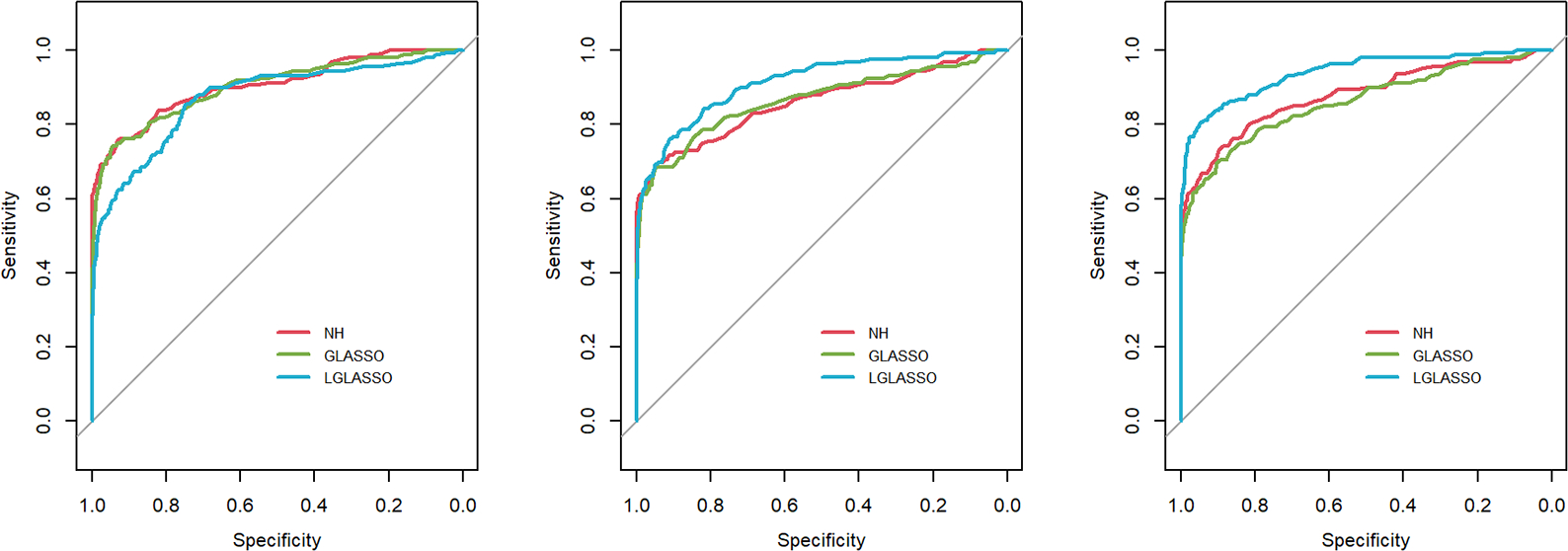 Figure 4
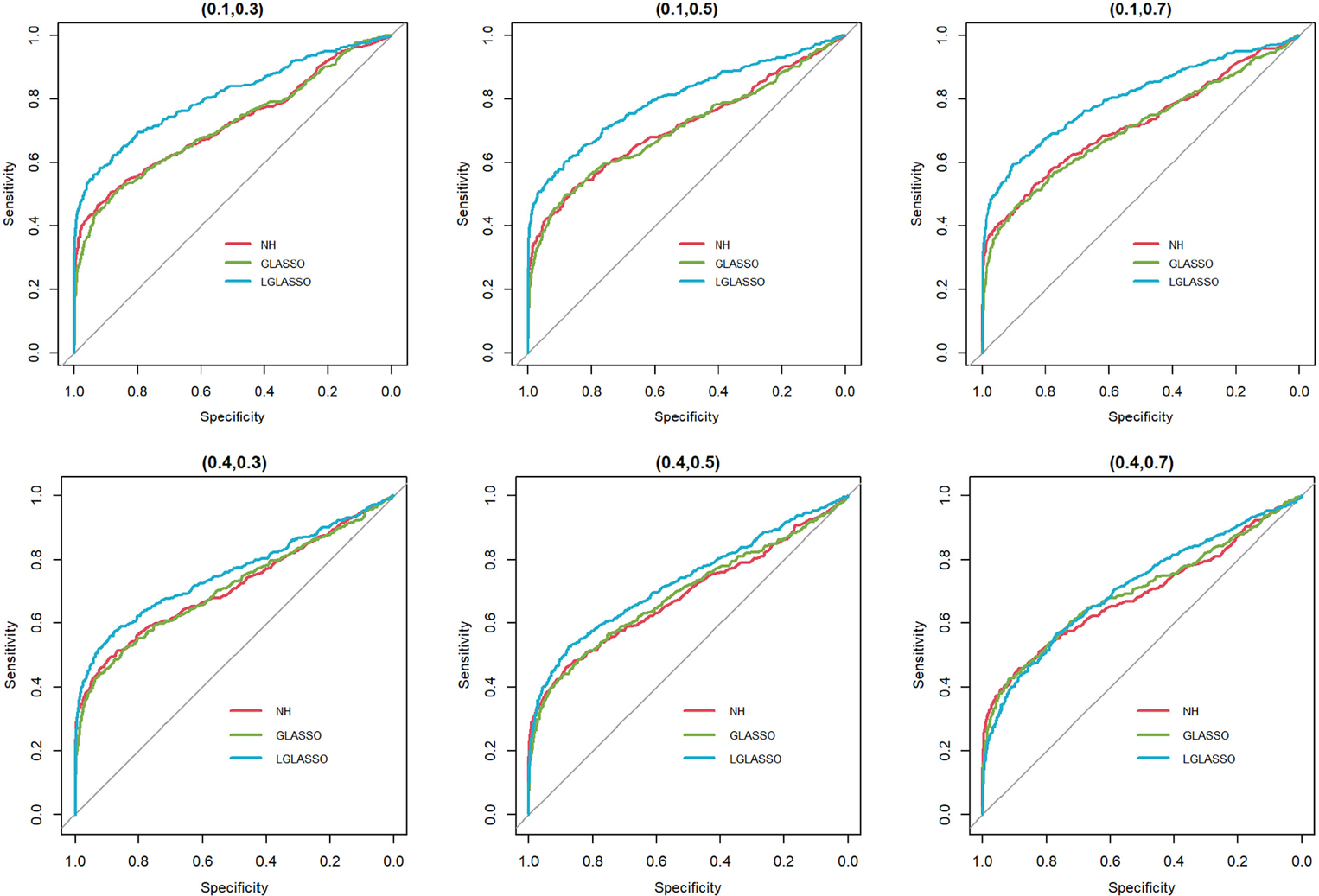 Figure 5
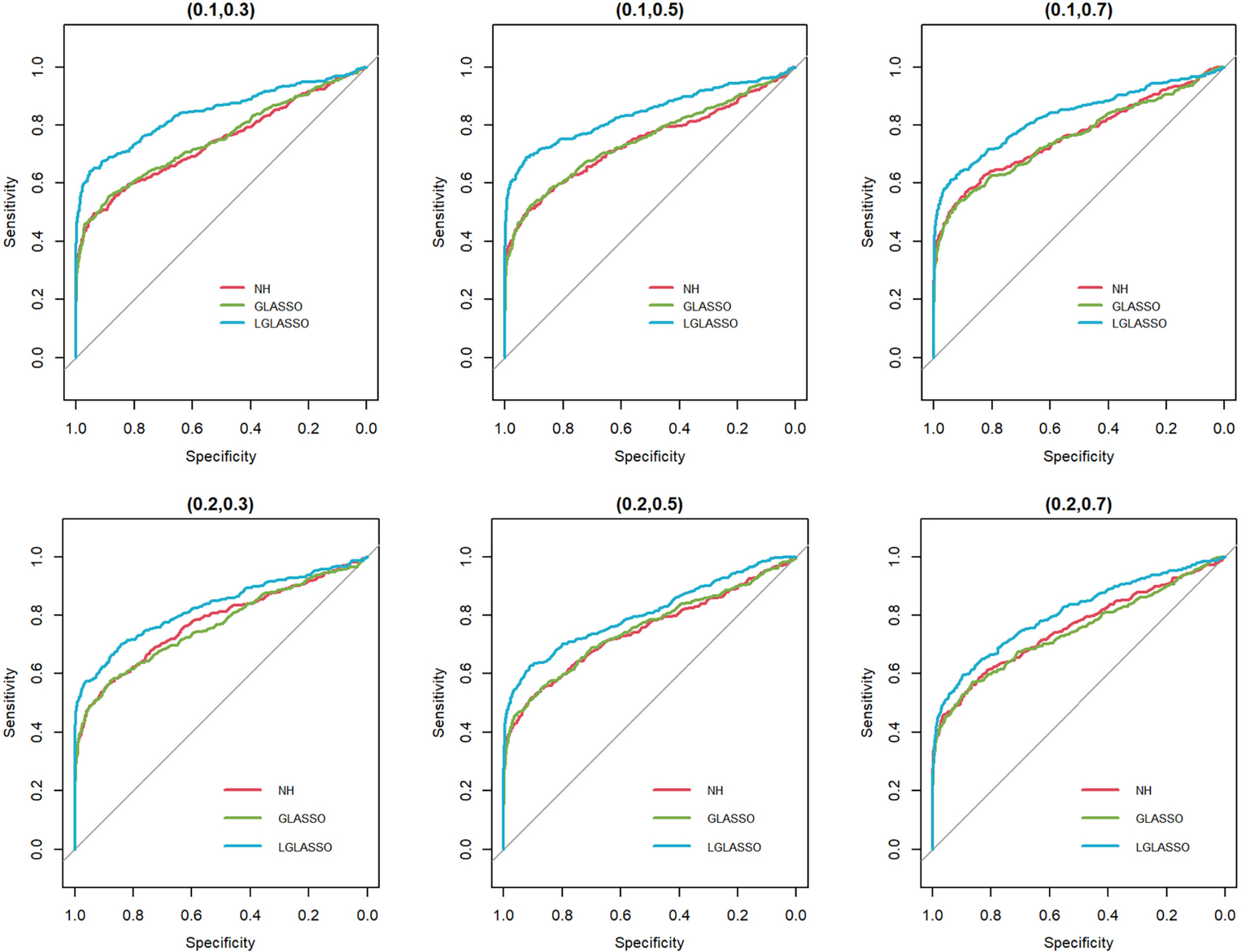 Figure 6
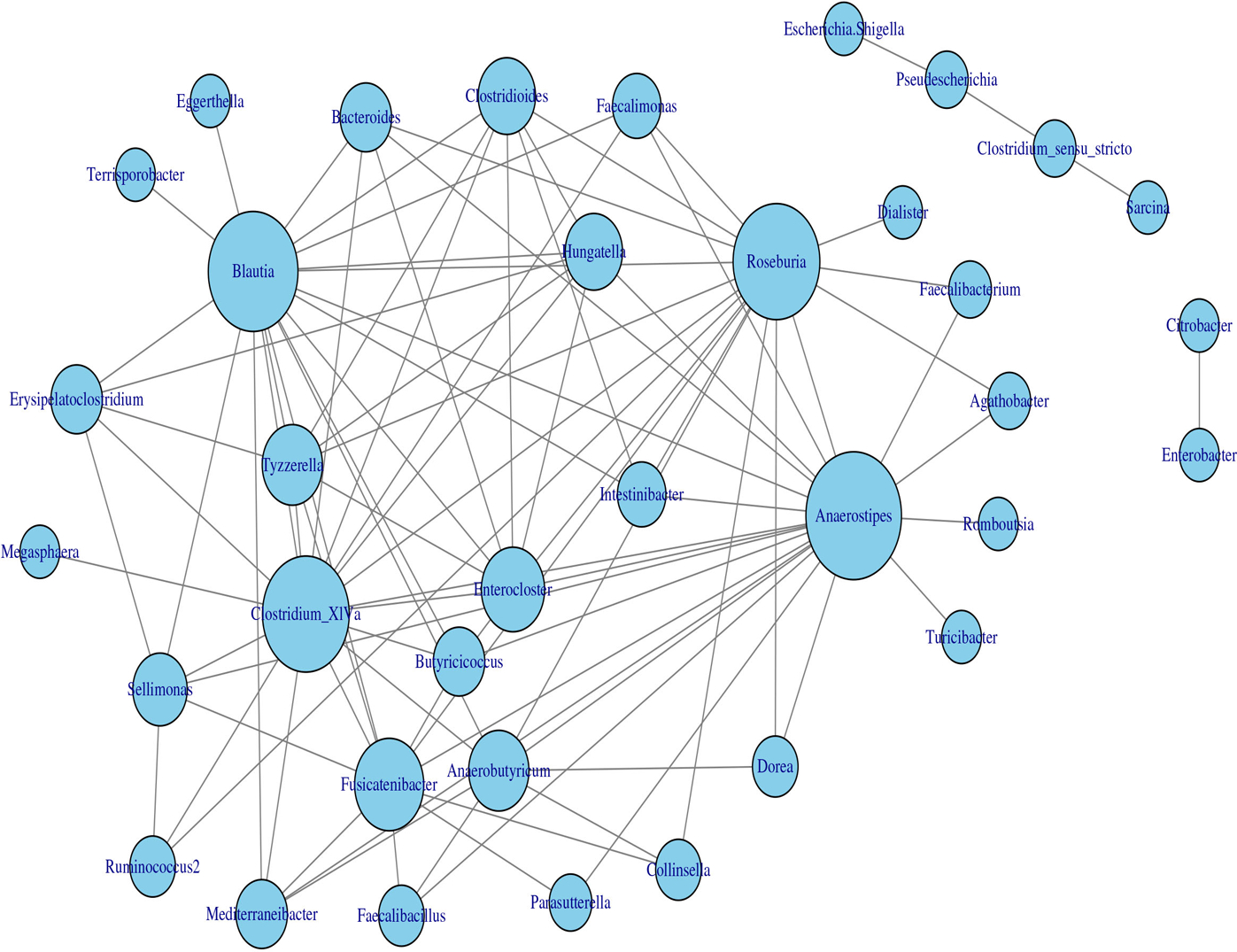 Figure 7
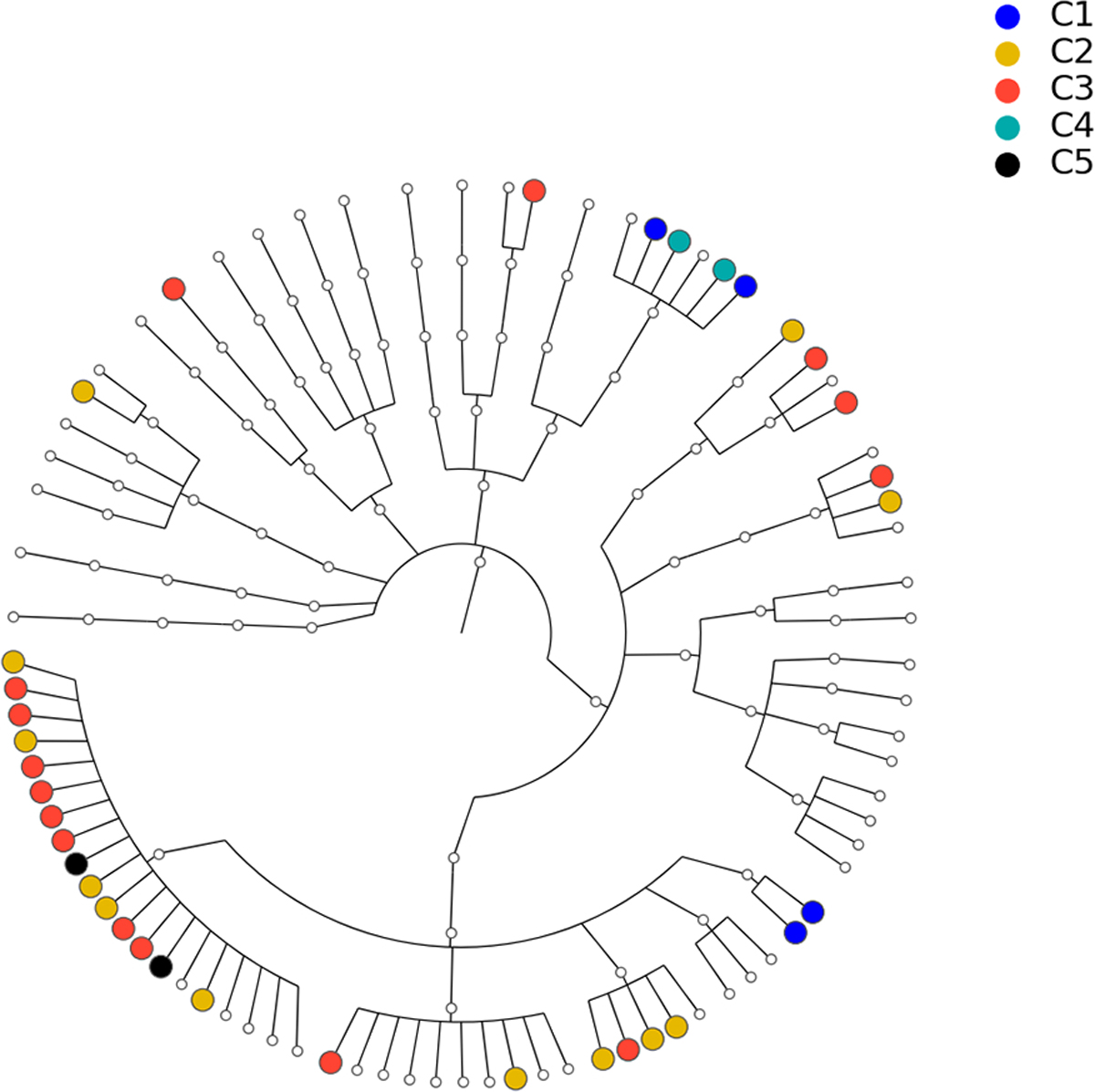 Figure 8
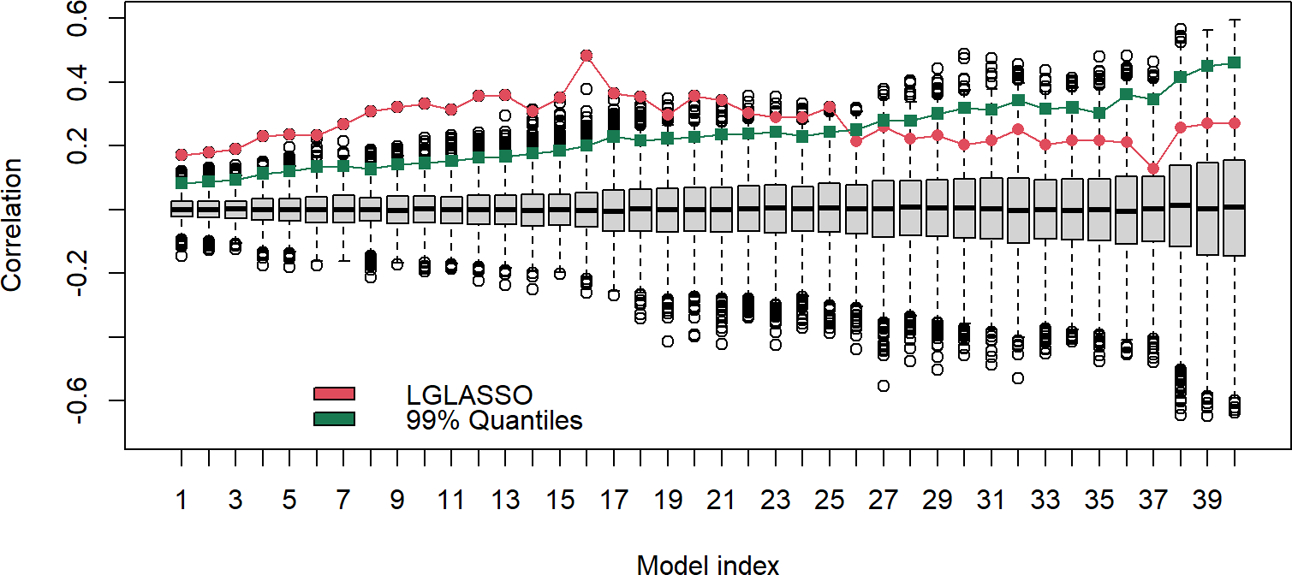 Figure 9
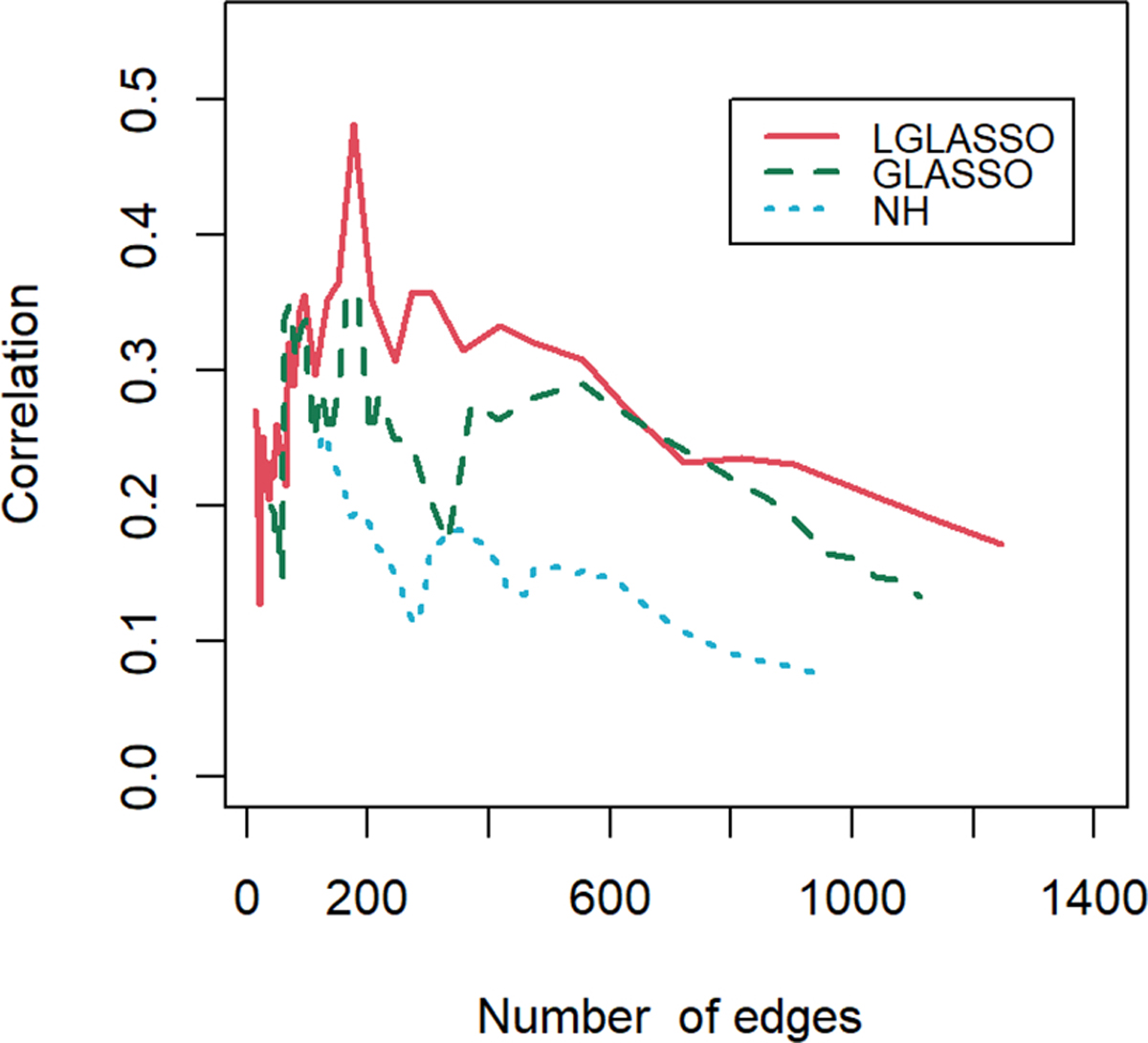 Figure 10
Peer Reviews
No public reviews on file for this paper yet. If you reviewed it on a platform where reviews are public (OpenReview, ICLR, NeurIPS, ICML), you can paste yours below so the community can read it here.
Videos
No videos yet. Explain this paper in a talk, walkthrough, or lecture? Add one.
Taxonomy
TopicsGut microbiota and health · Bioinformatics and Genomic Networks · Microbial Community Ecology and Physiology