Osmotic Demyelination Syndrome Following Rapid Correction of Hyponatremia in a Young Woman: A Case Report and Review of Literature
Aqsa Akram, Usman Shahbaz Muhammad, Abdulkadir M Ali, Farhan M Rizvi

TL;DR
A young woman developed a severe brain condition after her low sodium levels were corrected too quickly, highlighting the risks of rapid sodium correction.
Contribution
This case report emphasizes the dangers of exceeding recommended sodium correction rates and the lack of effective treatment for ODS.
Findings
Rapid correction of hyponatremia beyond 8-10 mmol/L in 24 hours led to osmotic demyelination syndrome.
Plasmapheresis failed to manage the condition, and the patient succumbed to complications.
Literature review confirms no definitive treatment for ODS, underscoring the need for cautious sodium correction.
Abstract
Osmotic demyelination syndrome (ODS) is a rare and devastating neurological condition linked with the rapid correction of serum hyponatremia. We present a case report of a young female patient who developed ODS following an aggressive correction of low serum sodium levels. ODS is characterized by demyelination in the central and extrapontine regions of the brain, resulting in disastrous outcomes. The pathophysiology involves disruption of the blood-brain barrier (BBB) due to a sudden rise in serum sodium, which leads to astrocyte dysfunction secondary to osmotic shift, leading to inflammation, brain edema, and finally demyelination. A rapid rise in the serum sodium levels can overwhelm the brain’s adaptive capacity, ultimately leading to ODS. Our case emphasizes the importance of careful sodium correction; in our patient, the serum sodium levels were raised precipitously, beyond the…
Genes, proteins, chemicals, diseases, species, mutations and cell lines named across the full text — each resolved to its canonical identifier and authoritative record.
Click any figure to enlarge with its caption.
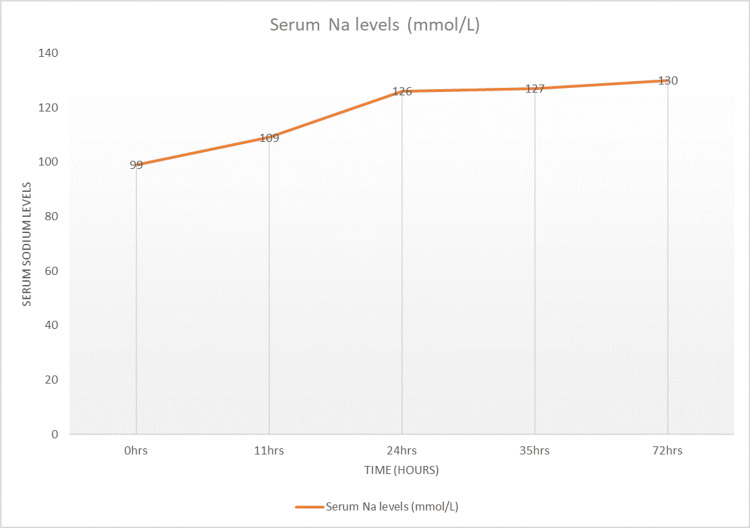 Figure 1
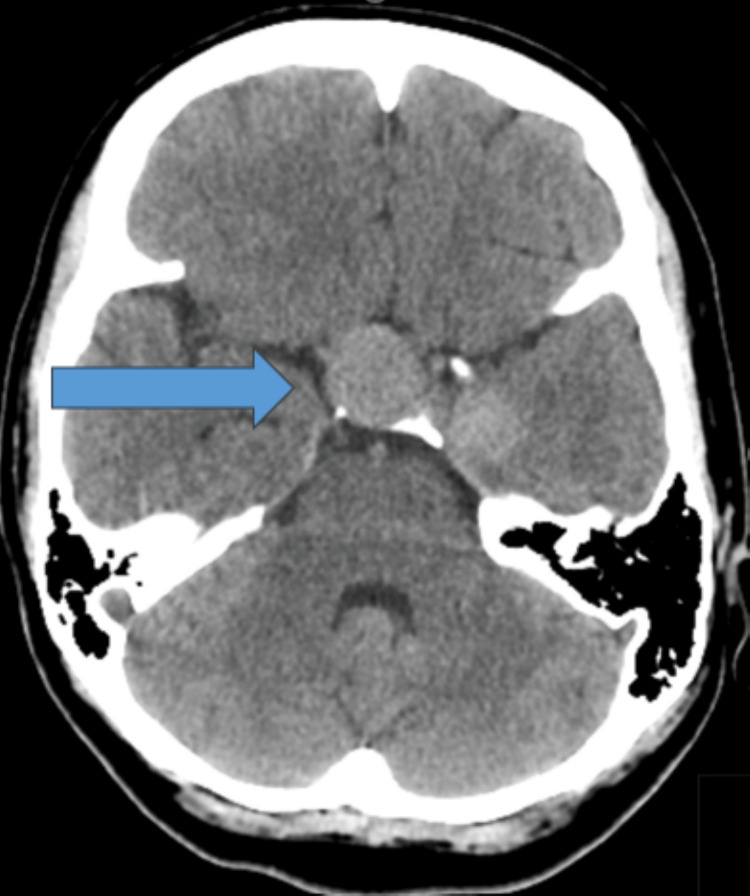 Figure 2
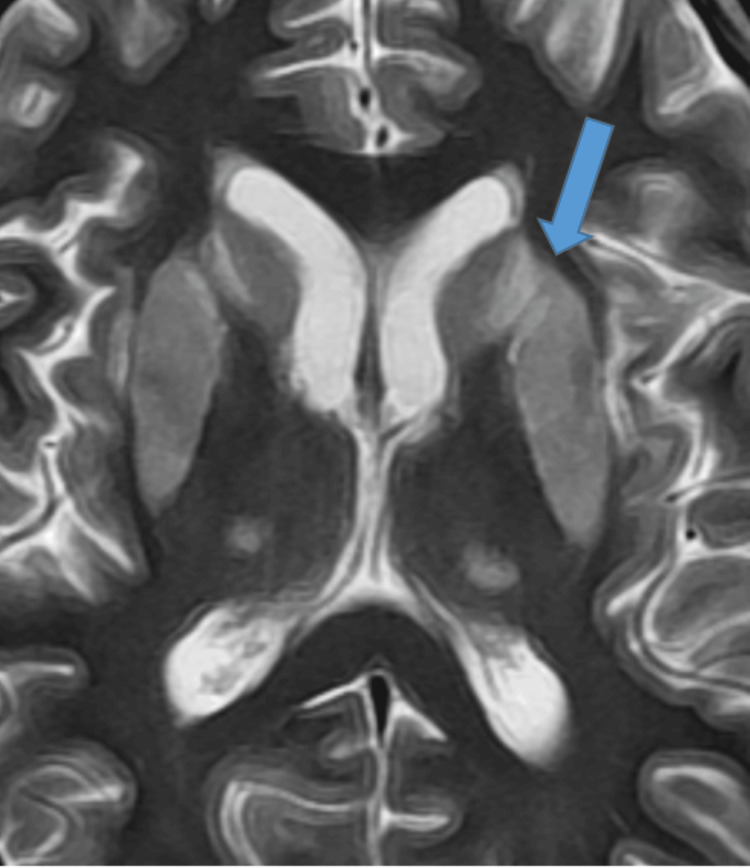 Figure 3
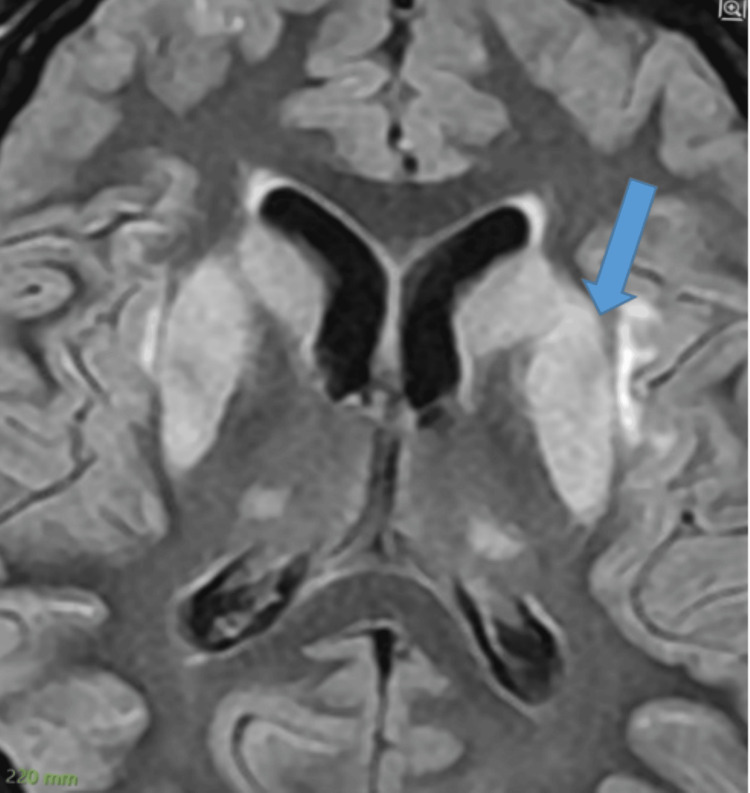 Figure 4
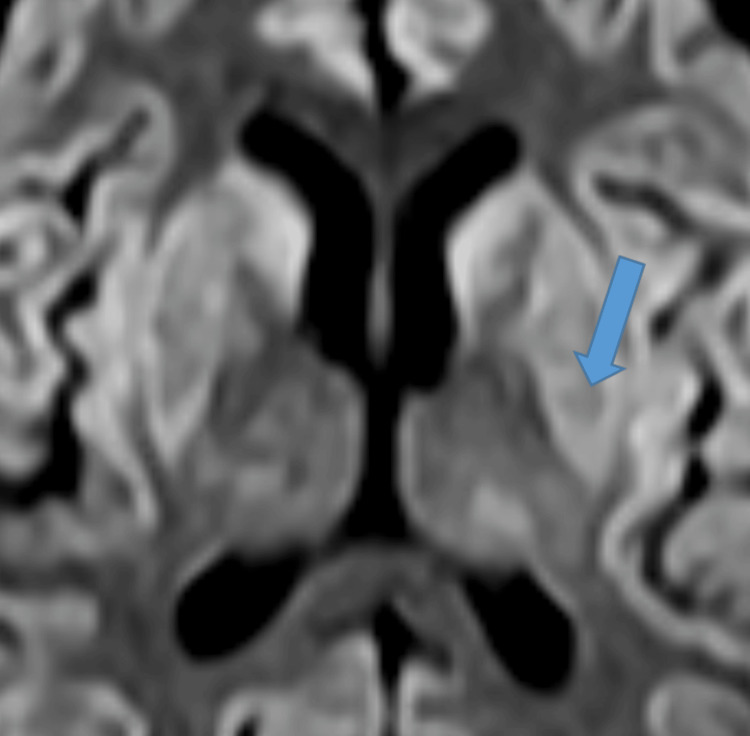 Figure 5
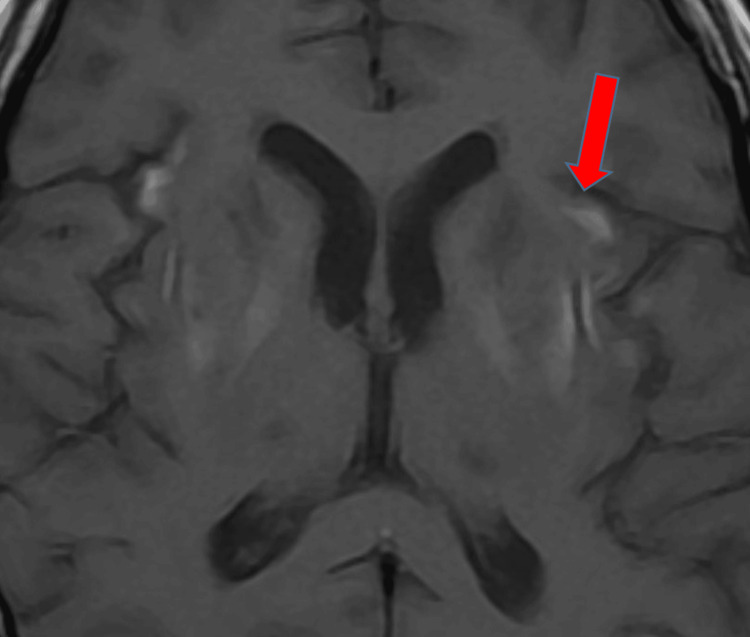 Figure 6
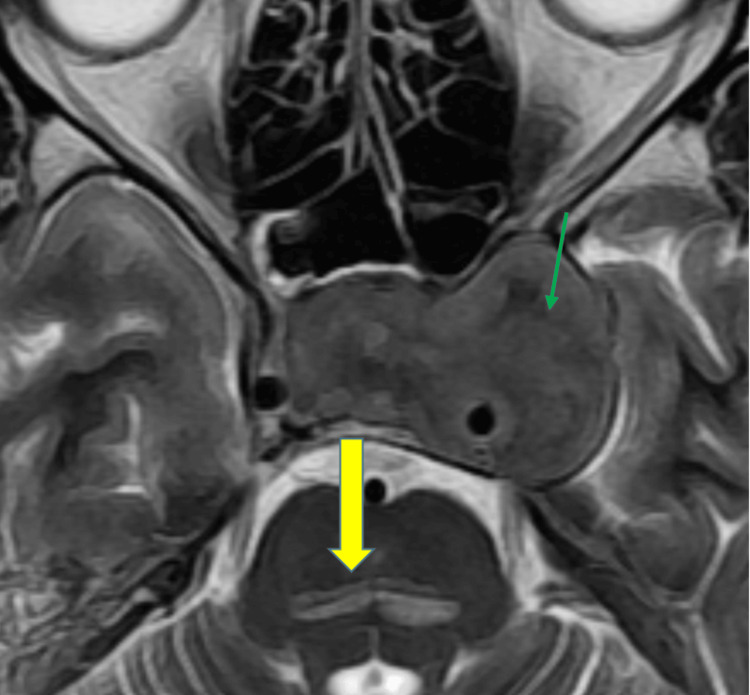 Figure 7
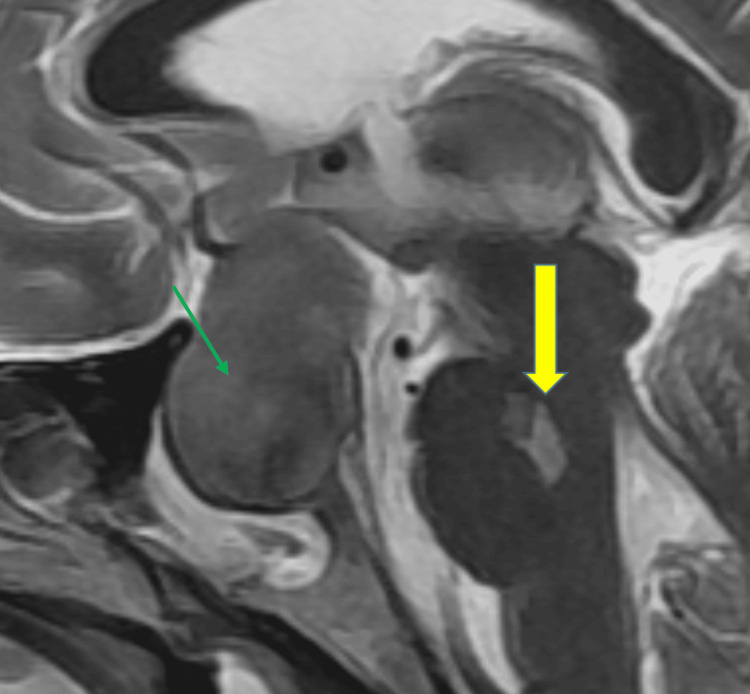 Figure 8
Peer Reviews
No public reviews on file for this paper yet. If you reviewed it on a platform where reviews are public (OpenReview, ICLR, NeurIPS, ICML), you can paste yours below so the community can read it here.
Videos
No videos yet. Explain this paper in a talk, walkthrough, or lecture? Add one.
Taxonomy
TopicsElectrolyte and hormonal disorders · Biomedical and Chemical Research · Adrenal Hormones and Disorders