Elevation of NTN4 Expression and Its Possible Regulation by Tumor Necrosis Factor-Alpha (TNF-α) in a Rat Model of Rotator Cuff Tear
Kosuke Inoue, Kentaro Uchida, Ryo Tazawa, Mitsuyoshi Matsumoto, Tomonori Kenmoku, Yui Uekusa, Masashi Takaso

TL;DR
This study finds that NTN4, a protein linked to inflammation and tissue breakdown, is elevated in rat models of rotator cuff tears and may be regulated by TNF-α, offering a new target for improving tendon healing.
Contribution
The study identifies NTN4 as a novel TNF-α-dependent mediator of extracellular matrix degradation in tendon healing.
Findings
Ntn4 gene expression significantly increases from day 14 post-injury and remains elevated.
TNF-α induces Ntn4 expression in a dose-dependent manner in cultured tenocytes.
Exogenous NTN4 increases MMP-3 expression, linking it to matrix degradation.
Abstract
Introduction: Rotator cuff tears are a major cause of shoulder dysfunction and pain, particularly in older adults, with re-tear rates remaining high despite surgical advances. Persistent inflammation and dysregulated extracellular matrix (ECM) remodeling contribute to impaired healing. Tumor necrosis factor-α (TNF-α) is known to drive tendon inflammation, but the downstream mediators linking TNF-α signaling to matrix degradation remain incompletely understood. Netrin-4 (NTN4), a laminin-related protein, has been implicated in inflammatory and ECM-modulating processes. We hypothesized that NTN4 is upregulated following tendon tear in a TNF-α-dependent manner and contributes to sustained ECM degradation. Methods: A rat infraspinatus and supraspinatus full-thickness tendon tear model was established, and tendon tissues were harvested at 0 (intact), 7, 14, 28, and 56 days post-injury (n =…
Genes, proteins, chemicals, diseases, species, mutations and cell lines named across the full text — each resolved to its canonical identifier and authoritative record.
Click any figure to enlarge with its caption.
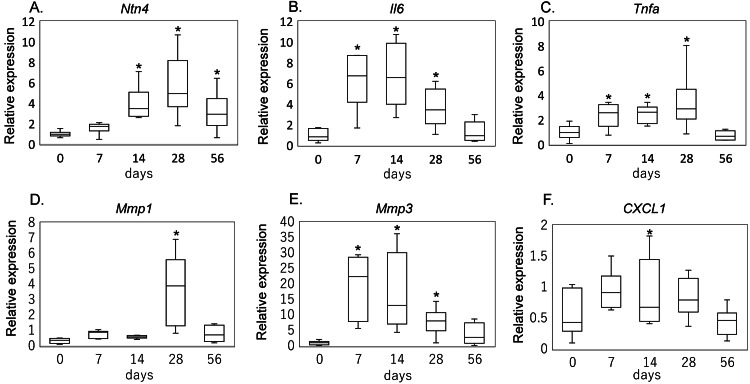 Figure 1
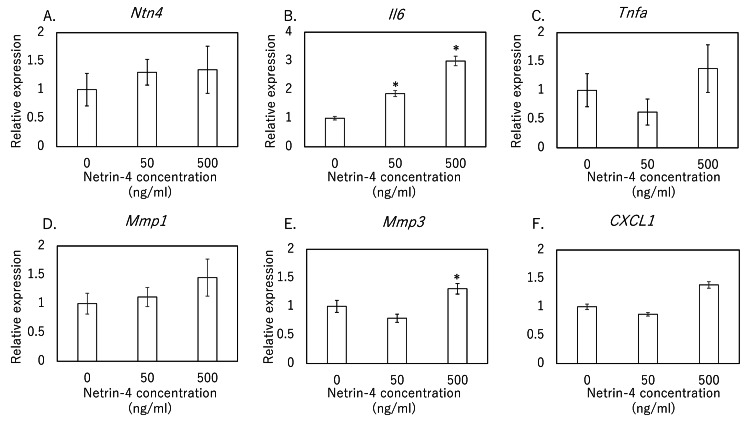 Figure 2
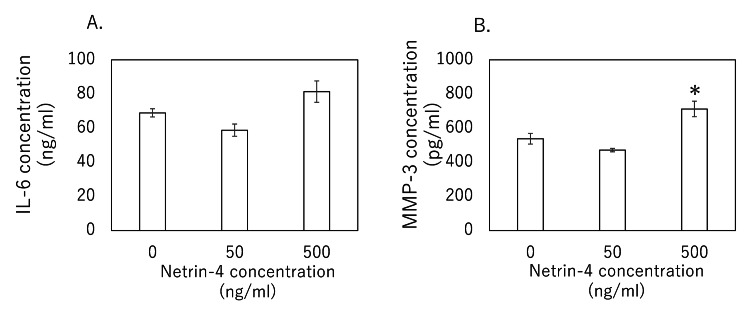 Figure 3
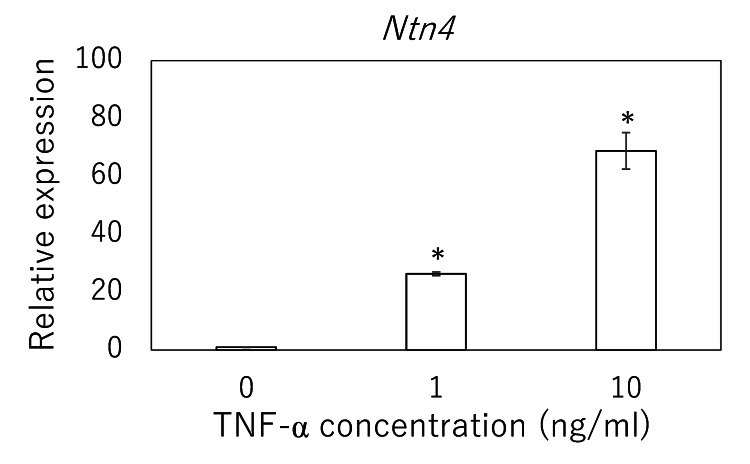 Figure 4
Peer Reviews
No public reviews on file for this paper yet. If you reviewed it on a platform where reviews are public (OpenReview, ICLR, NeurIPS, ICML), you can paste yours below so the community can read it here.
Videos
No videos yet. Explain this paper in a talk, walkthrough, or lecture? Add one.
Taxonomy
TopicsShoulder Injury and Treatment · Shoulder and Clavicle Injuries · Nerve Injury and Rehabilitation