Immunoglobulin A-Dominant Post-Infectious Glomerulonephritis Mimicking Henoch-Schönlein Purpura Nephritis in a Patient With Methicillin-Sensitive Staphylococcus aureus Bacteremia
Victoria D Delk, Vishwajeeth Pasham, Kathleen McKinnon, Pranav Shah

TL;DR
A patient with a staph infection and kidney damage was initially thought to have HSPN, but biopsy results showed IgA-PIGN, which has different treatment implications.
Contribution
Highlights the diagnostic challenge and clinical distinction between IgA-PIGN and HSPN in the context of staphylococcal infection.
Findings
IgA-PIGN was diagnosed via kidney biopsy, showing features distinct from HSPN.
Steroid treatment was discontinued as IgA-PIGN may worsen with immunosuppression.
The patient's renal function improved but was complicated by multi-organism bacteremia and duodenal perforation.
Abstract
Staphylococcal infections remain a prominent cause of hospital- and community-acquired infections in the United States. Glomerulonephritis with predominant Immunoglobulin A (IgA) deposition following staphylococcal infection has been described as IgA-dominant postinfectious glomerulonephritis (IgA-PIGN). This clinical entity can mimic Henoch-Schönlein purpura nephritis (HSPN) given that it may also be preceded by staphylococcal infection, have similar kidney biopsy findings, and present with similar signs and symptoms. Our patient presented with a palpable purpuric rash and acute kidney injury following methicillin-sensitive Staphylococcus aureus (MSSA) bacteremia treated with intravenous cefazolin. A skin biopsy revealed leukocytoclastic vasculitis and vascular IgA deposition. Urinalysis showed active urinary sediment with hematuria and proteinuria. These findings were concerning for…
Genes, proteins, chemicals, diseases, species, mutations and cell lines named across the full text — each resolved to its canonical identifier and authoritative record.
Click any figure to enlarge with its caption.
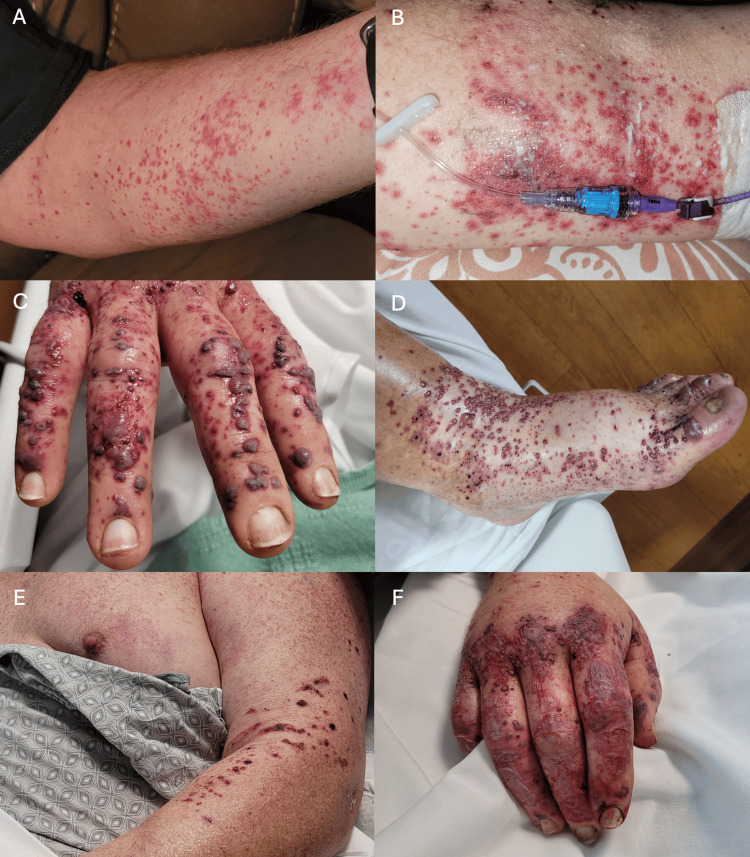 Figure 1
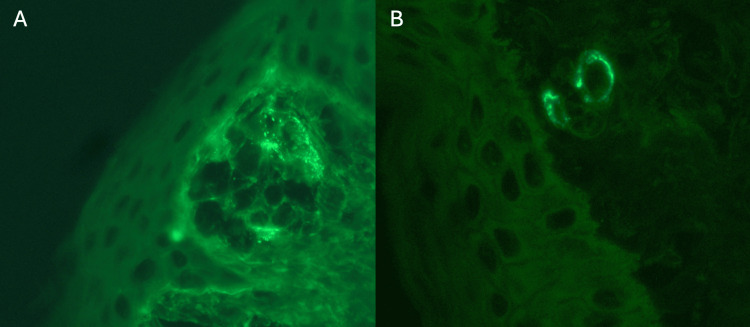 Figure 2
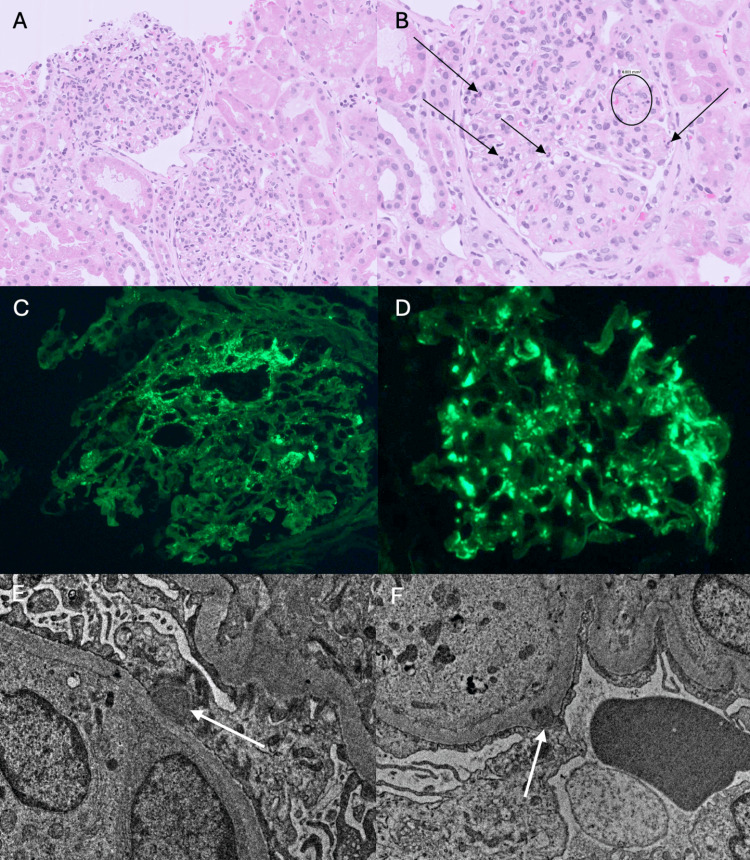 Figure 3
Peer Reviews
No public reviews on file for this paper yet. If you reviewed it on a platform where reviews are public (OpenReview, ICLR, NeurIPS, ICML), you can paste yours below so the community can read it here.
Videos
No videos yet. Explain this paper in a talk, walkthrough, or lecture? Add one.
Taxonomy
TopicsVasculitis and related conditions · Renal Diseases and Glomerulopathies · Immunodeficiency and Autoimmune Disorders