Successful Asymmetric Nasal High-Flow Therapy in CO₂ Narcosis Triggered by Pneumonia in an Elderly Patient: A Case Report
Keita Takahashi, Shigeto Ishikawa, Akari Kusaka, Hiroyuki Takeuchi, Tomohiko Akahoshi

TL;DR
A 96-year-old man with CO₂ narcosis due to pneumonia was successfully treated with non-invasive asymmetric nasal high-flow therapy, avoiding intubation.
Contribution
This is the first reported case of asymmetric nasal high-flow therapy successfully treating CO₂ narcosis in an elderly patient with pneumonia.
Findings
Asymmetric NHF therapy improved respiratory acidosis and restored consciousness within 40 minutes.
Asymmetric NHF is a viable non-invasive alternative to NIV for CO₂ narcosis in elderly patients with sputum and impaired consciousness.
The patient's treatment preferences were considered after regaining consciousness, supporting personalized care.
Abstract
The number of elderly people transported to the emergency department with respiratory failure is increasing. Some do not wish to receive invasive interventions, but when patients are unconscious, determining their treatment preferences can be challenging. Asymmetric nasal high-flow (NHF) therapy is a non-invasive respiratory support method that has shown effectiveness in type II respiratory failure, although there are no prior reports on its use for carbon dioxide (CO₂) narcosis. We report a case in which asymmetric NHF therapy was effective for CO₂ narcosis triggered by pneumonia in an elderly patient. A 96-year-old man with impaired consciousness was brought to the emergency department. Arterial blood gas analysis revealed respiratory acidosis, and imaging confirmed the presence of pneumonia and CO₂ narcosis secondary to pneumonia. Given the patient's advanced age, the goal was to…
Genes, proteins, chemicals, diseases, species, mutations and cell lines named across the full text — each resolved to its canonical identifier and authoritative record.
Click any figure to enlarge with its caption.
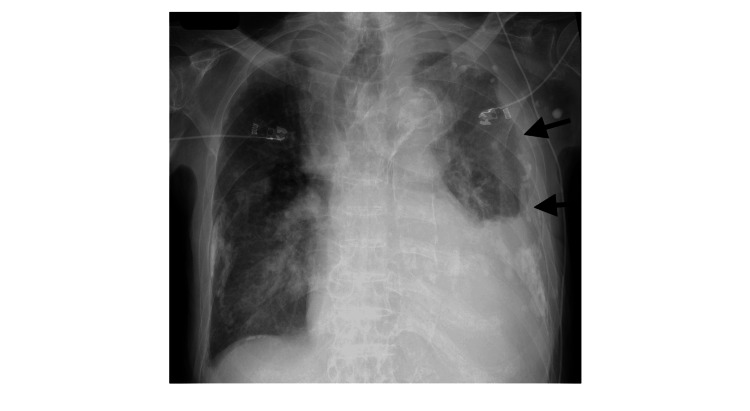 Figure 1
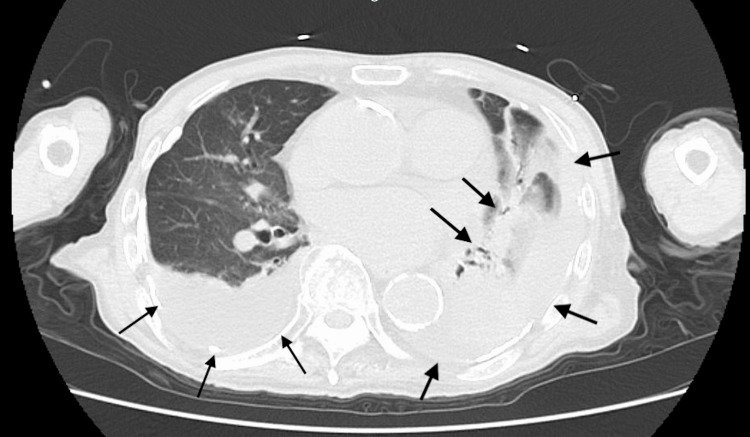 Figure 2
Peer Reviews
No public reviews on file for this paper yet. If you reviewed it on a platform where reviews are public (OpenReview, ICLR, NeurIPS, ICML), you can paste yours below so the community can read it here.
Videos
No videos yet. Explain this paper in a talk, walkthrough, or lecture? Add one.
Taxonomy
TopicsRespiratory Support and Mechanisms · Cardiovascular and Diving-Related Complications · Interstitial Lung Diseases and Idiopathic Pulmonary Fibrosis