Biphasic behavior of T cell subsets reflects failure of early anti-myeloma response and leads to progressive T cell dysfunction
Suchita Suryakant Jadhav, Vipin Sharma, Aharon Lion, Lasser-Katz Efrat, Iftach Shaked, Galia Luboshits, Michael A. Firer

TL;DR
A new mouse model reveals how T cell dysfunction progresses during multiple myeloma development, offering insights into early disease mechanisms and treatment testing.
Contribution
The study introduces a novel mouse model that captures the biphasic immune response and progressive T cell dysfunction in multiple myeloma.
Findings
The model shows biphasic behavior of T regulatory cells, Th17 cells, CD8+ T cells, and NK cells during myeloma progression.
Early anti-myeloma immune responses fail, leading to immunosuppression and CD8+ T cell exhaustion.
The model reflects human MM serological features and can be used to test new therapies.
Abstract
Multiple Myeloma (MM) progresses over 2-3 decades through two pre-malignant stages (MGUS and SMM), culminating in clinically active disease. Given the limitations in acquiring sequential bone marrow (BM) samples from patients over this time frame, the mechanisms that compromise immunosurveillance and promote the development of MM remain Balb/c mice inoculated with MOPC315.BM myeloma cells were followed over the next 220 days. Blood and bone marrow samples were collected on days 80, 150, and 220 post cell inoculation. Blood samples were used to monitor levels of paraprotein and whole blood cell counts. BM aspirates were used for deep immune profiling by flow cytometry and for T cell function assays. Blood analyses validated that the model reflects serological features of human MM. Analysis of BM samples revealed a biphasic behavior of T regulatory cells, Th17 cells, CD8+ cytotoxic T…
Genes, proteins, chemicals, diseases, species, mutations and cell lines named across the full text — each resolved to its canonical identifier and authoritative record.
Click any figure to enlarge with its caption.
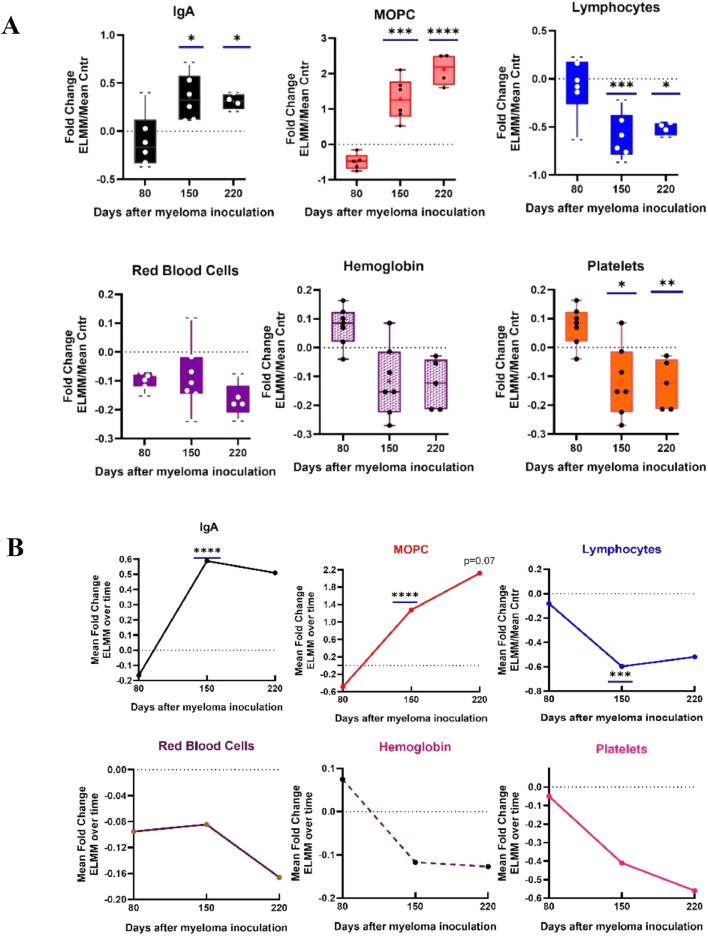 Figure 1
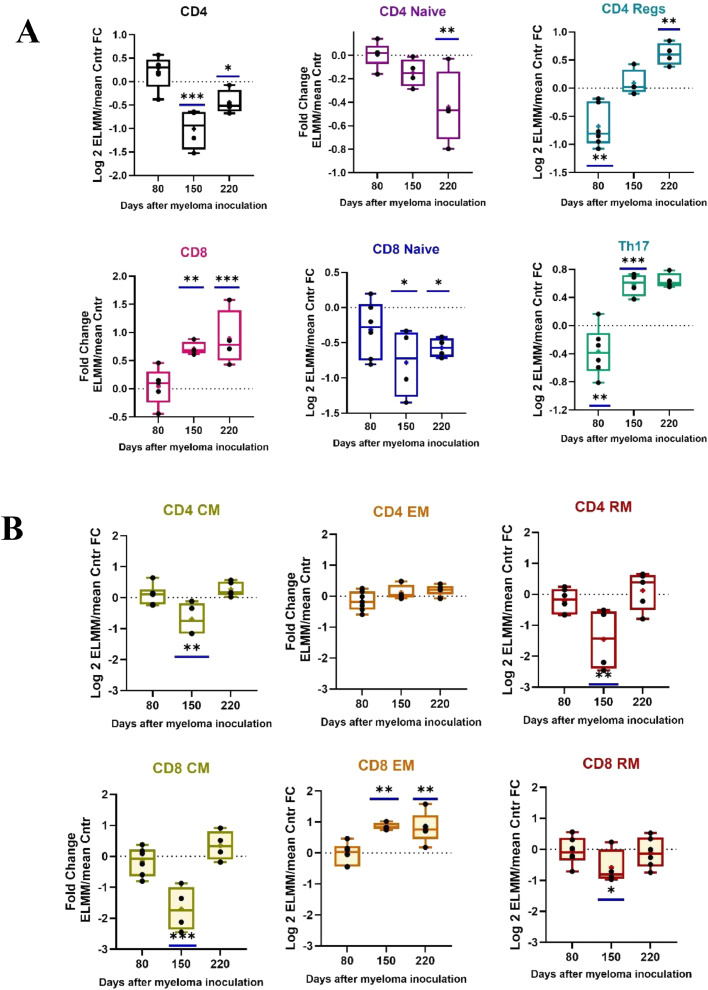 Figure 2
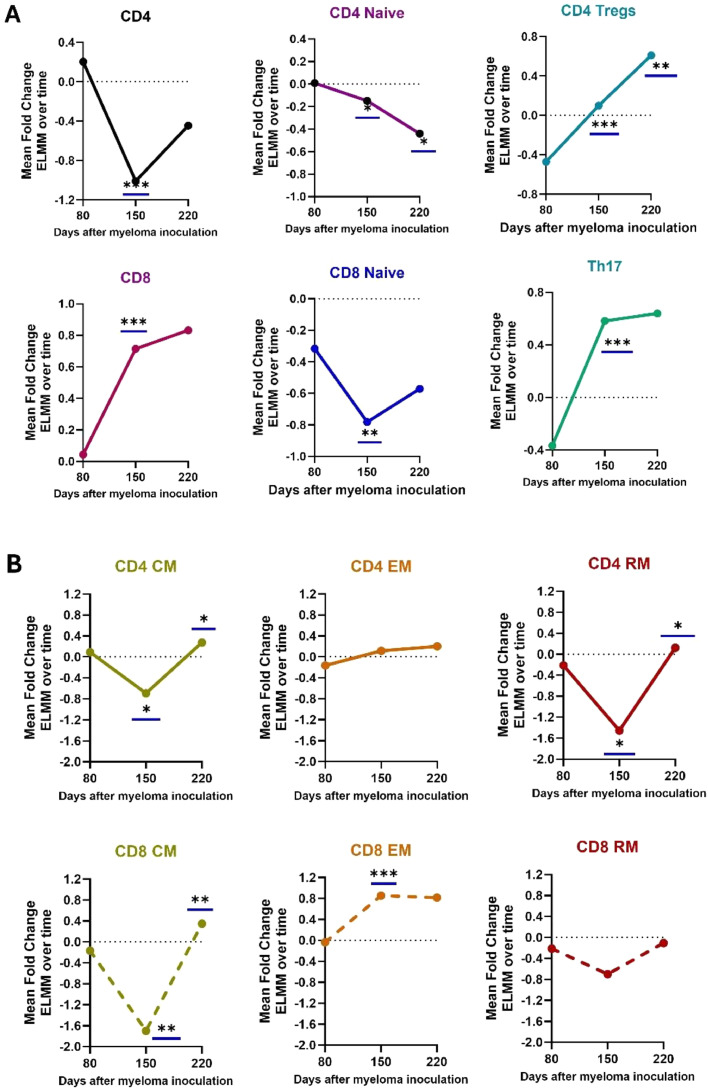 Figure 3
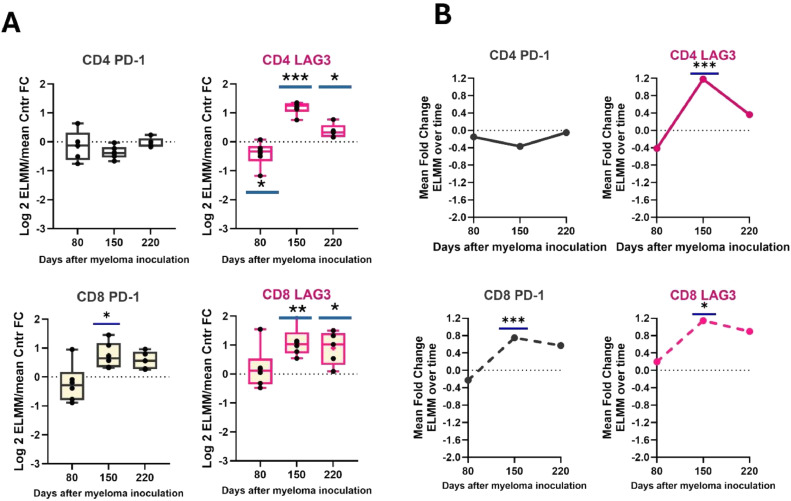 Figure 4
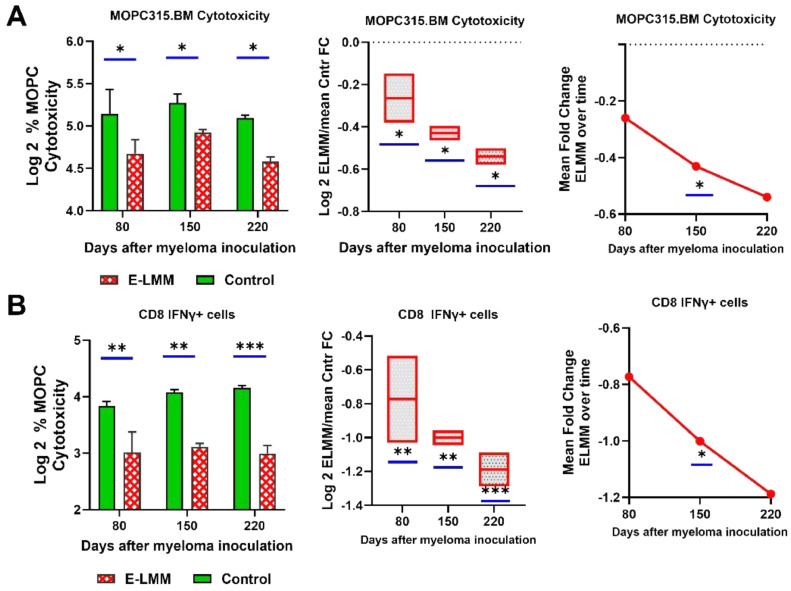 Figure 5
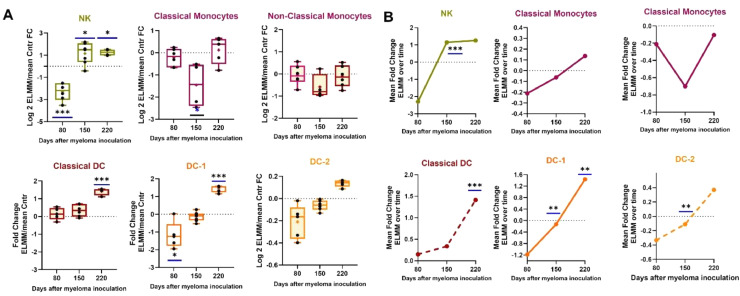 Figure 6
Peer Reviews
No public reviews on file for this paper yet. If you reviewed it on a platform where reviews are public (OpenReview, ICLR, NeurIPS, ICML), you can paste yours below so the community can read it here.
Videos
No videos yet. Explain this paper in a talk, walkthrough, or lecture? Add one.
Taxonomy
TopicsMultiple Myeloma Research and Treatments · Immunotherapy and Immune Responses · Chemokine receptors and signaling