Cardiac MRI of differing ischemia and reperfusion times in a myocardial infarction pig model
David Boll, Simon Reiss, Heidi R. Cristina Schmitz, Christian Weber, Julien Thielmann, Felix Spreter, Kian Tadjalli Mehr, Diana Chiang, Markus Jäckel, Lukas Heger, Jonathan Rilinger, Dirk Westermann, Constantin von zur Mühlen, Timo Heidt, Michael Bock, Alexander Maier

TL;DR
This study uses pigs to investigate how different durations of heart tissue ischemia and reperfusion affect heart damage, using MRI to track changes.
Contribution
The study provides new insights into the relationship between ischemia duration and MRI markers of injury in a porcine model.
Findings
T1 elevation was the most sensitive MRI marker for ischemia-reperfusion injury.
Significant heart damage (LGE) only occurred after 60 minutes or more of ischemia.
Shorter ischemia durations (30–45 minutes) did not result in LGE or significant T2 increases.
Abstract
The closed-chest porcine model of myocardial ischemia is an essential tool for preclinical research in cardiology. Current literature reports heterogeneous results regarding myocardial ischemia and reperfusion injury (IRI). This retrospective analysis presents our experience and cardiac magnetic resonance (CMR) findings while establishing a porcine IRI model. 8 male and 12 female juvenile German Landrace pigs received general anesthesia and antiarrhythmic pre-treatment. Myocardial ischemia was induced using transfemoral catheterization and balloon-occlusion of the left anterior descending (LAD) or the left circumflex (LCX) coronary artery under X-ray fluoroscopy guidance. The duration of ischemia varied from 30 to 90 min. CMR was performed at a clinical 3 T system including functional imaging, T1 and T2 mapping and late gadolinium enhancement (LGE) 2–5 h or three days post-reperfusion.…
Genes, proteins, chemicals, diseases, species, mutations and cell lines named across the full text — each resolved to its canonical identifier and authoritative record.
Click any figure to enlarge with its caption.
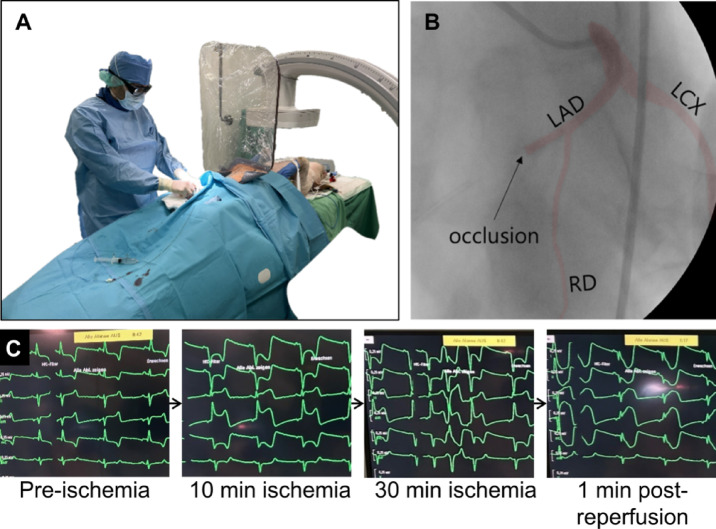 Figure 1
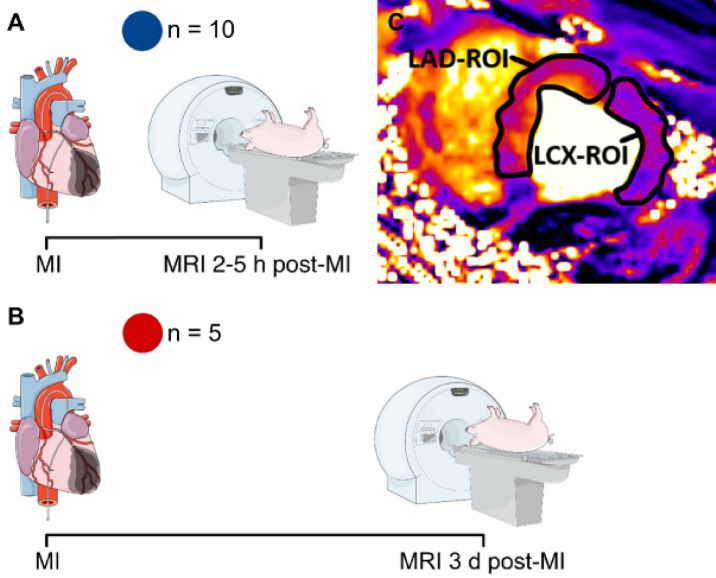 Figure 2
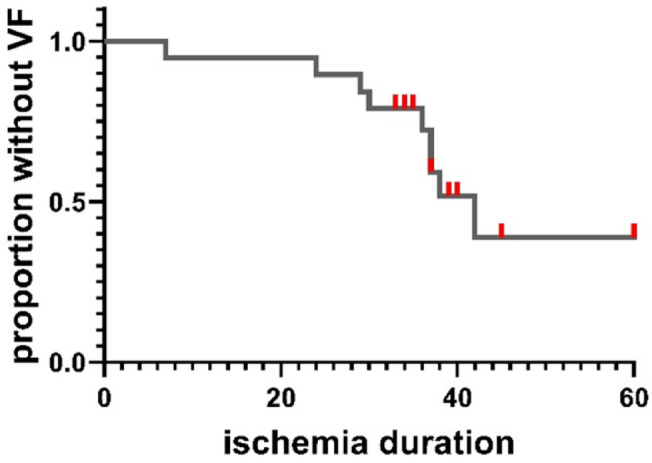 Figure 3
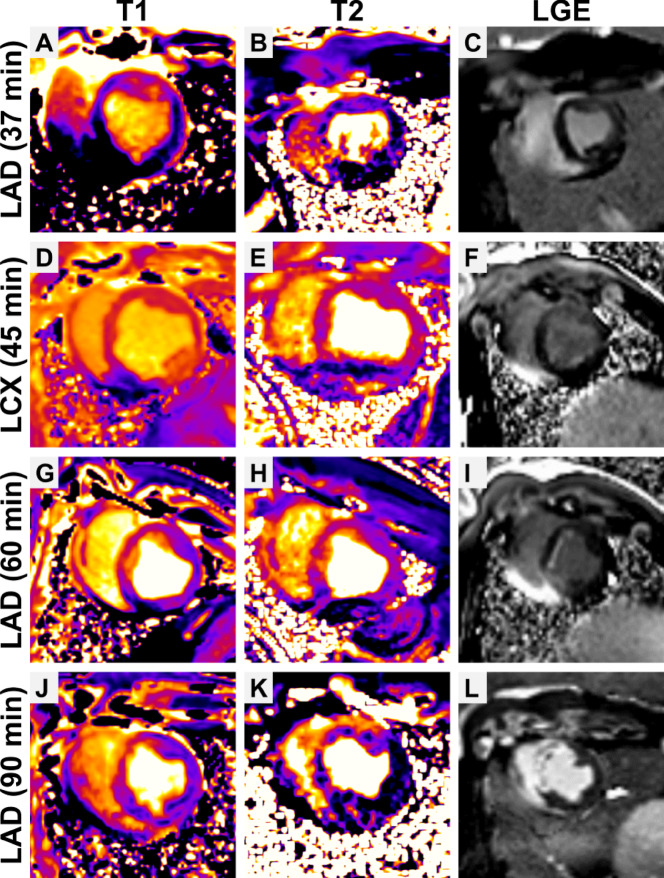 Figure 4
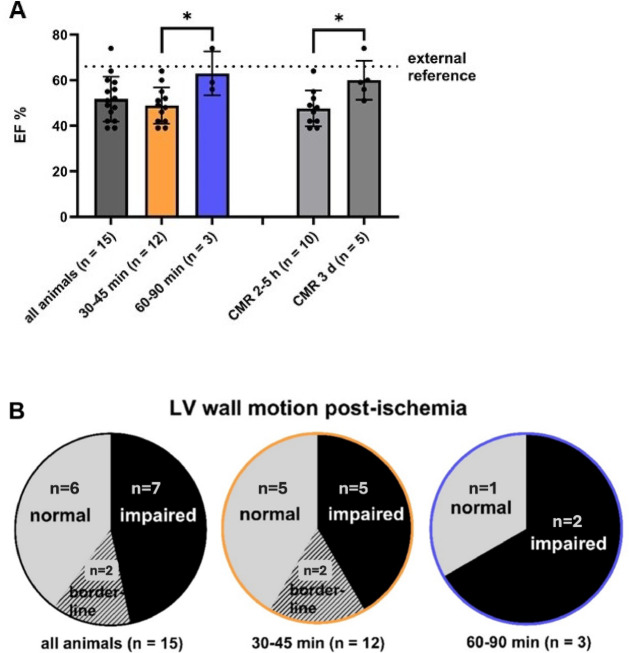 Figure 5
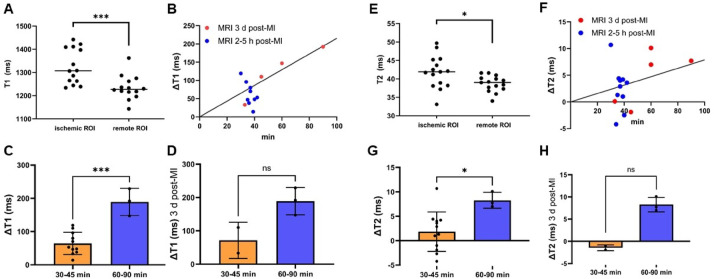 Figure 6
Peer Reviews
No public reviews on file for this paper yet. If you reviewed it on a platform where reviews are public (OpenReview, ICLR, NeurIPS, ICML), you can paste yours below so the community can read it here.
Videos
No videos yet. Explain this paper in a talk, walkthrough, or lecture? Add one.
Taxonomy
TopicsCardiac Imaging and Diagnostics · Advanced MRI Techniques and Applications · Cardiac electrophysiology and arrhythmias