Transcriptome remodelling and changes in growth and cardiometabolic phenotype result following Grb10a knockdown in the early life of the zebrafish
Bridget L. Evans, Terence Garner, Chiara De Leonibus, Lily Wright, Megan Sharps, Oliver H. Wearing, Daniel M. Ripley, Holly A. Shiels, Adam F. L. Hurlstone, Peter E. Clayton, Adam Stevens

TL;DR
Knocking down the Grb10a gene in zebrafish embryos leads to long-term changes in growth, metabolism, and heart function.
Contribution
This study shows that early-life disruption of a single gene causes lasting transcriptomic and cardiometabolic changes in zebrafish.
Findings
Grb10a knockdown increases embryonic growth and metabolic rate but decreases heart rate.
Transcriptome remodelling persists into adulthood, affecting growth, cardiac, and metabolic pathways.
Adult zebrafish with Grb10a knockdown have increased body size, cardiac muscle content, and fasting glucose.
Abstract
Embryonic growth trajectory is a risk factor for chronic metabolic and cardiovascular disorders. Grb10 is a negative regulator of the main pathways driving embryonic growth. This study has characterised growth, cardiometabolic status, and the impact on co-ordination of gene expression following morpholino-induced embryonic and early larval knockdown (KD) of grb10a expression in zebrafish (Danio rerio). Grb10 knockdown was associated with increased embryonic growth and metabolic rate, and decreased heart rate in early life. Juvenile growth rate was also elevated. The transcriptome was assessed over 5 to 30 days post fertilisation, coinciding with major changes in zebrafish (ZF) maturation and development. Significant and persistent organisational and functional changes in the whole transcriptome over this time were evident, including dysregulation of multiple growth, cardiac, and…
Genes, proteins, chemicals, diseases, species, mutations and cell lines named across the full text — each resolved to its canonical identifier and authoritative record.
Click any figure to enlarge with its caption.
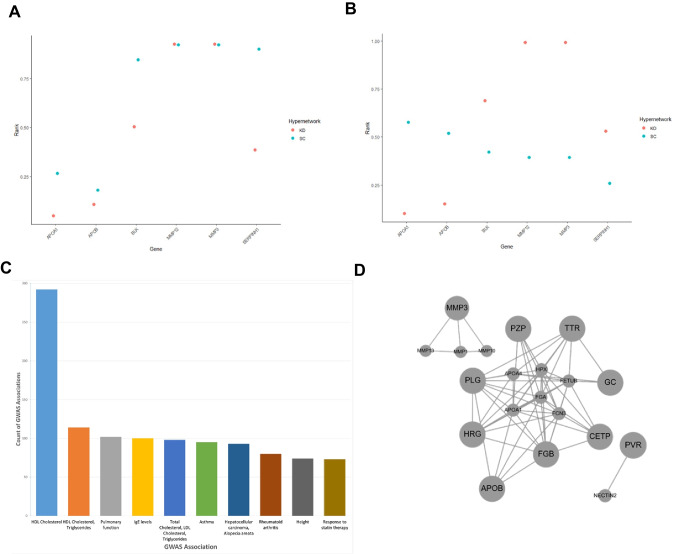 Figure 10
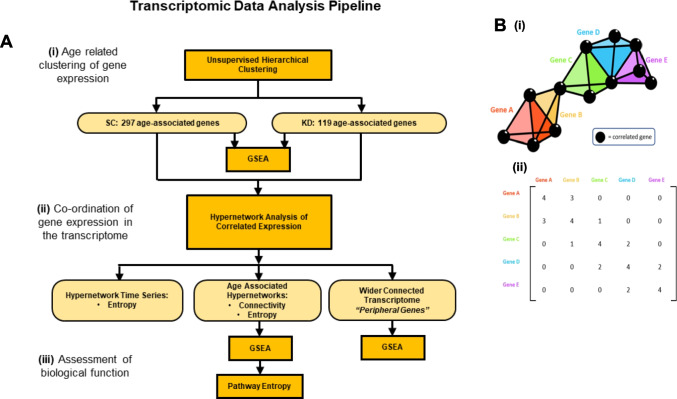 Figure 1
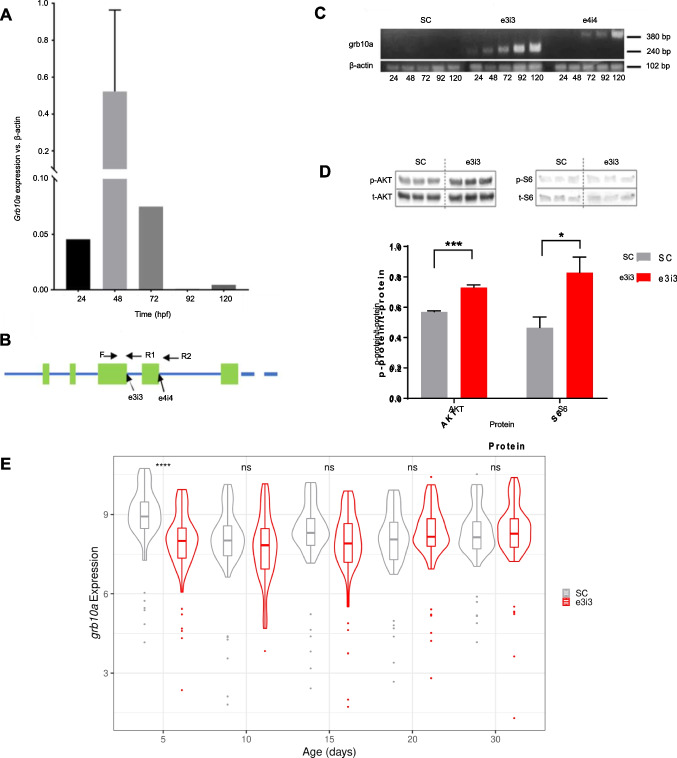 Figure 2
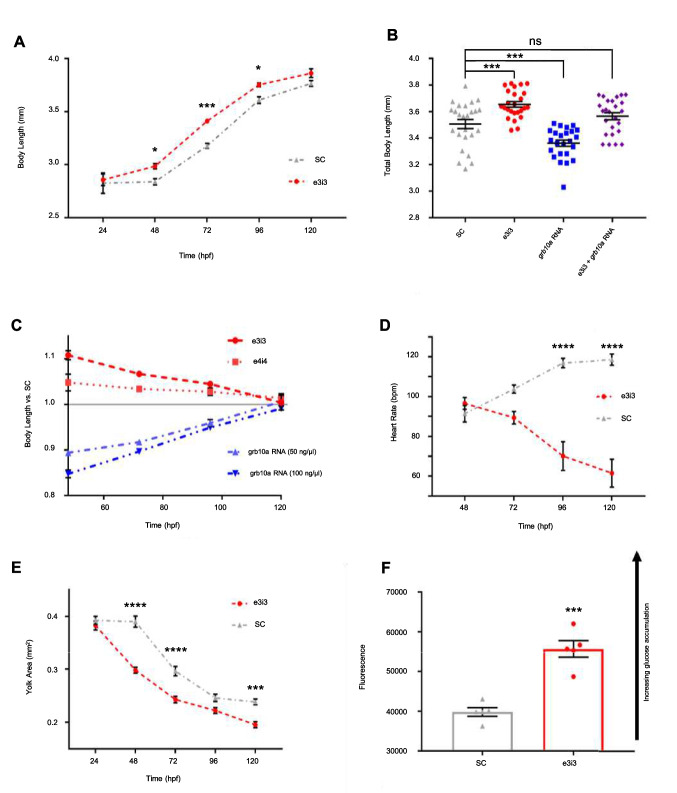 Figure 3
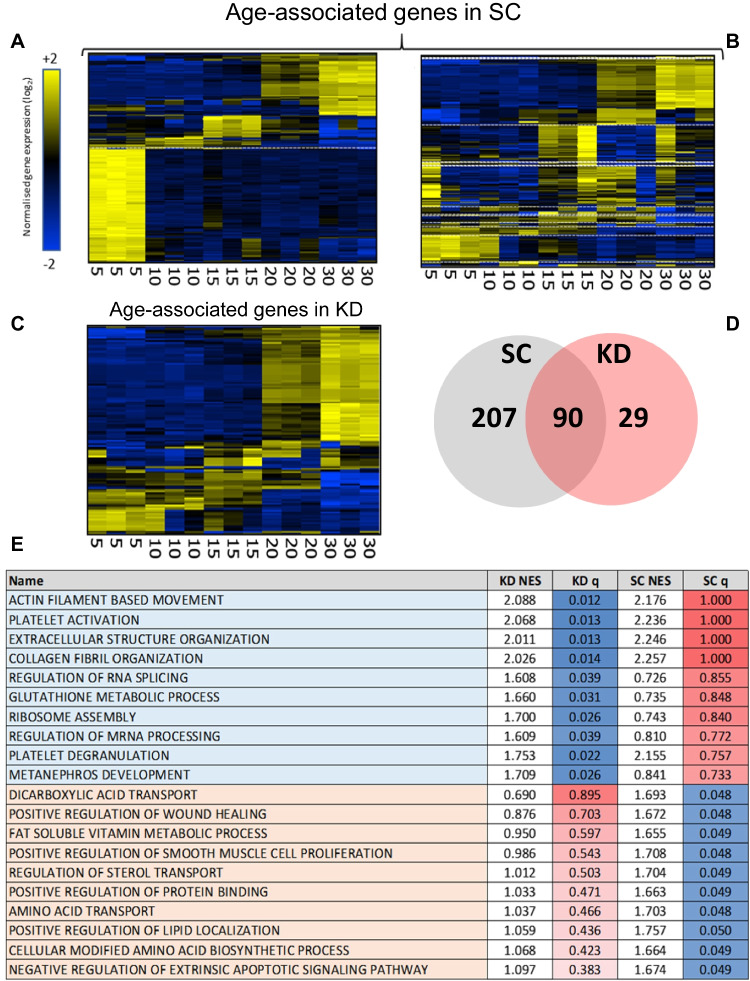 Figure 4
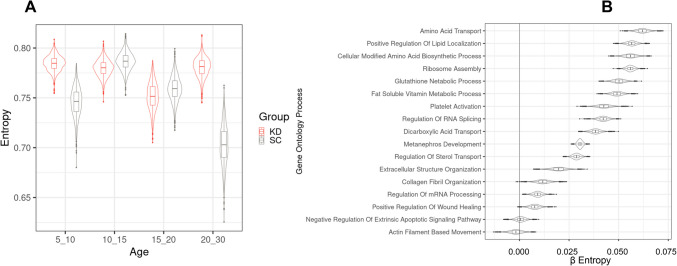 Figure 5
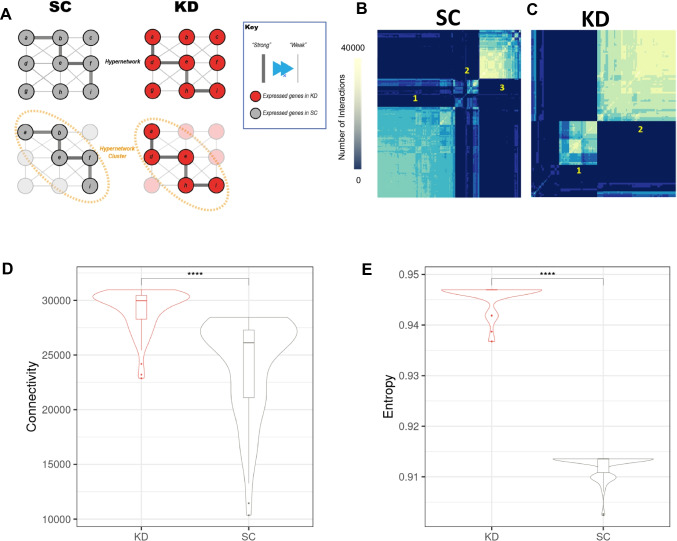 Figure 6
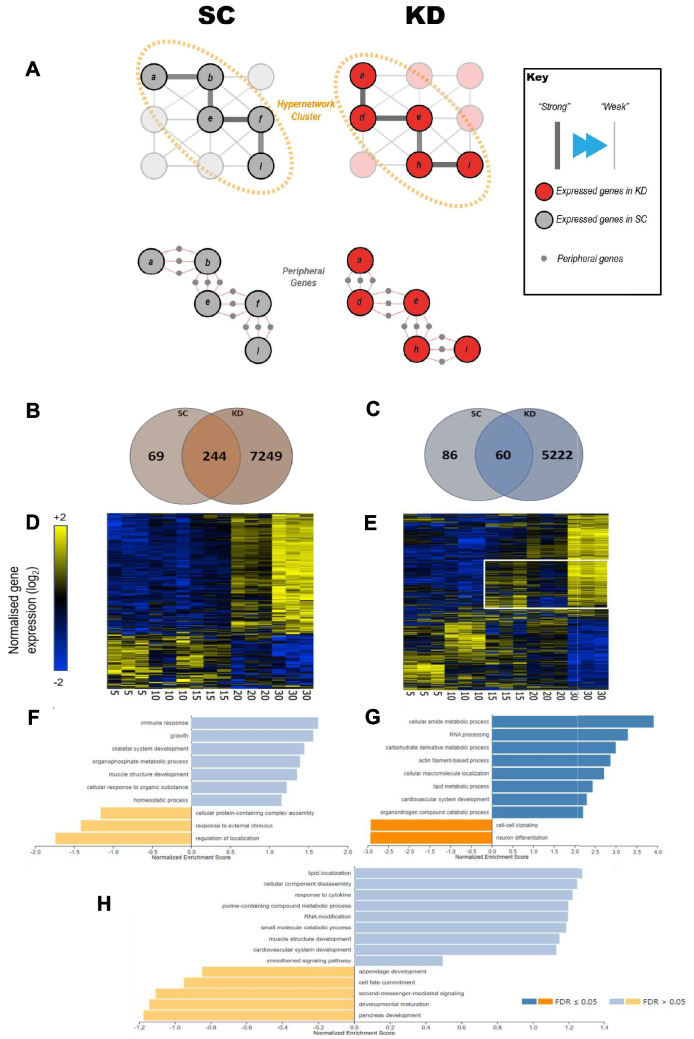 Figure 7
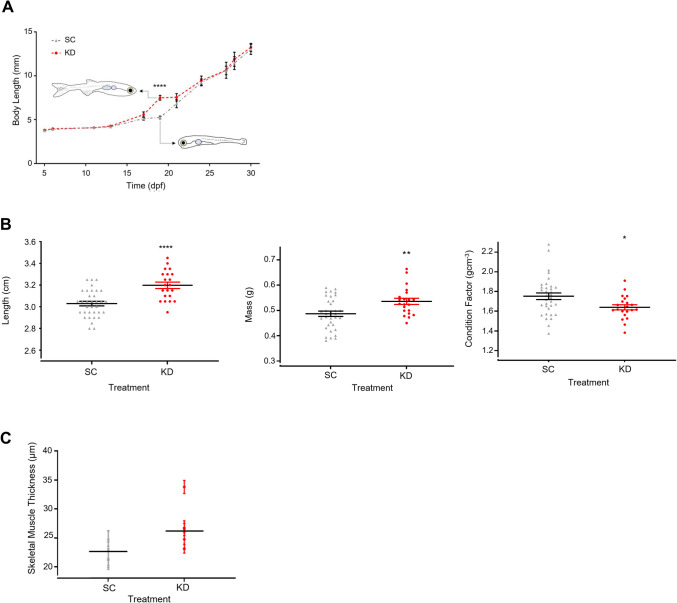 Figure 8
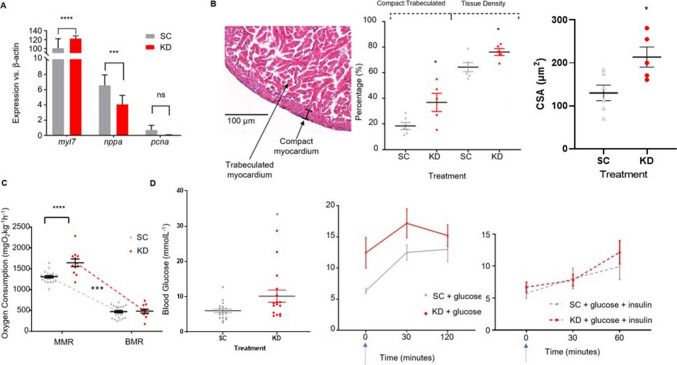 Figure 9
Peer Reviews
No public reviews on file for this paper yet. If you reviewed it on a platform where reviews are public (OpenReview, ICLR, NeurIPS, ICML), you can paste yours below so the community can read it here.
Videos
No videos yet. Explain this paper in a talk, walkthrough, or lecture? Add one.
Taxonomy
TopicsBirth, Development, and Health · Congenital heart defects research · Epigenetics and DNA Methylation