Impact of Chelation on Reactivity and Cytotoxicity of Hemilabile Biphenyl Gold(III) N‐Heterocyclic Carbene Complexes
Tom Lacoma, Jérémy Forté, Régina Maruchenko, Romain Morichon, Michèle Salmain, Joëlle Sobczak‐Thépot, Benoît Bertrand

TL;DR
Researchers studied gold(III) complexes with special ligands and found they can kill cancer cells by causing cell death through mitochondrial damage.
Contribution
The study introduces hemilabile biphenyl gold(III) complexes with antiproliferative activity linked to their neutral form and mitochondrial effects.
Findings
BGC complexes show antiproliferative activity in the low micromolar range against human cells.
Neutral open forms of the complexes are responsible for observed biological activity.
Complexes induce mitochondrial membrane depolarization, potentially leading to apoptosis.
Abstract
Although great progresses have been accomplished in the field of antineoplastic treatments, the need for chemotherapy agents with new mechanisms of action remains essential. Metal complexes presenting hemilabile ligands could combine structural toxicity upon full coordination of the ligand and reactive toxicity upon ligand partial decoordination and direct coordination of the metal center to biological targets. To investigate the relevance of hemilability in the case of Au(III) complexes, we synthesized eight open biphenyl gold(III) N‐heterocyclic carbene complexes coined BGC of general formula [(C^C)Au(NHC^het)Cl] where het is a pyridine‐type entity and C^C is 4,4′‐diterbutylbiphenyl. Chloride abstraction afforded the chelated cationic complexes [(C^C)Au(NHC^N)]PF6 in which the pyridine arm coordinates the gold ion. Quantitative irreversible conversion of the cationic forms to the…
Genes, proteins, chemicals, diseases, species, mutations and cell lines named across the full text — each resolved to its canonical identifier and authoritative record.
Click any figure to enlarge with its caption.
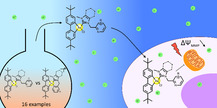 Figure 1
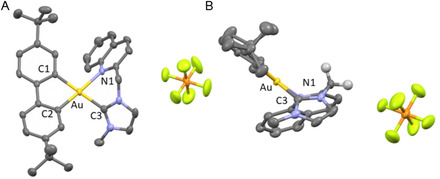 Figure 2
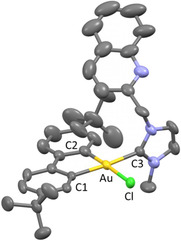 Figure 3
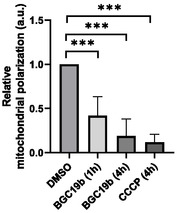 Figure 4
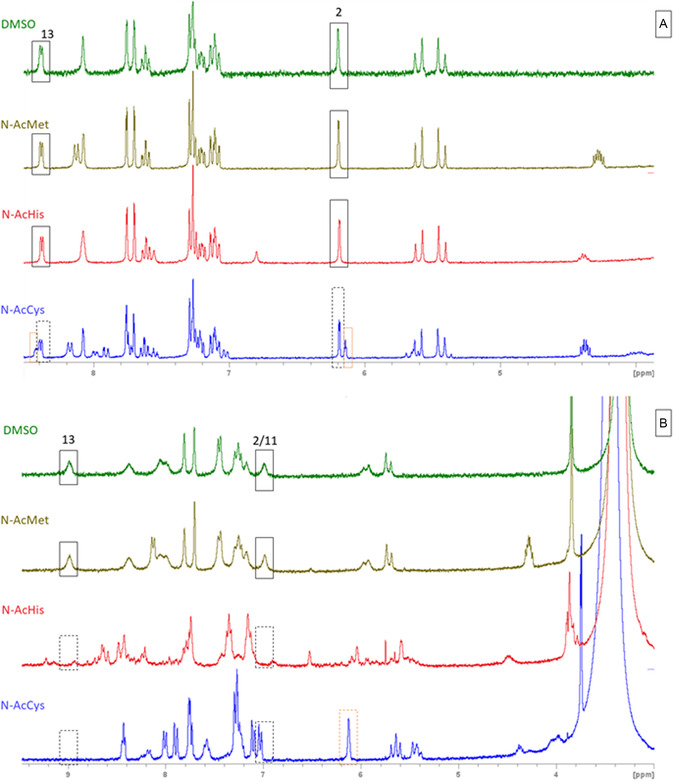 Figure 5
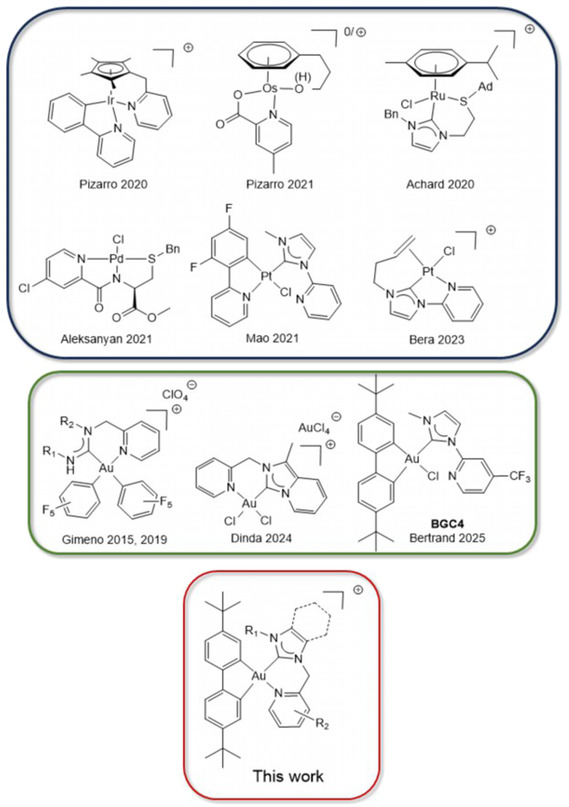 Figure 6
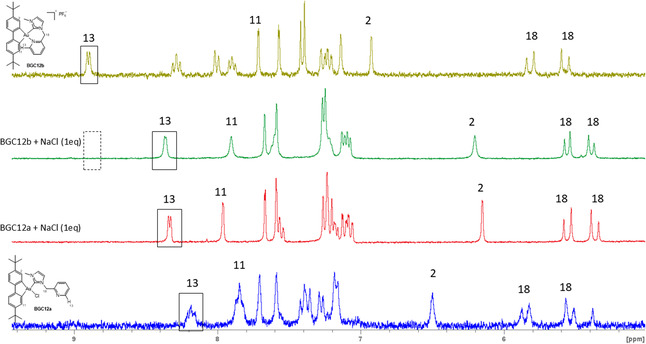 Figure 7
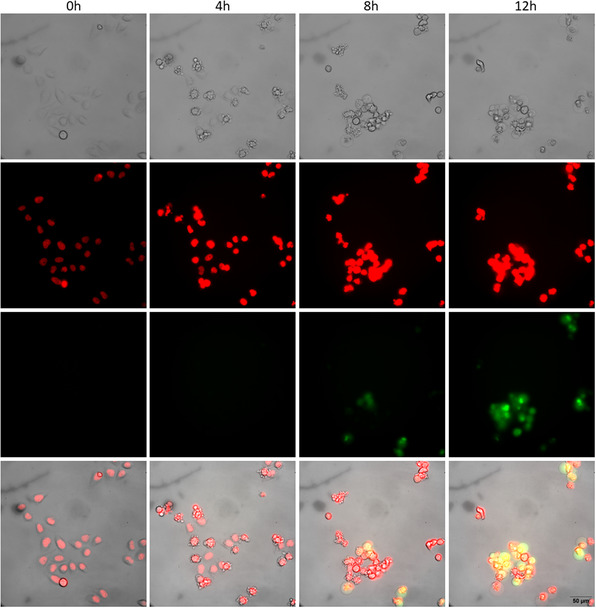 Figure 8
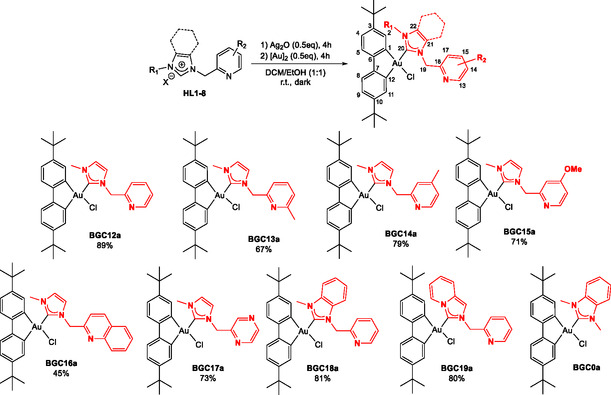 Figure 9
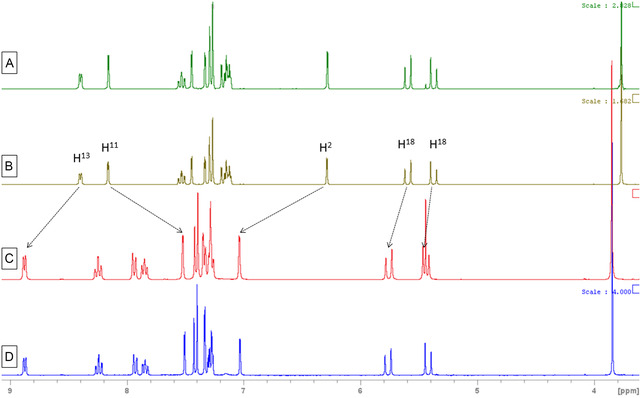 Figure 10
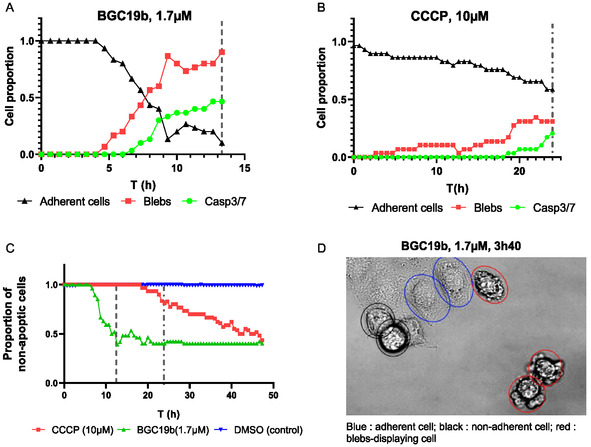 Figure 11
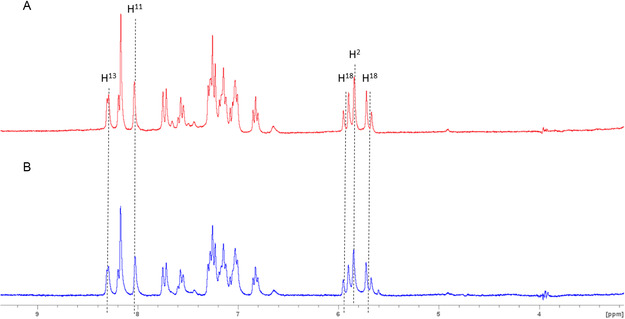 Figure 12
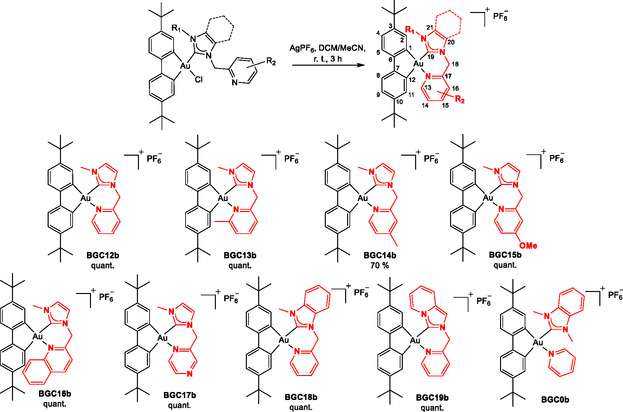 Figure 13
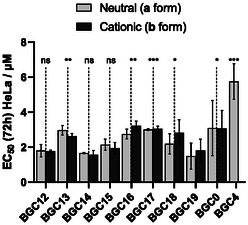 Figure 14
Peer Reviews
No public reviews on file for this paper yet. If you reviewed it on a platform where reviews are public (OpenReview, ICLR, NeurIPS, ICML), you can paste yours below so the community can read it here.
Videos
No videos yet. Explain this paper in a talk, walkthrough, or lecture? Add one.
Taxonomy
TopicsN-Heterocyclic Carbenes in Organic and Inorganic Chemistry · Metal complexes synthesis and properties · Asymmetric Hydrogenation and Catalysis