Novel Para‐Phenylenediamine‐Based Derivatives as Receptor Tyrosine Kinase‐like Orphan Receptor 1 (ROR1) Inhibitors: An In Vitro Preliminary Characterization
Gerardina Smaldone, Maria Rosaria Miranda, Francesca Di Matteo, Valeria Napolitano, Michela Aliberti, Simona Musella, Veronica Di Sarno, Gianluigi Lauro, Giuseppe Bifulco, Giacomo Pepe, Giovanna Aquino, Mario Felice Tecce, Isabel Maria Gomez‐Monterrey, Pietro Campiglia

TL;DR
This study introduces new para-phenylenediamine-based compounds that inhibit ROR1, a promising cancer target, showing strong anticancer potential in lab tests.
Contribution
The paper presents novel para-phenylenediamine derivatives as effective ROR1 inhibitors with demonstrated anticancer activity.
Findings
Compound 17 shows strong affinity for ROR1 and inhibits its protumoral activity in cancer cell lines.
Pharmacokinetic tests reveal good stability for derivative 17, supporting further development.
The study confirms the potential of para-phenylenediamine as a scaffold for ROR1 inhibitors.
Abstract
ROR1 kinase is an underexplored promising target for the development of novel anticancer drugs, being strongly expressed in several cancer cell lines, but poorly in non‐tumor cells. This property, together with the scarce number of molecules effective against ROR1, leads to the design and development of a research program aimed at the discovery of new chemical entities able to inhibit ROR1 thus interfering with its protumoral activity. Step‐by‐step in silico studies guide the design and synthesis of para‐phenylenediamine‐based compounds. Surface plasmon resonance and Cellular Thermal Shift Assay analyses, coordinated with cytotoxicity assays carried out on JeKo‐1 (mantle cell lymphoma) and SH‐SY5Y (neuroblastoma cell) cell lines, demonstrate the strong affinity and the anticancer potential of the derivative 17, respectively, further confirming its mechanism of action. Moreover,…
Genes, proteins, chemicals, diseases, species, mutations and cell lines named across the full text — each resolved to its canonical identifier and authoritative record.
Click any figure to enlarge with its caption.
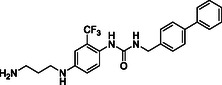 Figure 1
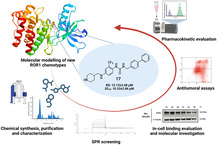 Figure 2
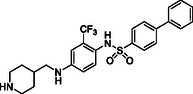 Figure 3
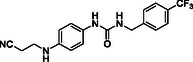 Figure 4
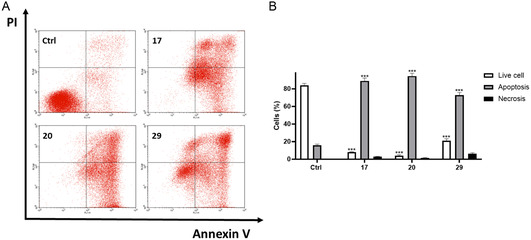 Figure 5
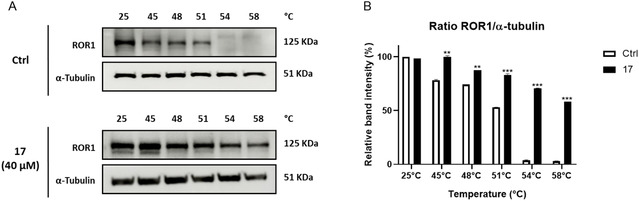 Figure 6
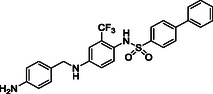 Figure 7
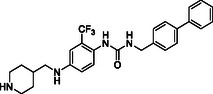 Figure 8
 Figure 9
 Figure 10
 Figure 11
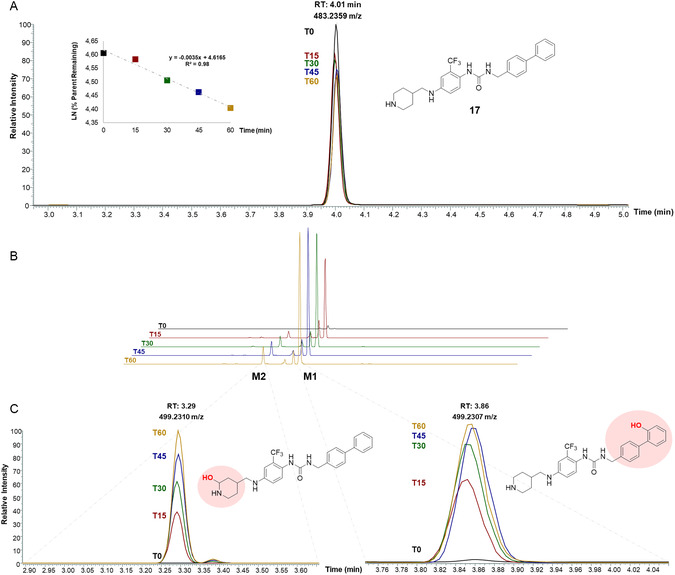 Figure 12
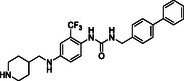 Figure 13
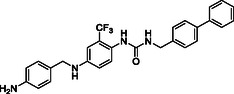 Figure 14
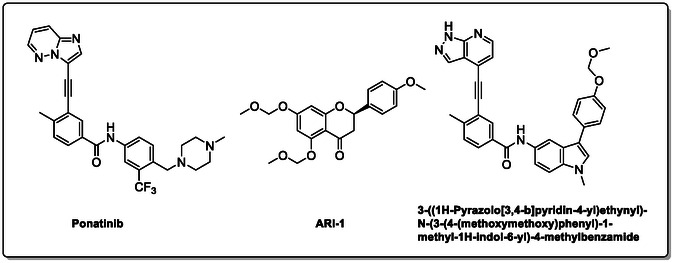 Figure 15
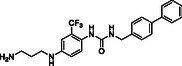 Figure 16
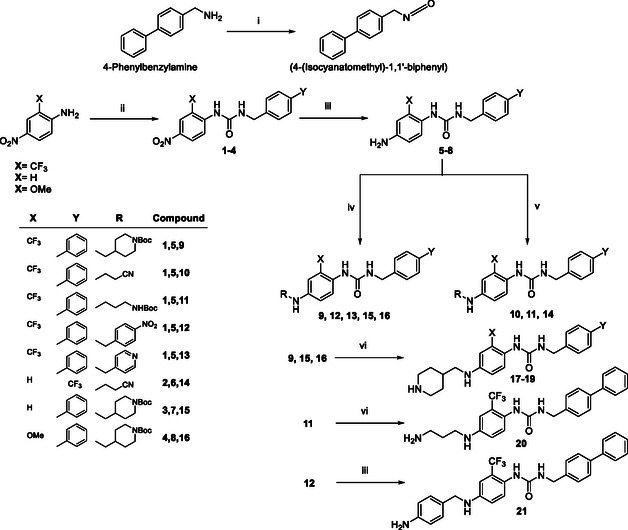 Figure 17
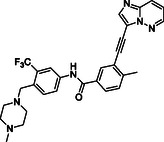 Figure 18
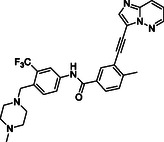 Figure 19
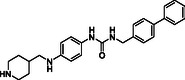 Figure 20
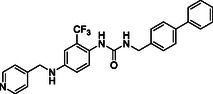 Figure 21
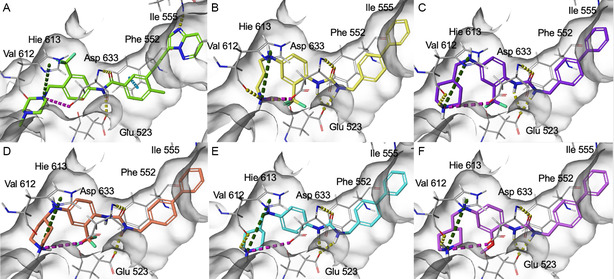 Figure 22
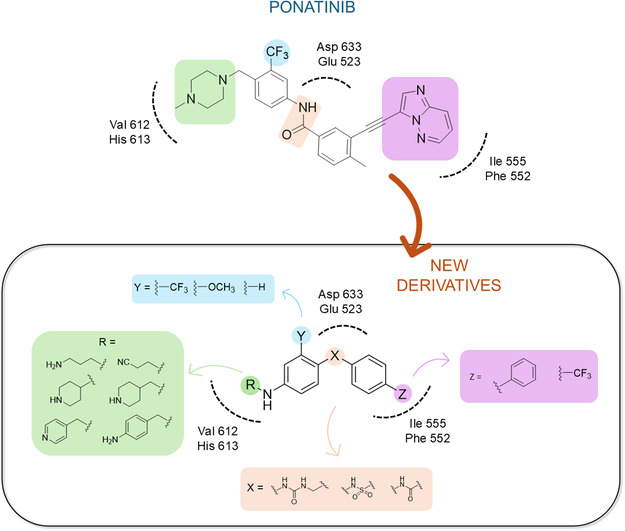 Figure 23
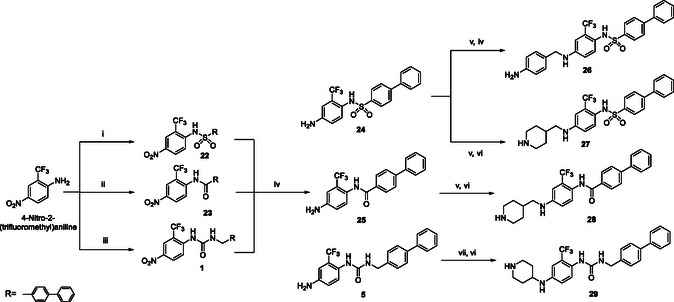 Figure 24
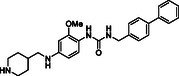 Figure 25
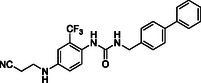 Figure 26
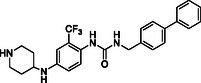 Figure 27
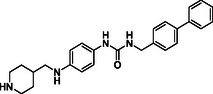 Figure 28
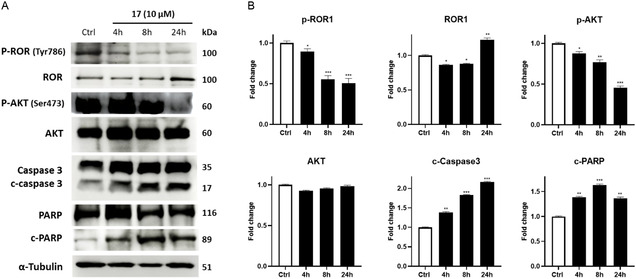 Figure 29
Peer Reviews
No public reviews on file for this paper yet. If you reviewed it on a platform where reviews are public (OpenReview, ICLR, NeurIPS, ICML), you can paste yours below so the community can read it here.
Videos
No videos yet. Explain this paper in a talk, walkthrough, or lecture? Add one.
Taxonomy
TopicsNuclear Receptors and Signaling