Structure−Activity Relationships of New 1‐Aryl‐1H‐Indole Derivatives as SARS‐CoV‐2 Nsp13 Inhibitors
Valentina Noemi Madia, Roberta Emmolo, Elisa Patacchini, Donatella Amatore, Stefania Maloccu, Davide Ialongo, Aurora Albano, Giuseppe Ruggieri, Emanuele Cara, Laura Zarbo, Antonella Messore, Riccardo De Santis, Alessandra Amoroso, Florigio Lista, Francesca Esposito

TL;DR
Researchers designed new indole compounds that inhibit a key SARS-CoV-2 protein involved in viral replication, showing antiviral activity without toxicity.
Contribution
New 1-aryl-1H-indole derivatives are developed as SARS-CoV-2 nsp13 inhibitors with structure-activity relationships explored.
Findings
Dikehexenoic derivatives show activity against SARS-CoV-2 nsp13 enzymatic activities with IC50 under 30 μM.
Compounds block viral replication without cytotoxicity in infected cells.
In silico docking suggests binding to an allosteric pocket in the RecA2 domain of nsp13.
Abstract
It has been more than four years since the first report of SARS‐CoV‐2, the virus responsible for the coronavirus disease 2019 (COVID‐19) pandemic, the scientific community is focused on vaccine development in an exceptionally rapid time frame, as well as the evaluation of a wide range of potential treatments in clinical trials, a few of which have also reached the market. However, these drugs are characterized by several limits (including low response to treatment in some patients, low effectiveness against the new variants, severe side effects, etc.), thus underscoring the need to speed up the research. Among potential antiviral targets, the SARS‐CoV‐2 nonstructural protein 13 (nsp13) is highly promising thanks to its pivotal role in viral replication. Pursuing the studies on the development of nsp13 inhibitors, herein, the design, synthesis, and biological evaluation of new SARS‐CoV‐2…
Genes, proteins, chemicals, diseases, species, mutations and cell lines named across the full text — each resolved to its canonical identifier and authoritative record.
Click any figure to enlarge with its caption.
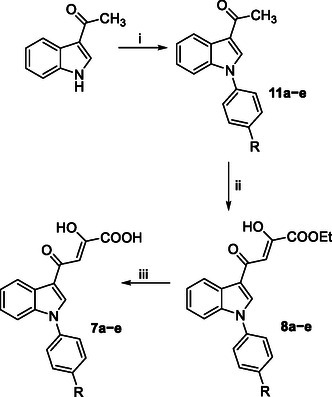 Figure 1
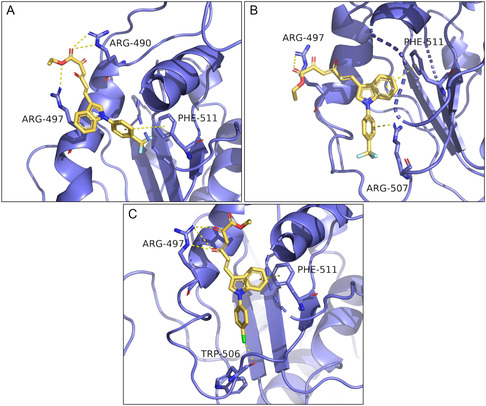 Figure 2
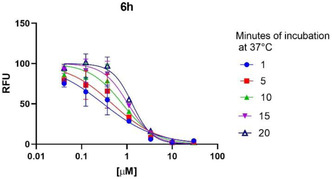 Figure 3
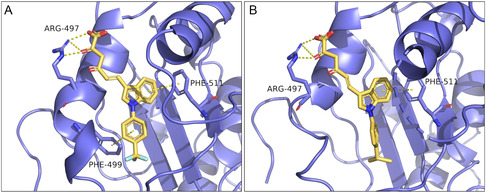 Figure 4
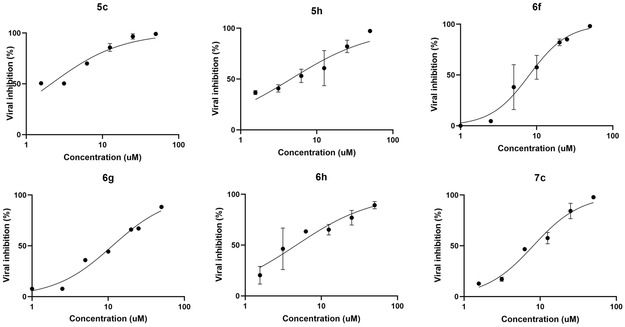 Figure 5
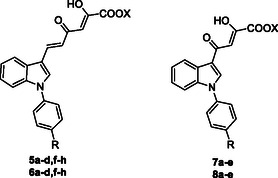 Figure 6
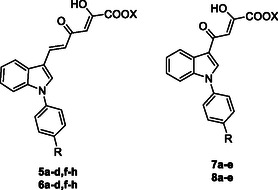 Figure 7
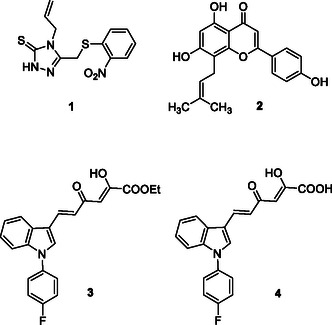 Figure 8
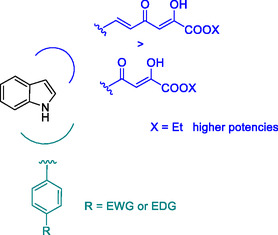 Figure 9
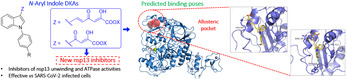 Figure 10
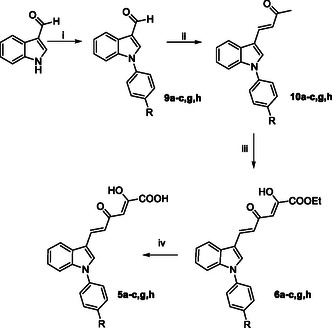 Figure 11
Peer Reviews
No public reviews on file for this paper yet. If you reviewed it on a platform where reviews are public (OpenReview, ICLR, NeurIPS, ICML), you can paste yours below so the community can read it here.
Videos
No videos yet. Explain this paper in a talk, walkthrough, or lecture? Add one.
Taxonomy
TopicsComputational Drug Discovery Methods · SARS-CoV-2 and COVID-19 Research · Influenza Virus Research Studies