Evaluating the effectiveness of participatory science dog teams to detect devitalized Spotted Lanternfly (Lycorma delicatula) egg masses
Sally Dickinson, Mizuho Nita, Edgar O. Aviles-Rosa, Nathan Hall, Erica N. Feuerbacher

TL;DR
This study shows that community dog teams can effectively detect invasive spotted lanternfly egg masses, offering a new approach to protect agriculture.
Contribution
The novel use of community scientist dog-handler teams for detecting invasive species is demonstrated as a viable solution.
Findings
Dogs achieved 82% sensitivity in controlled tests and 58% in field conditions.
Community teams met standardized detection criteria after training.
This approach offers a scalable solution for invasive species management.
Abstract
The spotted lanternfly (Lycorma delicatula, SLF) is an invasive planthopper first detected in the United States in 2014, with initial sightings in Pennsylvania. SLF poses a serious threat to agriculture, particularly targeting grapevines, hops, and ornamental plants, resulting in substantial annual economic losses. Due to its life cycle, the early detection and removal of egg masses are the most effective strategies for preventing long-distance dispersal. However, visual detection by humans is time-consuming and inefficient. Detection dogs have demonstrated high accuracy in locating SLF egg masses and differentiating them from environmental distractors. Despite their effectiveness, the number of dogs available through governmental channels is insufficient to meet demand. This study evaluated whether community scientist dog-handler teams could meet standardized detection criteria using…
Genes, proteins, chemicals, diseases, species, mutations and cell lines named across the full text — each resolved to its canonical identifier and authoritative record.
Click any figure to enlarge with its caption.
 Figure 1
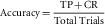 Figure 2
 Figure 3
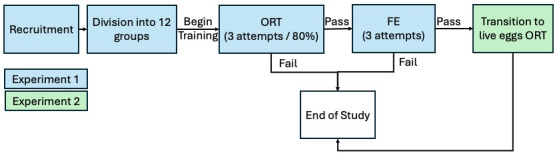 Figure 4
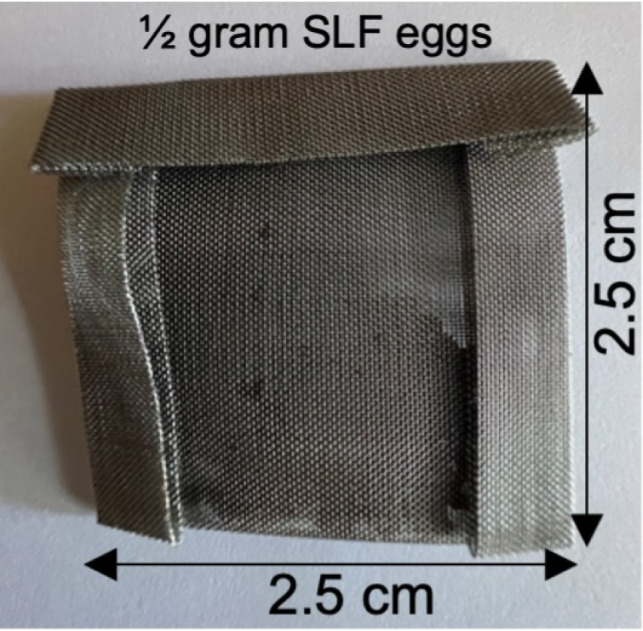 Figure 5
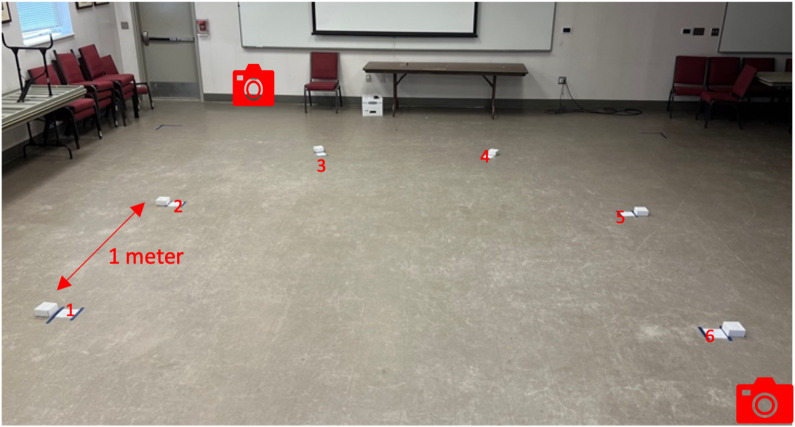 Figure 6
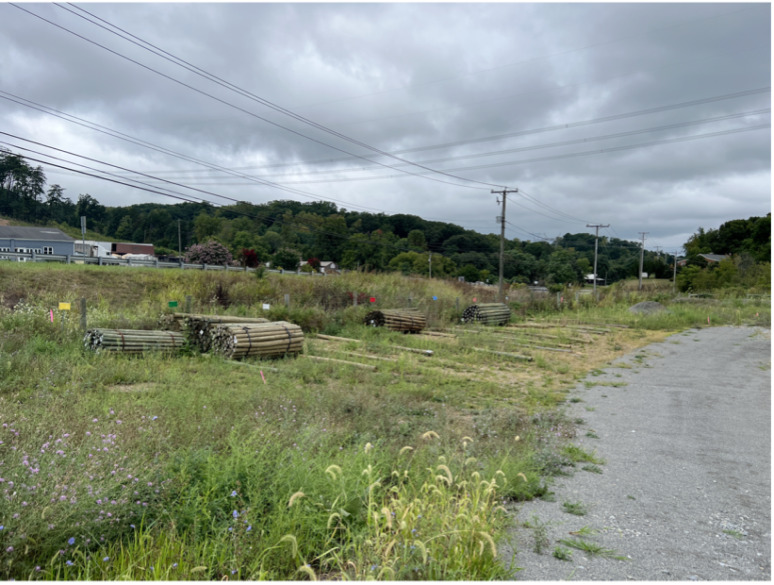 Figure 7
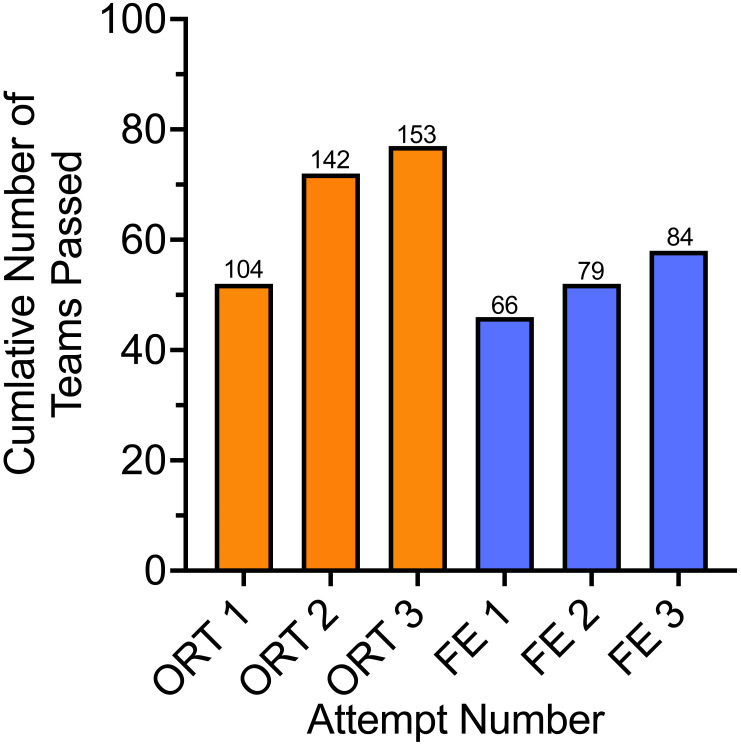 Figure 8
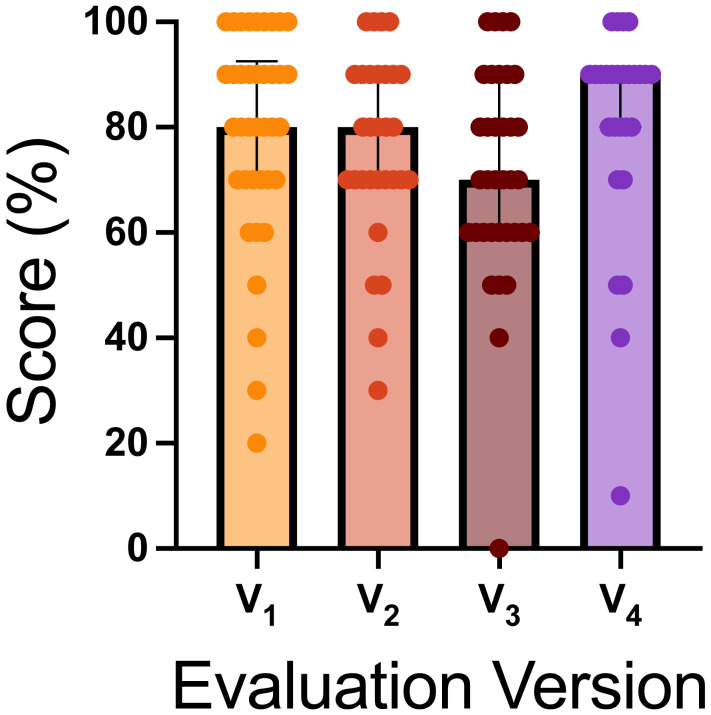 Figure 9
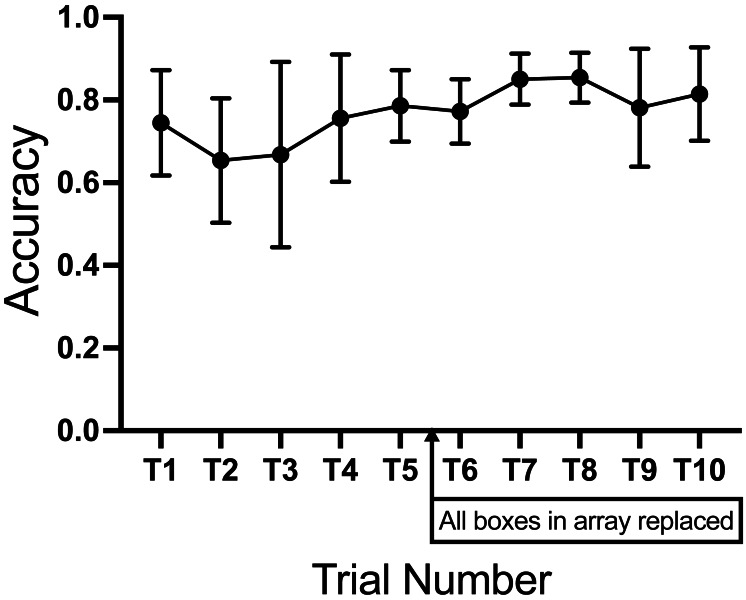 Figure 10
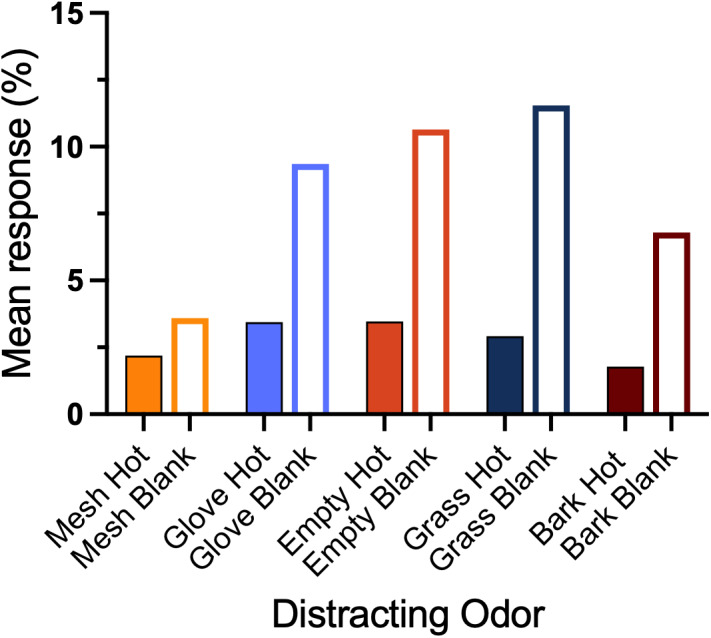 Figure 11
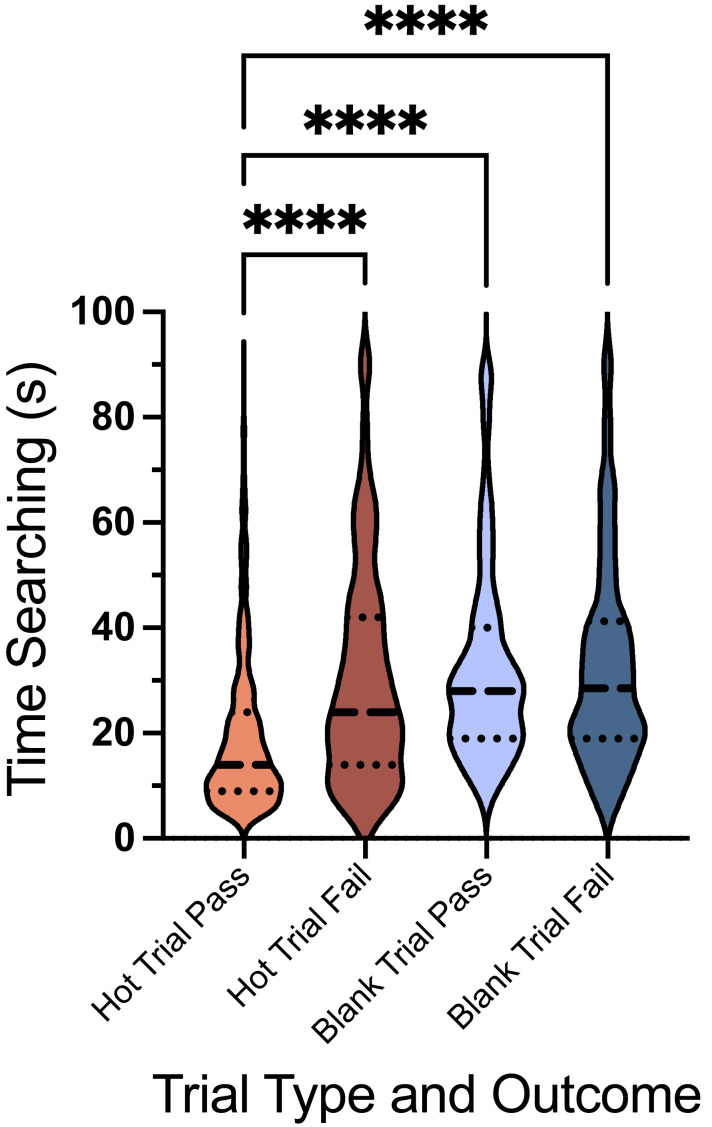 Figure 12
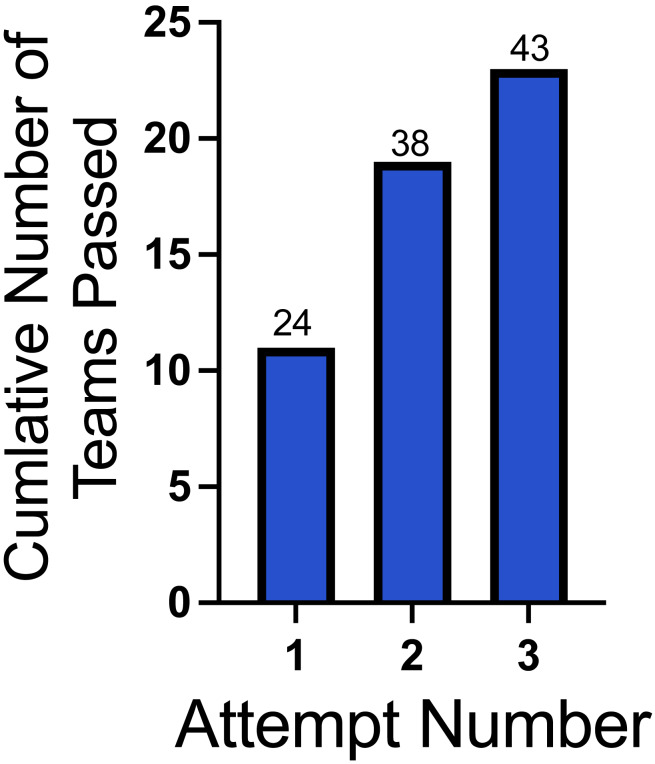 Figure 13
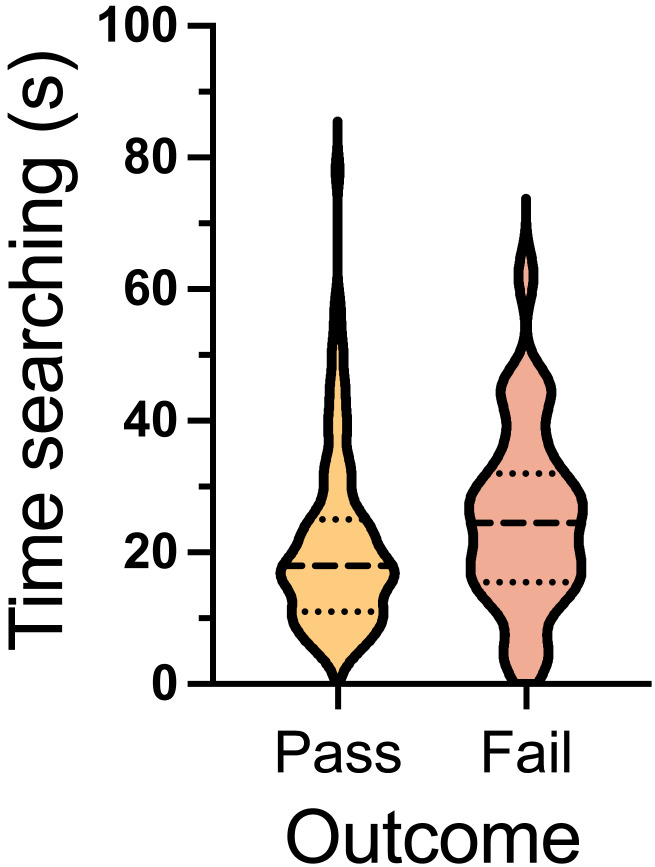 Figure 14
 Figure 15
 Figure 16
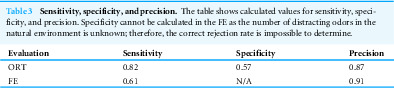 Figure 17
Peer Reviews
No public reviews on file for this paper yet. If you reviewed it on a platform where reviews are public (OpenReview, ICLR, NeurIPS, ICML), you can paste yours below so the community can read it here.
Videos
No videos yet. Explain this paper in a talk, walkthrough, or lecture? Add one.
Taxonomy
TopicsAnimal and Plant Science Education · Insect and Arachnid Ecology and Behavior · Insects and Parasite Interactions