Optimising rhinoplasty outcomes in patients with thick skin
Catrin Wigley, Jonathan Sutton, Nicholas Eynon-Lewis, Rajan Uppal

TL;DR
This paper introduces a tool to classify nasal skin thickness in rhinoplasty patients and shows that acid peels can improve outcomes for those with thick skin.
Contribution
A new classification system for nasal skin thickness and evidence that acid peels improve rhinoplasty outcomes in thick-skinned patients.
Findings
Patients with thick skin (grade 3) who received acid peels showed a marginal improvement in rhinoplasty outcomes.
The Nasal Skin Thickness Scale helps identify patients who may benefit from preoperative skin optimization.
Acid peels helped reduce swelling and improve nasal definition in thick-skinned patients.
Abstract
Performing rhinoplasty in patients with a thick skin often presents as a challenge. This article describes an assessment tool to (1) classify patients according to the thickness of their skin and (2) to demonstrate the clinical application of this classification for the benefit of patients before Rhinoplasty. 166 patients underwent open rhinoplasty and were graded according to the Nasal Skin Thickness Scale (NSTS). Those patients graded as having thicker skin were selected for an acid peel before surgery. Preoperative and 6-month postoperative rhinoplasty outcome evaluation (ROE) score were collected to assess outcomes as these are a validated patient reported outcome measure. Pearson chi-square test was used to determine statistically significance of the postoperative groups. All patients with thick skin (grade 3) or above were offered a preoperative skin acid peel. A total of 42…
Genes, proteins, chemicals, diseases, species, mutations and cell lines named across the full text — each resolved to its canonical identifier and authoritative record.
Click any figure to enlarge with its caption.
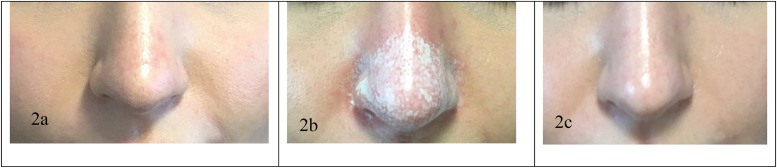 Figure 1
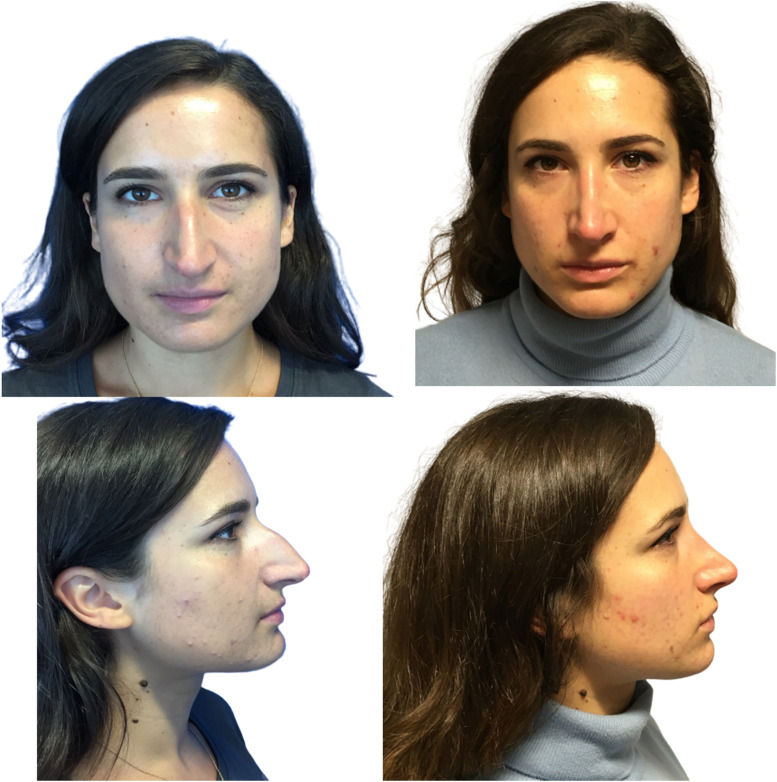 Figure 2
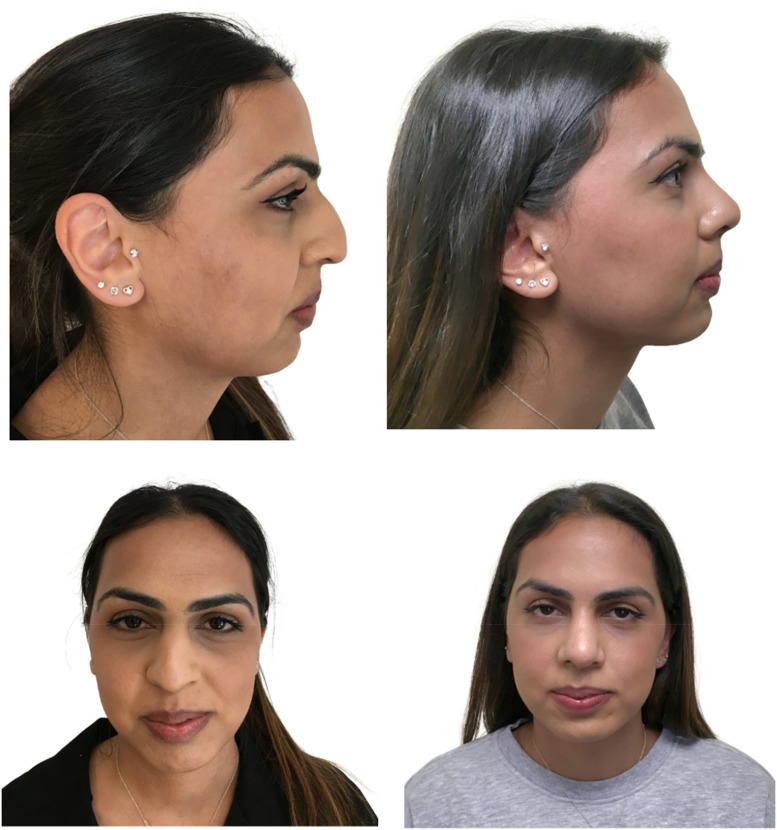 Figure 3
Peer Reviews
No public reviews on file for this paper yet. If you reviewed it on a platform where reviews are public (OpenReview, ICLR, NeurIPS, ICML), you can paste yours below so the community can read it here.
Videos
No videos yet. Explain this paper in a talk, walkthrough, or lecture? Add one.
Taxonomy
TopicsNasal Surgery and Airway Studies · Body Image and Dysmorphia Studies · Facial Rejuvenation and Surgery Techniques