Transmission of respiratory infectious diseases based on real close contact behavior in an emergency room
Bing Cao, Haochen Zhang, Nan Zhang

TL;DR
This study analyzed infection risks in an emergency room using real close contact data and found that wearing masks and improving ventilation significantly reduces transmission of respiratory diseases like COVID-19.
Contribution
The study introduces a multi-route transmission model based on real-world close contact behavior to assess infection risks and intervention effectiveness in emergency rooms.
Findings
Treating critically ill patients poses the highest infection risk for healthcare workers due to close proximity and procedures like intubation.
Wearing N95 respirators and surgical masks can reduce infection risk by up to 94.7% and 53.9%, respectively.
Increasing ventilation from 1 ACH to 6 ACH reduces airborne transmission risk by up to 43.8% for certain patient types.
Abstract
The risk of transmission of respiratory infectious diseases in emergency rooms is high, posing a severe threat to the health of healthcare workers (HCWs). The study was conducted in an emergency room of a medical school at a university in Hong Kong during a clinical skills competition. A total of 19,246 s of video surveillance data were collected, recording the treatment of three types of patients (P1: infusion patient, P2: critically ill patient, P3: agitated patient). Taking coronavirus disease 2019 (COVID-19) as an example, a multi-route transmission model was established to assess the infection risk for HCWs and the effectiveness of various interventions. The average distances between HCWs and patients during the treatment of P1, P2, and P3 were 0.8 (25–75 percentile: 0.6, 1.1) m, 1.0 (0.8, 1.2) m, and 0.5 (0.4, 0.7) m, respectively. When treating P2, due to intubation procedures,…
Genes, proteins, chemicals, diseases, species, mutations and cell lines named across the full text — each resolved to its canonical identifier and authoritative record.
Click any figure to enlarge with its caption.
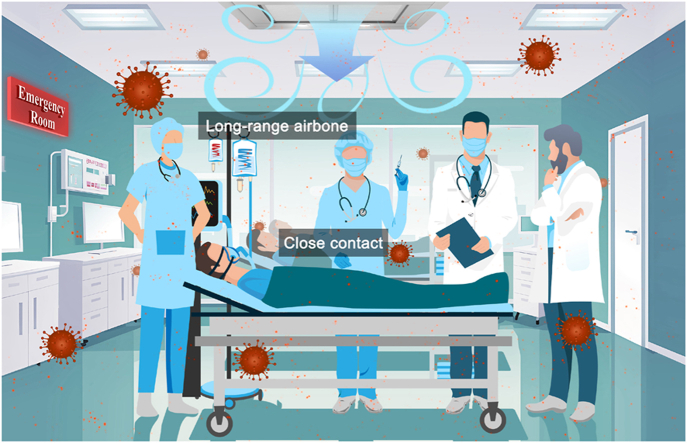 Figure 1
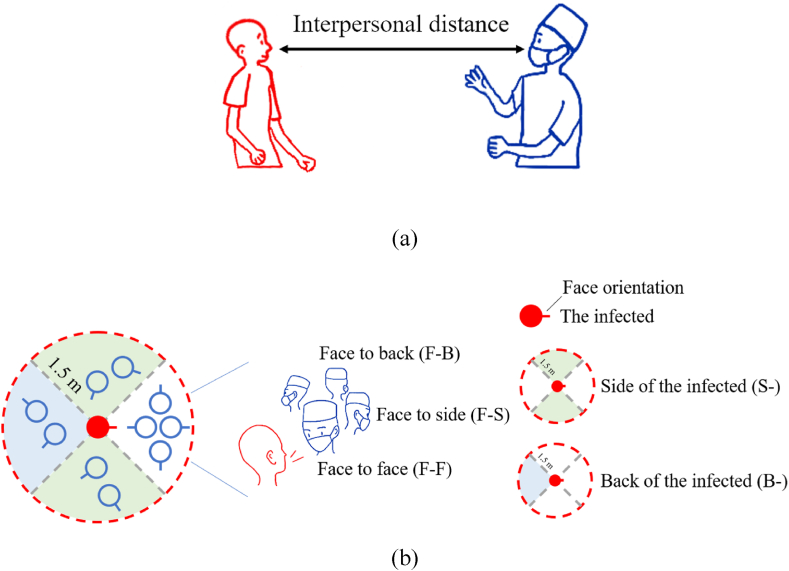 Figure 2
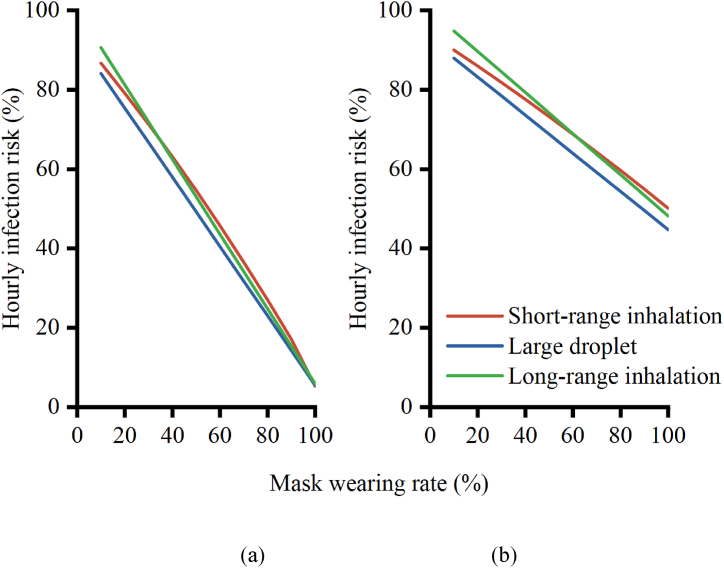 Figure 3
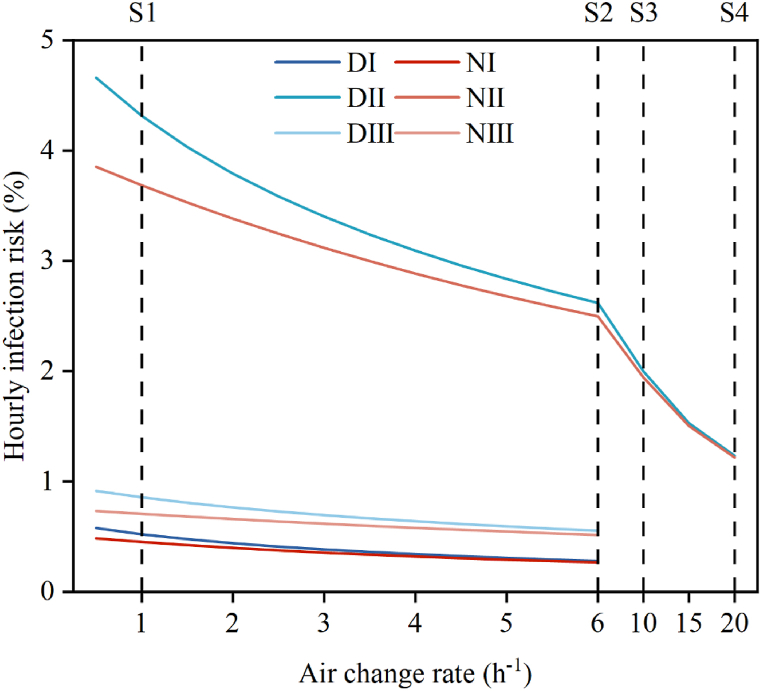 Figure 4
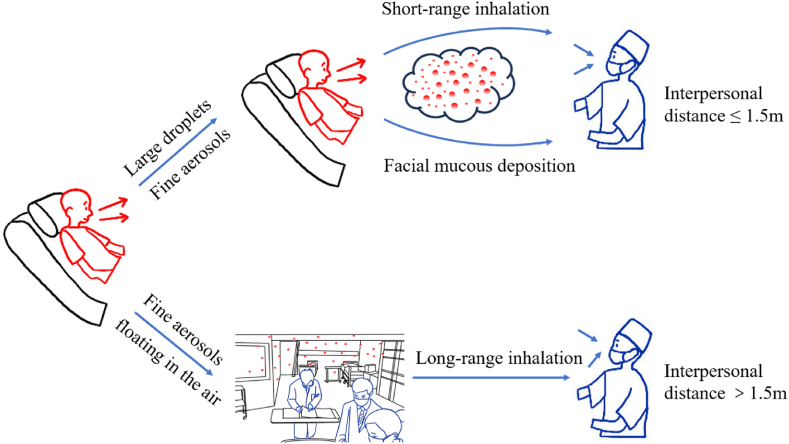 Figure 5
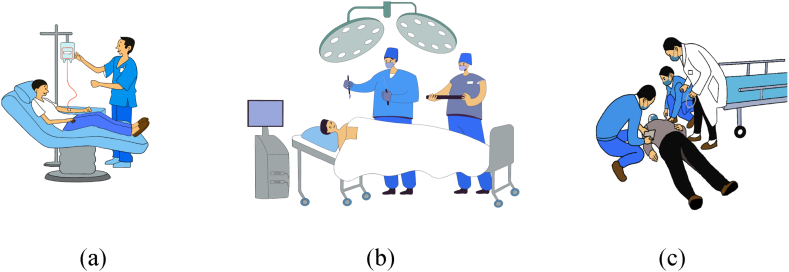 Figure 6
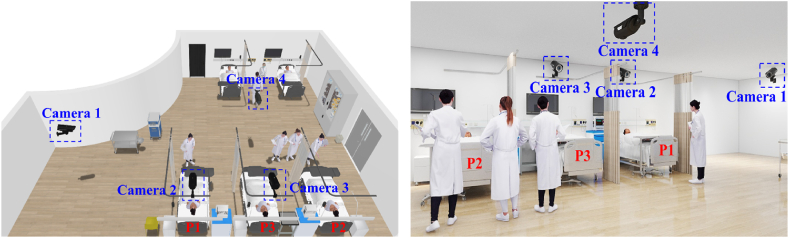 Figure 7
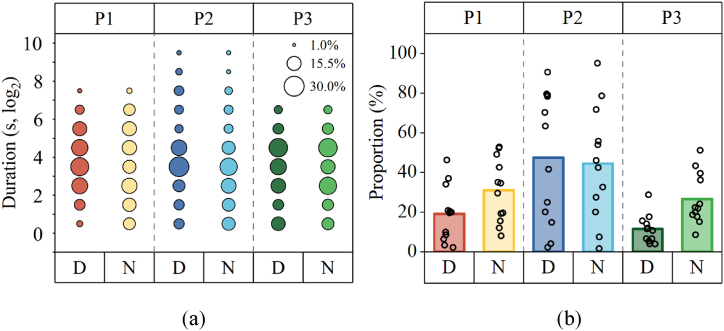 Figure 8
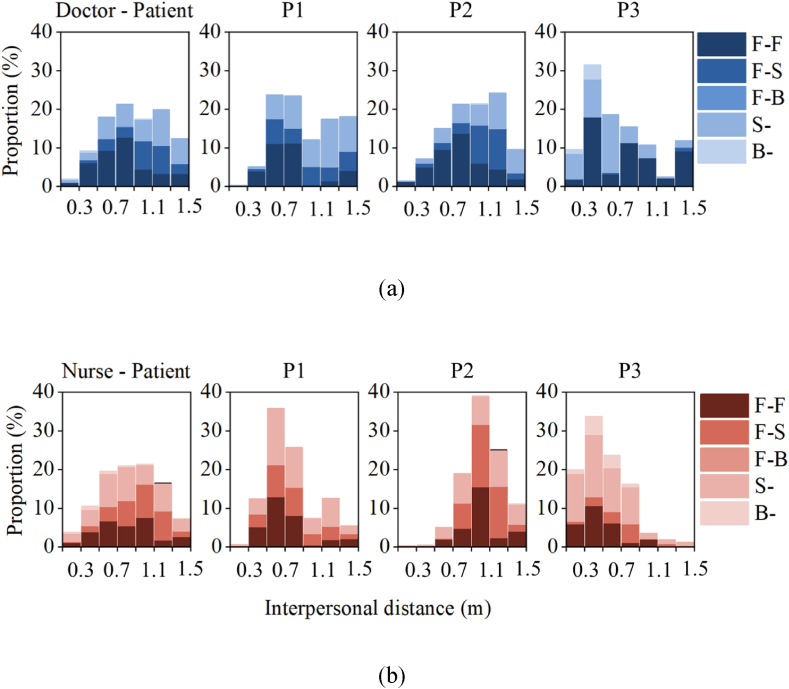 Figure 9
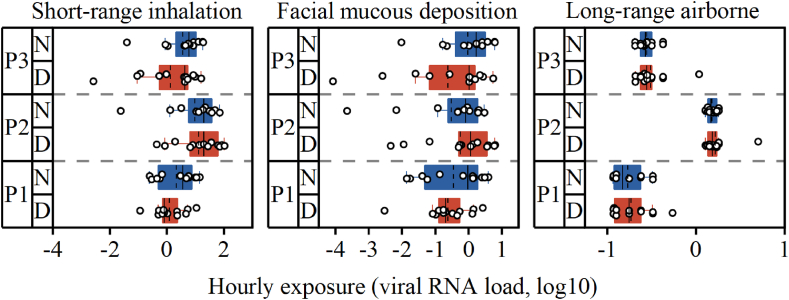 Figure 10
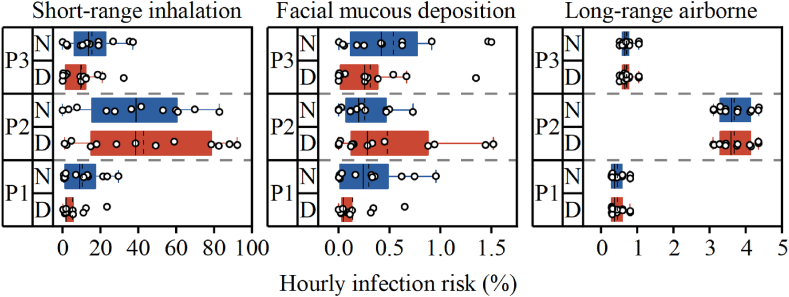 Figure 11
 Figure 12
Peer Reviews
No public reviews on file for this paper yet. If you reviewed it on a platform where reviews are public (OpenReview, ICLR, NeurIPS, ICML), you can paste yours below so the community can read it here.
Videos
No videos yet. Explain this paper in a talk, walkthrough, or lecture? Add one.
Taxonomy
TopicsInfection Control and Ventilation · Evacuation and Crowd Dynamics · COVID-19 epidemiological studies