Shewanella algae Bacteremia and Septic Shock Secondary to Necrotizing Fasciitis: A Case Report
Gerald Tse, Natesha E Angullia

TL;DR
A rare and fatal case of Shewanella algae infection leading to septic shock is reported, emphasizing the role of patient health factors in severe disease.
Contribution
This case report highlights the rare but severe clinical outcome of S. algae infection and the influence of host comorbidities.
Findings
S. algae caused fatal bacteremia and septic shock in a patient with comorbidities.
Host factors like recent bariatric surgery and malnutrition may contribute to rapid disease progression.
Necrotizing fasciitis was identified as the source of the infection.
Abstract
Shewanella algae (S. algae), a marine Gram-negative bacillus, is an emerging opportunistic pathogen capable of causing infections in humans. While mostly associated with mild skin and soft tissue infections, severe invasive infections, such as bacteremia and septic shock, are rare but increasingly reported. We present a case of fatal S. algae bacteremia and septic shock secondary to necrotizing fasciitis in a patient with significant comorbidities, including recent bariatric surgery, rapid weight loss, and possible malnutrition, highlighting the role of host factors in fulminant disease progression.
Genes, proteins, chemicals, diseases, species, mutations and cell lines named across the full text — each resolved to its canonical identifier and authoritative record.
Click any figure to enlarge with its caption.
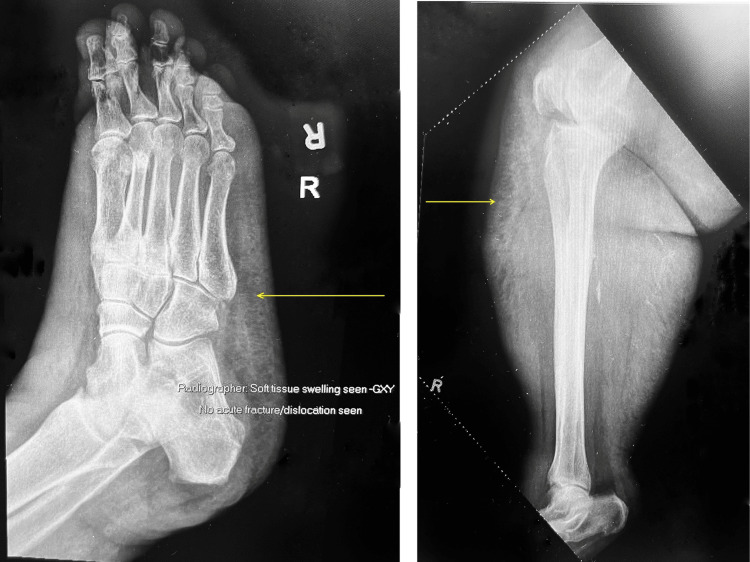 Figure 1
Peer Reviews
No public reviews on file for this paper yet. If you reviewed it on a platform where reviews are public (OpenReview, ICLR, NeurIPS, ICML), you can paste yours below so the community can read it here.
Videos
No videos yet. Explain this paper in a talk, walkthrough, or lecture? Add one.
Taxonomy
TopicsStreptococcal Infections and Treatments · Infections and bacterial resistance · Legionella and Acanthamoeba research