High-Frequency Transcutaneous Electrical Nerve Stimulation in the Management of Pyramidal Tract-Related Spasticity: A Systematic Review
Athanasios K. Chasiotis, Vasileios Giannopapas, Marianna Papadopoulou, Thomas Panagopoulos, Dimitrios Stasinopoulos, Sotirios Giannopoulos, Daphne Bakalidou

TL;DR
This systematic review explores how high-frequency transcutaneous electrical nerve stimulation (HF-TENS) can help manage spasticity caused by pyramidal tract injuries.
Contribution
The paper systematically reviews HF-TENS's effectiveness in managing spasticity related to pyramidal tract lesions, highlighting its potential as a rehabilitation tool.
Findings
HF-TENS reduced spasticity and improved balance in stroke patients with lower limb spasticity.
HF-TENS also decreased spasticity, pain, and resistance to movement in multiple sclerosis and spinal cord injury patients.
Application parameters for HF-TENS need standardization for broader clinical use.
Abstract
It is known that the pyramidal tract is the main pathway that carries signals for voluntary movements. In upper motor neuron lesions, lesions to the pyramidal tract can lead to devastating consequences, one of which is spasticity. Among other rehabilitation techniques, the use of high-frequency transcutaneous electrical nerve stimulation (HF-TENS) could be beneficial in spasticity management. The goal of this systematic review was to summarize previously published information on the use of HF-TENS in the management of pyramidal tract-related spasticity (PTrS). A thorough research of the PubMed, MEDLINE, and Scopus databases was performed. The search identified 340 records. After screening, nine records met the inclusion-exclusion criteria and were assessed. The included studies investigated the effectiveness of HF-TENS on pyramidal tract-related lower limb spasticity. Spasticity was…
Genes, proteins, chemicals, diseases, species, mutations and cell lines named across the full text — each resolved to its canonical identifier and authoritative record.
Click any figure to enlarge with its caption.
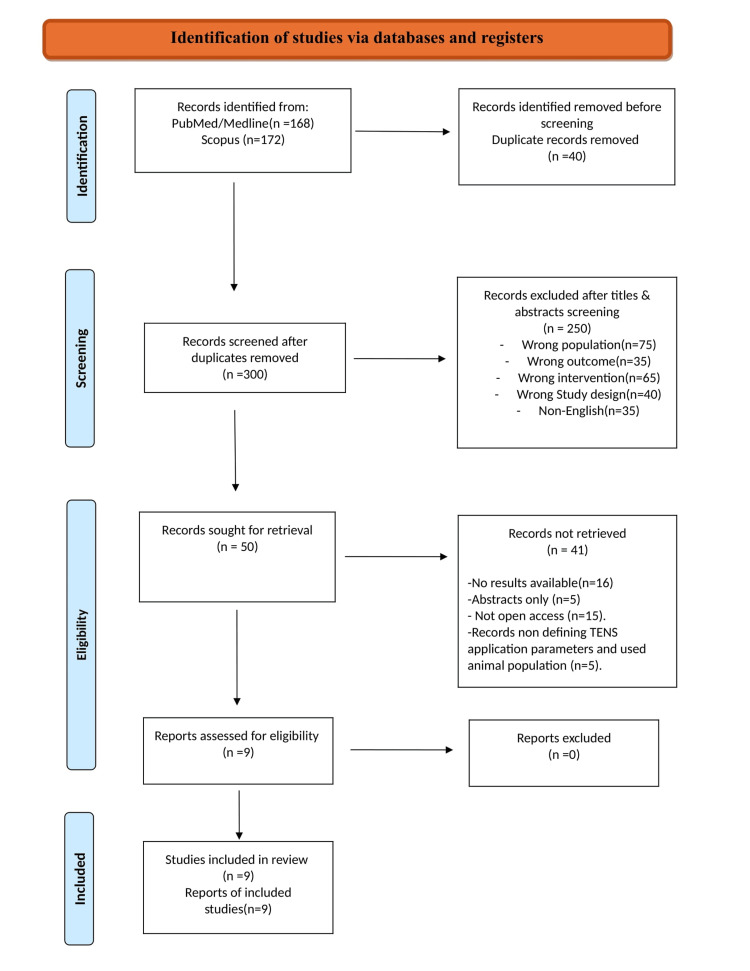 Figure 1
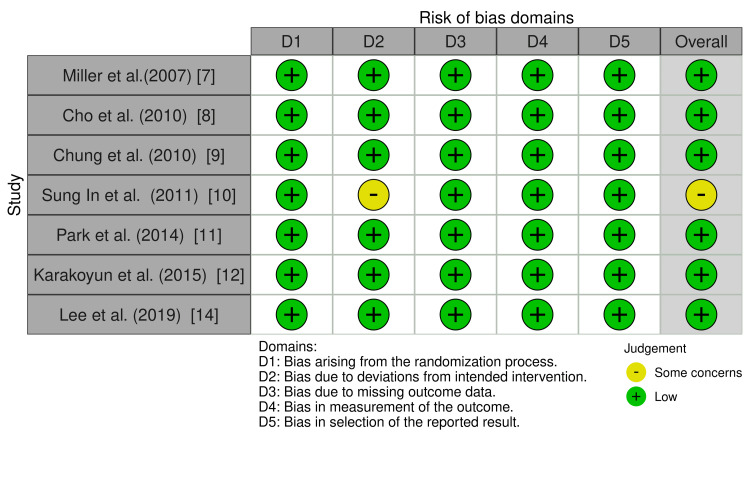 Figure 2
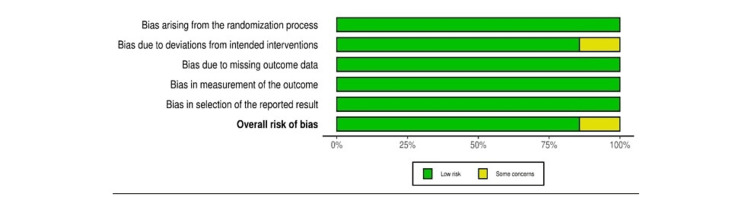 Figure 3
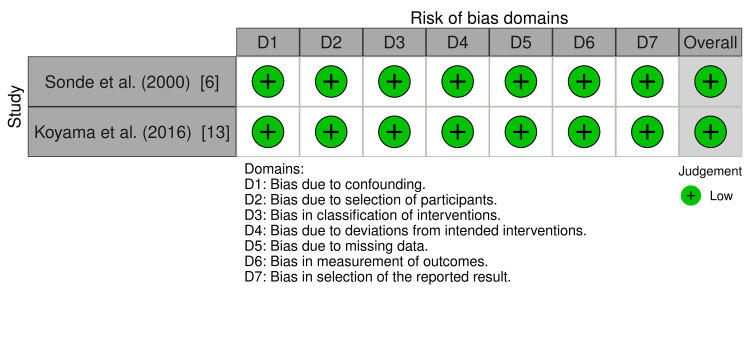 Figure 4
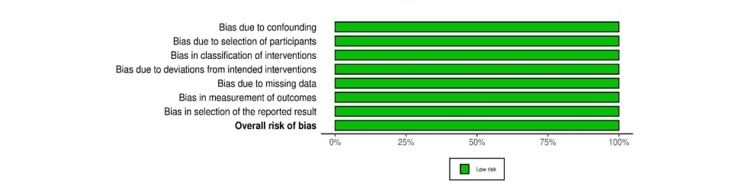 Figure 5
Peer Reviews
No public reviews on file for this paper yet. If you reviewed it on a platform where reviews are public (OpenReview, ICLR, NeurIPS, ICML), you can paste yours below so the community can read it here.
Videos
No videos yet. Explain this paper in a talk, walkthrough, or lecture? Add one.
Taxonomy
TopicsBotulinum Toxin and Related Neurological Disorders · Nerve Injury and Rehabilitation · Cerebral Palsy and Movement Disorders