Unraveling the development of cutaneous neurofibromas in neurofibromatosis type 1
Pernelle Pulh, Fanny Coulpier, Audrey Onfroy, Layna Oubrou, Wanzhen Zhang, Léa Toledano, Elie Abou Zougheib, Laura Fertitta, Pierre Wolkenstein, Piotr Topilko

TL;DR
This study investigates how skin tumors in neurofibromatosis type 1 develop, revealing key cell types and molecular pathways involved in tumor growth and fibrosis.
Contribution
The study identifies non-myelinating Schwann cells as the likely origin of cutaneous neurofibromas and highlights periostin and tenascin C as potential therapeutic targets.
Findings
Mutant Schwann cells accumulate in the skin before tumor onset but remain quiescent until skin trauma triggers proliferation.
Non-myelinating Aquaporin1highNestinlow Schwann cells are identified as the likely cells of origin for cutaneous neurofibromas.
Tumor cells and fibroblasts overexpress collagen-related genes and extracellular matrix components like periostin and tenascin C.
Abstract
Neurofibromatosis type 1 (NF1) is a genetic disorder that leads to the formation of cutaneous neurofibromas (cNFs), benign nerve sheath tumors that develop in the skin and significantly impact the quality of life of patients. cNF development begins with bi-allelic NF1 loss in the Schwann cell (SC) lineage, followed by the recruitment of a complex tumor microenvironment consisting of fibroblasts, immune cells, blood vessels, axons, and a dense extracellular matrix. Despite its high prevalence and clinical impact, the molecular mechanisms underlying cNF formation remain poorly understood. Here, we used an Nf1 knockout (Nf1-KO) mouse model combined with immunohistochemistry and single cell transcriptomics in order to investigate the mechanisms driving cNF development. Our results showed that mutant SCs accumulate in the skin of young mice weeks prior to the onset of cNF. However, these…
Genes, proteins, chemicals, diseases, species, mutations and cell lines named across the full text — each resolved to its canonical identifier and authoritative record.
Click any figure to enlarge with its caption.
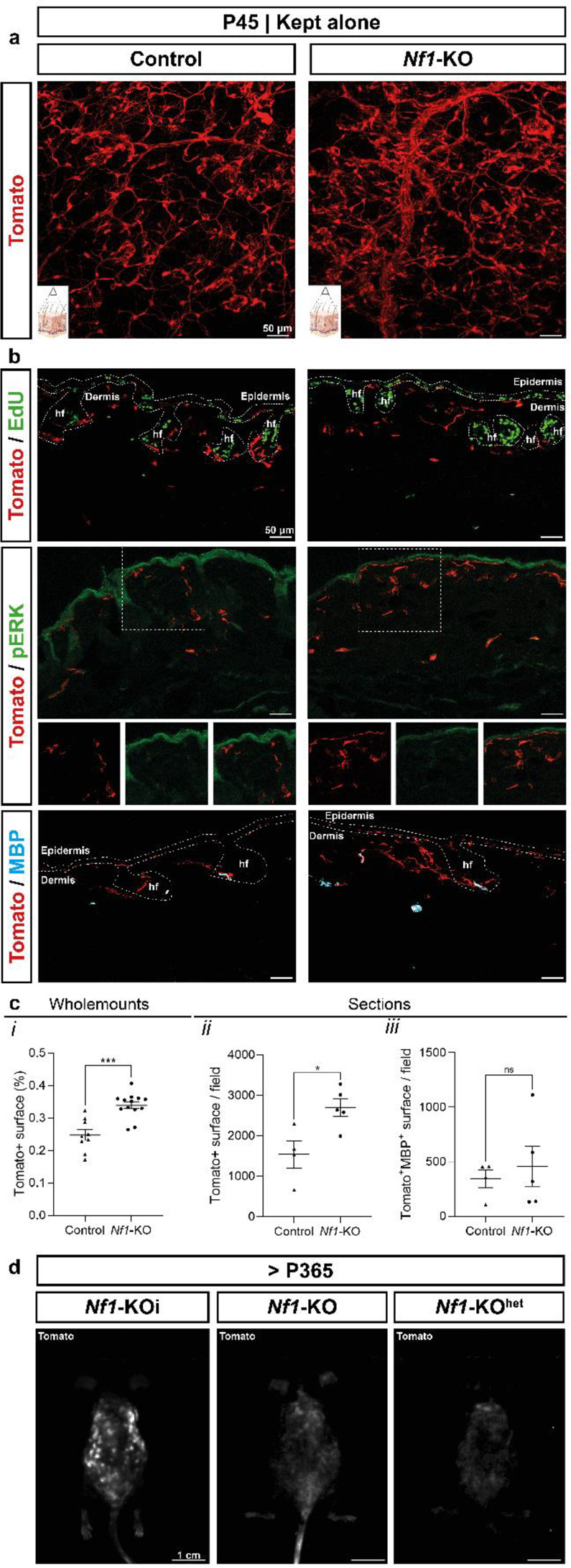 Figure 1
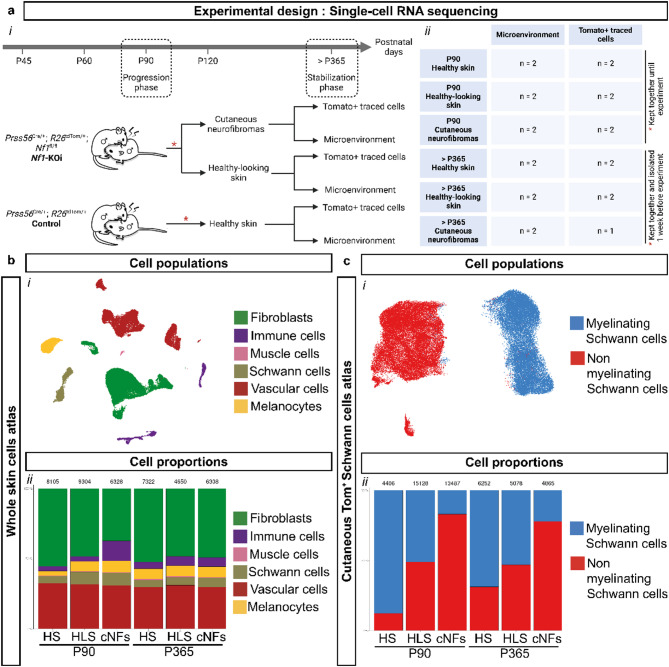 Figure 2
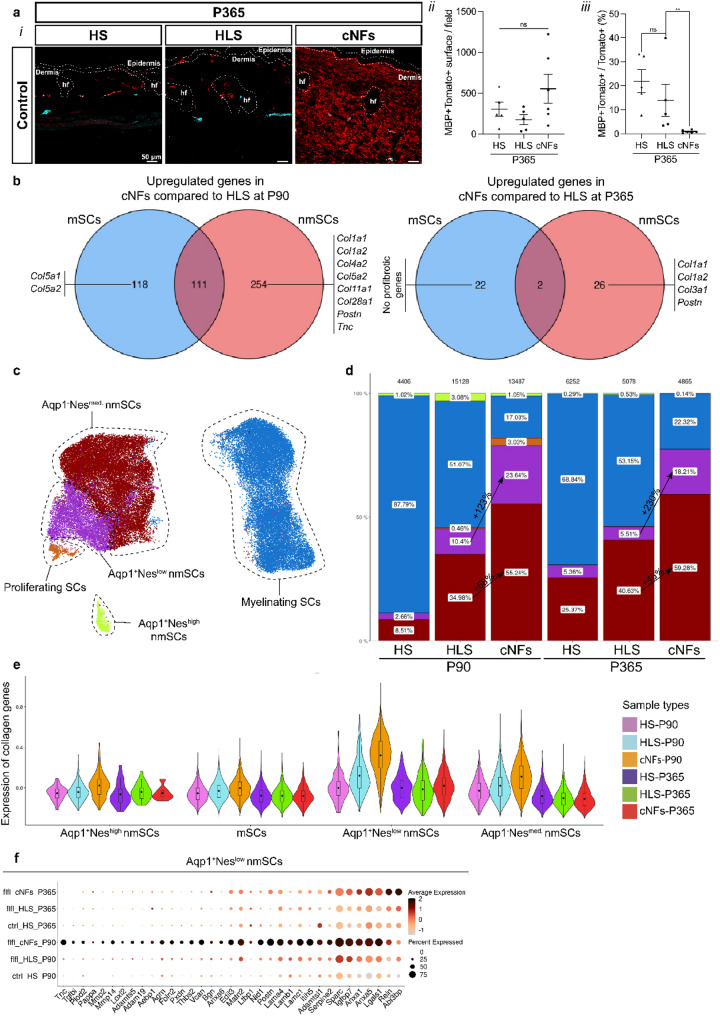 Figure 3
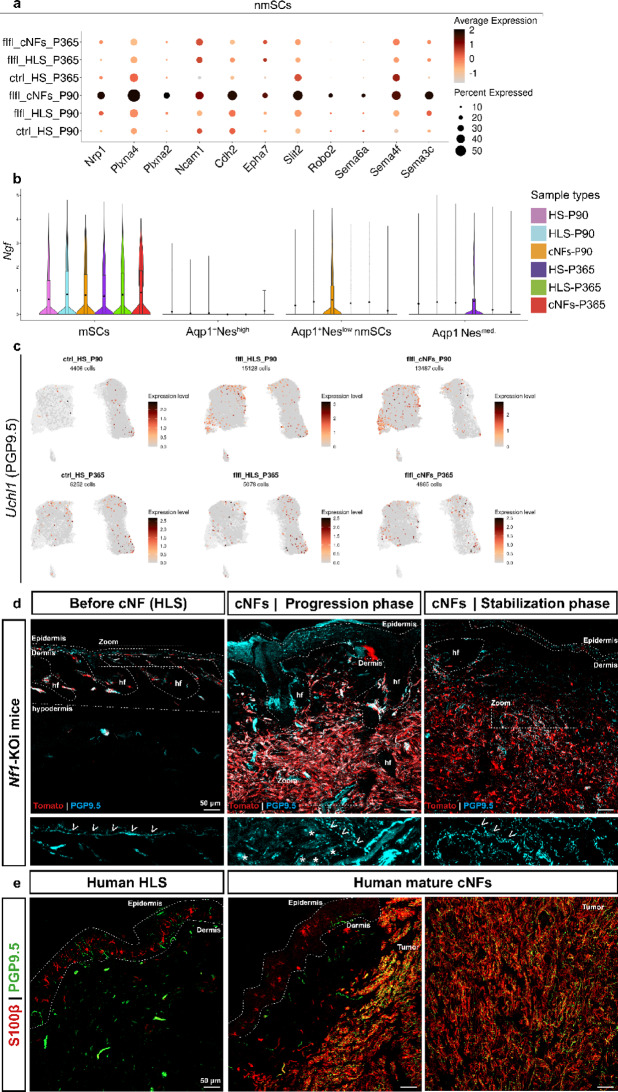 Figure 4
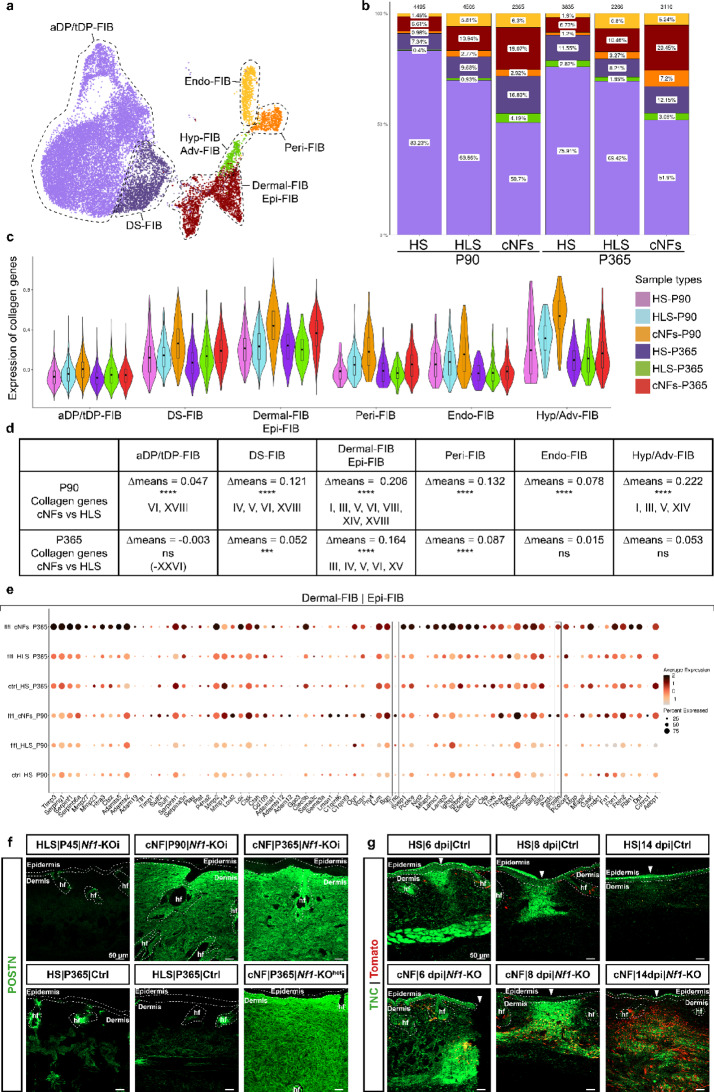 Figure 5
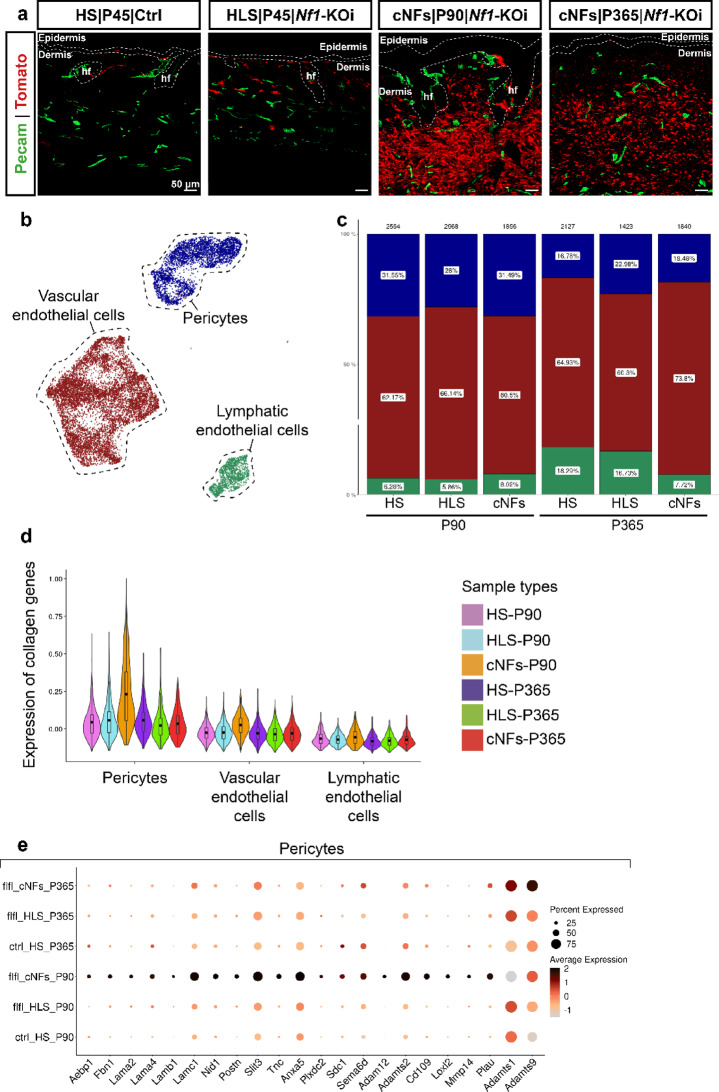 Figure 6
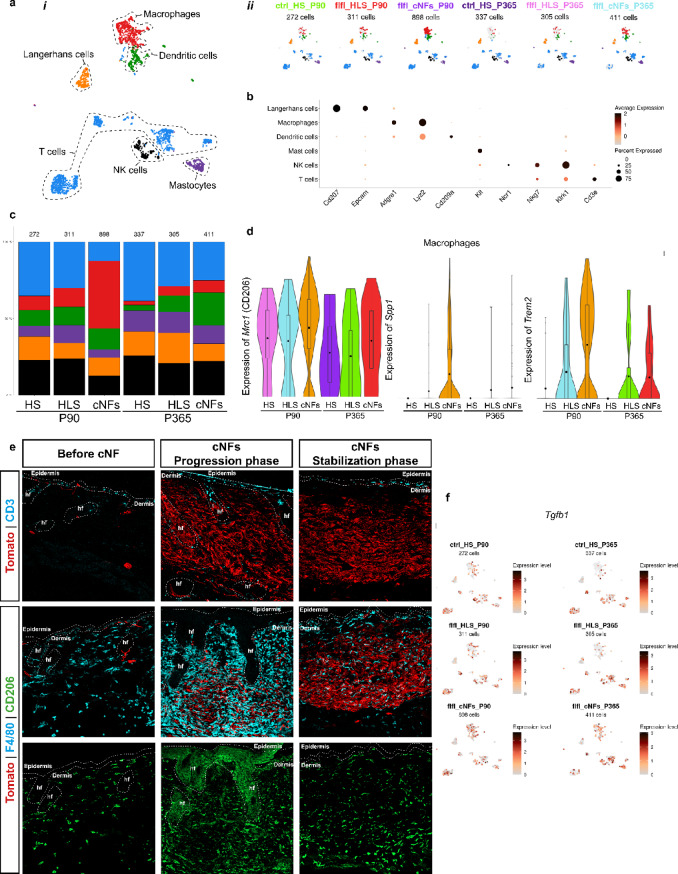 Figure 7
Peer Reviews
No public reviews on file for this paper yet. If you reviewed it on a platform where reviews are public (OpenReview, ICLR, NeurIPS, ICML), you can paste yours below so the community can read it here.
Videos
No videos yet. Explain this paper in a talk, walkthrough, or lecture? Add one.
Taxonomy
TopicsNeurofibromatosis and Schwannoma Cases · Sarcoma Diagnosis and Treatment · Cellular Mechanics and Interactions