Development of a novel anti-human glypican 5 monoclonal antibody (G5Mab-1) for multiple applications
Yu Kaneko, Tomohiro Tanaka, Shiori Fujisawa, Guanjie Li, Hiroyuki Satofuka, Mika K. Kaneko, Hiroyuki Suzuki, Yukinari Kato

TL;DR
A new monoclonal antibody targeting glypican 5 was developed for research and potential cancer diagnosis and therapy.
Contribution
Development of a novel anti-GPC5 monoclonal antibody with high specificity and multiple applications.
Findings
G5Mab-1 specifically binds to GPC5 without cross-reacting with other glypicans.
The antibody is effective for flow cytometry, western blotting, and immunohistochemistry.
G5Mab-1 has potential for clinical use in cancer diagnosis and therapy.
Abstract
Glypican 5 (GPC5) is a member of heparan sulfate proteoglycans and is anchored to the plasma membrane via glycosylphosphatidylinositol. GPC5 plays an essential role in kidney, limb, and brain development. Furthermore, GPC5 is expressed in some cancers, but whether it functions as a cancer-promoting or -suppressing factor remains unclear. Therefore, the development of versatile and specific anti-GPC5 monoclonal antibodies (mAbs) is desired to clarify the biological and pathological functions of GPC5. In this study, we successfully established an anti-human GPC5 mAb (clone G5Mab-1) using the Cell-Based Immunization and Screening method. G5Mab-1 is capable of using flow cytometric analysis. G5Mab-1 is specifically bound only to GPC5, not to the other GPC family members. The dissociation constant value of G5Mab-1 for GPC5-overexpressed Chinese hamster ovary K-1 (CHO/GPC5) cells was…
Genes, proteins, chemicals, diseases, species, mutations and cell lines named across the full text — each resolved to its canonical identifier and authoritative record.
Click any figure to enlarge with its caption.
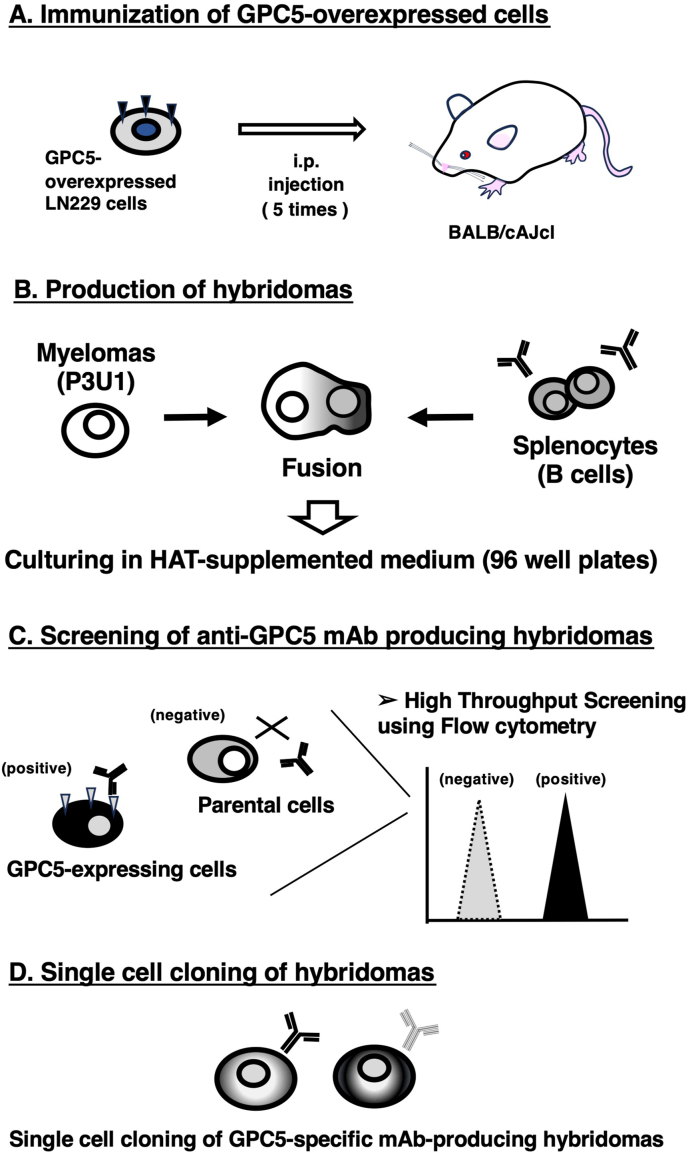 Figure 1
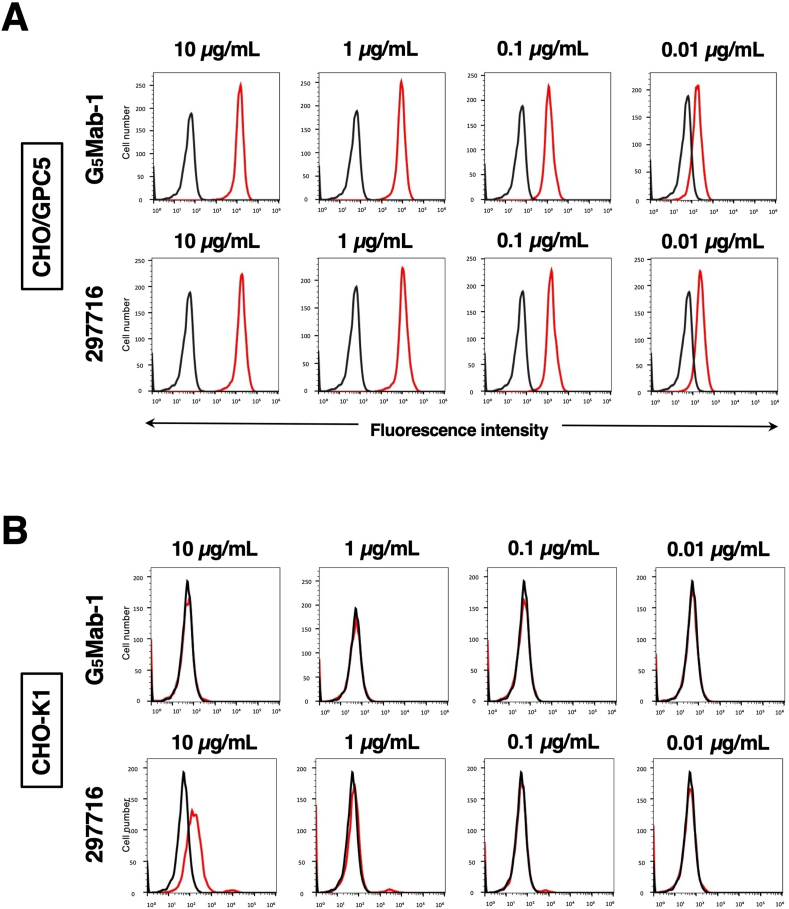 Figure 2
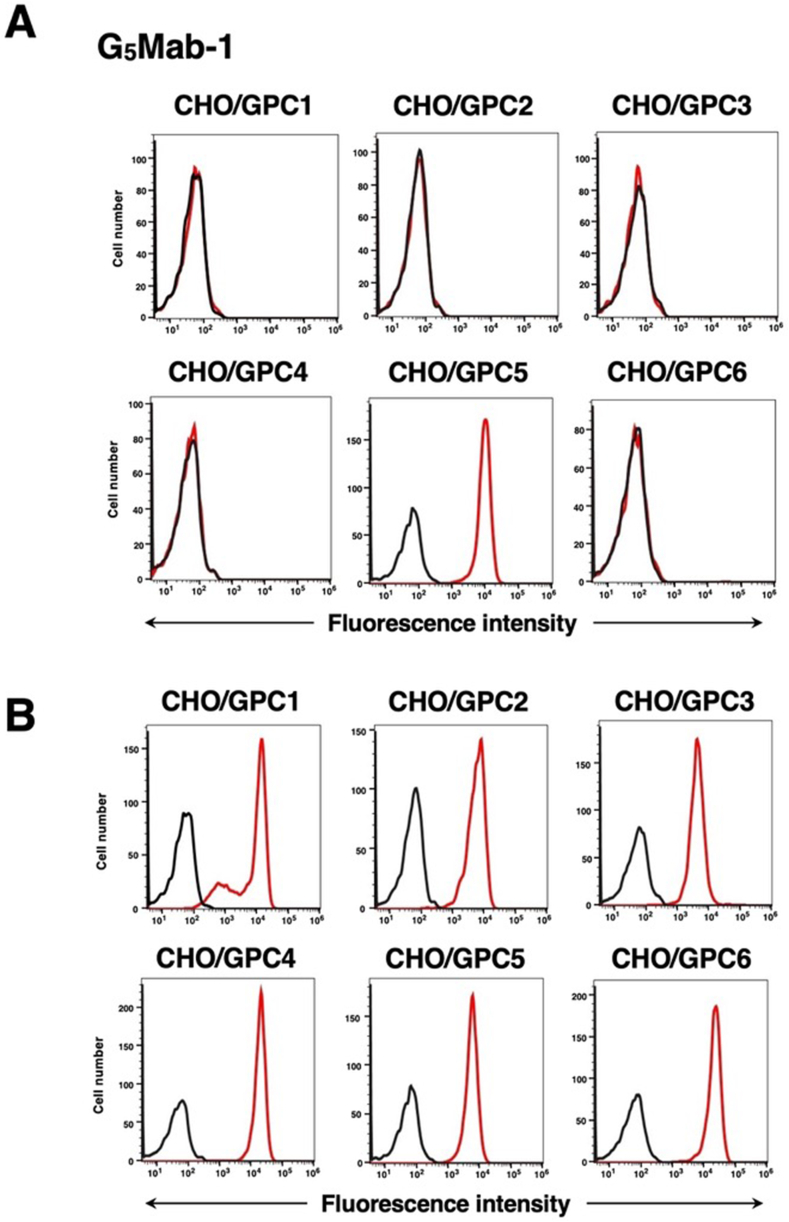 Figure 3
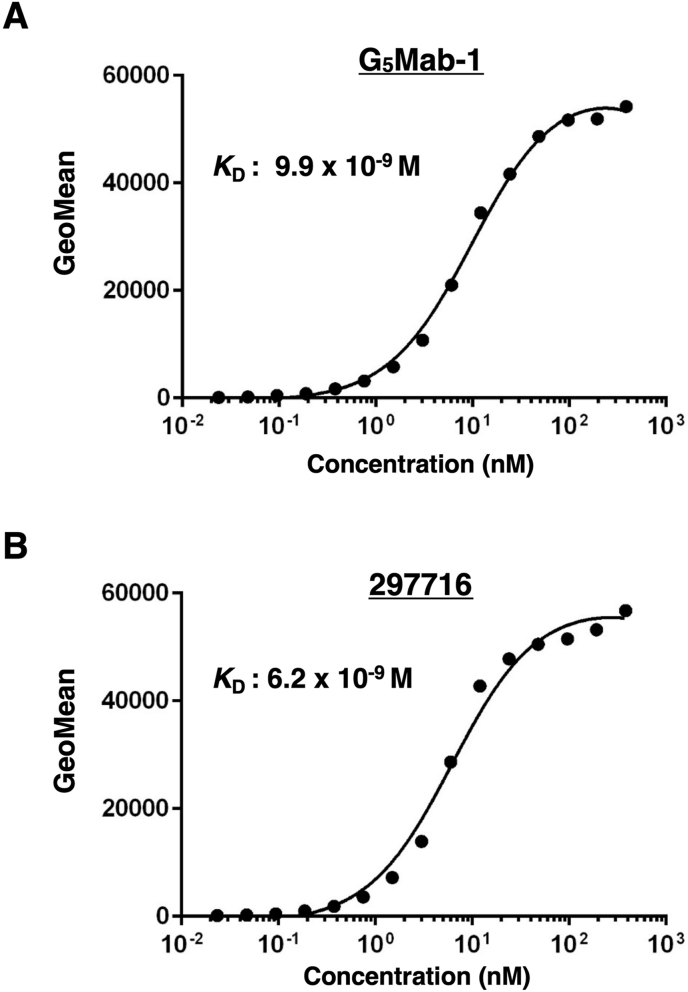 Figure 4
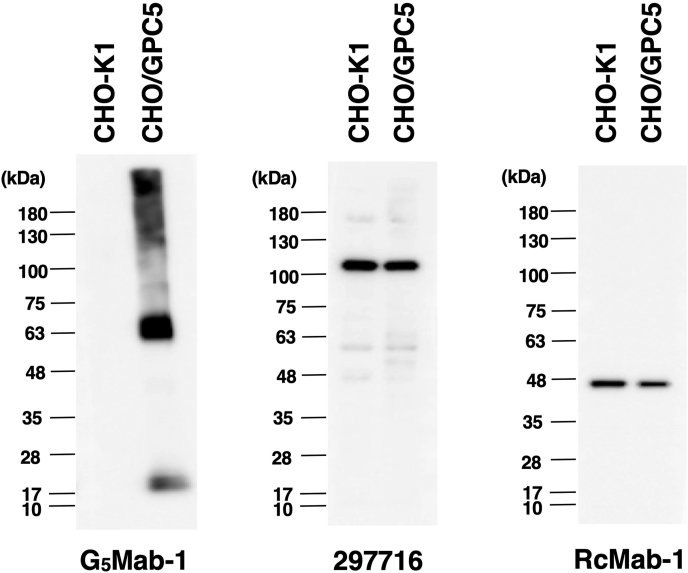 Figure 5
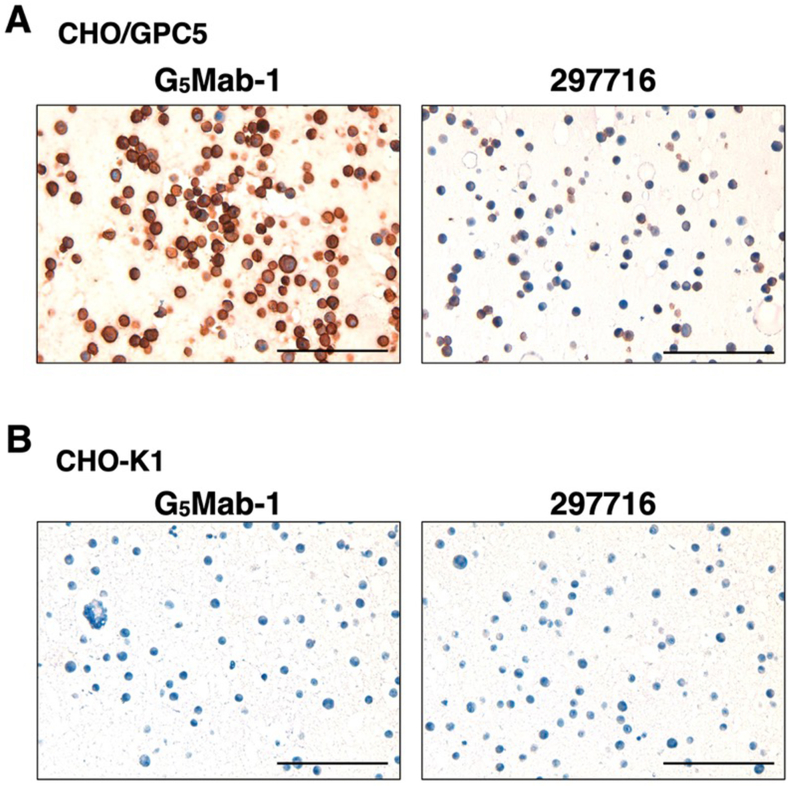 Figure 6
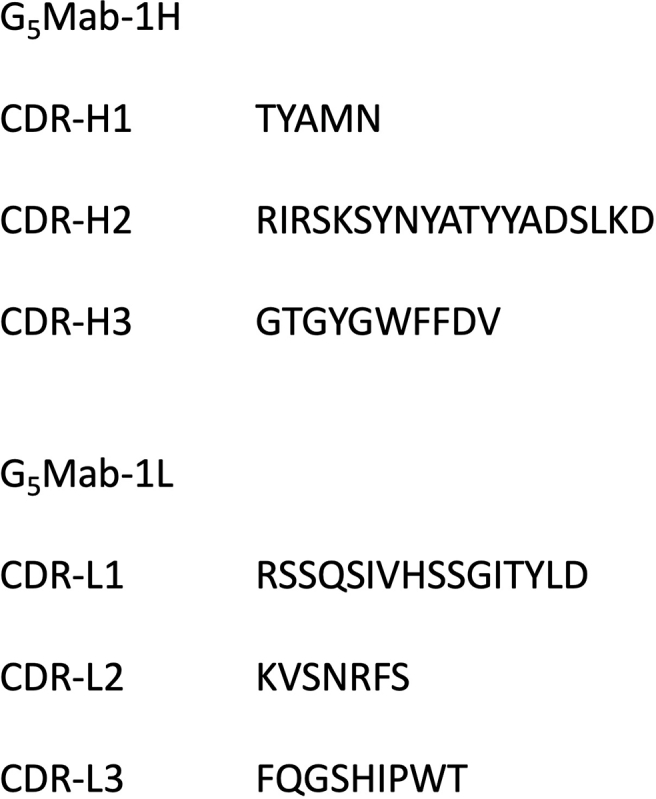 Figure 7
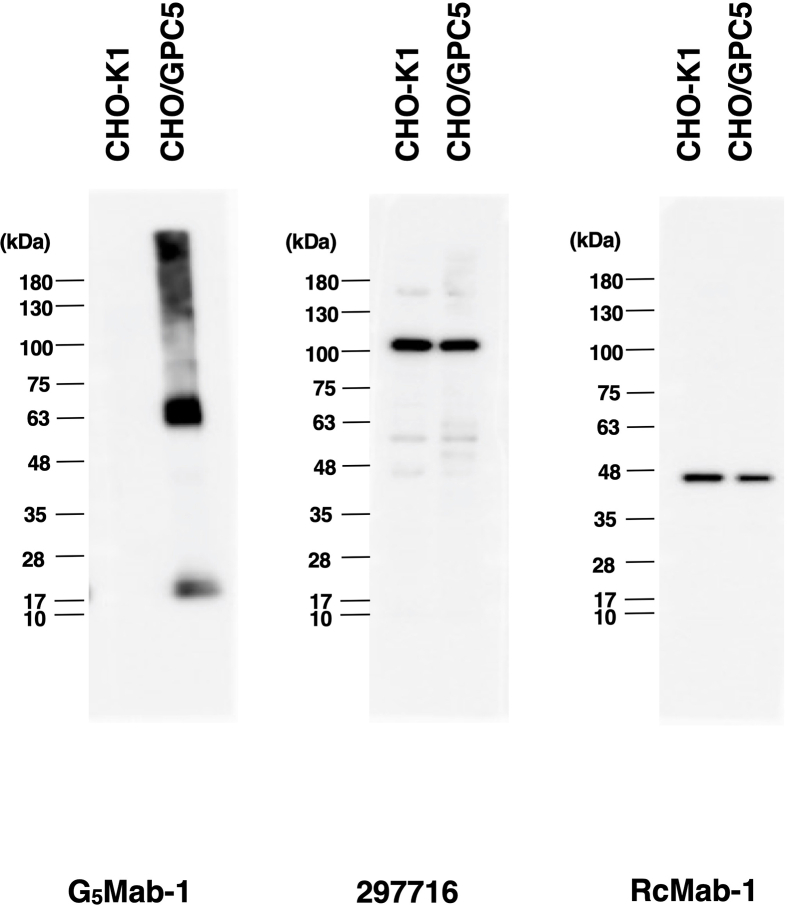 Figure 8
Peer Reviews
No public reviews on file for this paper yet. If you reviewed it on a platform where reviews are public (OpenReview, ICLR, NeurIPS, ICML), you can paste yours below so the community can read it here.
Videos
No videos yet. Explain this paper in a talk, walkthrough, or lecture? Add one.
Taxonomy
TopicsProteoglycans and glycosaminoglycans research · Glycosylation and Glycoproteins Research · Cell Adhesion Molecules Research