Crosstalk between iron and flavins in the opportunistic fungal pathogen Candida albicans
Marika S. David, Zhengkai Zhu, Maranda R. McDonald, Mohsen Badiee, I. Phillip Mortimer, Anthony K.L. Leung, Valeria C. Culotta

TL;DR
This study explores how the fungus Candida albicans uses riboflavin to help acquire iron during iron-starvation, which may help it survive in the host.
Contribution
The study identifies riboflavin as the sole flavin secreted by Candida albicans under iron starvation and shows it enhances iron uptake.
Findings
Candida albicans secretes riboflavin during iron starvation.
Riboflavin enhances fungal iron uptake from animal serum.
The transcription factor Sef1 regulates riboflavin biosynthesis and export under iron starvation.
Abstract
As part of the innate immune response, the host withholds metal micronutrients such as iron (Fe) from invading pathogens. To survive such Fe-limitation, the opportunistic fungal pathogen Candida albicans has evolved elaborate responses to Fe-starvation stress. One such adaptation involves the secretion of flavins, yellow isoalloxazine compounds that serve important redox roles in biology. Why the organism secretes flavins during Fe-starvation is not known. Moreover, the exact flavin secreted by the fungus or the effects of Fe-starvation on intracellular flavin pools have not been documented. Major cellular flavins include riboflavin (vitamin B2) and the downstream metabolites and enzyme cofactors FAD and FMN. Of these, our HPLC and mass spectrometry analyses identify riboflavin as the sole flavin secreted by Fe-starved C. albicans. Fe also regulates intracellular pools of flavins. While…
Genes, proteins, chemicals, diseases, species, mutations and cell lines named across the full text — each resolved to its canonical identifier and authoritative record.
Click any figure to enlarge with its caption.
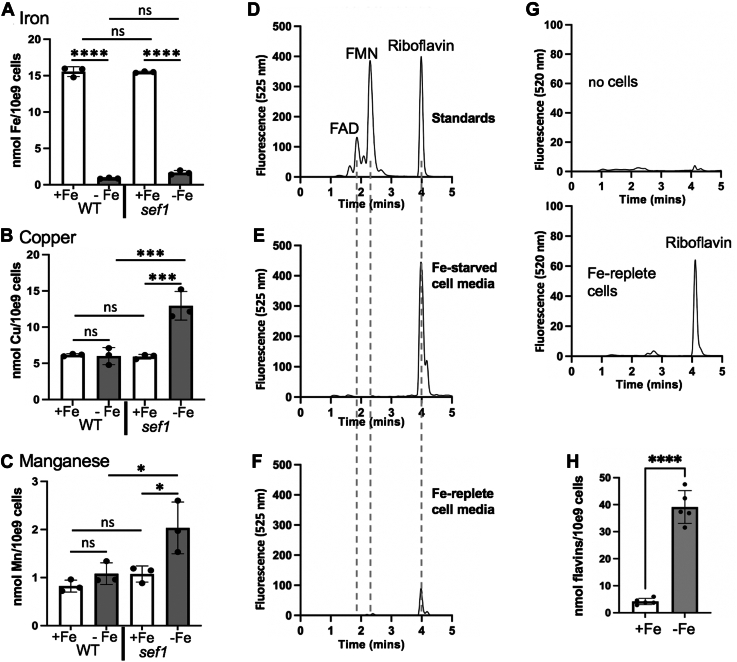 Figure 1
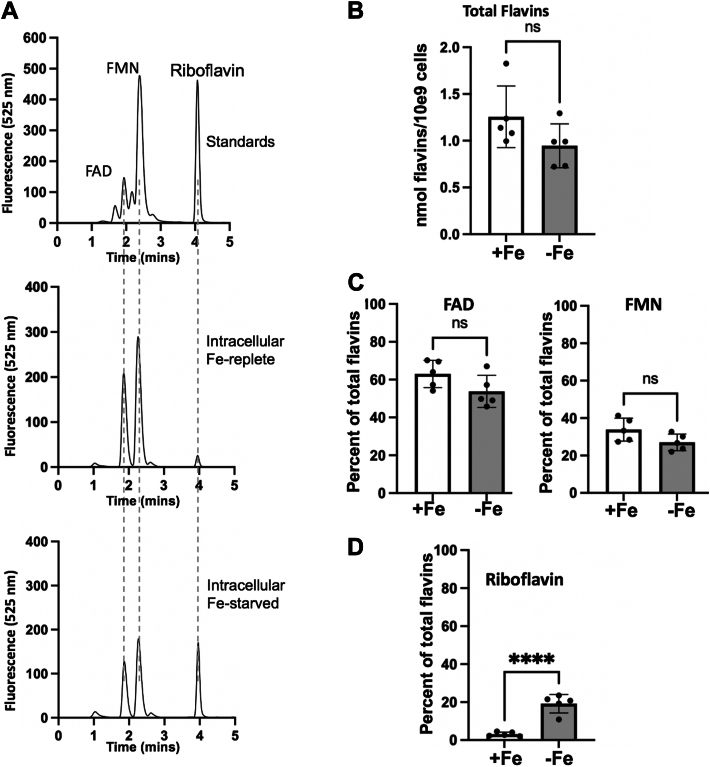 Figure 2
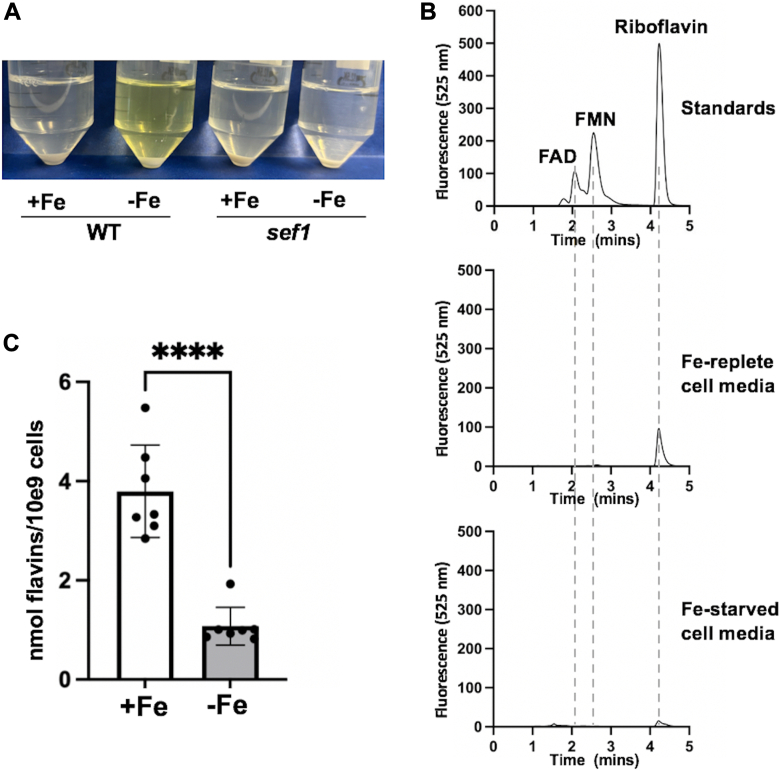 Figure 3
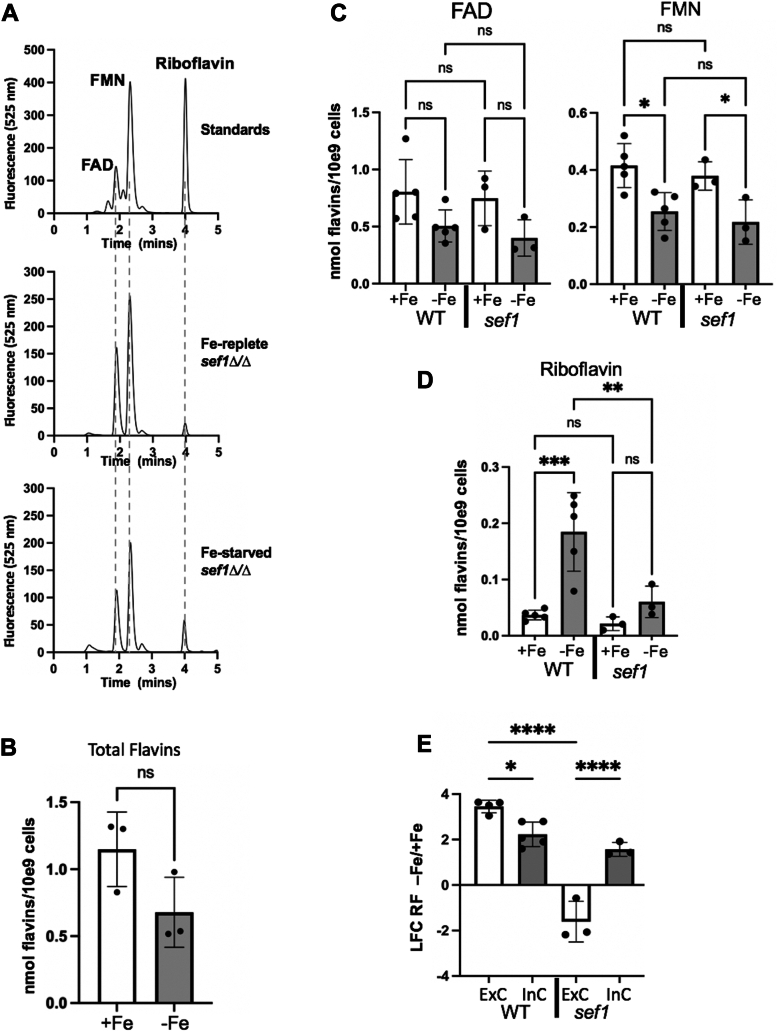 Figure 4
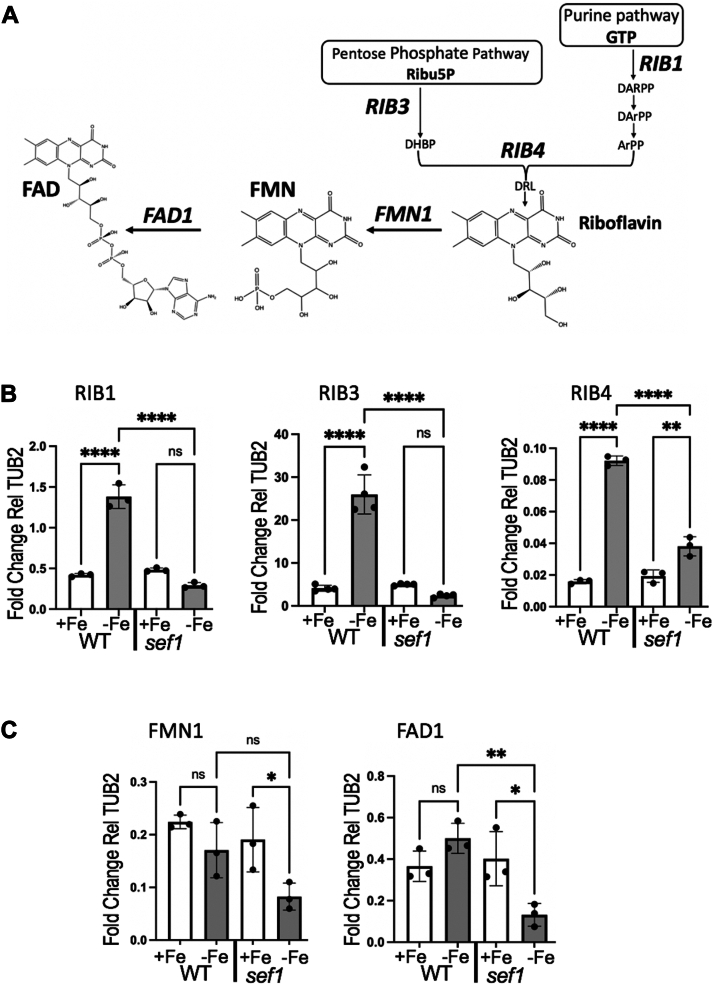 Figure 5
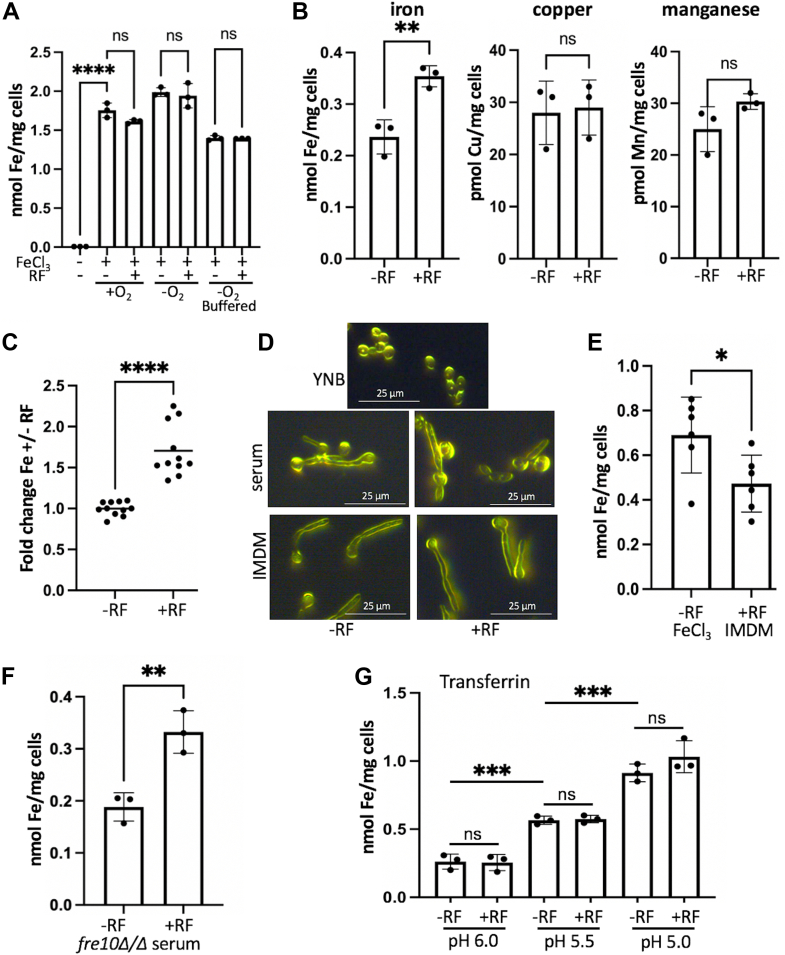 Figure 6
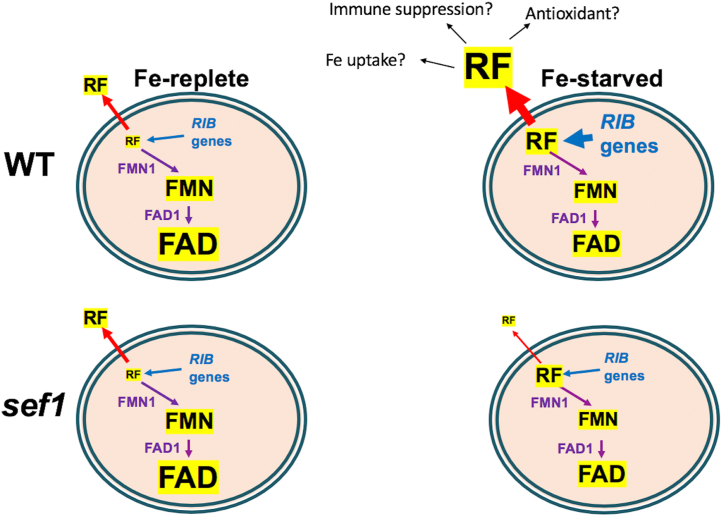 Figure 7
Peer Reviews
No public reviews on file for this paper yet. If you reviewed it on a platform where reviews are public (OpenReview, ICLR, NeurIPS, ICML), you can paste yours below so the community can read it here.
Videos
No videos yet. Explain this paper in a talk, walkthrough, or lecture? Add one.
Taxonomy
TopicsAntifungal resistance and susceptibility · Enterobacteriaceae and Cronobacter Research · Legionella and Acanthamoeba research