Persistent D-dimer Elevation in a Yolk Sac Germ Cell Tumor Without Thrombosis: A Potential Surrogate Marker of Tumor Necrosis
Kasun Maduranga, C. M. D Selvarajah, Dilip C Madanayake, Sumudu Palihawadana, Eshantha Perera

TL;DR
A patient with a yolk sac tumor had high D-dimer levels without blood clots, suggesting it might indicate tumor necrosis or activity.
Contribution
This case suggests D-dimer elevation could be a novel marker for tumor necrosis or vascular changes in germ cell tumors.
Findings
A patient with a yolk sac tumor had persistently high D-dimer levels despite no evidence of thrombosis.
D-dimer levels remained elevated after surgery, indicating possible tumor-related vascular changes.
Persistent D-dimer elevation may help avoid unnecessary anticoagulation and monitor tumor activity.
Abstract
D-dimer is a widely used biomarker for thromboembolic events, but its role in oncology beyond clot detection remains underexplored. While transient elevation is common in cancer patients, persistent elevation without evidence of thrombosis is less well understood, particularly in germ cell tumors. We report the case of a 32-year-old male patient with a large anterior mediastinal yolk sac tumor who developed persistently elevated D-dimer levels despite multiple negative investigations for thrombosis, including CT pulmonary angiogram, ventilation-perfusion scan, and Doppler ultrasonography. Following debulking surgery, the patient showed clinical improvement and normalization of tumor markers, but D-dimer levels remained elevated at 2.4-2.5 mg/L. This case raises the possibility that persistent D-dimer elevation may reflect tumor necrosis or ongoing vascular remodeling rather than…
Genes, proteins, chemicals, diseases, species, mutations and cell lines named across the full text — each resolved to its canonical identifier and authoritative record.
Click any figure to enlarge with its caption.
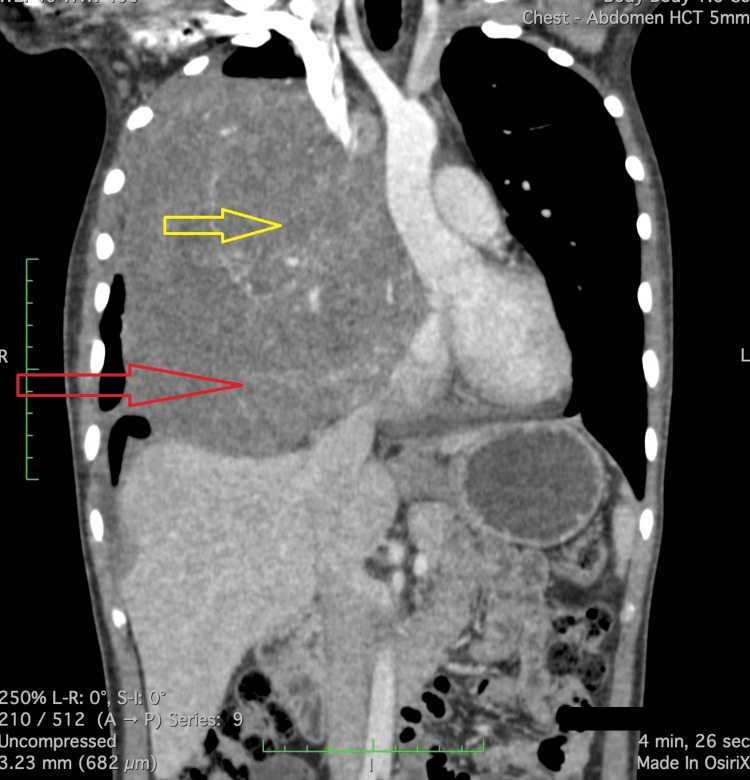 Figure 1
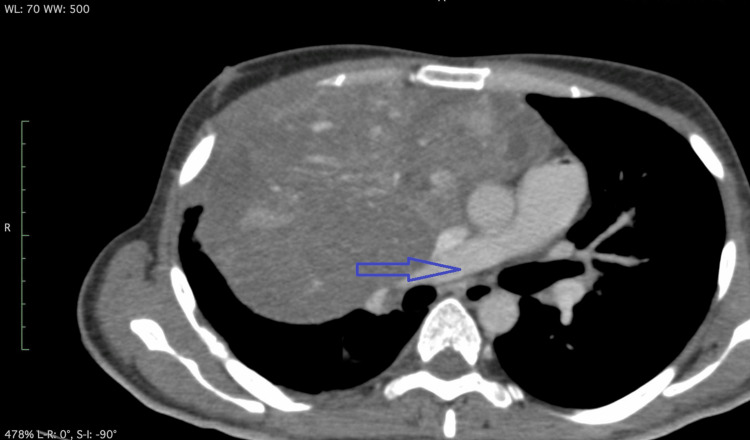 Figure 2
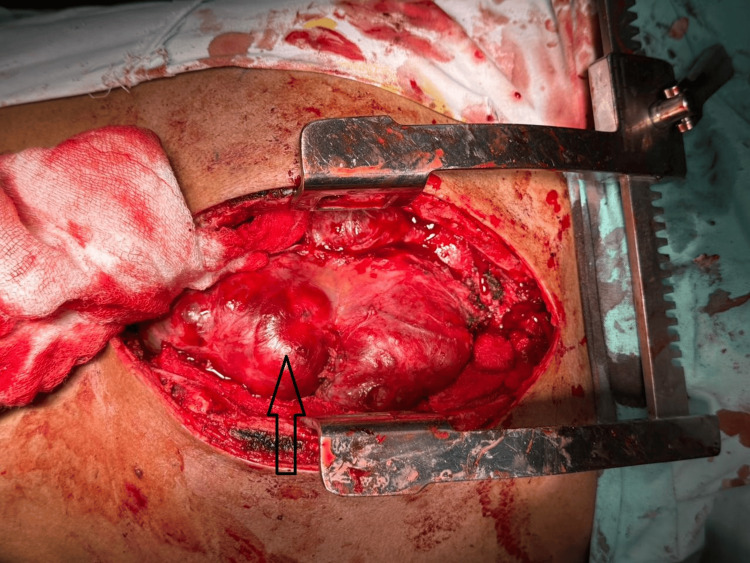 Figure 3
Peer Reviews
No public reviews on file for this paper yet. If you reviewed it on a platform where reviews are public (OpenReview, ICLR, NeurIPS, ICML), you can paste yours below so the community can read it here.
Videos
No videos yet. Explain this paper in a talk, walkthrough, or lecture? Add one.
Taxonomy
TopicsTesticular diseases and treatments · Musculoskeletal synovial abnormalities and treatments · Genital Health and Disease