Relevance of Prescribing Serum Immunofixation Electrophoresis in the Diagnosis of Monoclonal Gammopathies
Hajar Fadili, Hamza Ouazzani, Ikrame Rhaleb, Ines Bendi, Malak Snoussi, Abdelhamid Zrara, Youssef Bamou, Jalila El Bakkouri

TL;DR
This study shows that immunofixation electrophoresis is more effective than serum protein electrophoresis for diagnosing monoclonal gammopathies and highlights the need for better test prioritization.
Contribution
The study evaluates the diagnostic yield of immunofixation electrophoresis compared to serum protein electrophoresis in monoclonal gammopathy diagnosis and assesses prescription practices.
Findings
Immunofixation electrophoresis detected monoclonal bands in all 79 patients with monoclonal gammopathies.
Serum protein electrophoresis identified monoclonal peaks in only 69.6% of cases.
Combined use of immunofixation electrophoresis and serum free light chain assays is the reference method for diagnosis.
Abstract
Introduction Immunofixation electrophoresis (IFE) is an immunoprecipitation technique that combines the electrophoretic separation of serum proteins with the identification of immunoglobulin heavy chains (IgG, IgA, IgM) and light chains (κ or λ) using targeted antisera. It is typically used as a complement to serum protein electrophoresis (SPE) when abnormal profiles, such as a monoclonal peak, are detected. IFE is a reference method for confirmation and phenotyping in the diagnosis of monoclonal gammopathies (MGs). This study aims to evaluate the diagnostic yield of IFE compared to SPE in patients with suspected MGs. It also seeks to assess whether current prescription practices for IFE, when used as a complement to SPE, align with clinical guidelines to minimize unnecessary testing. Materials and methods This retrospective study was conducted at the laboratory of Hôpital…
Genes, proteins, chemicals, diseases, species, mutations and cell lines named across the full text — each resolved to its canonical identifier and authoritative record.
Click any figure to enlarge with its caption.
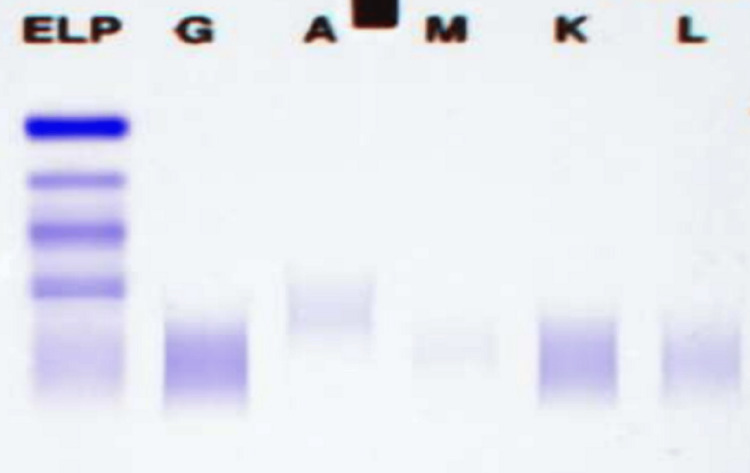 Figure 1
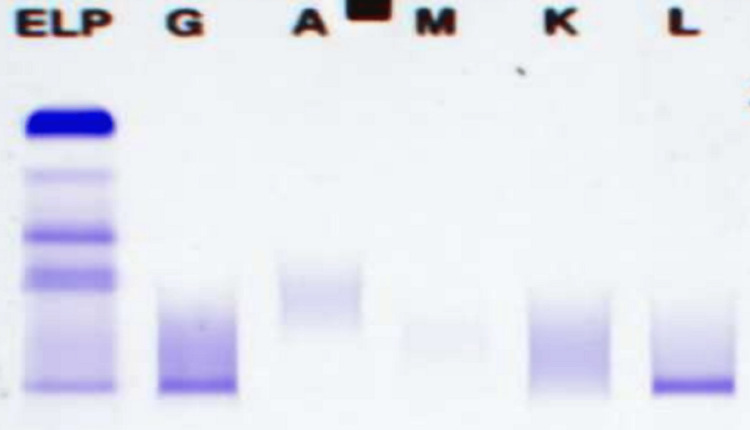 Figure 2
Peer Reviews
No public reviews on file for this paper yet. If you reviewed it on a platform where reviews are public (OpenReview, ICLR, NeurIPS, ICML), you can paste yours below so the community can read it here.
Videos
No videos yet. Explain this paper in a talk, walkthrough, or lecture? Add one.
Taxonomy
TopicsMultiple Myeloma Research and Treatments · Monoclonal and Polyclonal Antibodies Research · Proteoglycans and glycosaminoglycans research