Brucella orchitis: A case report on a rare cause of scrotal abscess leading to orchiectomy
Behnam Dejman, Fereshteh Rahdan, Majid Dezhman, Dariush Rahdan, Ahmad Movahedpour, Fatemeh Salahpour-Anarjan

TL;DR
A 65-year-old cattle farmer in Iran developed a rare testicular infection from Brucella, requiring surgery after antibiotics failed to fully treat it.
Contribution
This case report highlights Brucella orchitis as a rare but important cause of scrotal abscess requiring orchiectomy.
Findings
Brucellosis can lead to testicular abscesses even after systemic antibiotic treatment.
Orchiectomy was necessary due to extensive necrosis in the testicle.
Post-surgical antibiotic therapy prevented recurrence in the patient.
Abstract
Brucellosis, a zoonotic infection common in Iran, rarely causes genitourinary complications such as orchitis. We report a 65-year-old Persian cattle farmer with brucellosis who developed a testicular abscess despite antibiotic therapy. Initial treatment with rifampin and doxycycline resolved systemic symptoms, but scrotal pain prompted ultrasound, revealing a right testicular abscess. Orchiectomy was performed due to extensive necrosis, with histopathology confirming necrotizing brucellar orchitis. Post-surgical levofloxacin and clindamycin prevented recurrence at six months. This case highlights the need to consider Brucella orchitis in endemic regions when scrotal pathology persists, as advanced cases may require surgical intervention.
Genes, proteins, chemicals, diseases, species, mutations and cell lines named across the full text — each resolved to its canonical identifier and authoritative record.
Click any figure to enlarge with its caption.
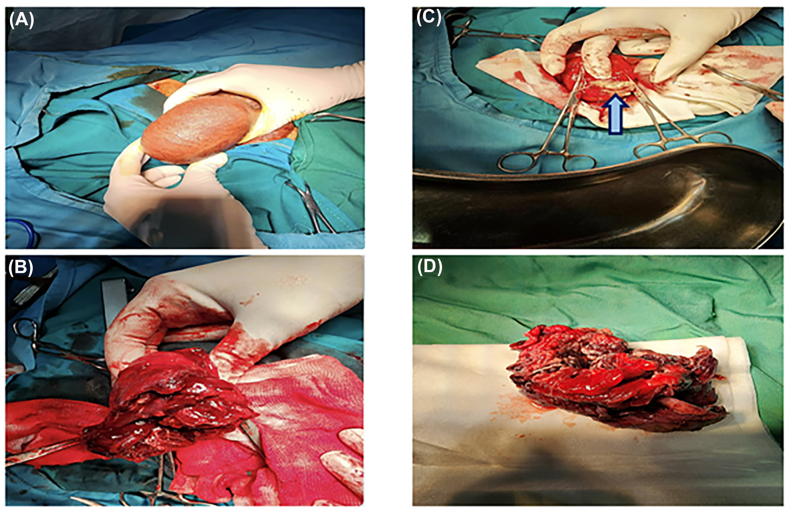 Figure 1
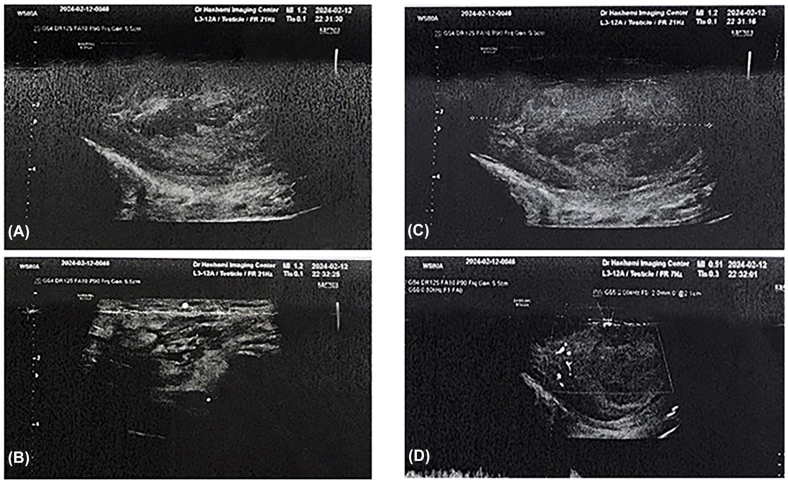 Figure 2
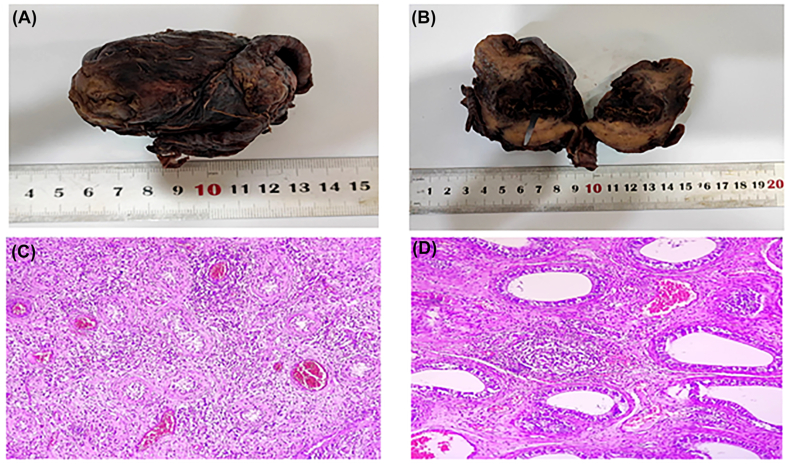 Figure 3
Peer Reviews
No public reviews on file for this paper yet. If you reviewed it on a platform where reviews are public (OpenReview, ICLR, NeurIPS, ICML), you can paste yours below so the community can read it here.
Videos
No videos yet. Explain this paper in a talk, walkthrough, or lecture? Add one.
Taxonomy
TopicsBrucella: diagnosis, epidemiology, treatment · Dermatological and COVID-19 studies · Celiac Disease Research and Management