Daqinjiao Decoction Ameliorates CSVD via RXR‐γ/PPAR‐γ/VEGF‐α Pathway: Insights From Transcriptome Sequencing and Network Pharmacology
Mengna Lv, Xiaolu Yang, Xiaolu Shi, Shengxuan Cao, Wenjie Li, Mingmei Zhou, Xiaojun Gou, Ying Huang

TL;DR
This study shows that Daqinjiao Decoction helps treat cerebral small vessel disease by reducing inflammation and protecting brain tissue through a specific molecular pathway.
Contribution
The study reveals a novel molecular mechanism involving the RXR-γ/PPAR-γ/VEGF-α pathway for the therapeutic effects of Daqinjiao Decoction on CSVD.
Findings
DQJD reduced inflammation and pathological damage in the hippocampus and cortex of CCH rats.
Transcriptome analysis identified 46 differentially expressed genes affected by DQJD treatment.
Activation of the RXR-γ/PPAR-γ/VEGF-α pathway was confirmed as a key mechanism for DQJD's effects.
Abstract
Daqinjiao decoction (DQJD), an ancient traditional Chinese medicine formula, is clinically used in the treatment of cerebral small vessel disease (CSVD). However, the underlying molecular mechanisms by which DQJD exerts its therapeutic effects on CSVD remain elusive. A Sprague Dawley rat model of chronic cerebral hypoperfusion (CCH) was established using bilateral common carotid artery occlusion (BCCAO) surgery. The effects of DQJD administered via intragastric gavage (i.g.) were evaluated by magnetic resonance imaging (MRI), haematoxylin eosin (HE) staining, and transmission electron microscopy. A combined strategy of transcriptomics and network pharmacology was innovatively applied to study the active ingredients, gene targets, and mechanisms of DQJD in treating CSVD. Molecular docking, real‐time quantitative polymerase chain reaction (RT‐qPCR), and Western blot analysis were applied…
Genes, proteins, chemicals, diseases, species, mutations and cell lines named across the full text — each resolved to its canonical identifier and authoritative record.
Click any figure to enlarge with its caption.
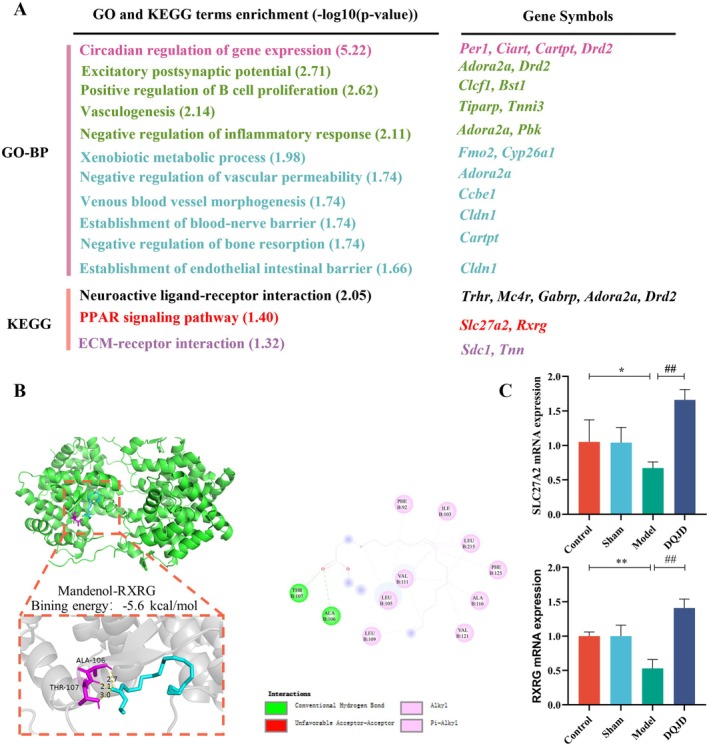 Figure 1
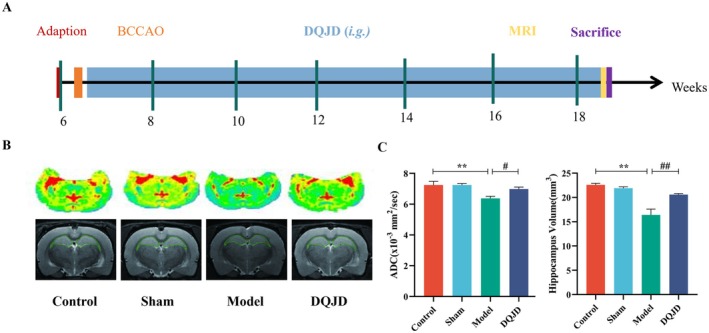 Figure 2
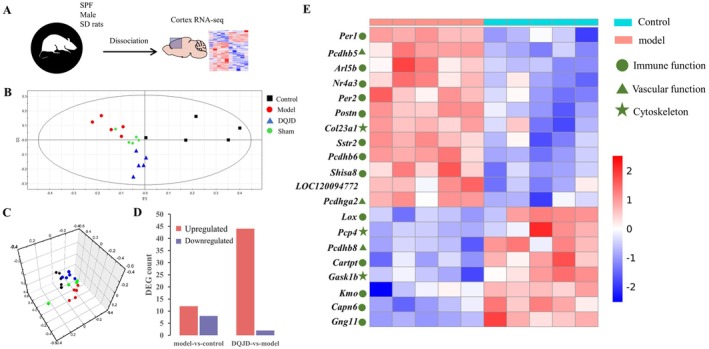 Figure 3
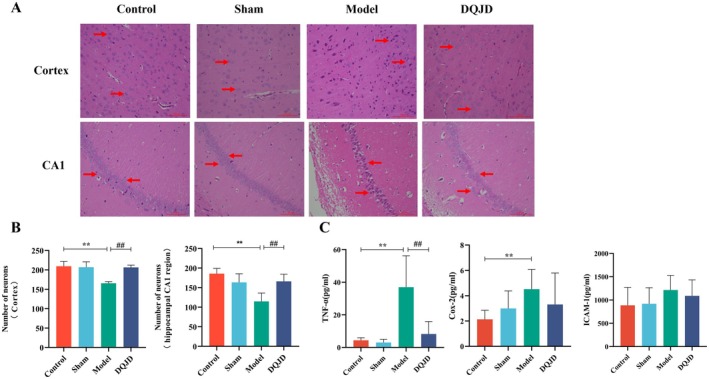 Figure 4
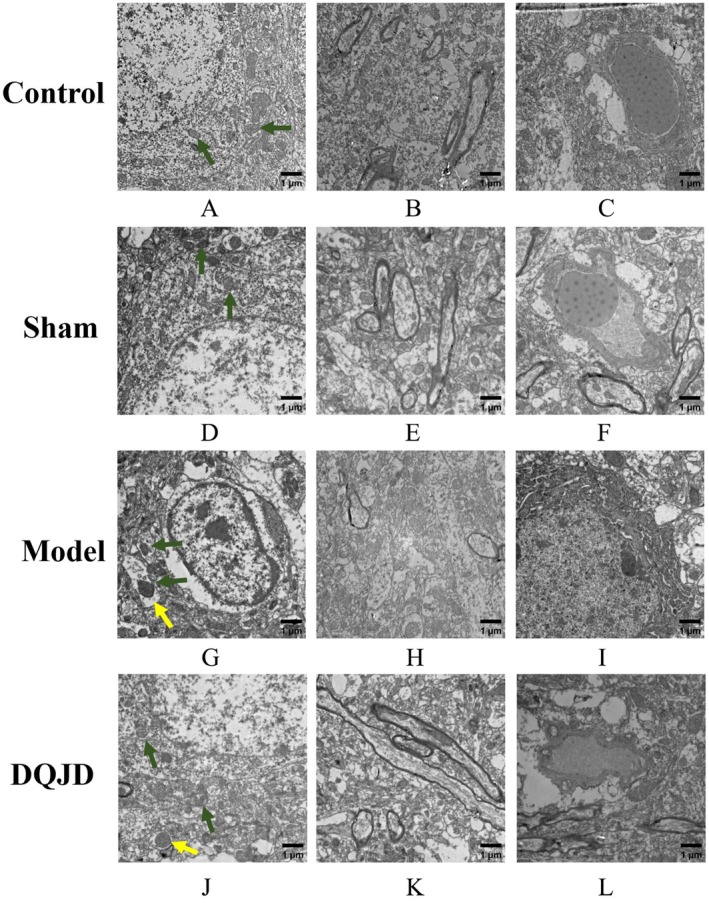 Figure 5
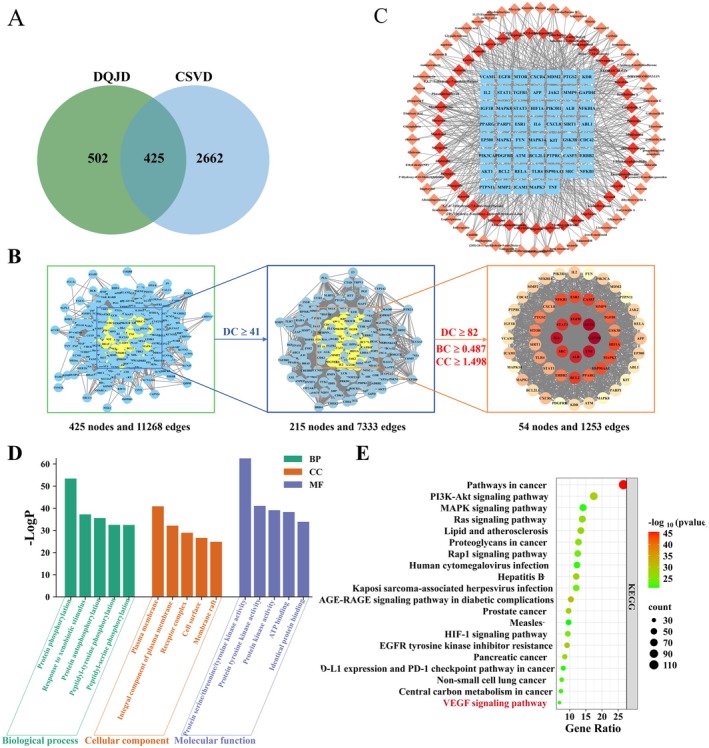 Figure 6
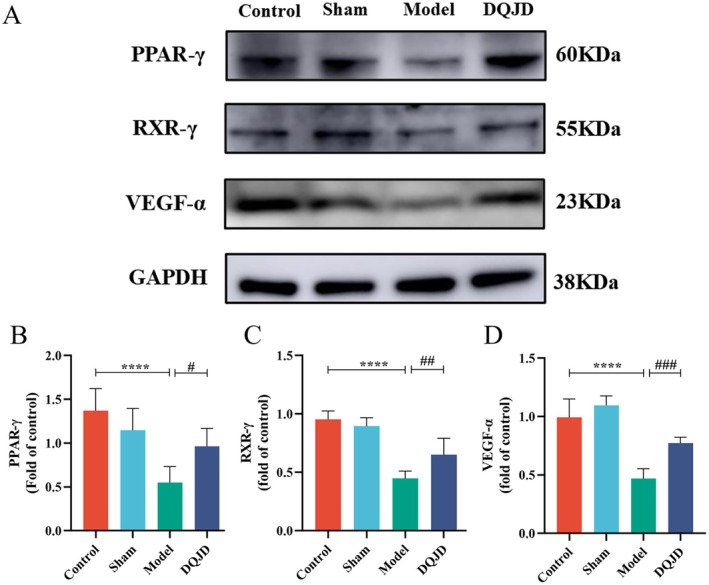 Figure 7
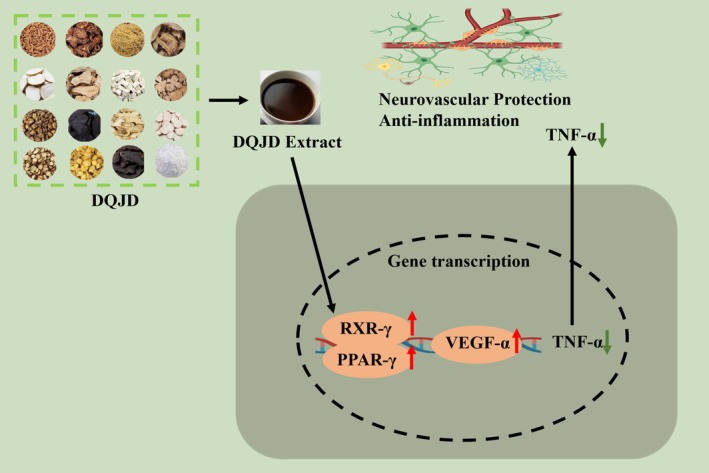 Figure 8
Peer Reviews
No public reviews on file for this paper yet. If you reviewed it on a platform where reviews are public (OpenReview, ICLR, NeurIPS, ICML), you can paste yours below so the community can read it here.
Videos
No videos yet. Explain this paper in a talk, walkthrough, or lecture? Add one.
Taxonomy
TopicsNeurological Disease Mechanisms and Treatments · Neuroinflammation and Neurodegeneration Mechanisms · Traditional Chinese Medicine Analysis