FAK activity exacerbates disturbed flow-mediated atherosclerosis via VEGFR2-CBL-NF-κB signaling
James M. Murphy, Duyen Thi Kieu Tran, Kyuho Jeong, Ly Nguyen, Mai Thi Nguyen, Dhananjay Tambe, Hanjoong Jo, Eun-Young Erin Ahn, Ssang-Taek Steve Lim

TL;DR
This study shows how FAK activity worsens atherosclerosis by interacting with VEGFR2 and CBL under disturbed blood flow conditions.
Contribution
The paper identifies a novel signaling pathway involving FAK, VEGFR2, and CBL in flow-mediated inflammation.
Findings
FAK activation is critical for VEGFR2-mediated NF-κB signaling under disturbed flow.
FAK inhibition reduces VEGFR2-FAK-CBL complex formation and VEGFR2 membrane expression.
Increased FAK activity in atheroprone regions correlates with elevated VEGFR2 on endothelial cells.
Abstract
Atherosclerosis develops at predictable sites in the vasculature where branch points and curvatures create non-laminar disturbed flow. This disturbed flow causes vascular inflammation by increased endothelial cell (EC) barrier permeability and the expression of inflammatory genes such as vascular cell adhesion molecule 1 (VCAM-1). Vascular endothelial growth factor receptor 2 (VEGFR2) regulates flow-induced EC inflammation; however, there are still some gaps in understanding the precise signaling mechanism or pathway. Focal adhesion kinase (FAK) is a protein tyrosine kinase whose expression has been implicated in flow-mediated signaling in ECs. However, the link between FAK and VEGFR2 in flow-mediated inflammation signaling has remained unelucidated. Here we found that priming of VEGFR2 with VEGF was critical for flow-mediated activation of FAK and NF-kB. Mechanistically, FAK activation…
Genes, proteins, chemicals, diseases, species, mutations and cell lines named across the full text — each resolved to its canonical identifier and authoritative record.
Click any figure to enlarge with its caption.
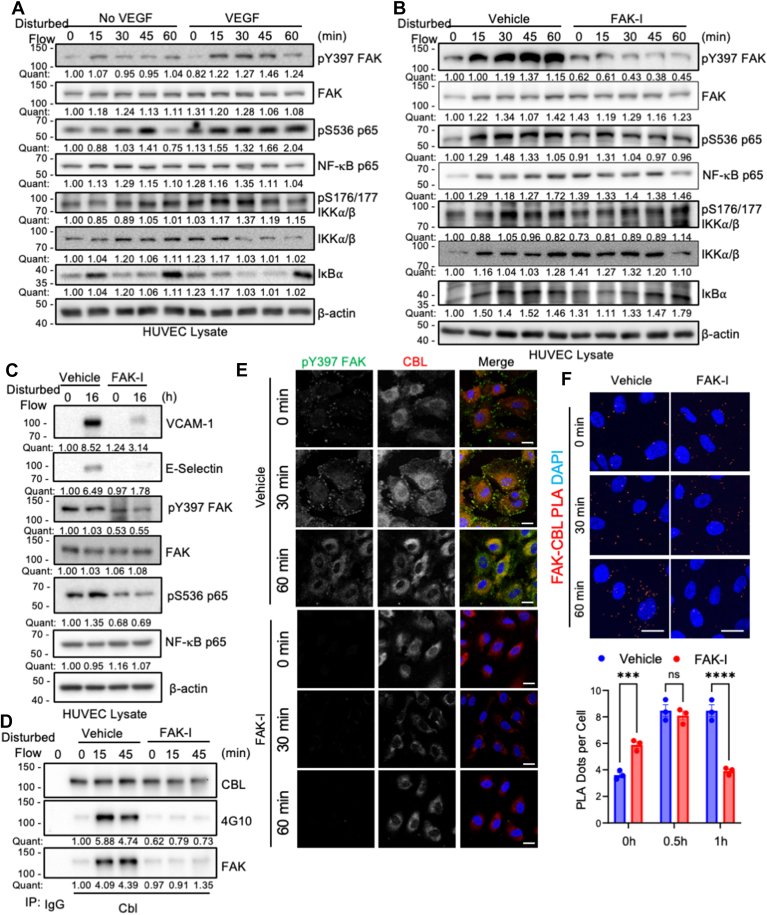 Figure 1
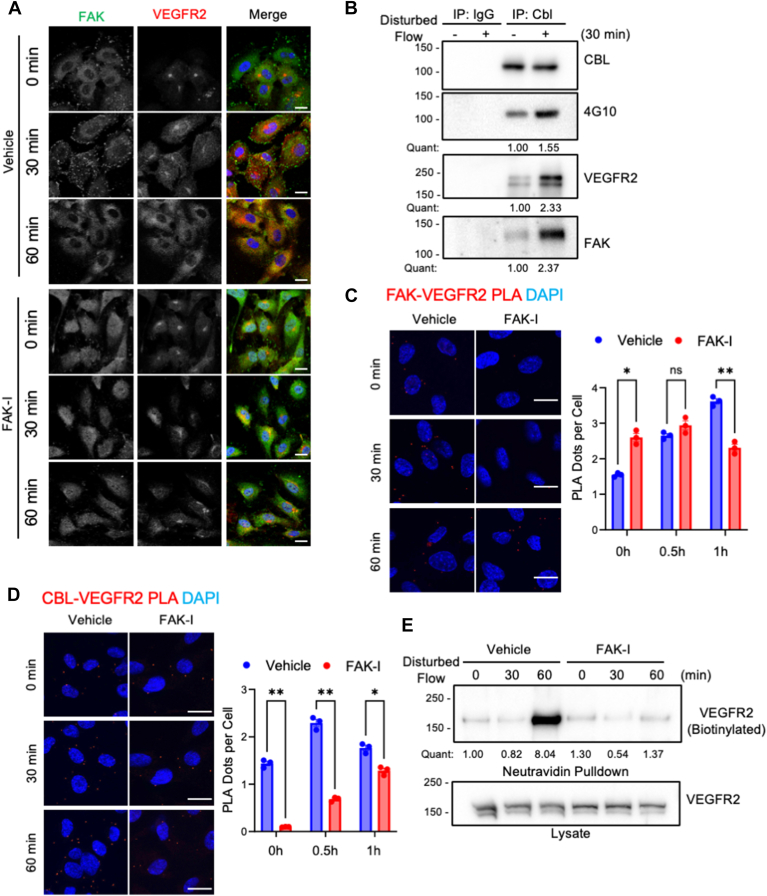 Figure 2
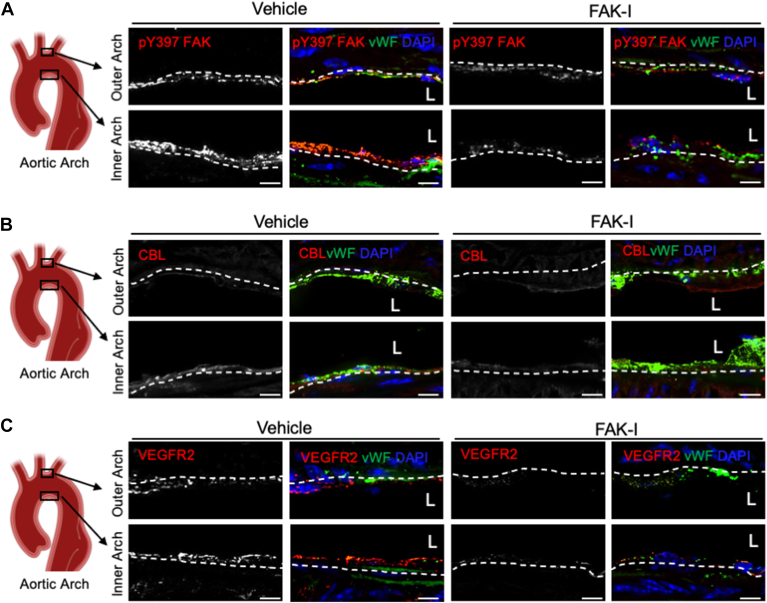 Figure 3
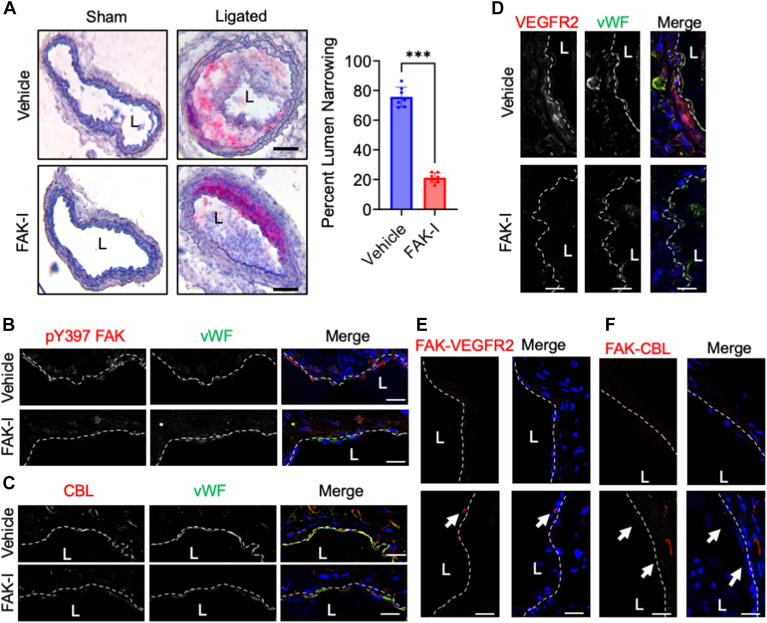 Figure 4
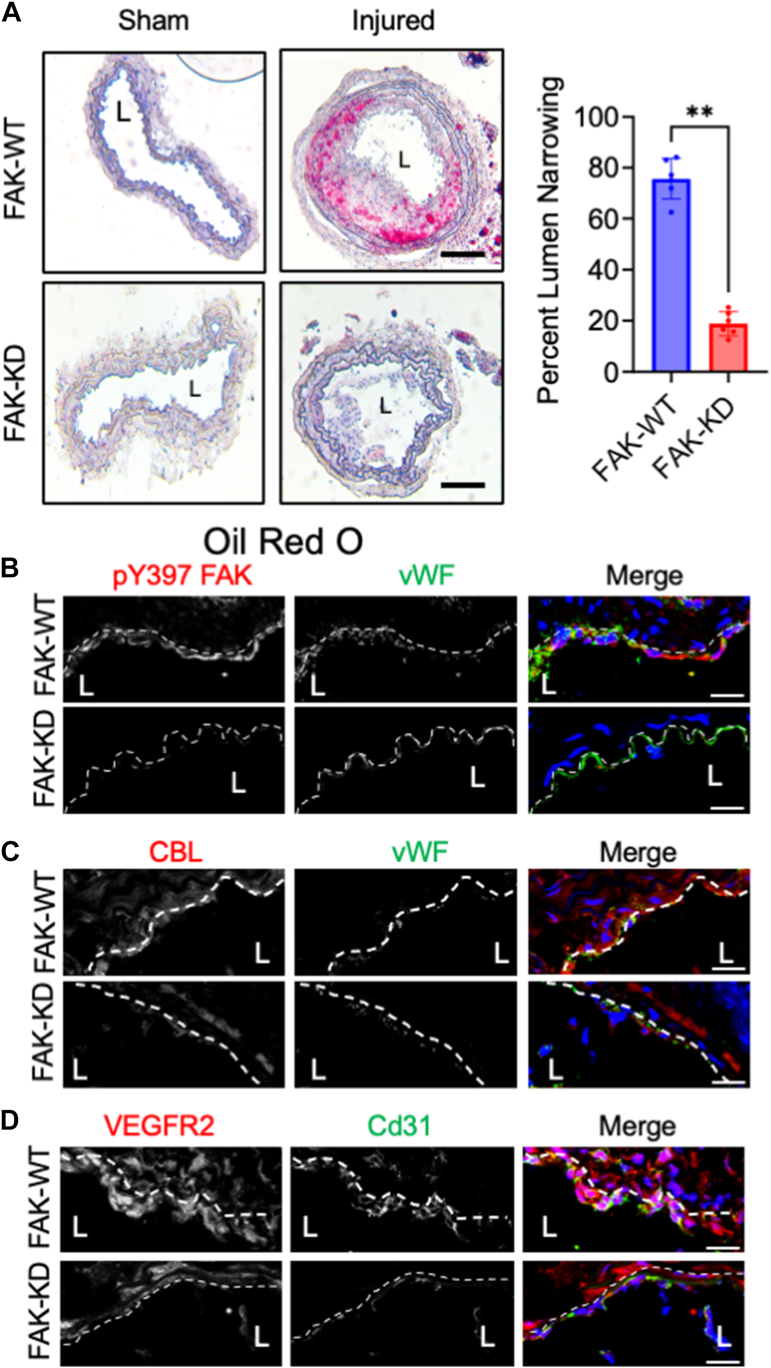 Figure 5
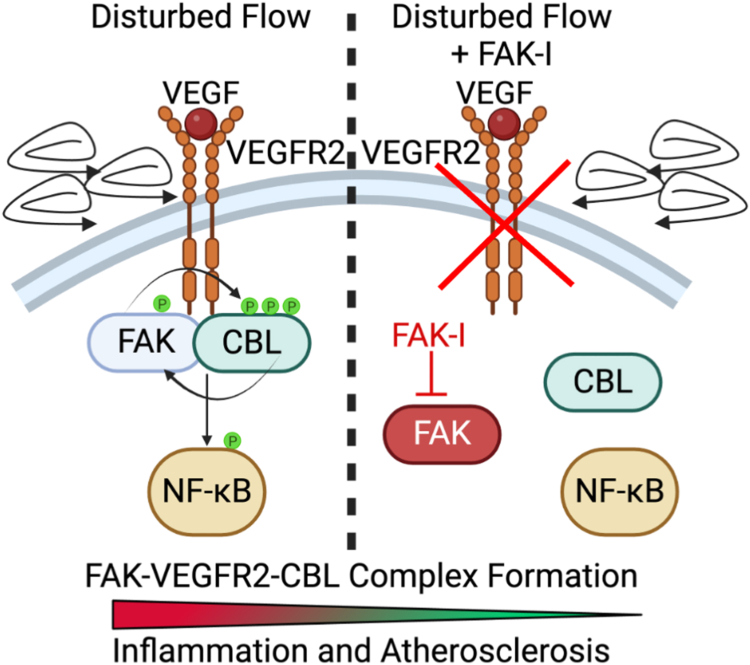 Figure 6
Peer Reviews
No public reviews on file for this paper yet. If you reviewed it on a platform where reviews are public (OpenReview, ICLR, NeurIPS, ICML), you can paste yours below so the community can read it here.
Videos
No videos yet. Explain this paper in a talk, walkthrough, or lecture? Add one.
Taxonomy
TopicsCell Adhesion Molecules Research · Coronary Interventions and Diagnostics · Protease and Inhibitor Mechanisms