Differential substrate degradation by super-degron: EGFP in wild-type mouse cells, PD-1 requires CRBN humanization
Chie Naruse, Ojiro Ishibashi, Masatoshi Ohgushi, Hirohiko Imai, Tomoko Matsuzaki, Xuchi Pan, Tatsuhiko Miyazaki, Yuka Shidahara, Yu Shirakawa, Fumihiro Sugiyama, Masahide Asano

TL;DR
A new method using a super-degron tag and thalidomide analogs can degrade specific proteins in mouse cells, but some proteins require humanized components for effective degradation.
Contribution
The super-degron tag combined with iberdomide enables protein degradation in wild-type mouse cells, with PD-1 degradation requiring CRBN humanization.
Findings
SD-tagged EGFP was degraded in wild-type mouse cells using iberdomide or mezigdomide.
SD-tagged PD-1 required human-type CRBNI391V for degradation in mouse cells.
Iberdomide suppressed tumor growth faster than anti-PD-1 antibodies by degrading PD-1 in vivo.
Abstract
Protein knockdown using a zinc finger degron tag and thalidomide analogs was previously considered ineffective in mouse cells. However, using EGFP as an indicator, we found that a super-degron tag (SD) enables degradation in mouse cells when combined with iberdomide or mezigdomide. While SD-tagged EGFP was degraded in wild-type mouse cells, SD-tagged PD-1 required human-type CEREBLON (CRBNI391V) for degradation. In mice with CRBNI391V, endogenous PD-1 tagged with SD was efficiently degraded in T cells both in vitro and in vivo. Compared with anti-PD-1 antibody treatment, the degradation of PD-1 led to more rapid activation of CD8+ T cells. Moreover, pomalidomide that crosses the brain-blood barrier reduced PD-1 expression in the brain. These results suggest that SD and thalidomide analogs can be used for in vitro and in vivo protein knockdown in mice, although some conditional settings…
Genes, proteins, chemicals, diseases, species, mutations and cell lines named across the full text — each resolved to its canonical identifier and authoritative record.
Click any figure to enlarge with its caption.
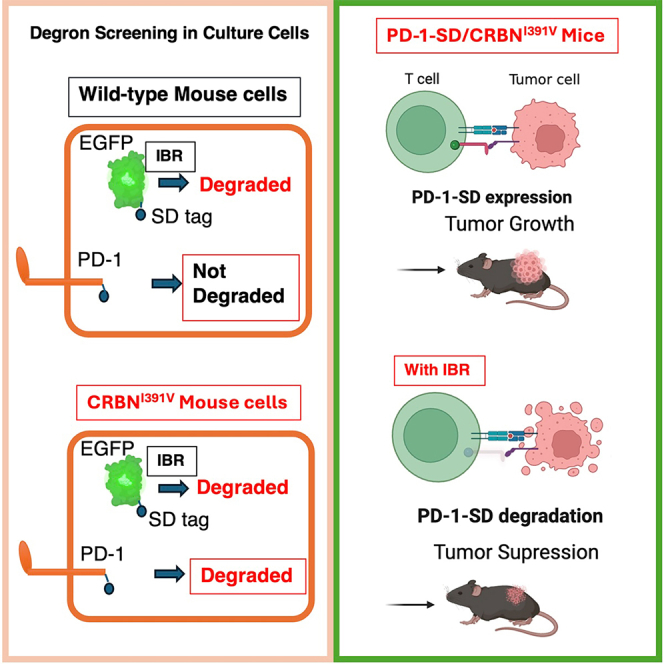 Figure 1
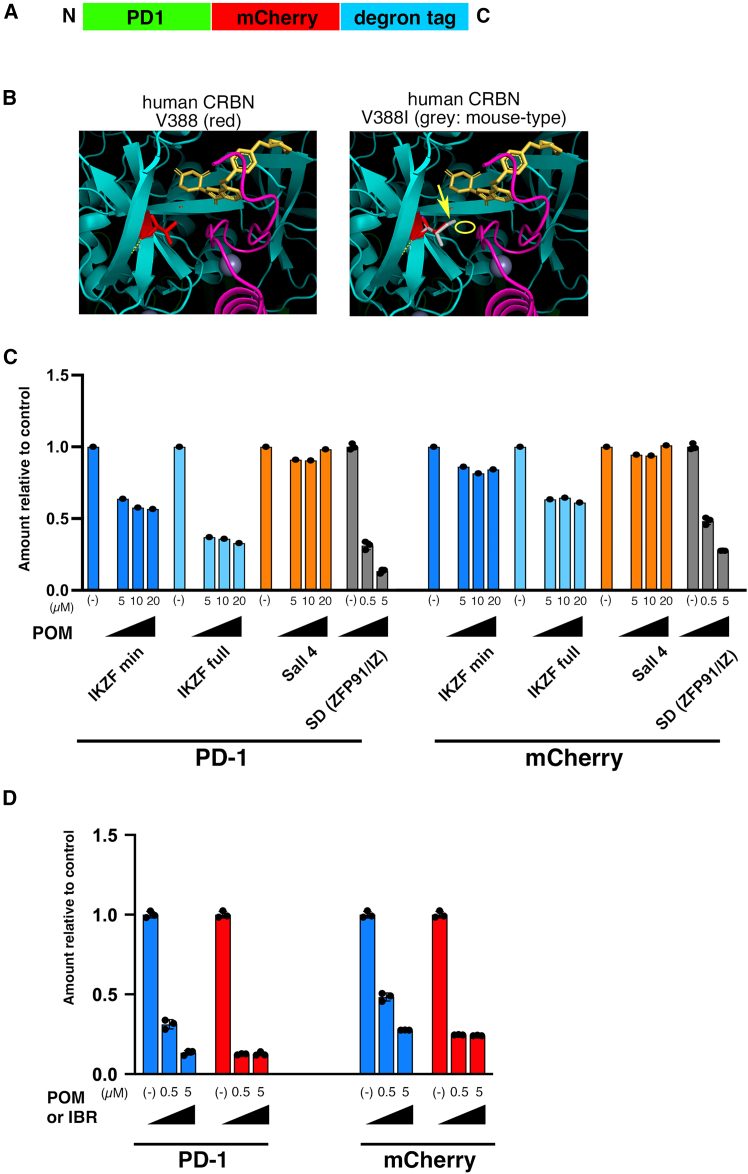 Figure 2
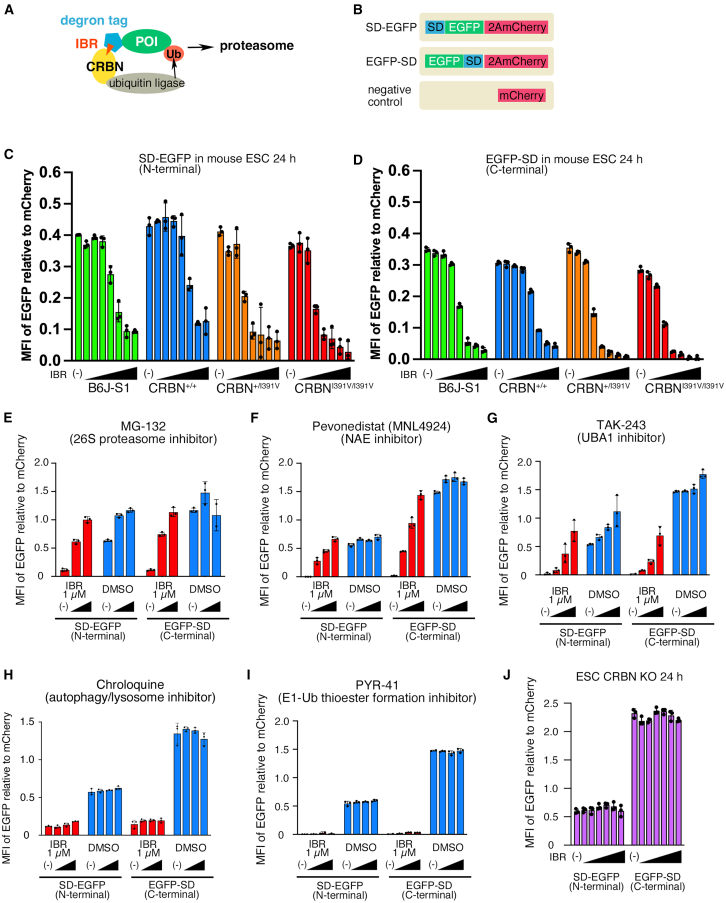 Figure 3
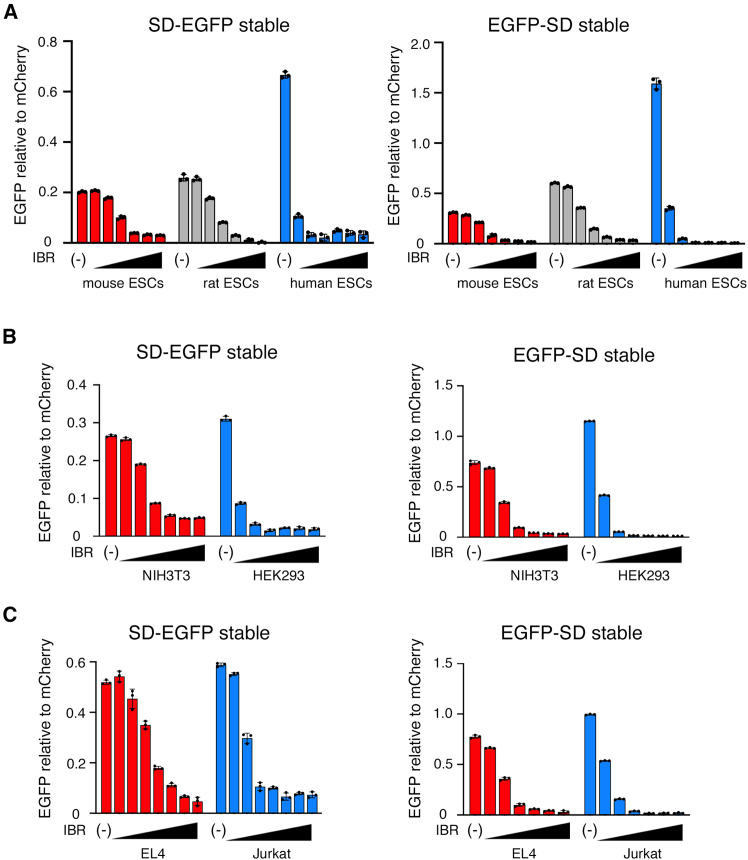 Figure 4
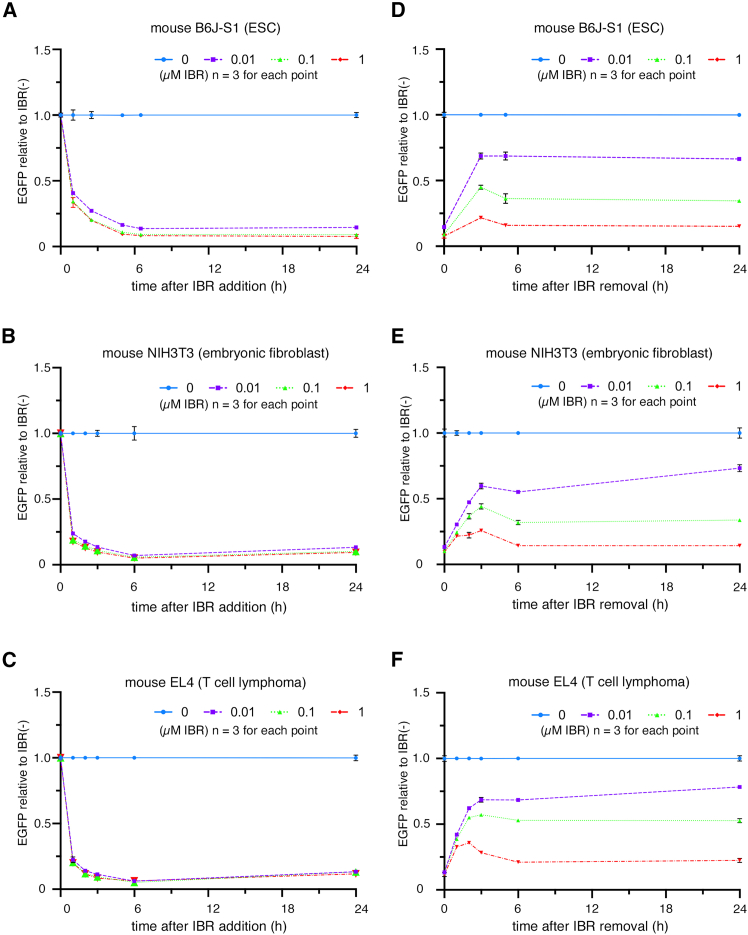 Figure 5
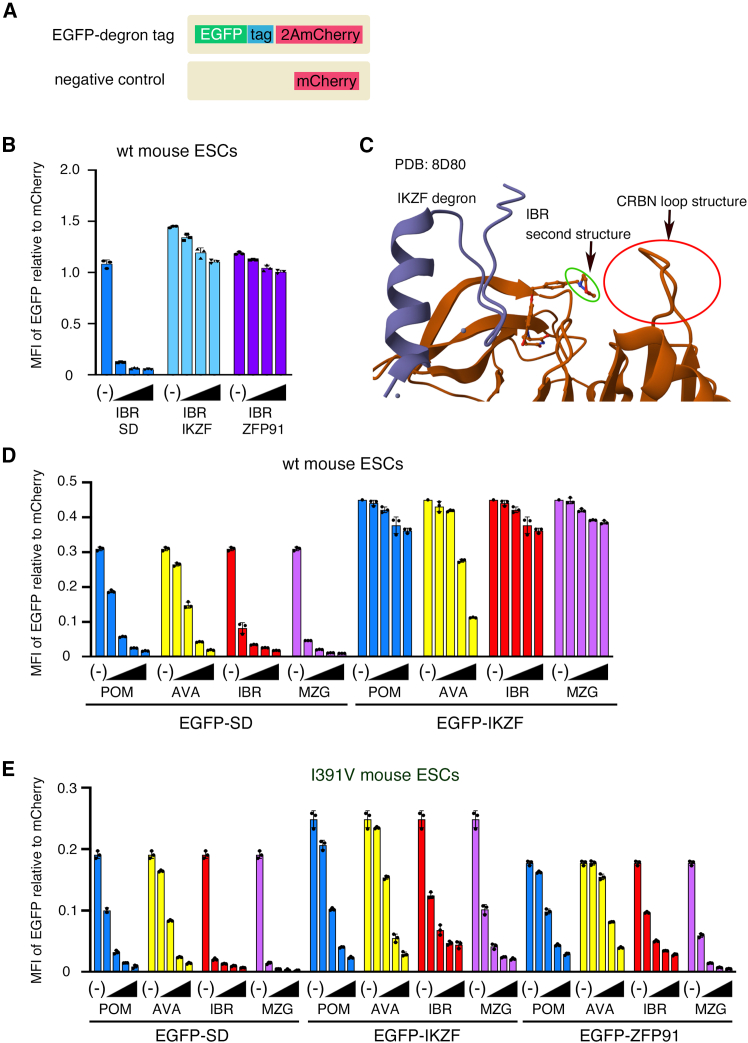 Figure 6
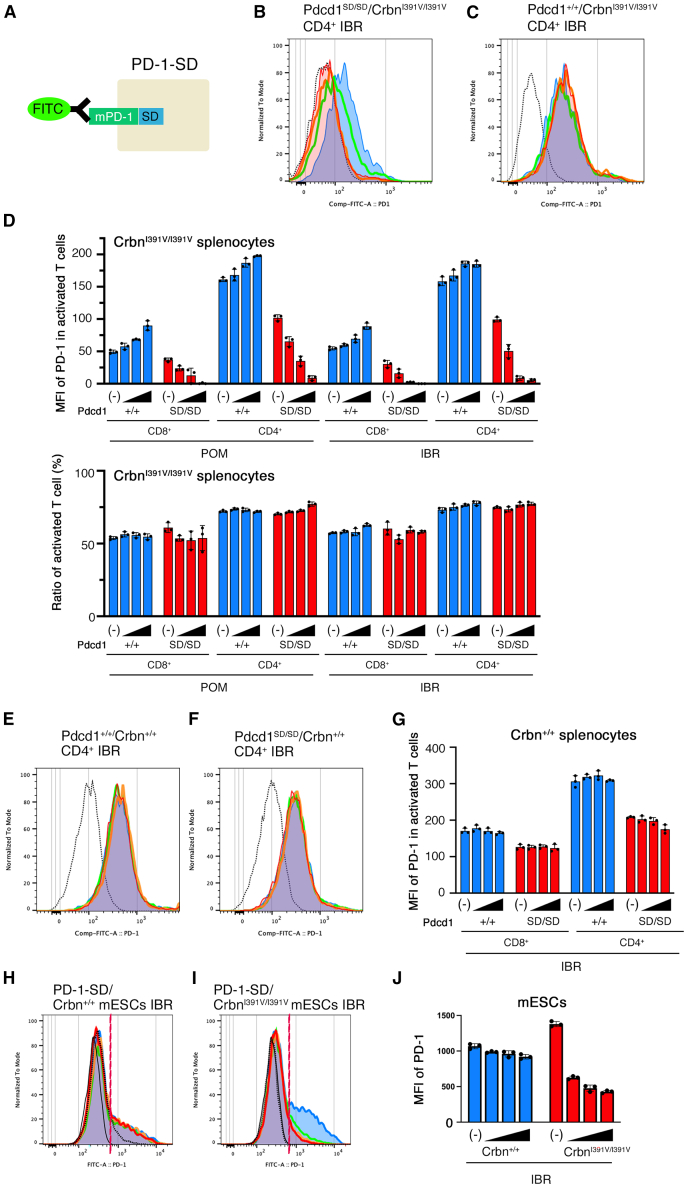 Figure 7
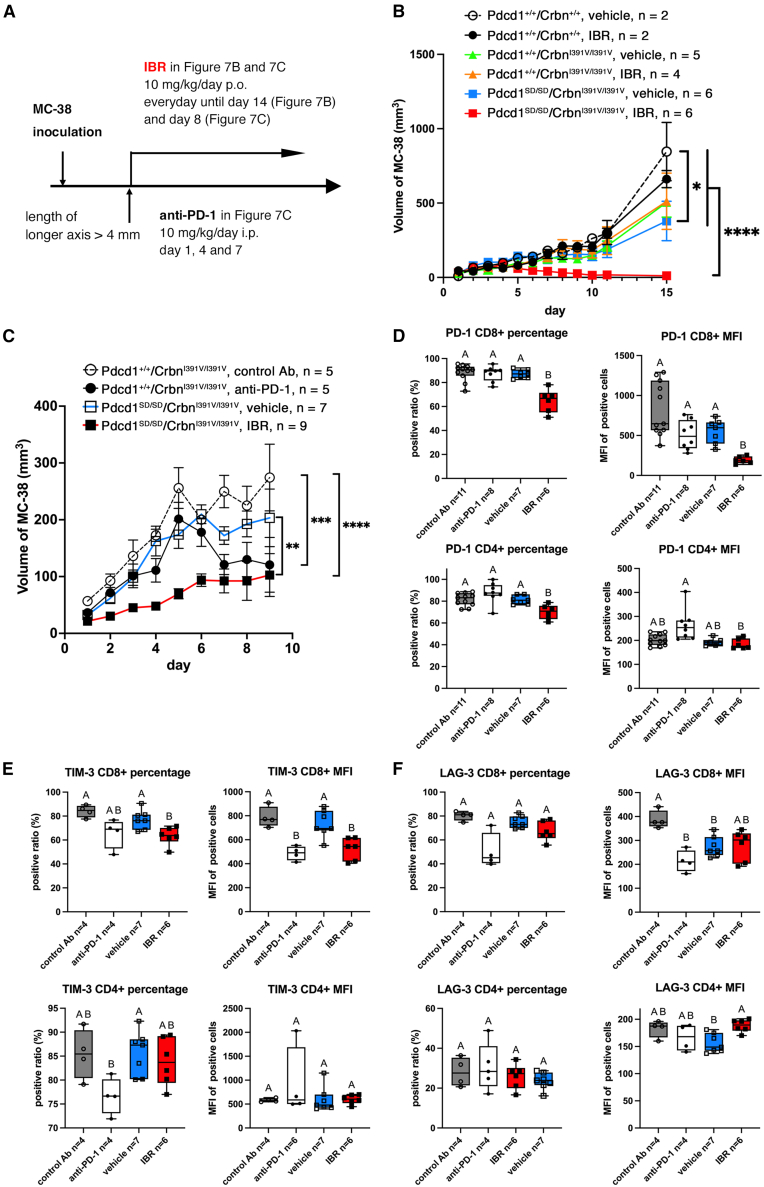 Figure 8
Peer Reviews
No public reviews on file for this paper yet. If you reviewed it on a platform where reviews are public (OpenReview, ICLR, NeurIPS, ICML), you can paste yours below so the community can read it here.
Videos
No videos yet. Explain this paper in a talk, walkthrough, or lecture? Add one.
Taxonomy
TopicsProtein Degradation and Inhibitors · Ubiquitin and proteasome pathways · CAR-T cell therapy research