Phytochemical Screening and In Vitro Antioxidant and Anticancer Evaluation of Stem and Leaf Extracts of Cissampelos pareira L
Arthid Thim-uam, Chutamas Thepmalee, Wittaya Chaiwangyen, Napapan Kangwan, Ratchanaporn Chokchaisiri, Piyawan Nuntaboon, Angkana Songkrao, Amnart Onsa-ard

TL;DR
This study explores the antioxidant and anticancer properties of extracts from Cissampelos pareira L. leaves and stems, finding that leaf ethanol extracts are strong antioxidants and stem hexane extracts show potent anticancer effects.
Contribution
The novel contribution is the comparative evaluation of different extracts from Cissampelos pareira L. for antioxidant and anticancer activities, highlighting their potential for functional food and supplement development.
Findings
Ethanolic leaf extracts of Cissampelos pareira L. showed high antioxidant activity with low IC50 values against DPPH and ABTS radicals.
Hexane stem extracts demonstrated strong anticancer activity by inhibiting breast cancer and HEK293T cell proliferation.
Leaf extracts were more effective in inhibiting normal fibroblast cell proliferation compared to stem extracts.
Abstract
This study was conducted to investigate the phytochemical constituents, antioxidant capacity, and anticancer potential of aqueous, ethanolic, and hexane extracts derived from the leaves and stems of Cissampelos pareira L. (C. pareira L.). Proximate analysis revealed that the stems contained a high fiber content (48.02% ± 0.14%) and carbohydrate content (32.31% ± 0.47%), whereas the leaves exhibited a higher carbohydrate content (53.93% ± 0.02%). Ethanolic extracts of both stems and leaves showed notably high levels of total phenolic and flavonoid compounds. Specifically, the total phenolic content (TPC) was 58.26 ± 2.56 mg GAE/g dry weight (DW) in the stem extract (CPSE) and 95.73 ± 1.76 mg GAE/g DW in the leaf extract (CPLE). The total flavonoid content (TFC) was 27.23 ± 2.89 mg CE/g DW in CPSE and 82.68 ± 4.98 mg CE/g DW in CPLE. Furthermore, the ethanol extract from C. pareira L.…
Genes, proteins, chemicals, diseases, species, mutations and cell lines named across the full text — each resolved to its canonical identifier and authoritative record.
Click any figure to enlarge with its caption.
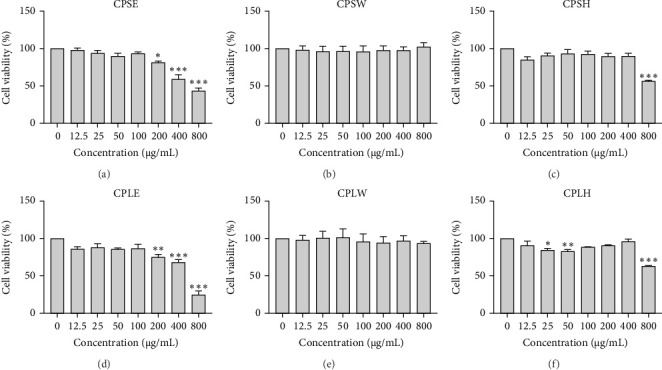 Figure 1
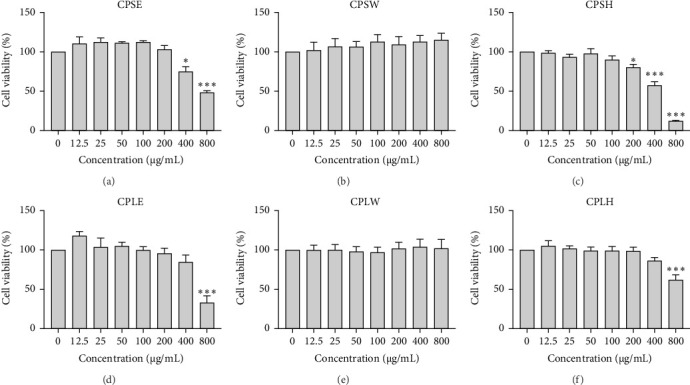 Figure 2
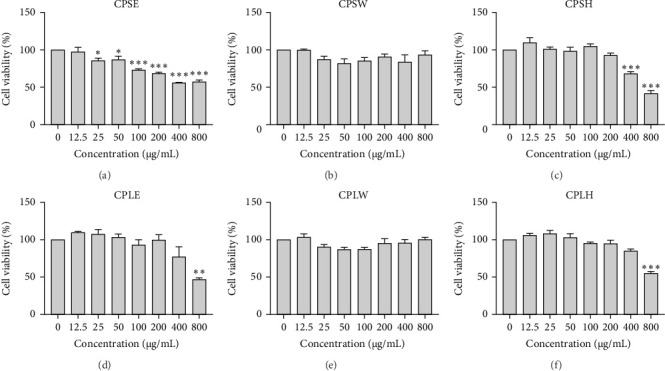 Figure 3
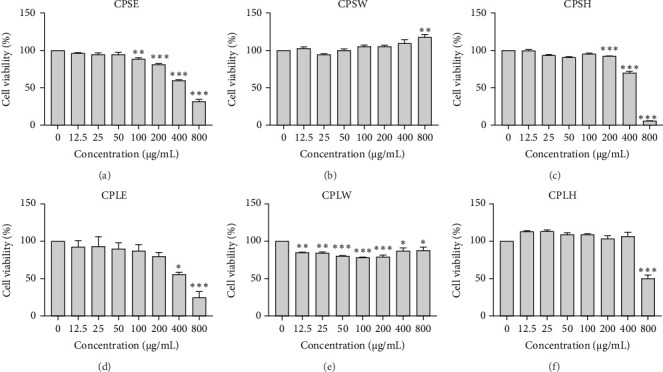 Figure 4
Peer Reviews
No public reviews on file for this paper yet. If you reviewed it on a platform where reviews are public (OpenReview, ICLR, NeurIPS, ICML), you can paste yours below so the community can read it here.
Videos
No videos yet. Explain this paper in a talk, walkthrough, or lecture? Add one.
Taxonomy
TopicsEthnobotanical and Medicinal Plants Studies · Berberine and alkaloids research · Essential Oils and Antimicrobial Activity