Bayesian Optimization–Enhanced Machine Learning for Osteosarcoma Risk Stratification Based on Sphingolipid Metabolism
Yujian Zhong, Ruyuan He, Zewen Jiang, Queran Lin, Fei Peng, Wenyi Jin

TL;DR
This study uses machine learning to identify genes linked to sphingolipid metabolism that predict osteosarcoma patient outcomes and highlights TERT as a key gene affecting cancer progression.
Contribution
A novel machine learning pipeline (SNEX) is developed for osteosarcoma risk stratification using sphingolipid metabolism genes, achieving high prognostic accuracy.
Findings
The SNEX model achieved a perfect C-index of 1.000 and high AUCs for 1, 3, and 5-year survival predictions.
TERT was identified as the most significant sphingolipid metabolism gene, with high expression linked to more aggressive cancer traits.
Inhibiting TERT reduced osteosarcoma cell proliferation, invasion, and migration in experiments.
Abstract
Background: Heterogenized sphingolipid metabolism (SM) drives osteosarcoma tumorigenesis and its tumor-promoting microenvironment. State-of-the-art bioinformatic tools, such as machine learning, are essential for dissecting the prognostic value of SM by investigating its molecular and cellular mechanisms. Methods: A tailored machine learning pipeline was established by integrating Cox regression, 5-fold cross-validation, Elastic Net, eXtreme Gradient Boosting (XGBoost), and Bayesian optimization (for hyperparameters tuning) to foster an SM Elastic Net-XGBoost (SNEX) prognostic model, interpreted by the Shapley additive explanations (SHAP) algorithm. The alterations in molecular pathways and immune microenvironment–driven unfavorable prognosis of SNEX-identified high-risk osteosarcoma were further investigated. The SNEX predicted results have also been clinically and experimentally…
Genes, proteins, chemicals, diseases, species, mutations and cell lines named across the full text — each resolved to its canonical identifier and authoritative record.
Click any figure to enlarge with its caption.
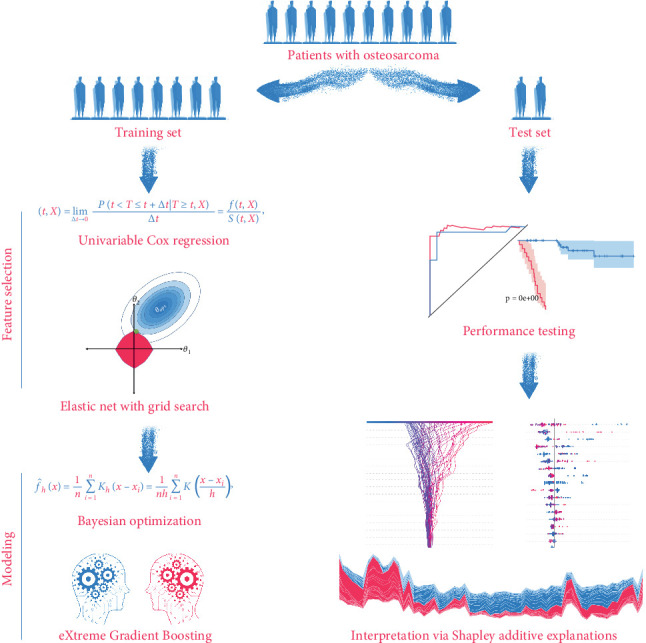 Figure 1
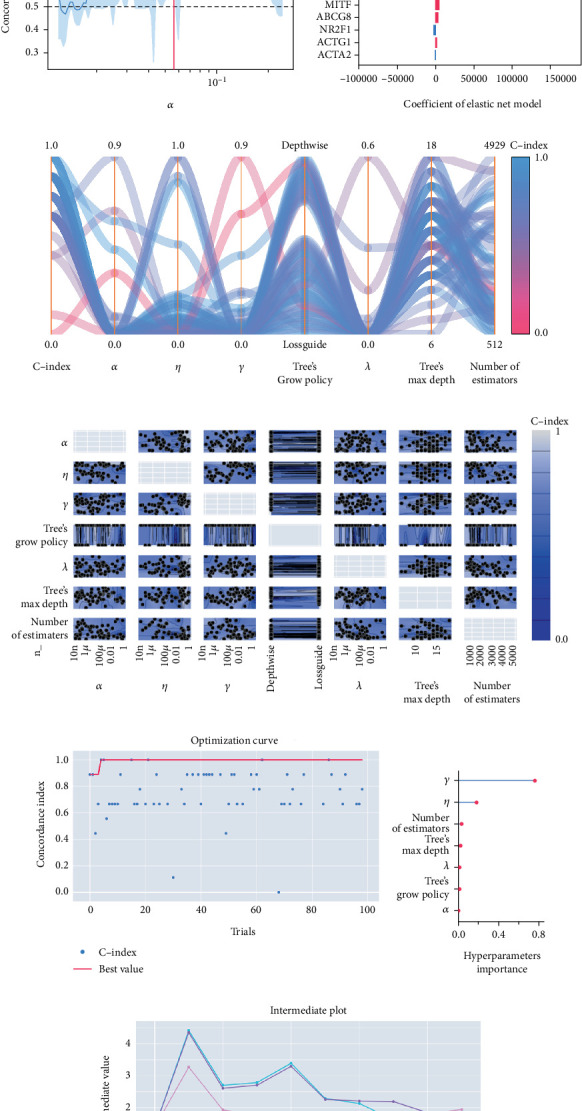 Figure 2
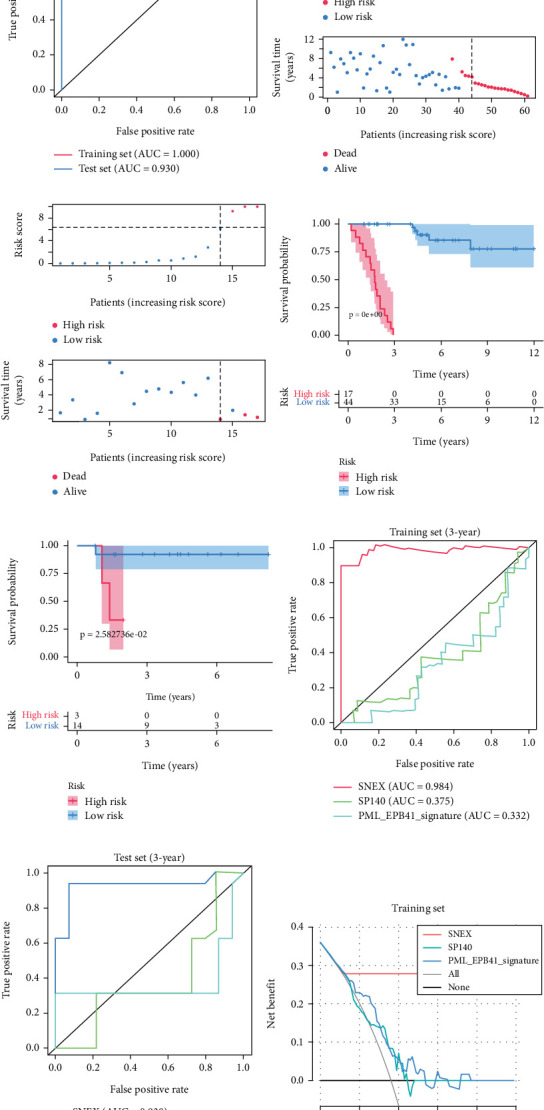 Figure 3
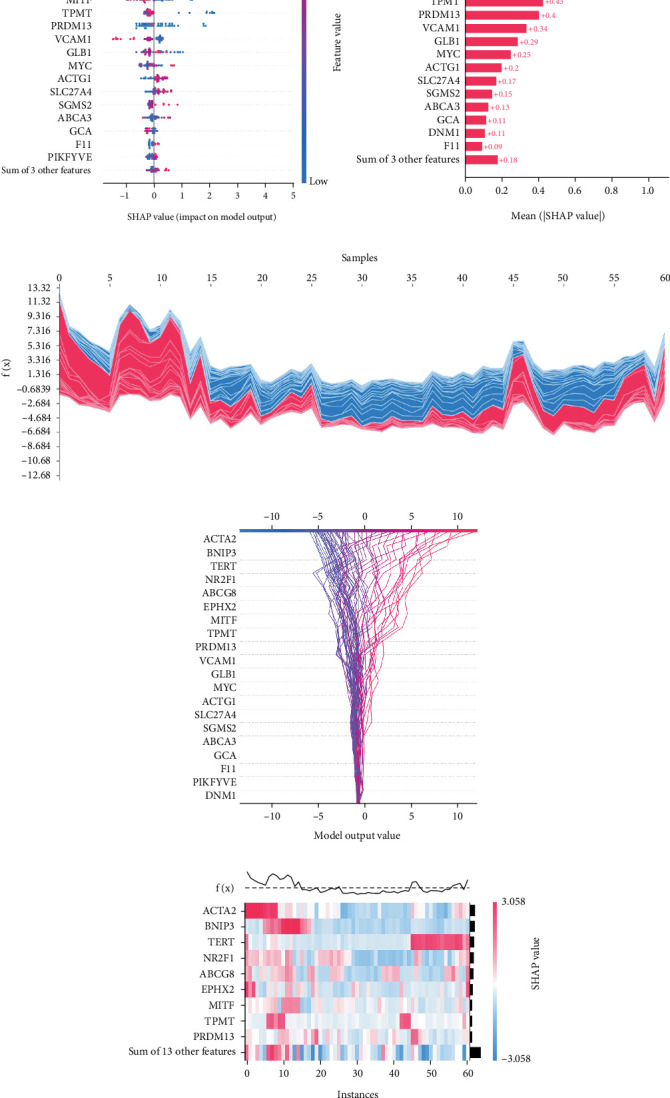 Figure 4
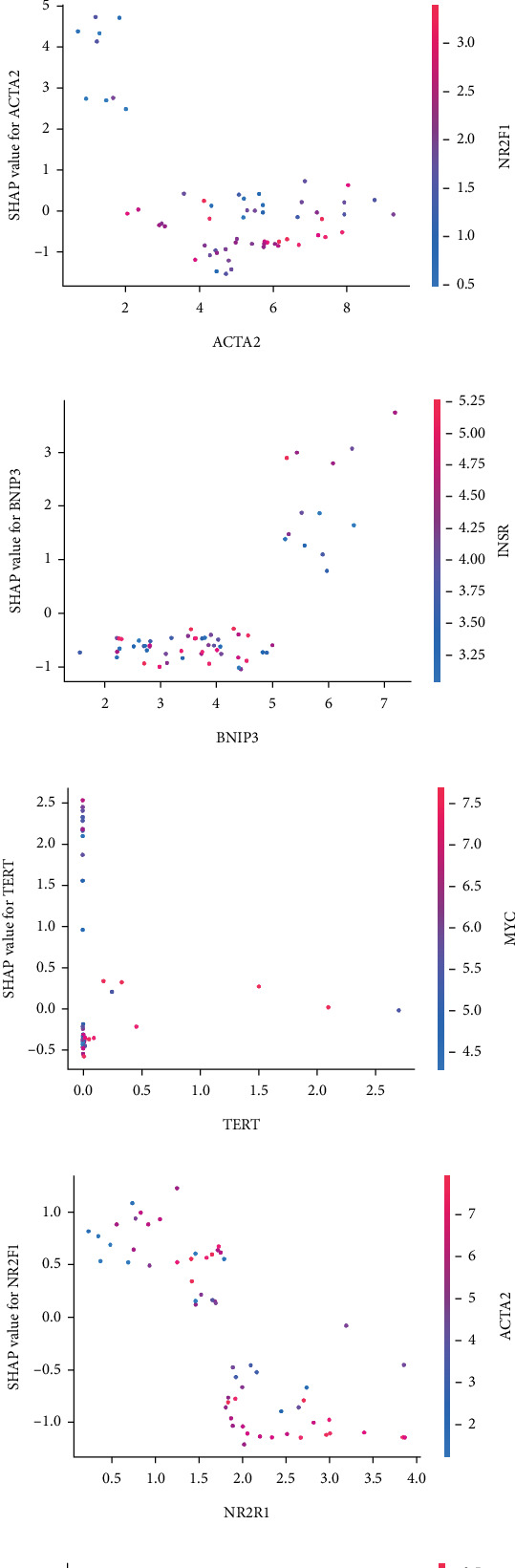 Figure 5
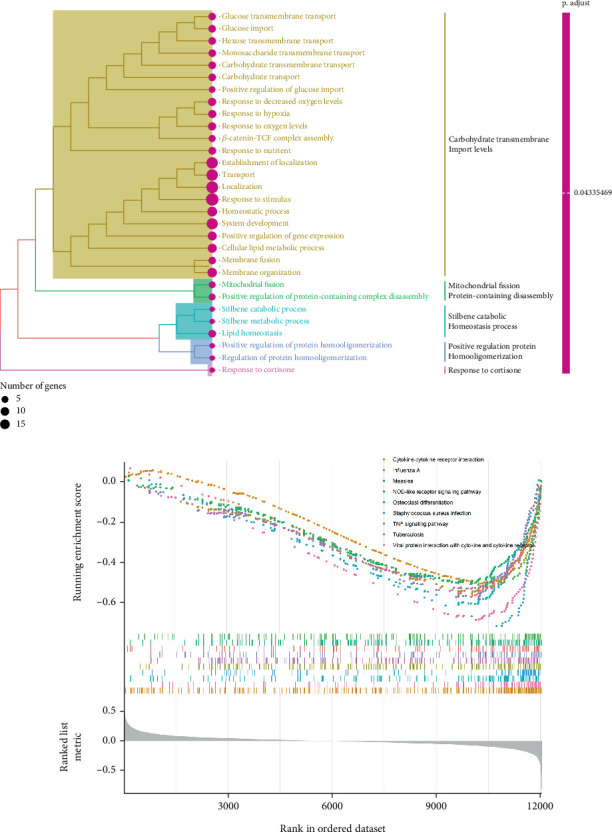 Figure 6
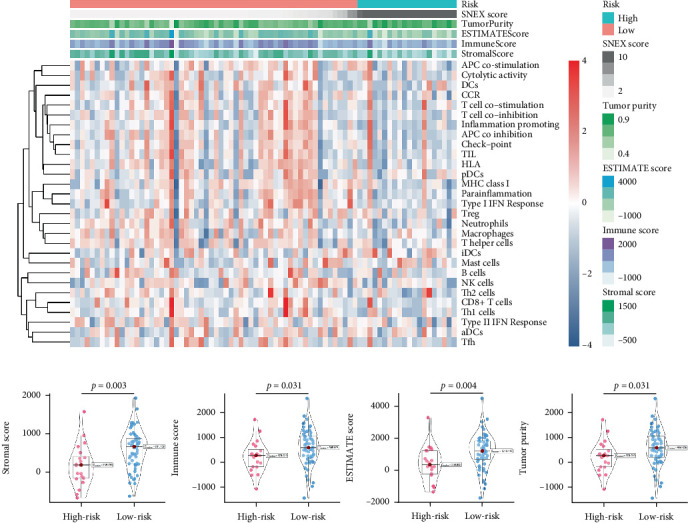 Figure 7
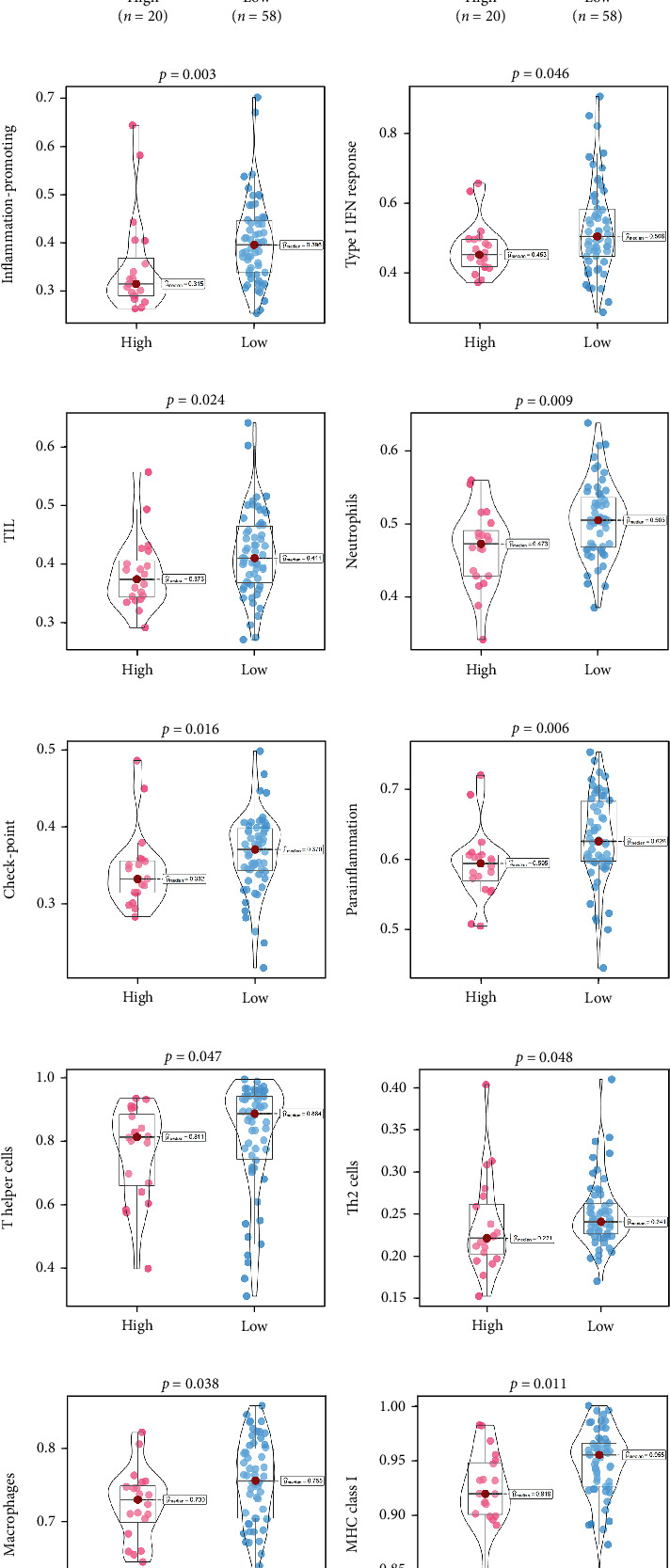 Figure 8
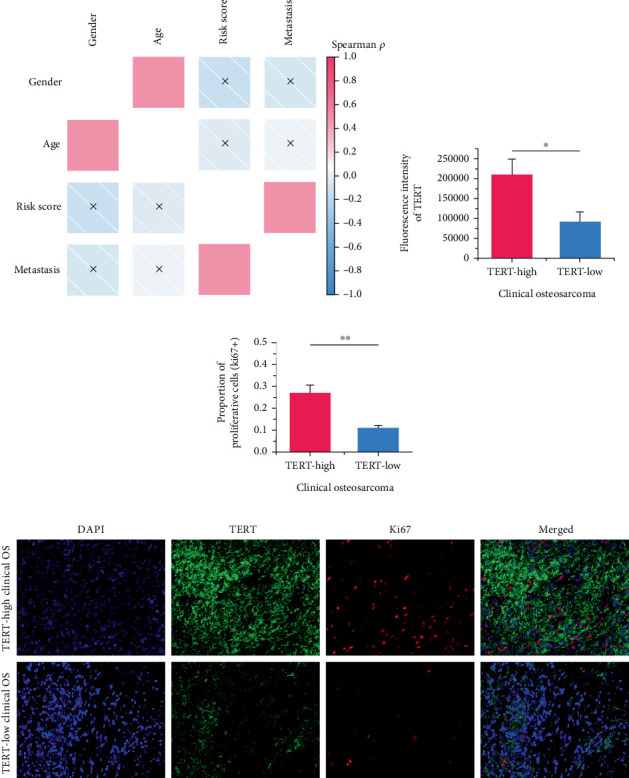 Figure 9
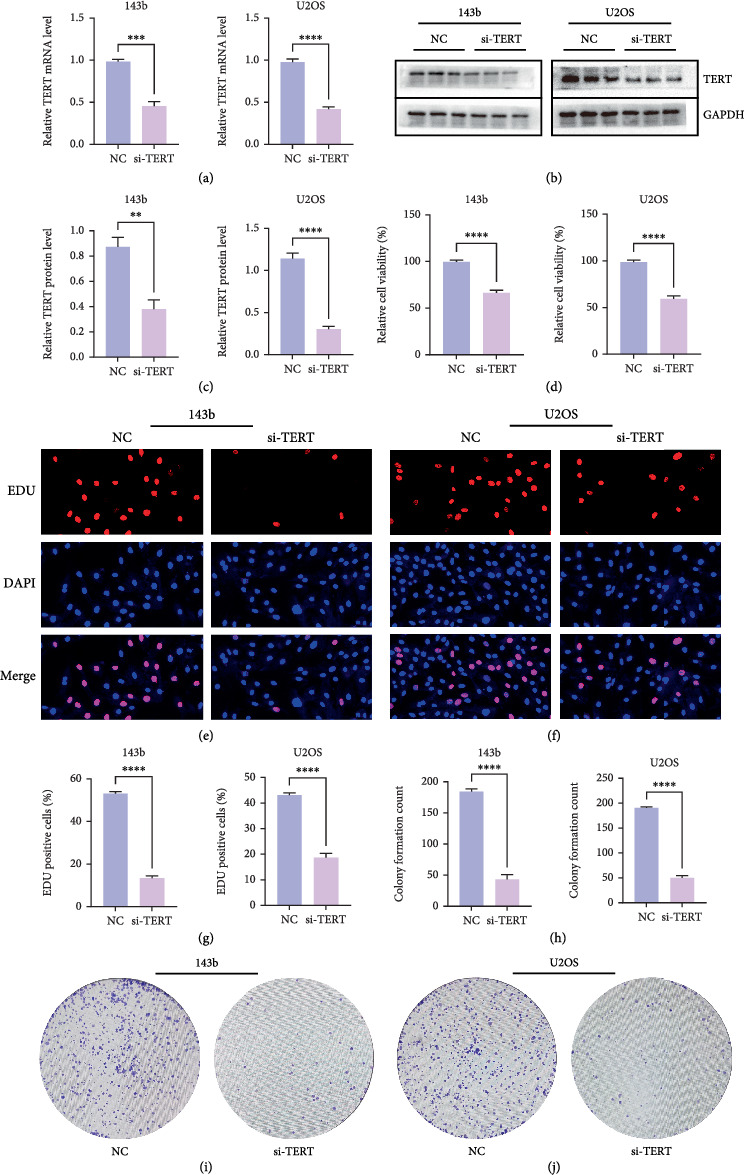 Figure 10
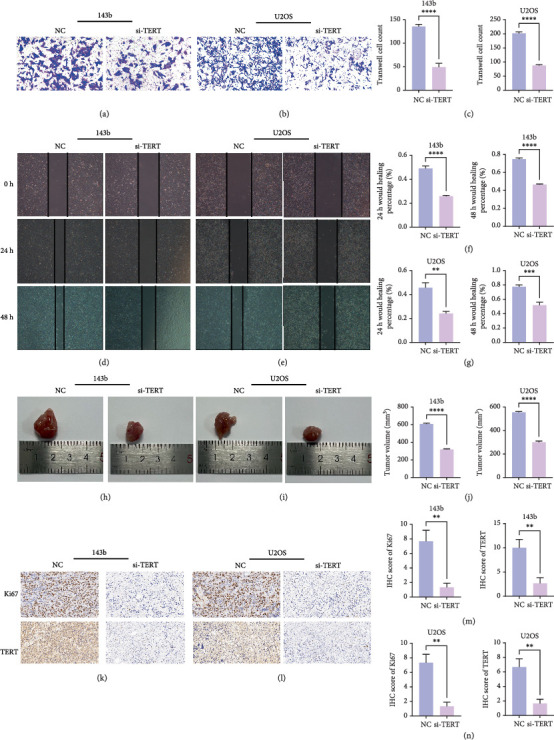 Figure 11
Peer Reviews
No public reviews on file for this paper yet. If you reviewed it on a platform where reviews are public (OpenReview, ICLR, NeurIPS, ICML), you can paste yours below so the community can read it here.
Videos
No videos yet. Explain this paper in a talk, walkthrough, or lecture? Add one.
Taxonomy
TopicsCancer-related molecular mechanisms research · RNA modifications and cancer · Cancer, Lipids, and Metabolism