The Safety and Efficacy of Ceftazidime-Avibactam Plus Metronidazole Versus Meropenem for Intra-abdominal Infections: A Systematic Review and Meta-Analysis
Mahmoud Ismail Nouh, Hala AlButi, Hani Raka Karrar, Dina M Hassan, Rehab Salah Aldin Alhendi, Hanin Ali Aseeri, Mohannad A Algothmi, Abdulrahman Olayan Mohammed Almuqati, Khloud Mubark Alotaibi, Nouran M Alkhaifi, Samar Y Badayyan, Lamer K Shaikh, Nourah A Al Ghamdi

TL;DR
This study compares two antibiotic treatments for intra-abdominal infections and finds that both are similarly effective, though meropenem has a slightly better response rate in some cases.
Contribution
The study provides a meta-analysis comparing the safety and efficacy of ceftazidime-avibactam plus metronidazole to meropenem for treating intra-abdominal infections.
Findings
Ceftazidime-avibactam plus metronidazole had a slightly higher adverse event rate but not significantly different from meropenem.
Meropenem showed a significantly higher clinical response rate in ceftazidime-susceptible infections.
No significant differences were found in ceftazidime-resistant infections between the two treatments.
Abstract
Intra-abdominal infections encompass a range of medical conditions categorized by their complexity. Uncomplicated infections involve inflammation or infection limited to a single abdominal organ, such as acute appendicitis or cholecystitis, without extending to the peritoneum, while complicated infections spread to the peritoneal cavity. The key associated microbiological agents include Gram-positive cocci, Gram-negative Enterobacteriaceae, and obligate anaerobes, with common pathogens being Escherichia coli, Klebsiella pneumoniae, Streptococcus species, and Bacteroides fragilis. Treatment options include well-established antibiotics and newer agents like meropenem, metronidazole, and ceftazidime/avibactam. Meropenem, a carbapenem antibiotic, is known for its broad-spectrum efficacy and low toxicity, making it suitable for severe infections. Ceftazidime, a third-generation…
Genes, proteins, chemicals, diseases, species, mutations and cell lines named across the full text — each resolved to its canonical identifier and authoritative record.
Click any figure to enlarge with its caption.
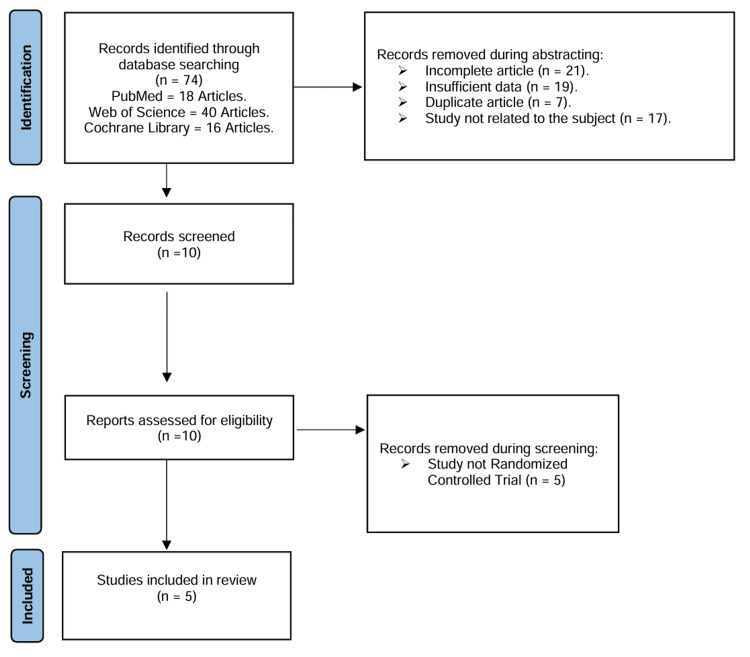 Figure 1
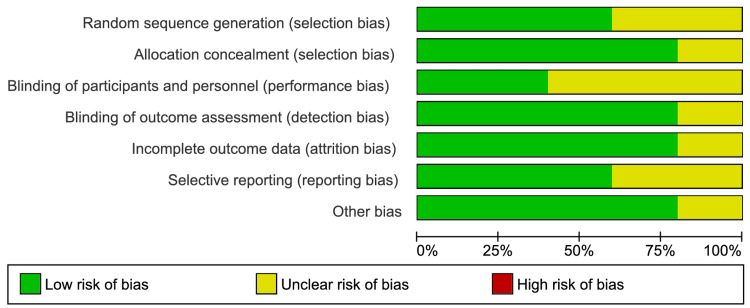 Figure 2
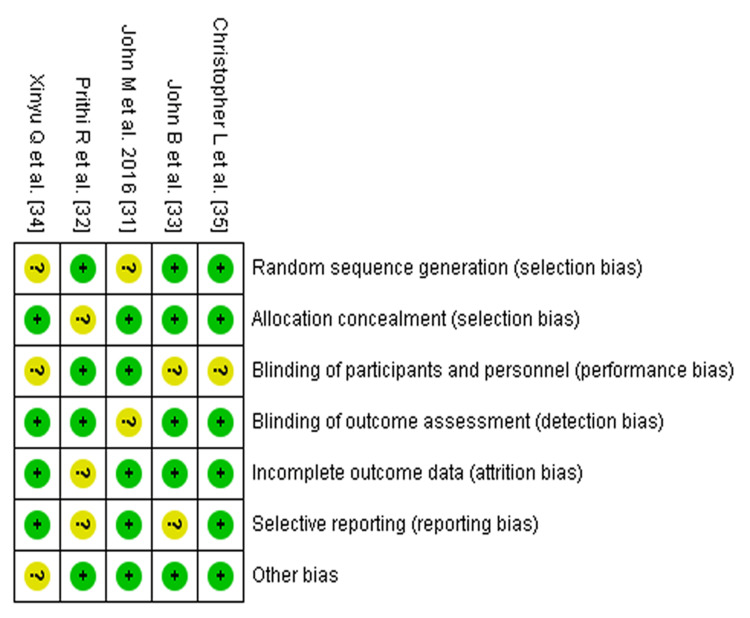 Figure 3
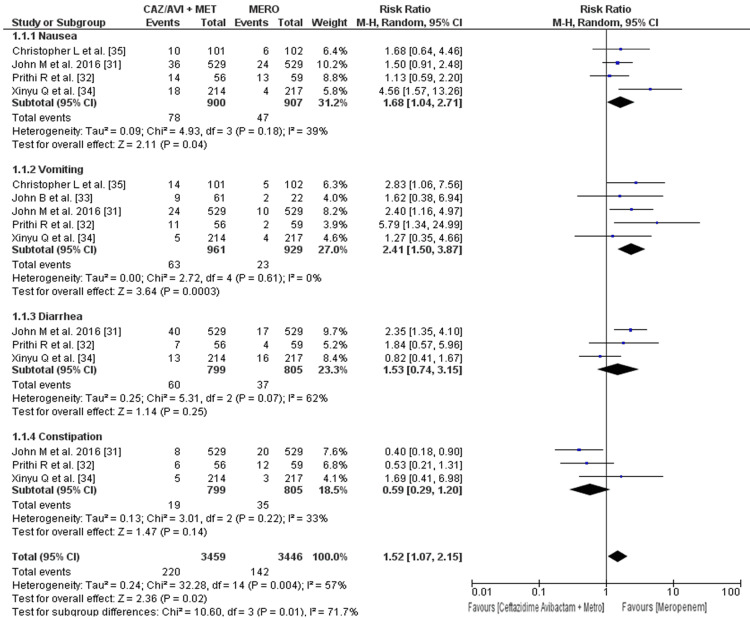 Figure 4
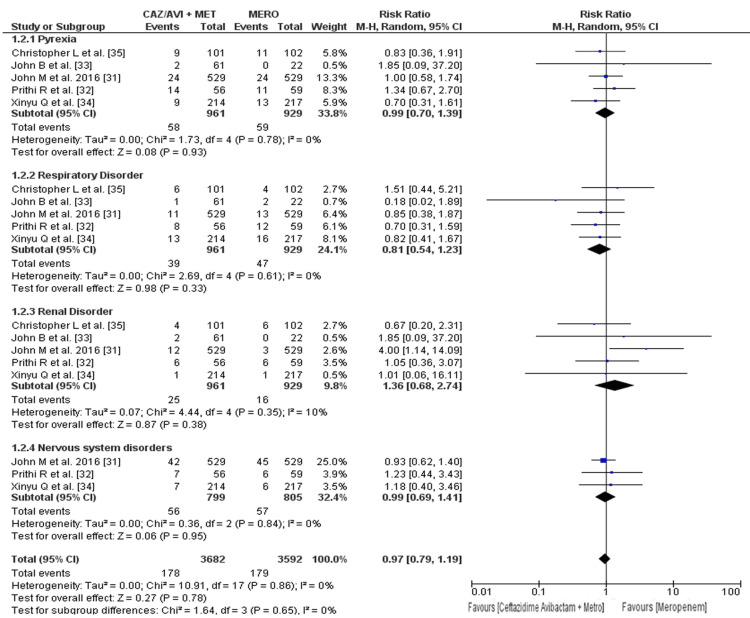 Figure 5
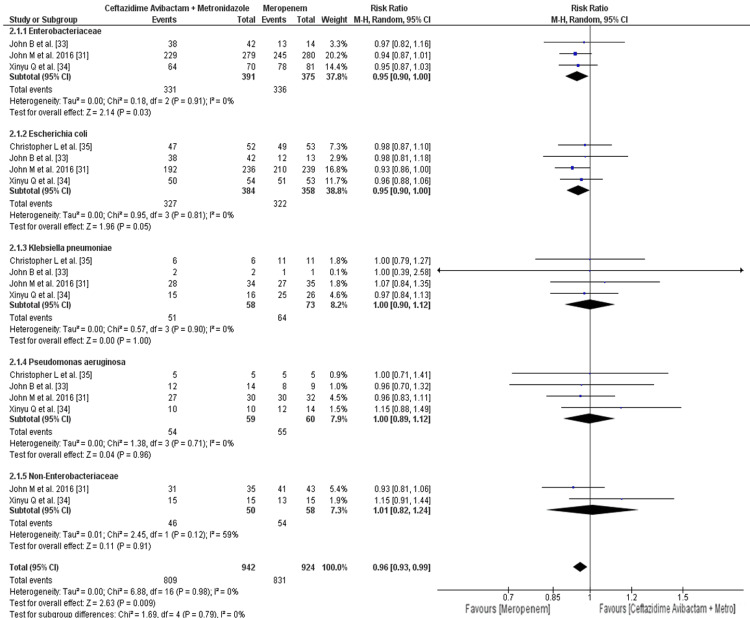 Figure 6
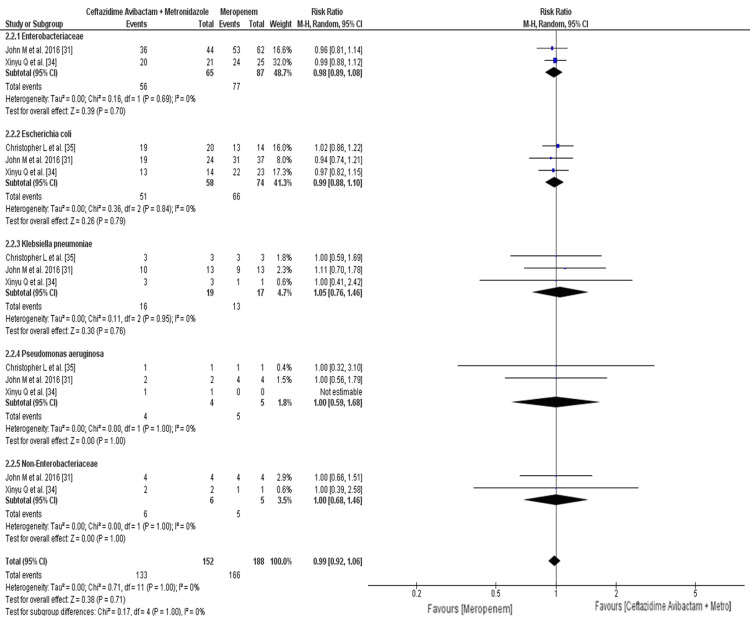 Figure 7
Peer Reviews
No public reviews on file for this paper yet. If you reviewed it on a platform where reviews are public (OpenReview, ICLR, NeurIPS, ICML), you can paste yours below so the community can read it here.
Videos
No videos yet. Explain this paper in a talk, walkthrough, or lecture? Add one.
Taxonomy
TopicsAntibiotics Pharmacokinetics and Efficacy · Appendicitis Diagnosis and Management · Antibiotic Resistance in Bacteria