Phenotype to genotype: A new and rapid approach using whole-genome sequencing
McKenna Feltes, Aleksey V. Zimin, Sofia Angel, Nainika Pansari, Monica R. Hensley, Jennifer L. Anderson, Meng-Chieh Shen, Mackenzie Klemek, Yi Shen, Vighnesh S. Ginde, Hannah Kozan, Nhan V. Le, Vivian P. Truong, Meredith H. Wilson, Steven L. Salzberg, Steven A. Farber

TL;DR
This paper introduces WheresWalker, a new method that uses whole-genome sequencing to quickly identify genes responsible for specific traits in organisms like zebrafish.
Contribution
WheresWalker is a novel algorithm that improves the speed and accuracy of mutation identification in forward genetic screens.
Findings
WheresWalker successfully identified mutations in zebrafish genes mttp, apobb.1, and mia2.
The method also discovered a new locus, slc3a2a, involved in ApoB-lipoprotein metabolism.
WheresWalker works across species and supports rapid positional cloning.
Abstract
Forward genetic screening is a powerful approach to assign functions to genes and can be used to elucidate the many genes whose functions remain unknown. A key step in forward genetic screening is mapping: identification of the gene causing the phenotype. Existing mapping methods use a bioinformatic mapping-by-sequencing approach based on allelic frequency calculations that often identify large genomic regions which contain an intractable number of candidate genes for testing. Here, we describe WheresWalker, a modern mapping-by-sequencing algorithm that identifies a mutation-containing interval and then supports positional cloning to shrink the interval, which drastically reduces the number of potential candidates, allowing for extremely rapid mutation identification. We validated this method using mutants from a forward genetic mutagenesis screen in zebrafish for modifiers of…
Genes, proteins, chemicals, diseases, species, mutations and cell lines named across the full text — each resolved to its canonical identifier and authoritative record.
Click any figure to enlarge with its caption.
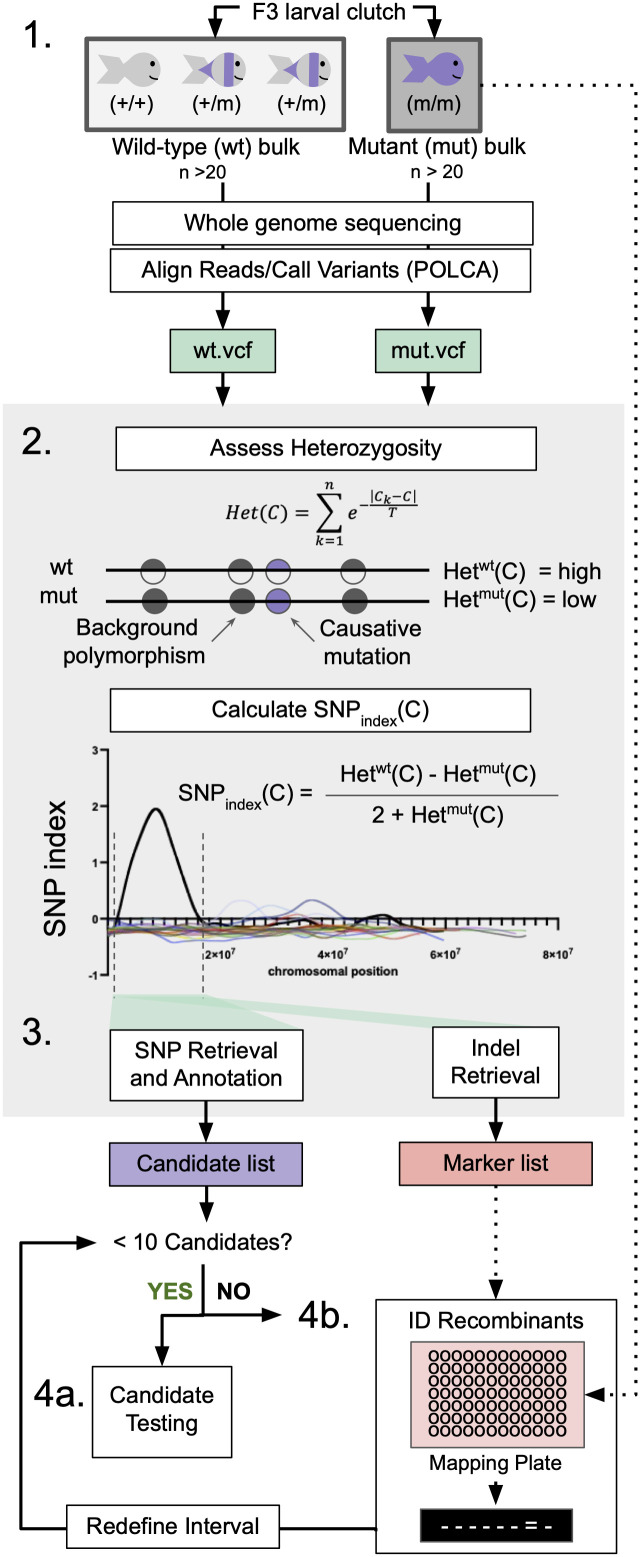 Figure 1
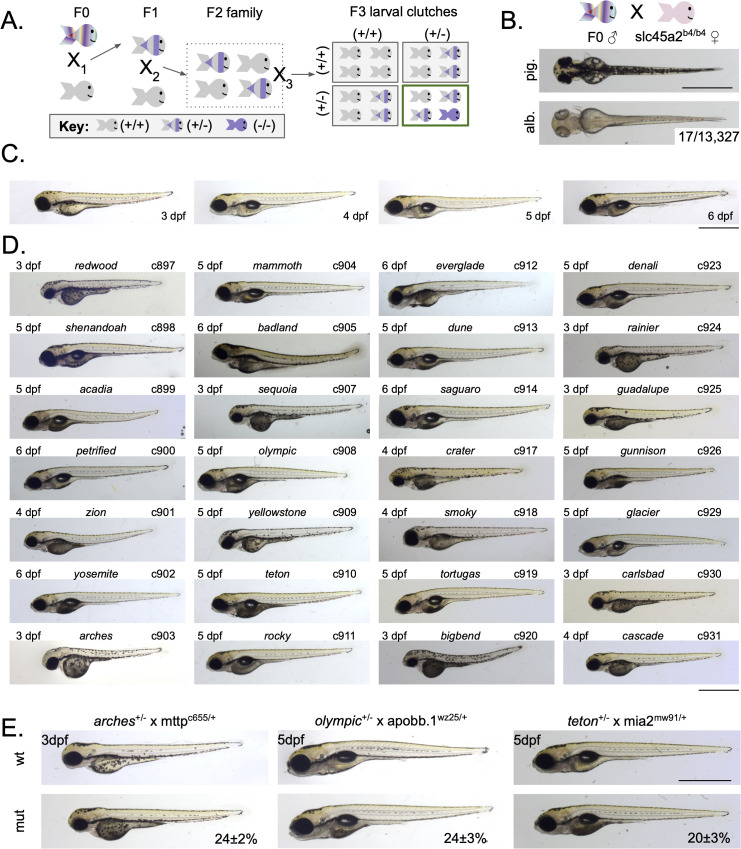 Figure 2
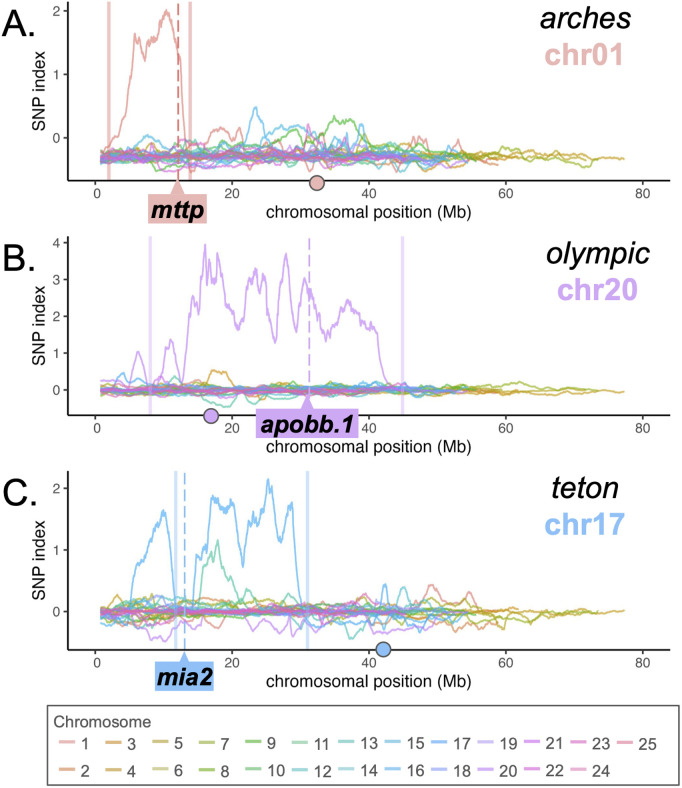 Figure 3
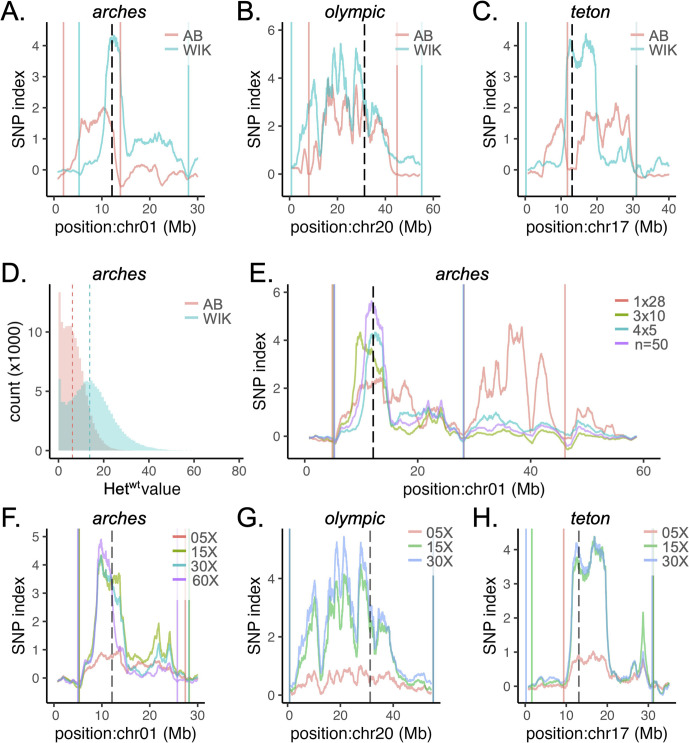 Figure 4
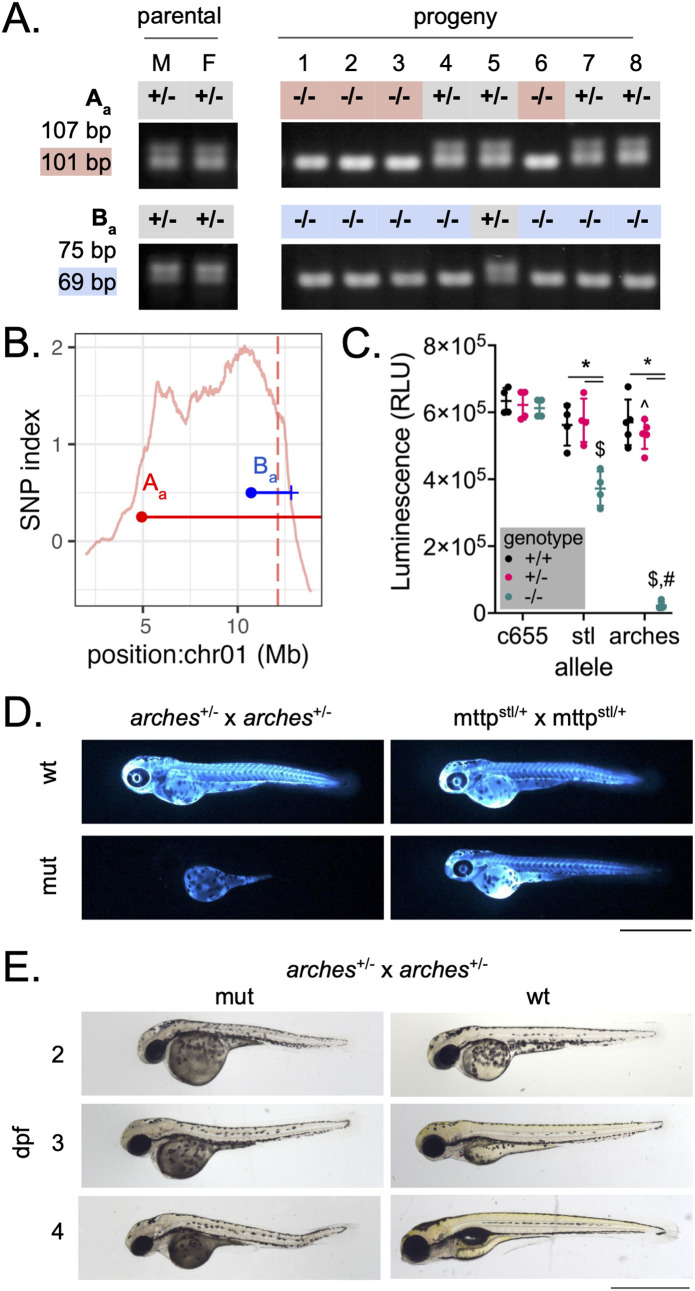 Figure 5
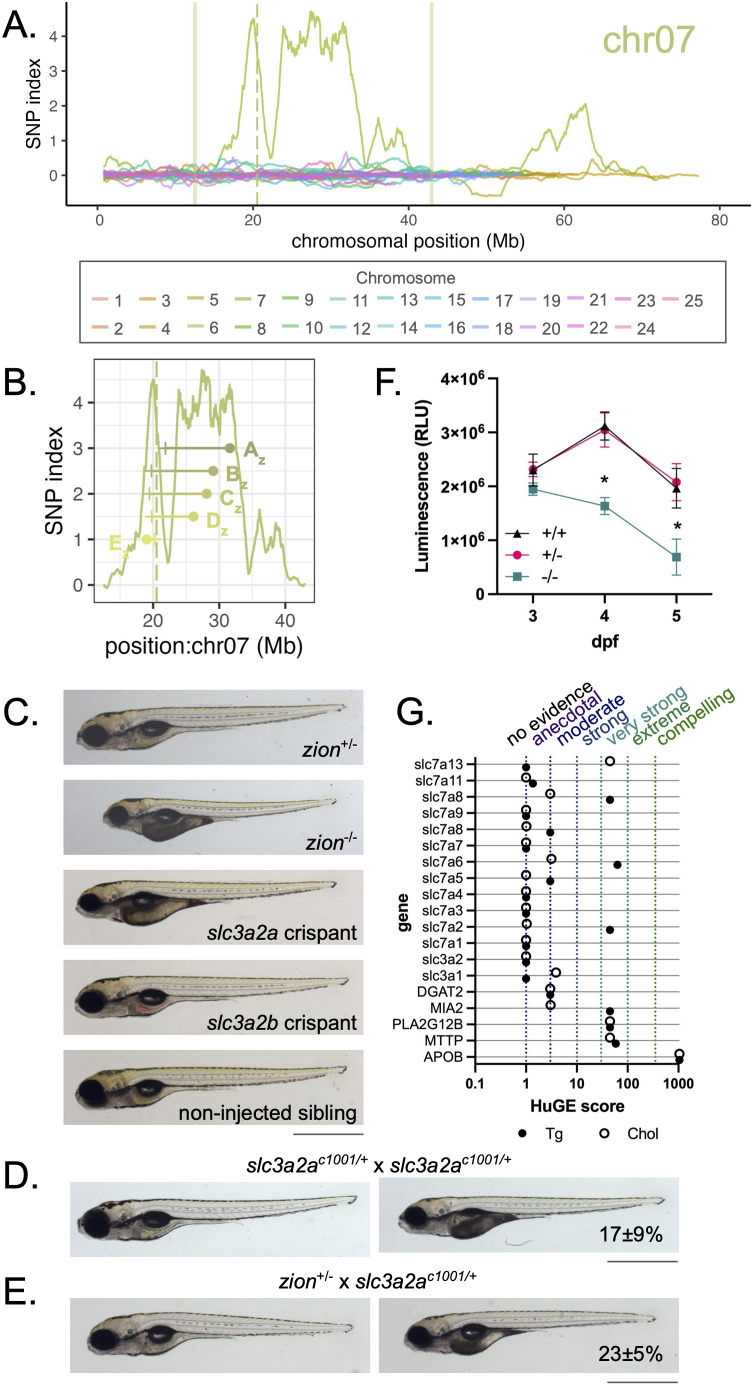 Figure 6
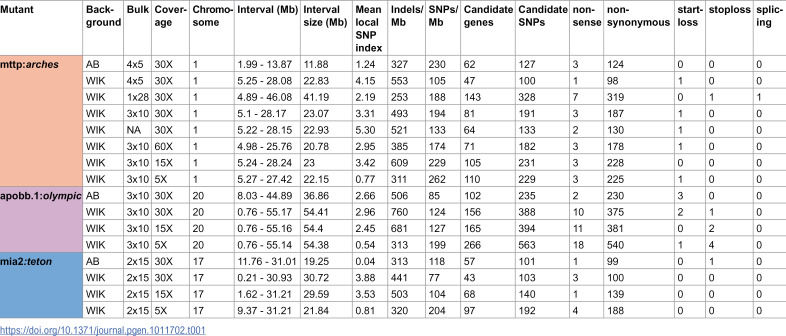 Figure 7
 Figure 8
Peer Reviews
No public reviews on file for this paper yet. If you reviewed it on a platform where reviews are public (OpenReview, ICLR, NeurIPS, ICML), you can paste yours below so the community can read it here.
Videos
No videos yet. Explain this paper in a talk, walkthrough, or lecture? Add one.
Taxonomy
TopicsGenomics and Phylogenetic Studies · RNA and protein synthesis mechanisms · CRISPR and Genetic Engineering