Optimization of the prostaglandin F2α receptor for structural biology
Marine Salze, Sébastien Chrétien, Tegvir S. Boora, Madalina Macovei, Eric Barbeau, Véronique Blais, Stéphane A. Laporte, Martin Audet

TL;DR
This paper describes how the prostaglandin F2α receptor was optimized for structural biology to better understand its function and interactions with ligands.
Contribution
The study introduces protein engineering strategies that significantly improve the purification yield and stability of the FP receptor.
Findings
The best FP construct achieved a yield of 1.5 mg/L and a stability of 59°C.
These improvements represent a threefold increase in yield and a 9°C increase in stability compared to the wild-type receptor.
The optimized FP construct is suitable for structural biology studies of ligand binding efficacy.
Abstract
Prostaglandin F2ɑ (PGF2ɑ) is a bioactive lipid derived from arachidonic acid and is involved in many physiological and pathophysiological processes, such as parturition, vascular tone regulation, glaucoma and inflammation. It acts by binding to the Prostaglandin F2ɑ receptor (FP), a G Protein-Coupled Receptor (GPCR) that mediates signaling events by engaging intracellular heterotrimeric G protein effectors. The orthosteric binding site of lipid-binding receptors displays greater efficacy-dependent plasticity that hinders the design of ligands. Solving the structure of FP with ligands of different efficacies at an atomic level is important to fully understand its mechanism of activation and inhibition. Most purified FP-ligand complexes are unstable in vitro. The development of new X-ray crystallography and single particle cryo-electron microscopy (cryoEM) strategies to understand…
Genes, proteins, chemicals, diseases, species, mutations and cell lines named across the full text — each resolved to its canonical identifier and authoritative record.
Click any figure to enlarge with its caption.
 Figure 1
 Figure 2
 Figure 3
 Figure 4
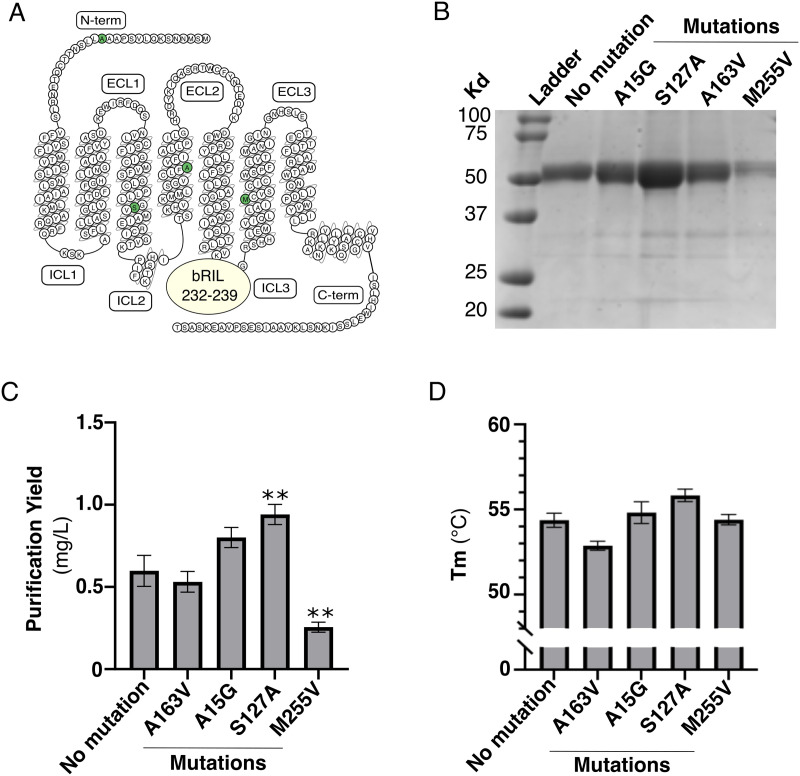 Figure 5
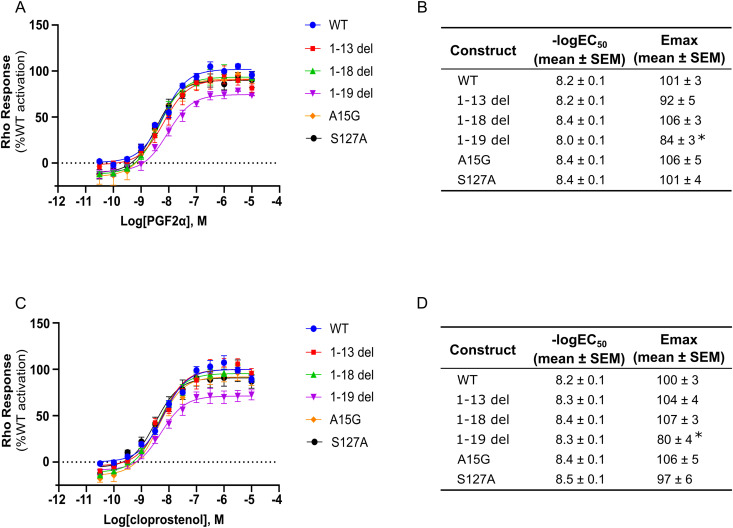 Figure 6
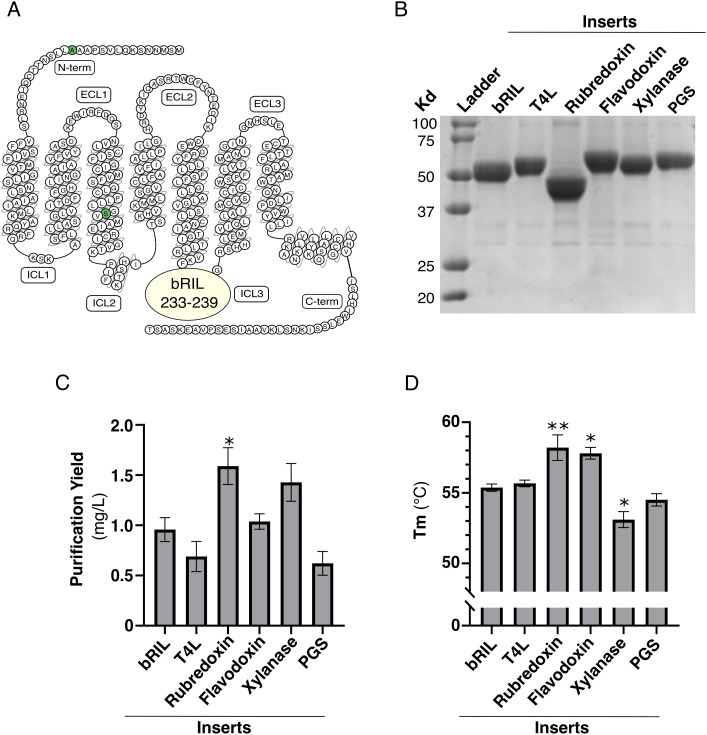 Figure 7
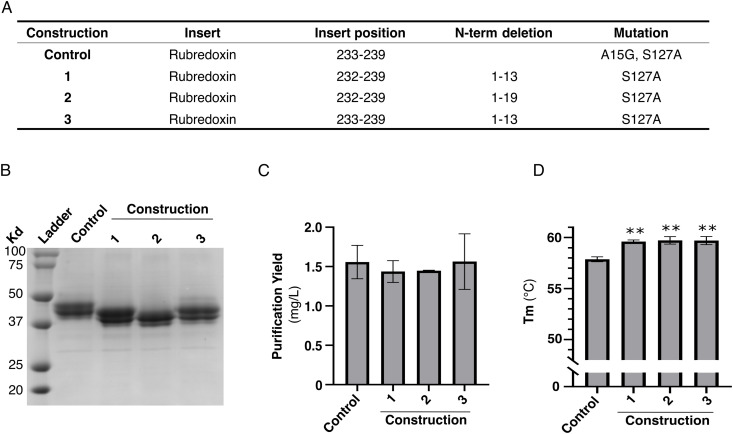 Figure 8
Peer Reviews
No public reviews on file for this paper yet. If you reviewed it on a platform where reviews are public (OpenReview, ICLR, NeurIPS, ICML), you can paste yours below so the community can read it here.
Videos
No videos yet. Explain this paper in a talk, walkthrough, or lecture? Add one.
Taxonomy
TopicsReceptor Mechanisms and Signaling · Inflammatory mediators and NSAID effects · Monoclonal and Polyclonal Antibodies Research