Metabolomics analysis of mechanism of improving quality of Schisandrae chinensis fructus by NO combining with high-temperature stress
Zhaoping Meng, Wei Zhang, Zixian Guo, Liyang Wang, Wenfei Liu, Ling Cao, Yuhua Zhang, Xiangcai Meng

TL;DR
This study shows that combining nitric oxide with high-temperature stress improves the quality of Schisandra chinensis fruit by boosting antioxidant secondary metabolites.
Contribution
The study reveals how exogenous NO and high-temperature stress enhance secondary metabolism in Schisandra chinensis fruits.
Findings
Exogenous NO and high-temperature stress increased ROS levels and PAL activity, simulating adversity stress.
Twenty-two differential metabolites were identified, with 17 secondary metabolites showing increased levels.
Primary metabolites were redirected to secondary metabolism to defend against ROS under stress conditions.
Abstract
The fruits of Schisandra chinensis (Turcz.) Baill. (Schisandrae chinensis fructus) are a well-known herbal medicine, known for its hepatoprotective, antidepressant, antioxidant, and sedative-hypnotic properties. Over-exploitation of wild resources led to the rise of cultivation, along with a decrease in quality. Exposure of plants to adversity must generate substantial quantities of reactive oxygen species (ROS) and result in cellular damage. In response, secondary metabolites are produced to neutralize ROS; these secondary metabolites are usually the active ingredient of herbal medicine, so the quality of herbal medicine is closely related to the environment and ROS. The interplay of exogenous Nitric Oxide (NO, supplied as sodium nitroprusside) and high-temperature stress can simulate adversity and improve the quality of Schisandrae chinensis fructus; neverless, the underlying…
Genes, proteins, chemicals, diseases, species, mutations and cell lines named across the full text — each resolved to its canonical identifier and authoritative record.
Click any figure to enlarge with its caption.
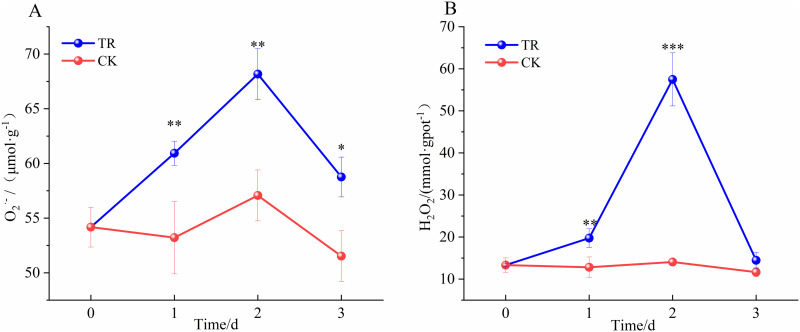 Figure 1
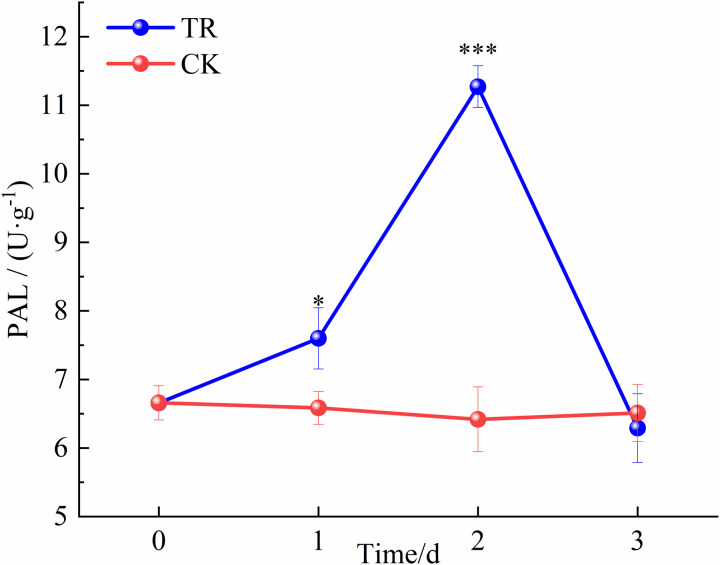 Figure 2
 Figure 3
 Figure 4
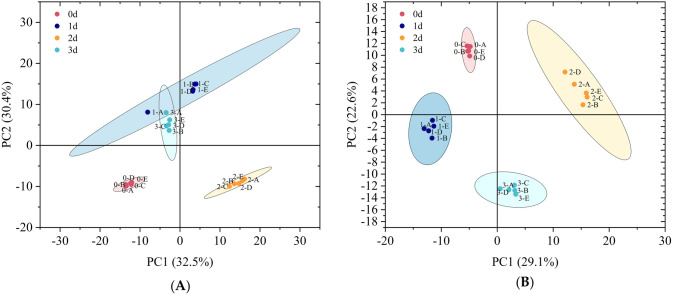 Figure 5
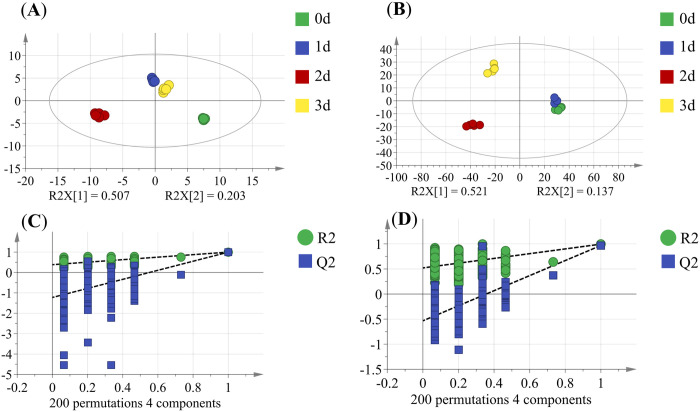 Figure 6
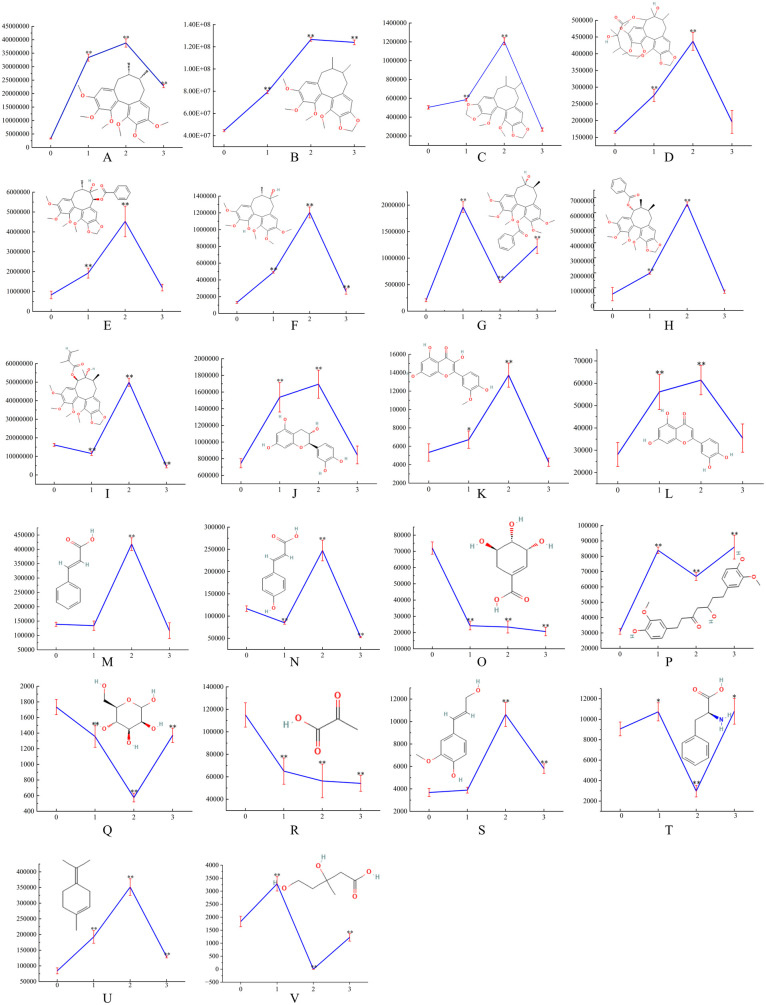 Figure 7
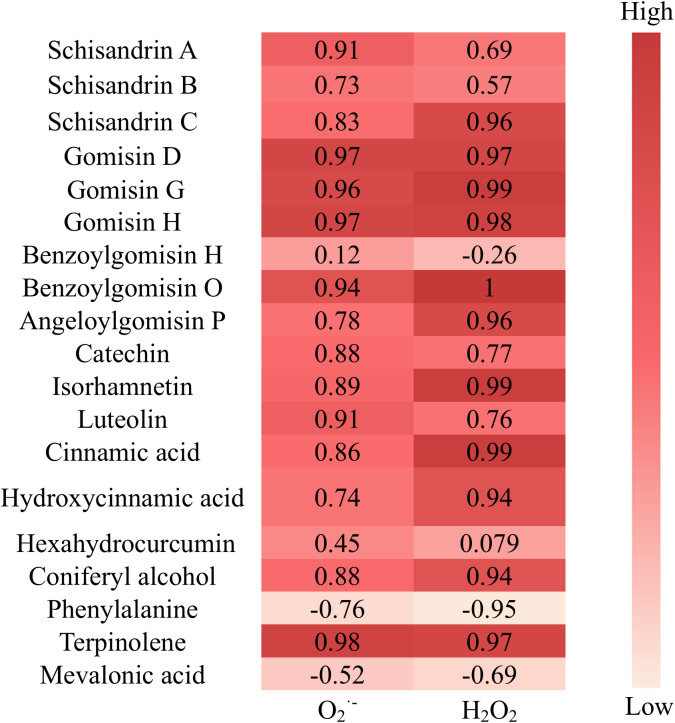 Figure 8
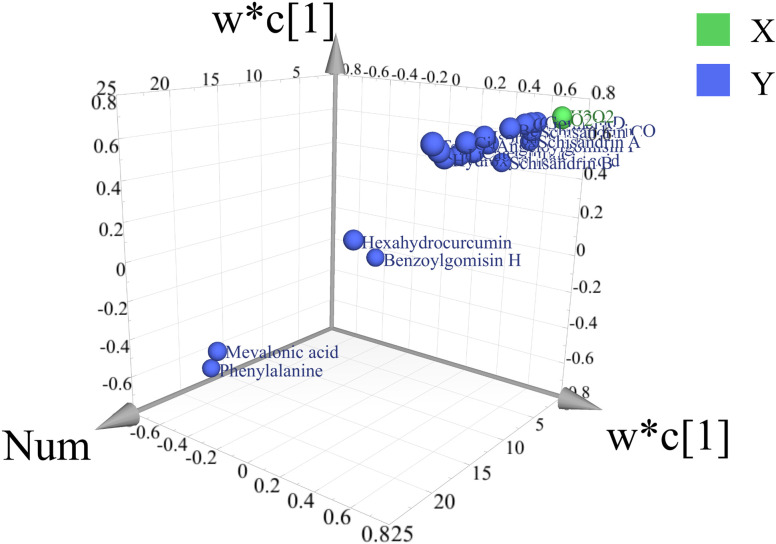 Figure 9
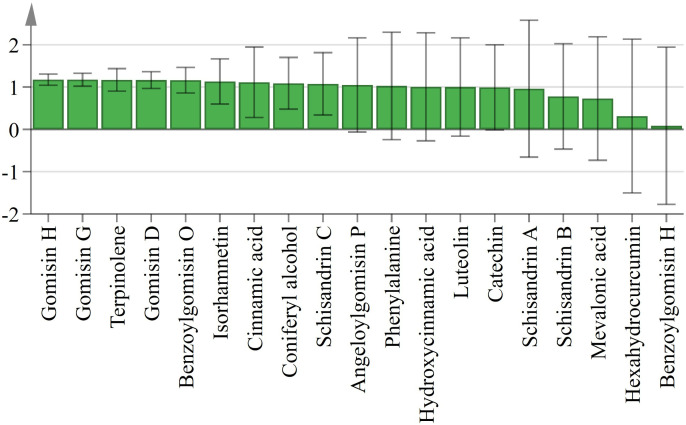 Figure 10
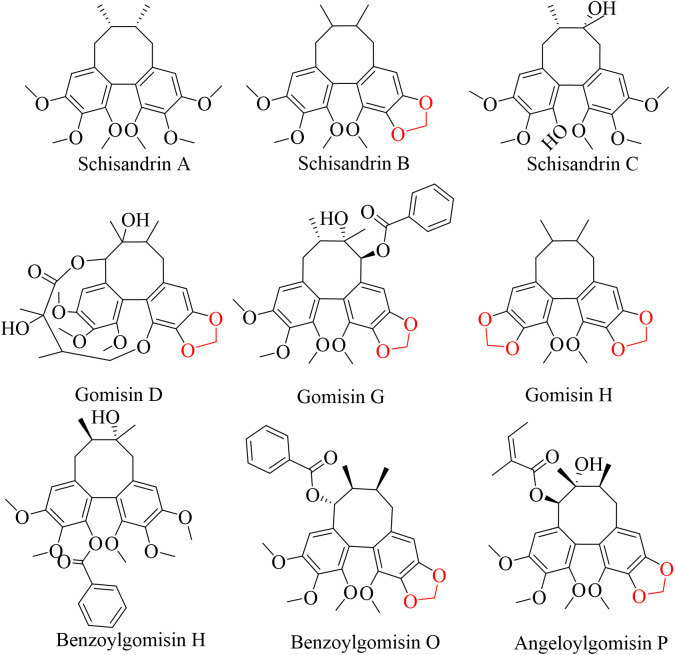 Figure 11
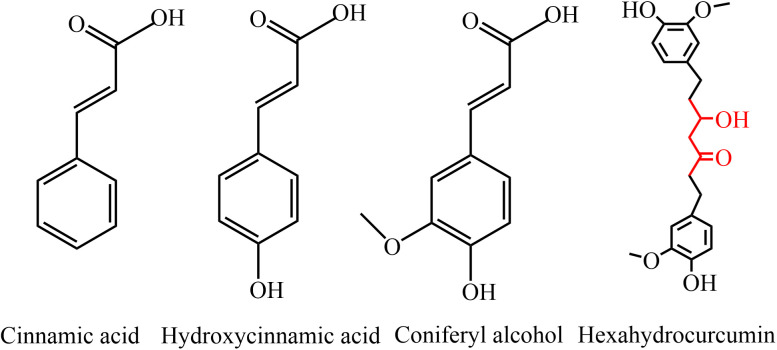 Figure 12
 Figure 13
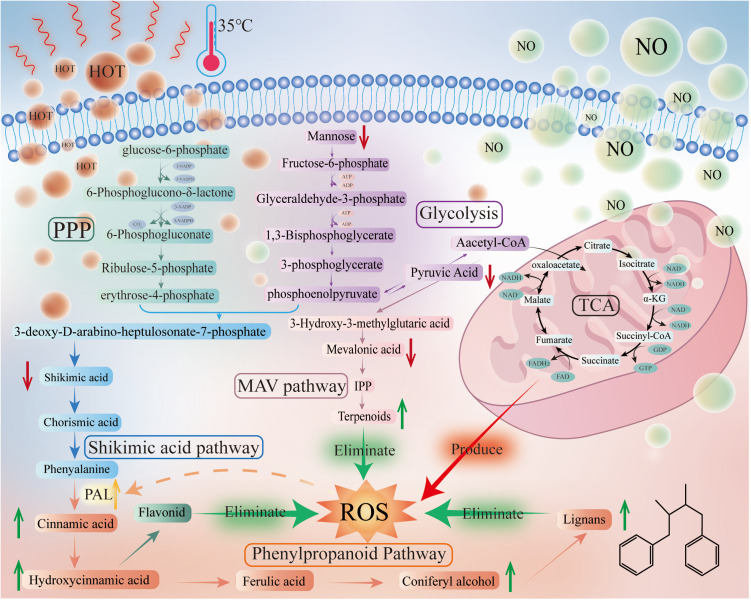 Figure 14
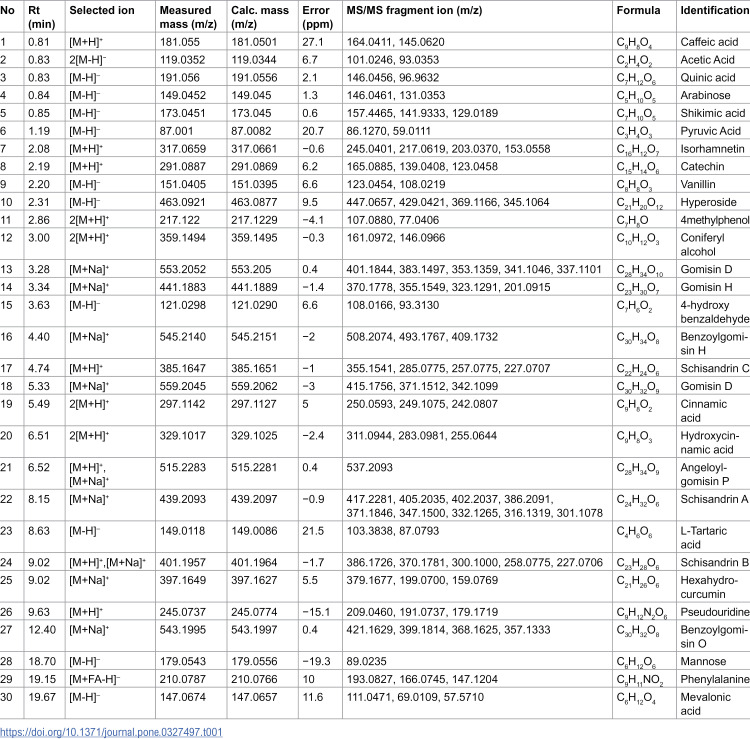 Figure 15
Peer Reviews
No public reviews on file for this paper yet. If you reviewed it on a platform where reviews are public (OpenReview, ICLR, NeurIPS, ICML), you can paste yours below so the community can read it here.
Videos
No videos yet. Explain this paper in a talk, walkthrough, or lecture? Add one.
Taxonomy
TopicsPlant-derived Lignans Synthesis and Bioactivity · Tryptophan and brain disorders · Genomics, phytochemicals, and oxidative stress