Evaluation of Changes in Pleural Pressure, Spirometry and Their Effects on Dyspnoea and the Six-Minute Walk Test (6-MWT) Following Thoracentesis for Symptomatic Pleural Effusion
Jineesh Joseph, Somenath Kundu, Prasanth Prasad, Aneesa Shahul

TL;DR
This study shows that removing fluid from the pleural space improves breathing and exercise capacity in patients with pleural effusion.
Contribution
The study provides new evidence linking pre-aspiration pleural pressure to dyspnoea and exercise intolerance in pleural effusion.
Findings
Thoracentesis significantly increased 6-MWT, FVC, and FEV1 while reducing dyspnoea scores.
Pre-aspiration pleural pressure strongly correlated with dyspnoea scores (ρ = 0.738).
Improvement in symptoms after fluid removal is attributed to reduced pleural pressure and respiratory muscle relief.
Abstract
Introduction The presence of pleural effusion impairs daily activity, including a decrease in exercise capacity. Aspiration of pleural fluid results in improvement of symptoms, but the impact, especially on exercise tolerance, has not been adequately studied. Methods Forty-eight patients with moderate to massive unilateral pleural effusion documented by chest radiograph were included in this prospective hospital-based study. The six-minute walk test (6-MWT), modified Borg dyspnoea scale, forced vital capacity (FVC), and forced expiratory volume in the first second (FEV1) were analysed before and 24 hours after the removal of pleural fluid. Pleural pressure was monitored during aspiration using over-dampened water manometer. Results The average fluid removed was 605.63 ± 74.94 mL. Following thoracentesis, 6-MWT, FVC, and FEV1 values increased (p < 0.05), whereas modified Borg…
Genes, proteins, chemicals, diseases, species, mutations and cell lines named across the full text — each resolved to its canonical identifier and authoritative record.
Click any figure to enlarge with its caption.
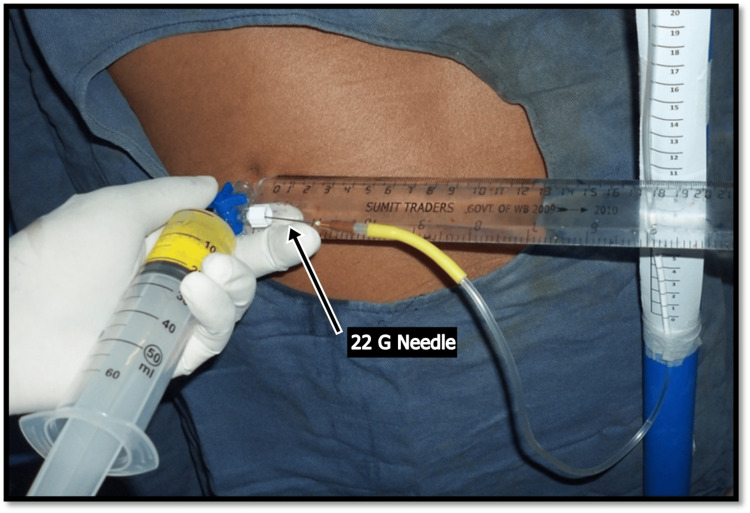 Figure 1
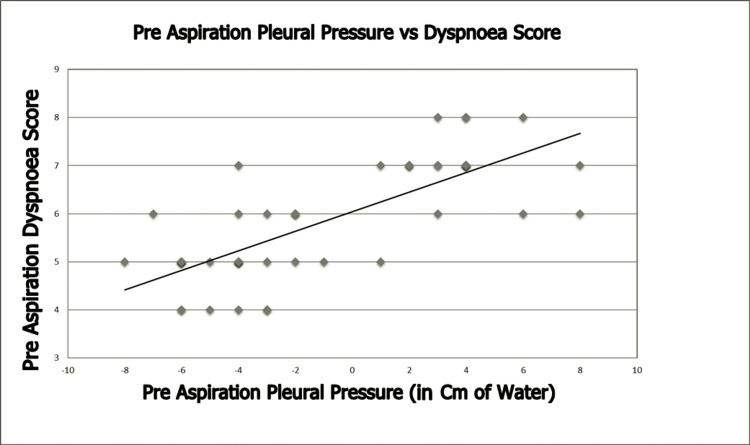 Figure 2
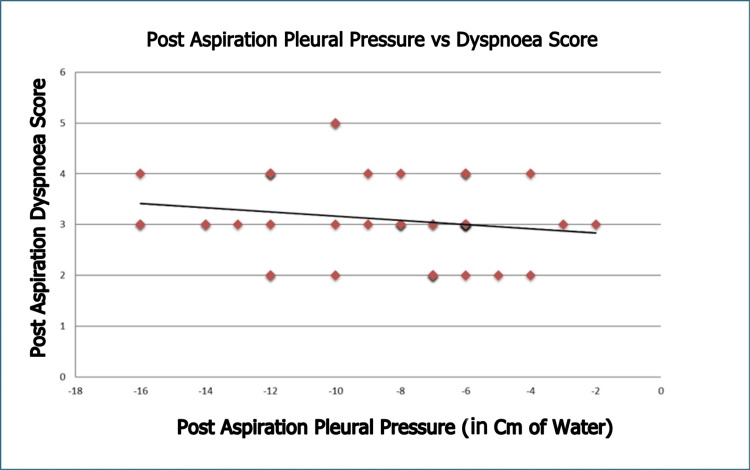 Figure 3
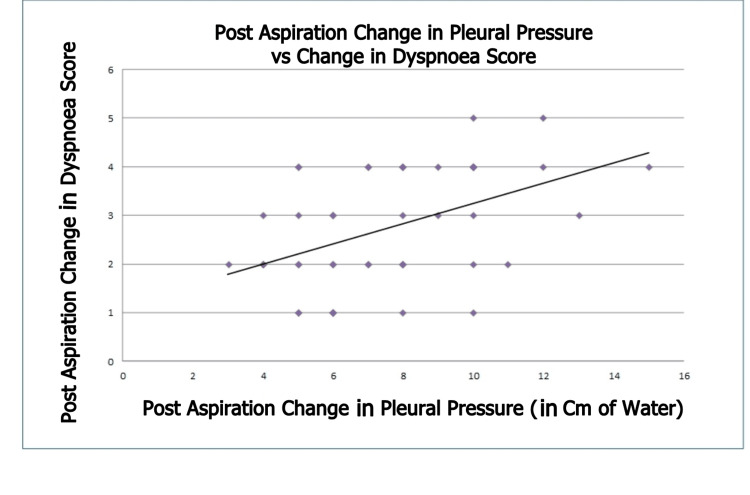 Figure 4
Peer Reviews
No public reviews on file for this paper yet. If you reviewed it on a platform where reviews are public (OpenReview, ICLR, NeurIPS, ICML), you can paste yours below so the community can read it here.
Videos
No videos yet. Explain this paper in a talk, walkthrough, or lecture? Add one.
Taxonomy
TopicsPleural and Pulmonary Diseases · Ultrasound in Clinical Applications · Trauma Management and Diagnosis