The lncRNA MAGI2-AS3 in peripheral blood mononuclear cells: a valuable biomarker for diagnosis and prognosis prediction of breast cancer
Shanmei Du, Hong Yang, Yong Yang, Kui Liu

TL;DR
This study shows that low levels of the lncRNA MAGI2-AS3 in blood cells are linked to worse outcomes in breast cancer patients and could help diagnose and predict prognosis.
Contribution
The study identifies MAGI2-AS3 in peripheral blood mononuclear cells as a novel potential biomarker for breast cancer diagnosis and prognosis.
Findings
MAGI2-AS3 expression is significantly lower in breast cancer patients' blood cells compared to healthy controls.
Low MAGI2-AS3 levels correlate with advanced cancer stages and shorter patient survival.
MAGI2-AS3 shows good diagnostic accuracy for breast cancer detection.
Abstract
Existing research has shown that long non-coding RNA (lncRNA) MAGI2 antisense RNA3 (MAGI2-AS3) expression is significantly decreased in breast cancer tissues and can inhibit breast cancer progression. However, the relationship between MAGI2-AS3 expression levels in peripheral blood mononuclear cells (PBMCs) and breast cancer remains unclear. This study aimed to explore the clinical significance of MAGI2-AS3 expression in PBMCs for diagnosing breast cancer and predicting patient prognosis. Real-time quantitative reverse transcription polymerase chain reaction (qRT-PCR) was used to detect MAGI2-AS3 expression in PBMCs from healthy donors and breast cancer patients. The chi-square test analyzed the associations between MAGI2-AS3 expression and breast cancer clinicopathological parameters. The Kaplan-Meier method evaluated the impact of MAGI2-AS3 on patients’ overall survival (OS), and…
Genes, proteins, chemicals, diseases, species, mutations and cell lines named across the full text — each resolved to its canonical identifier and authoritative record.
Click any figure to enlarge with its caption.
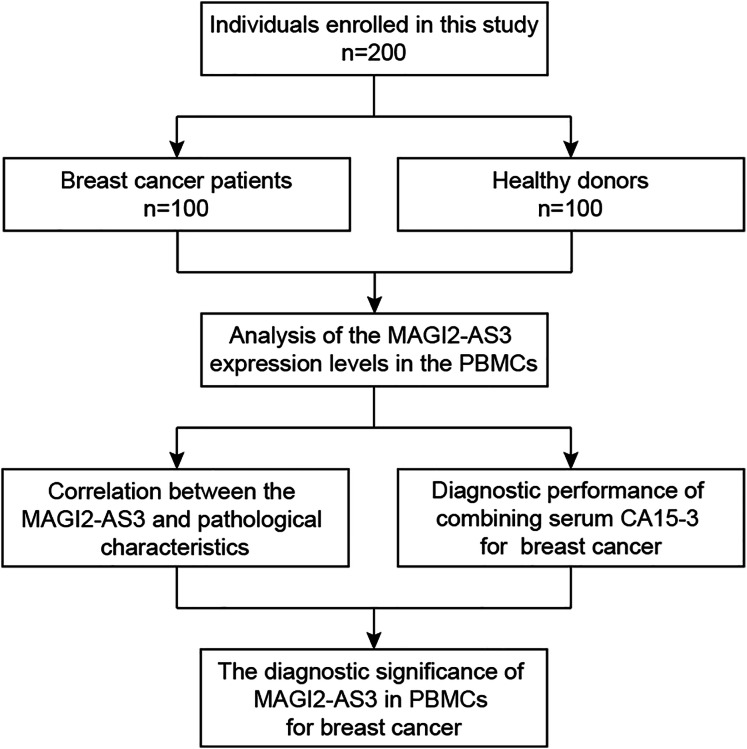 Figure 1
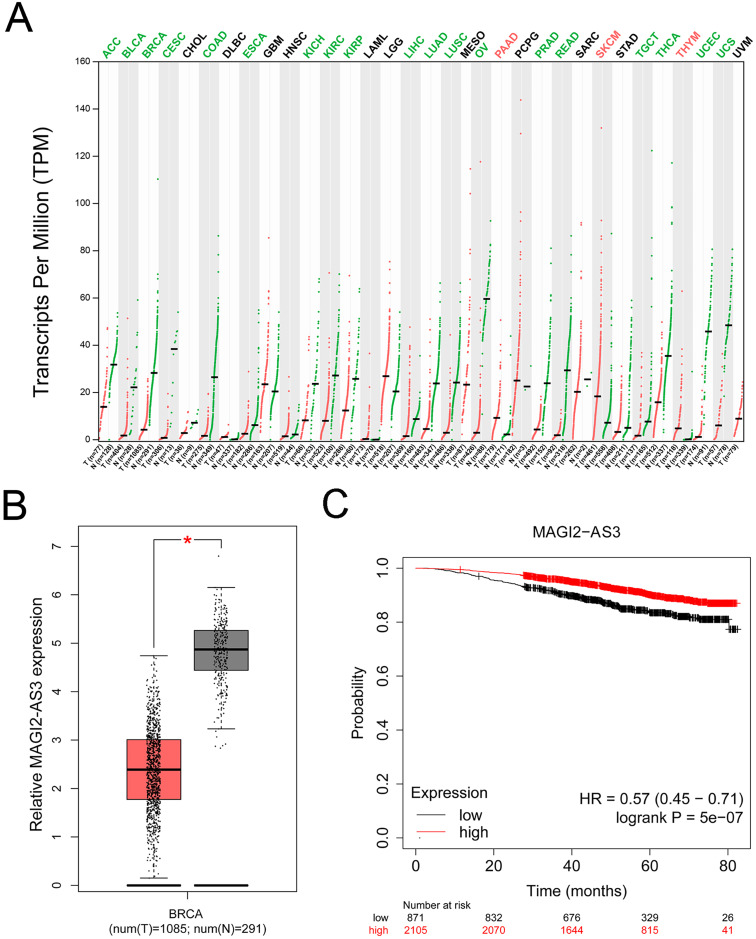 Figure 2
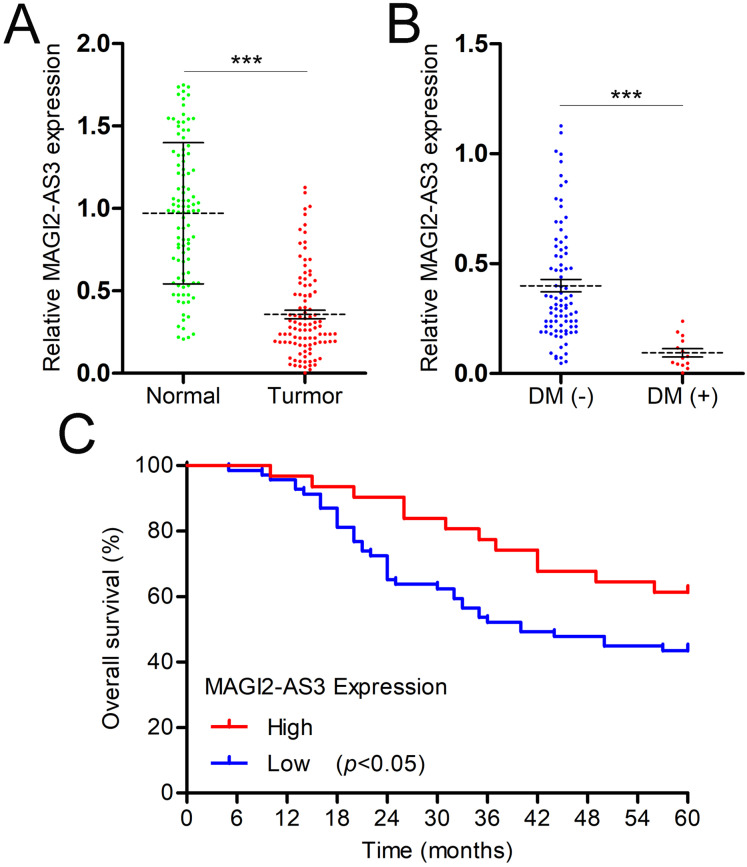 Figure 3
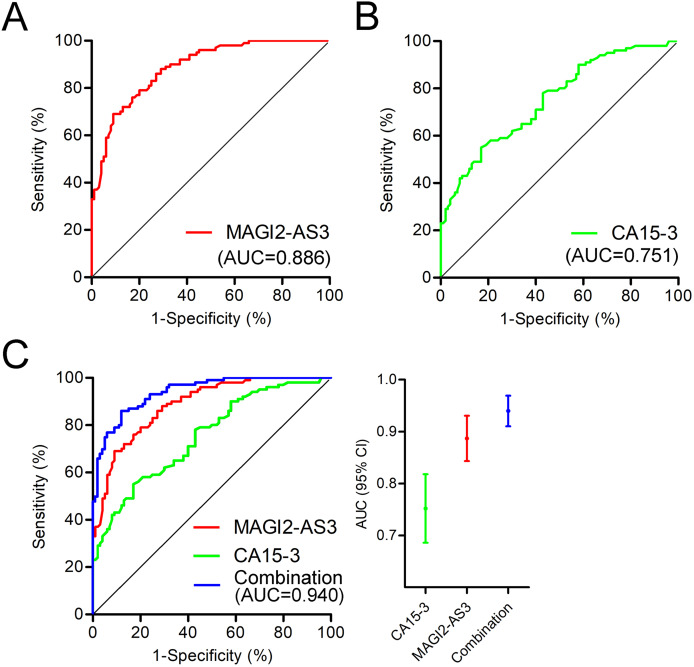 Figure 4
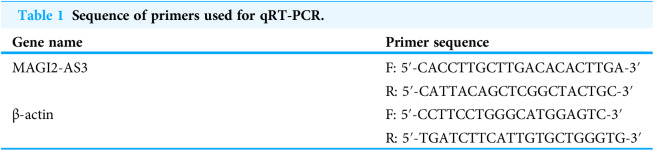 Figure 5
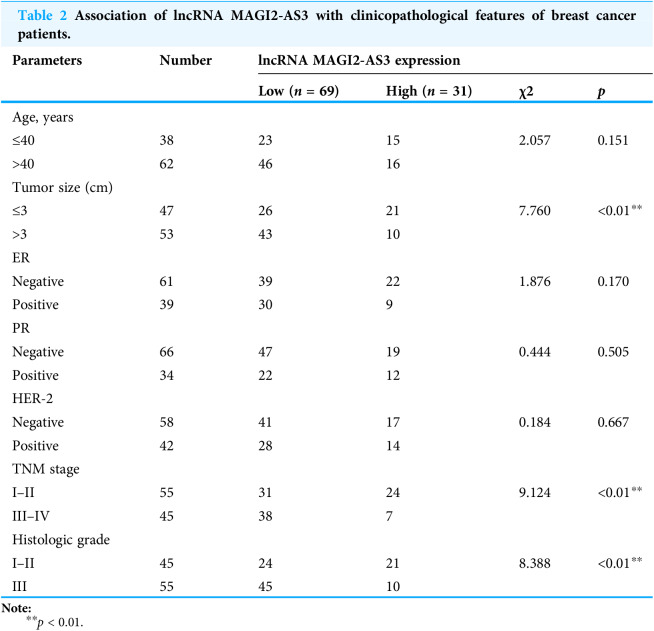 Figure 6
Peer Reviews
No public reviews on file for this paper yet. If you reviewed it on a platform where reviews are public (OpenReview, ICLR, NeurIPS, ICML), you can paste yours below so the community can read it here.
Videos
No videos yet. Explain this paper in a talk, walkthrough, or lecture? Add one.
Taxonomy
TopicsCancer-related molecular mechanisms research · RNA modifications and cancer · Circular RNAs in diseases