The Flexibility of Working Memory in Drawing on Episodic Long-Term Memory Representations in Serial Recall
Ana Rodriguez, Philipp Musfeld, Lea M. Bartsch

TL;DR
This study explores how working memory uses prior long-term memories to improve recall, showing that benefits come from retrieving full episodic memories rather than just item activation.
Contribution
The study demonstrates that working memory benefits from retrieving full episodic representations, not just item activation, during serial recall.
Findings
Pre-learnt word pairs improved memory for matching words in serial recall tasks.
Benefits for new words depended on encoding strategies like chunking and offloading.
Position within lists influenced the effectiveness of pre-learnt and novel words.
Abstract
Prior episodic long-term memory (LTM) can enhance working memory (WM) by improving recall of WM representations that match pre-learnt information and by freeing up capacity for new information. In this study, we investigated the flexibility of WM in doing so. Specifically, we tested whether WM can make use of pre-learnt item-item associations in a serial recall task, which typically requires the formation of item-positional bindings. We examined whether any benefits arise from accessing full episodic representations or from item activation, and assess whether the observed benefits are best explained by compression accounts during encoding (e.g., chunking, offloading) or by redintegration at test. Furthermore, we tested whether the benefits for pre-learnt and novel words depended on the position within the lists. Across three experiments, we consistently found that incorporating…
Genes, proteins, chemicals, diseases, species, mutations and cell lines named across the full text — each resolved to its canonical identifier and authoritative record.
Click any figure to enlarge with its caption.
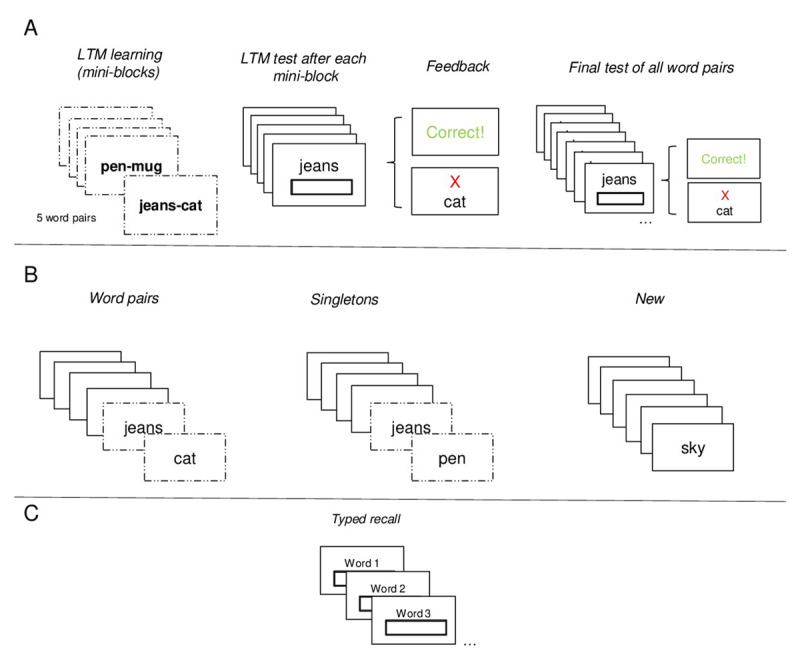 Figure 1
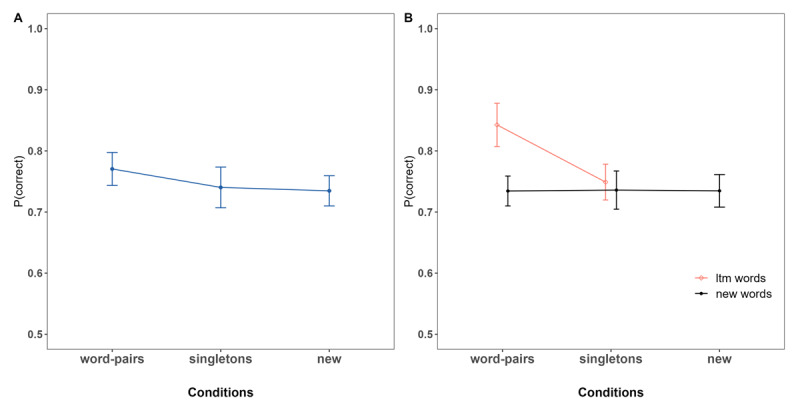 Figure 2
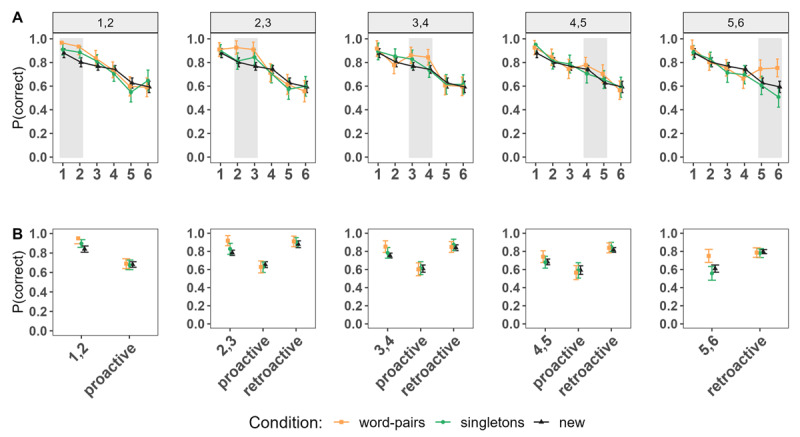 Figure 3
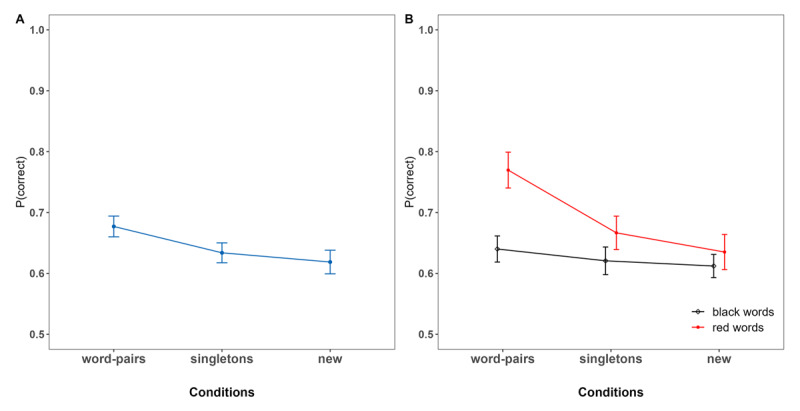 Figure 4
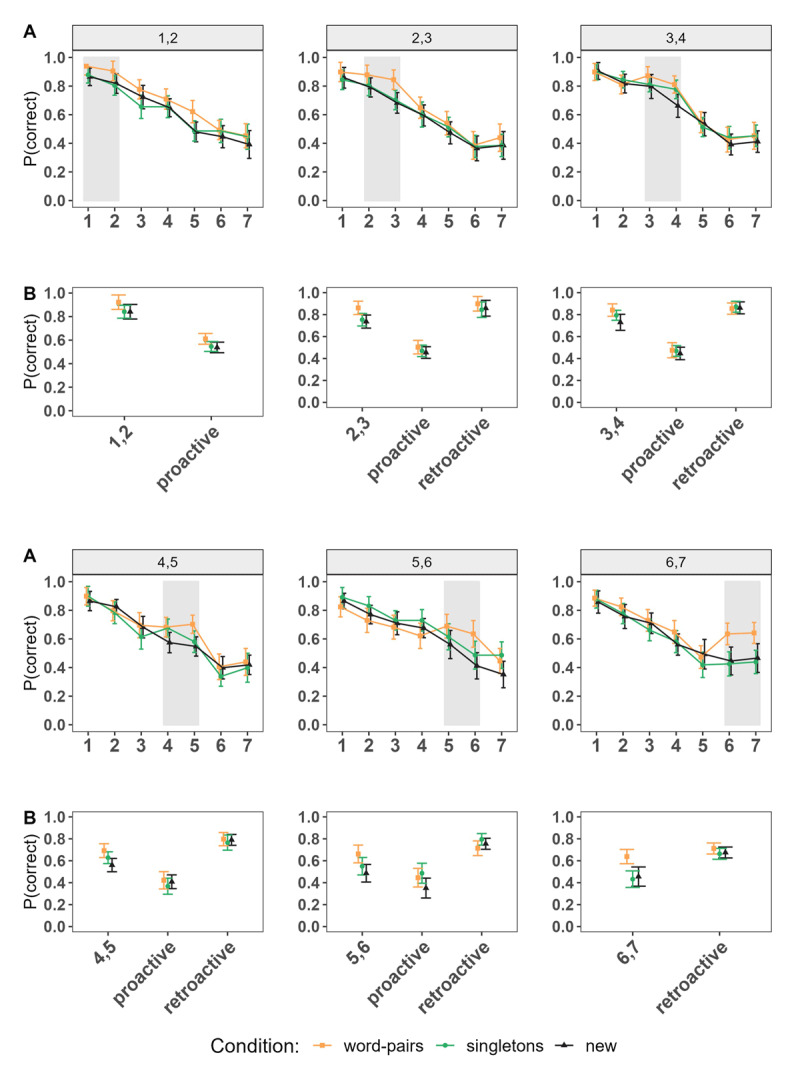 Figure 5
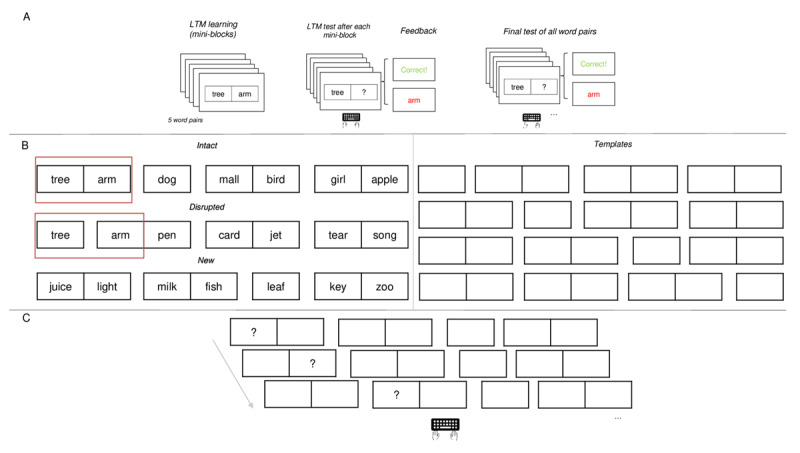 Figure 6
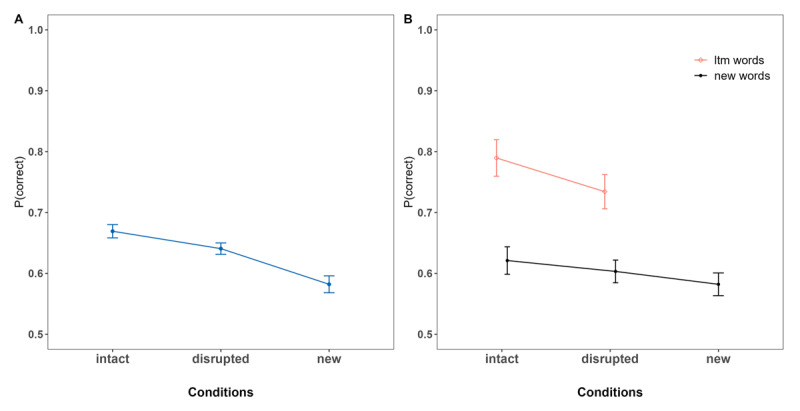 Figure 7
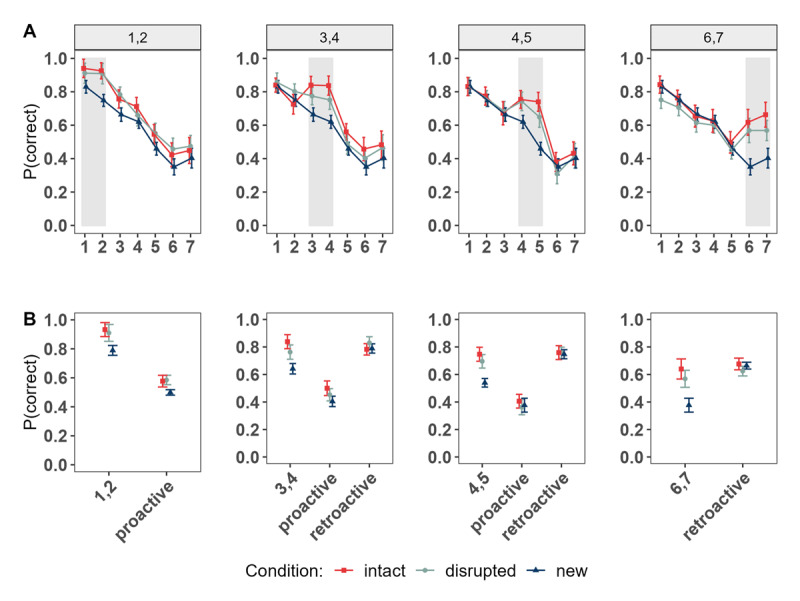 Figure 8
Peer Reviews
No public reviews on file for this paper yet. If you reviewed it on a platform where reviews are public (OpenReview, ICLR, NeurIPS, ICML), you can paste yours below so the community can read it here.
Videos
No videos yet. Explain this paper in a talk, walkthrough, or lecture? Add one.
Taxonomy
TopicsMemory Processes and Influences · Intelligent Tutoring Systems and Adaptive Learning · Cognitive Functions and Memory