A State-Transition-Free Delayed-Feedback Task Elicits Heterogeneous Human Responses
Satoshi Hirata, Yutaro Sato, Hika Kuroshima, Yutaka Sakai

TL;DR
This study explores how humans learn to connect actions with delayed outcomes, revealing significant individual differences in understanding and behavior.
Contribution
The study introduces a novel delayed-feedback task to investigate how humans cognitively link actions with outcomes that occur later.
Findings
Nine participants learned to choose an action leading to a delayed reward.
Participants showed varied explicit and implicit understanding of the task structure.
Individual differences included irrational biases and superstitious behaviors in action selection.
Abstract
Humans and nonhuman animals learn to perform actions by associating actions with outcomes. In everyday life, outcomes sometimes occur only after a delay, and at an unexpected moment. The ability to connect actions and delayed outcomes has received less attention than performance in tasks where rewards follow the most recent action. Here, following a previous study (Sato et al. 2023), we designed a learning task to investigate humans’ ability to link actions and outcomes which occurred after intervening choices. We prepared a total of six visual stimuli for use in three types of trials: A vs B, where choosing A immediately led to reward and choosing B was never rewarded, C vs D, where neither choice was immediately rewarded but choice of C led to reward in a later E vs F trial, and E vs F, where neither stimulus was associated with reward but a reward was given based on choice of C in…
Genes, proteins, chemicals, diseases, species, mutations and cell lines named across the full text — each resolved to its canonical identifier and authoritative record.
Click any figure to enlarge with its caption.
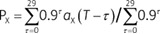 Figure 1
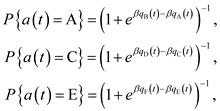 Figure 2
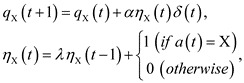 Figure 3
 Figure 4
 Figure 5
 Figure 6
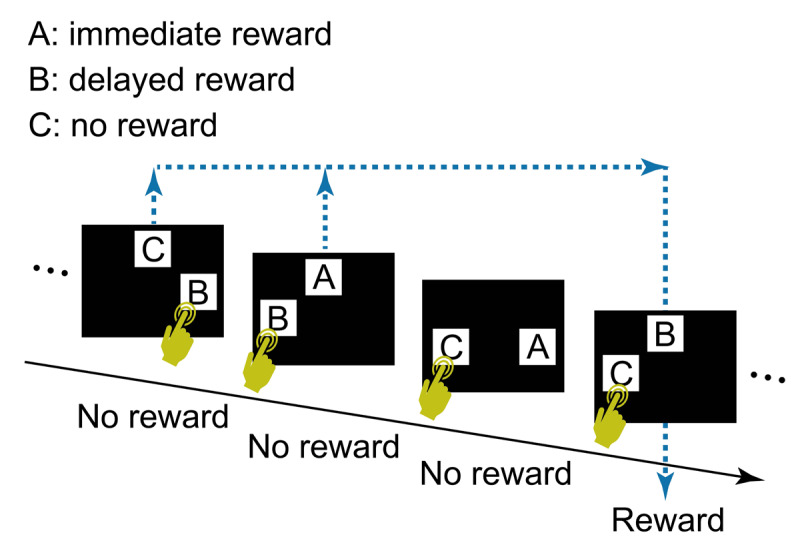 Figure 7
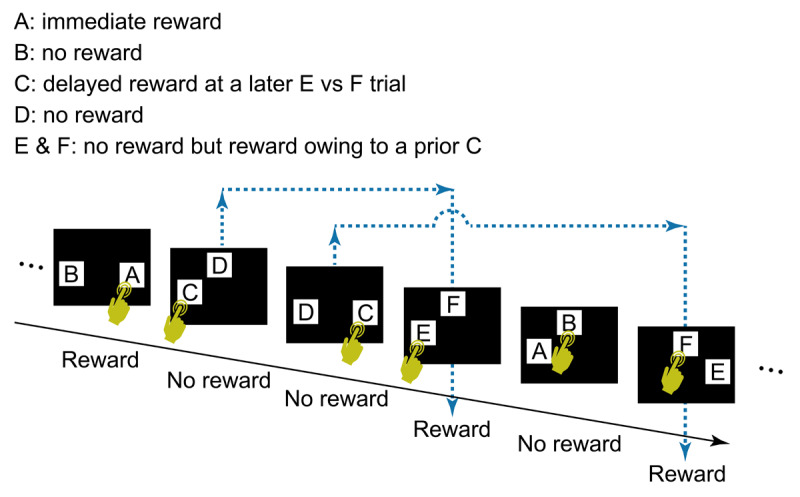 Figure 8
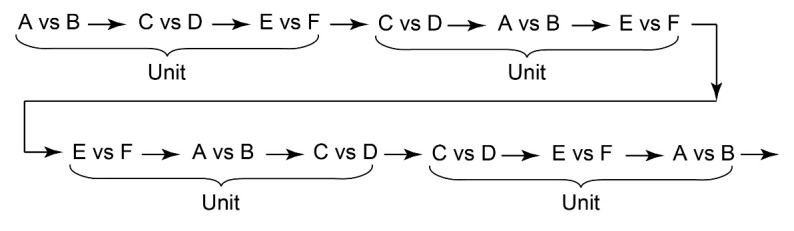 Figure 9
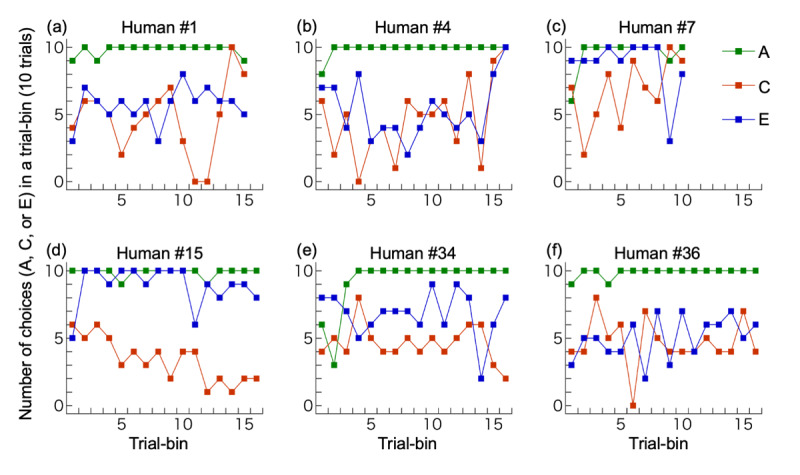 Figure 10
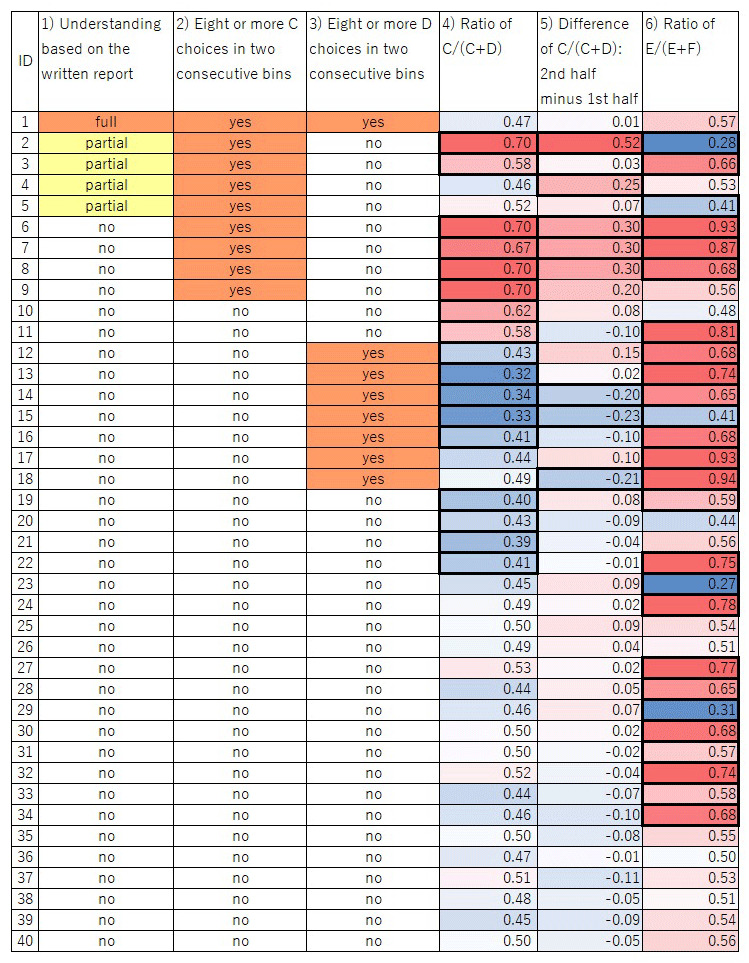 Figure 11
 Figure 12
 Figure 13
Peer Reviews
No public reviews on file for this paper yet. If you reviewed it on a platform where reviews are public (OpenReview, ICLR, NeurIPS, ICML), you can paste yours below so the community can read it here.
Videos
No videos yet. Explain this paper in a talk, walkthrough, or lecture? Add one.
Taxonomy
TopicsNeural dynamics and brain function · Control Systems and Identification · Gene Regulatory Network Analysis