Molecular Epidemiology and evolutionary characteristics of dengue virus serotype-2 strains in Sri Lanka
Dinuka Ariyaratne, Tibutius Thanesh Pramanayagam Jayadas, Chandima Jeewandara, Bhagya Senadheera, Malithi De Silva, Laksiri Gomes, Farha Bary, Ayesa Syenina, Diyanath Ranasinghe, Heshan Kuruppu, Ananda Wijewickrama, Eng Eong Ooi, Gathsaurie Neelika Malavige

TL;DR
This study tracks the evolution of dengue virus serotype-2 in Sri Lanka from 2016 to 2023, identifying mutations that may impact transmission and immune evasion.
Contribution
The study identifies specific non-synonymous mutations in DENV-2 envelope and NS1 regions circulating in Sri Lanka, some of which are novel and potentially impactful for viral behavior.
Findings
Sri Lankan DENV-2 strains from 2016 to 2023 belong to genotype II.F.1 lineage and are closely related to South and Southeast Asian strains.
15 non-synonymous mutations in the envelope region and 22 in the NS1 region were identified across all sequenced samples.
Some mutations are linked to increased viral replication, NS1 secretion, and immune evasion, while others are previously unreported.
Abstract
Surveillance and characterization of different dengue virus (DENV) lineages of different serotypes causing outbreaks is crucial for initiation of timely dengue control measures and for implementing dengue vaccines. Therefore, we characterized the DENV-2 strains in Sri Lanka from 2016, until end of 2023 and their evolutionary dynamics to understand the geographical spread and mutations arising with the DENV-2 serotypes in Sri Lanka Sequencing was carried out on 80 DENV-2 samples collected from patients with acute dengue recruited from 2016 to 2018 and on 12 DENV-2 samples from 2022 to 2023 using Oxford Nanopore Technology. Phylogenetic analysis was carried out using the IQ-TREE tool within Galaxy to construct a phylogenetic tree from the aligned sequence data. The sequences were also analyzed for non-synonymous amino acid changes in the envelope and NS1 regions. The Sri Lankan DENV-2…
Genes, proteins, chemicals, diseases, species, mutations and cell lines named across the full text — each resolved to its canonical identifier and authoritative record.
Click any figure to enlarge with its caption.
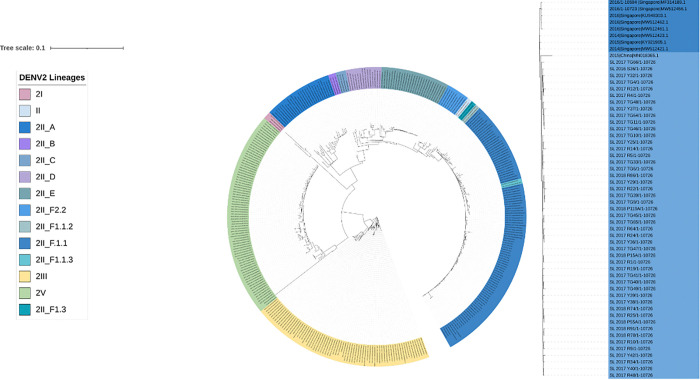 Figure 1
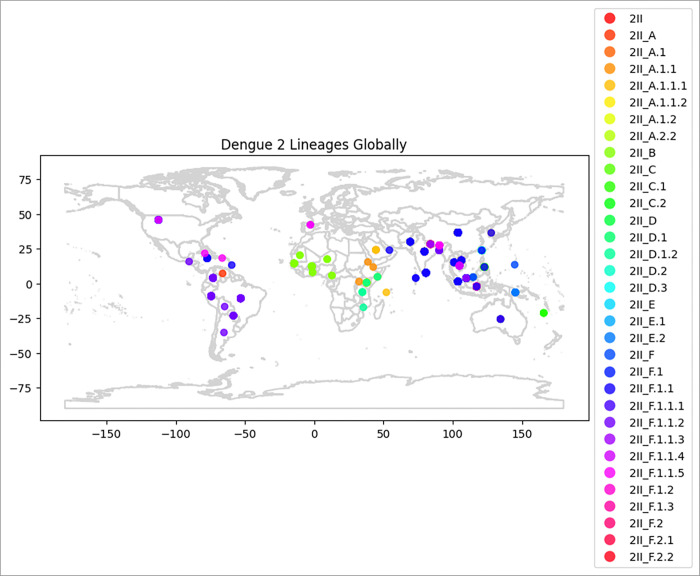 Figure 2
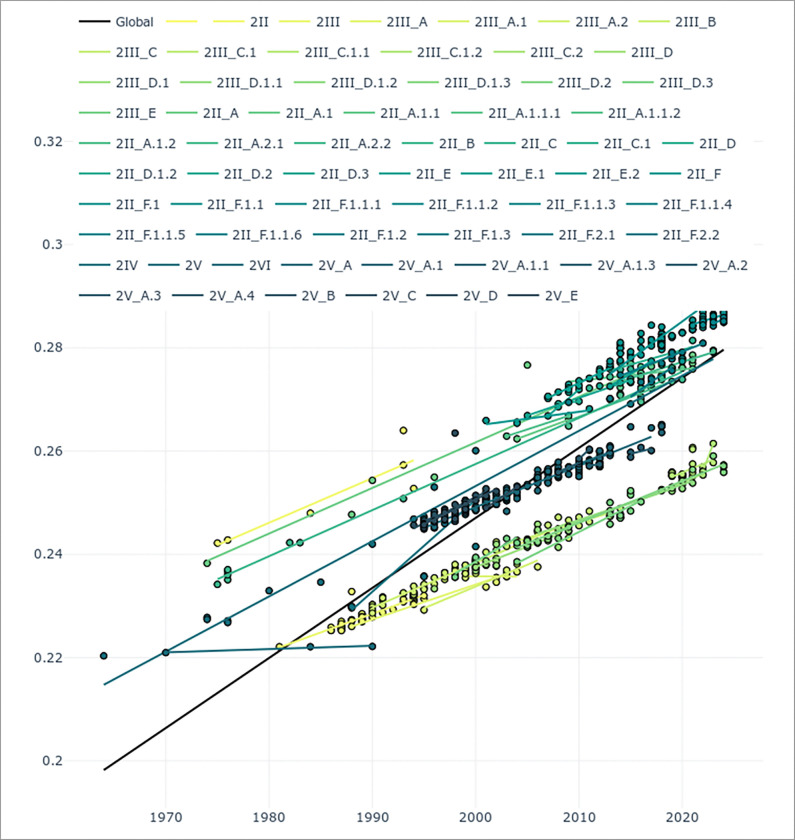 Figure 3
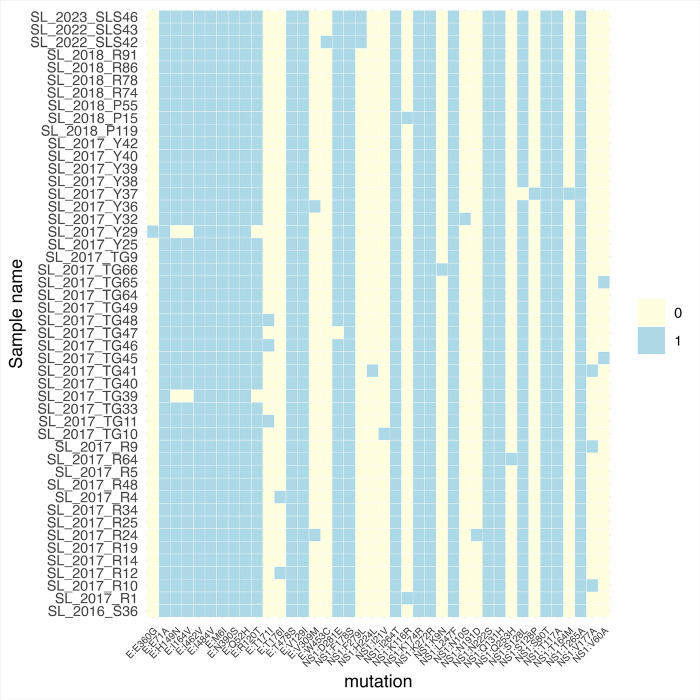 Figure 4
- —NIH, USA, Accelerating Higher Education Expansion and Development (AHEAD) Operation of the Ministry of Higher Education funded by the World Bank
- —National Medical Research Council of Singapore
Peer Reviews
No public reviews on file for this paper yet. If you reviewed it on a platform where reviews are public (OpenReview, ICLR, NeurIPS, ICML), you can paste yours below so the community can read it here.
Videos
No videos yet. Explain this paper in a talk, walkthrough, or lecture? Add one.
Taxonomy
TopicsMosquito-borne diseases and control · Viral Infections and Vectors · Malaria Research and Control
Background
There has been an alarming rise of dengue infections in all regions of the world, with year 2024 reporting the highest number of dengue cases so far [1]. 3.83 billion individuals (over 53% of the global population), is estimated to be living in areas that are suitable for dengue transmission and this is expected to rise further in future due to climate change [2]. Over 13 million cases were reported globally by August 2024, though the actual number is likely to be higher due to under reporting and the difficultly in clinically differentiating dengue from many other similar febrile infections[1, 3]. Yet, the number of dengue infections is forecasted to keep rising every year while spreading to new geographical regions due to multiple factors such as climate change, rapid urbanization, population displacements and possibly rapid evolution of the dengue virus (DENV)[4]. As a result, the World Health Organization has included it in the R&D Blueprint as an emerging pathogen of pandemic potential [5].
Dengue infections are caused by four related but genetically distinct dengue virus serotypes (DENV1 to 4), which share 60 to 70% homology with each other [6]. Each DENV serotype consists of multiple lineages with a nucleotide diversity of 6 to 8% [7]. Although DENVs are endemic in many countries in the tropical and subtropical regions, major shifts in the circulating DENV serotype leads to large outbreaks, overwhelming health care systems [8–11]. Moreover, due to increased transmission rates, many countries have reported co-circulation of multiple DENV serotypes and lineages resulting in outbreaks [12–14]. Different DENV lineages have been shown to result in different magnitudes of infectivity, viral titers and pathogenicity in in vitro models [15], with certain lineages known to cause more severe infection and larger outbreaks [16, 17]. These phenotypic differences between the DENV lineages may be attributed to sequence-dependent virus-host interactions. For instance, a single nucleotide substitution in an American DENV2 genotype may explain the lack of outbreak in Tonga in contrast to large number of severe dengue cases elsewhere in the Pacific during the early 1970s [18] Moreover, immunity from dengue vaccination and the use of Wolbachia mosquitoes in vector control may impose new selection pressures on DENV, thus creating the possibility of new virus lineages. Therefore, surveillance and characterization of circulating DENV lineages of different serotypes would be important to understand how they may affect clinical disease severity and transmission dynamics. In this study, we characterized the DENV-2 strains in Sri Lanka from 2016, until end of 2023 and their evolutionary dynamics to understand the geographical spread and mutations arising with the DENV-2 serotypes in Sri Lanka.
Methods
Recruitment of patients with acute dengue infection for serotyping PCR and DENV sequencing
Blood samples were collected from 582 adult patients who were clinically suspected to have an acute dengue infection, following informed consent during the period of July 2016 to October 2018, and again 467 adult patients were recruited between November 2022 to December 2023, in the National Institute of Infectious Diseases (NIID), Angoda, Sri Lanka. Quantitative real time PCR for detection of the four DENVs were carried out in all samples to determine the infecting DENV serotype using modified CDC primers as previously described[19].
Ethical Approval
Ethics approval for the study was obtained from the Ethics Review Committee, University of Sri Jayewardenepura and the administrative clearance was obtained from the Ministry of Health, Sri Lanka. All individuals gave informed written consent.
Whole genomic sequencing of the DENV2 that circulated in Sri Lanka during 2017 to 2018 and 2023
As DENV-2 was the predominant circulating serotype since mid-2016 and was responsible for over 95% of infections in 2017[16], 80/582 DENV2 positive samples from mid-2016 to end of 2018 and 12/467 DENV2 positive samples from November 2022 to December 2023 were selected for sequencing using an amplicon-based framework [20] All samples selected for sequencing passed the cycle threshold value of <25. Briefly, cDNA was synthesized from viral RNA using the SuperScript IV First-Strand Synthesis System (Life Technologies) – for the 80 samples collected from 2016–2018, or Lunascript (LunaScriptTM RT SuperMix Kit, New England Biolabs, E3010) – for the 12 samples collected between 2022–2023. Amplicons were then generated using Q5 Hot Start High-Fidelity DNA Polymerase (New England Biolabs) with DENV-2 specific primers. The PCR mixture was initially incubated for 30s at 98 °C for denaturation, followed by 35 cycles of 98 °C for 15 s and 65 °C for 5 min. The PCR products were then diluted 10-fold. Subsequently, the diluted amplicons were end-prepped and dA-tailed using NEBNext Ultra II End Repair/dA-Tailing Module. Native barcodes and sequencing adapters supplied in the EXP-NBD101/114 kit (Oxford Nanopore Technologies) were attached to the dA-tailed amplicons using NEB Blunt/TA Ligase 2x Master Mix and NEBNext Quick Ligation Kit, respectively. Finally, 15 ng of DNA library was loaded on to the R9.4.1 flow cell following the SQK-LSK109 ligation sequencing kit (Oxford Nanopore Technologies) protocol, the sequencing run was performed on the Minion Mk1b (Oxford Nanopore Technologies) for a total of 24 hours. Reads were basecalled using the MinKnow software.
Bioinformatics analysis
The sequences were analyzed and compared with other DENV-2 sequences from Sri Lanka collected in 1996 (GenBank FJ882602.1) and 2003 (GenBank GQ252677.1), accessed from GISAID. The initial alignment of the FASTA files was done with MAFFT and the phylogenetics tree was built using IQTree. The sequences were then analyzed for non-synonymous amino acid changes in the envelope and NS1 regions. Out of these non-synonymous changes, we selected the amino acid mutations unique to the 2016/2017/2018 and 2022/2023 sequences compared to the reference genome (GenBank NC001474.2)
Generation of Maximum-Likelihood Tree
After generating FASTA files for all sequences sequenced in 2017 to 2023, sequences with more than 70% coverage overall and 100% coverage of E and NS1 regions were selected (n=48). They were aligned with the reference sequence NC 001474.2 and previous Sri Lankan DENV-2 sequences from 1996 (GenBank FJ882602) and 2003 (GenBank GQ252676) using MAFFT [21]by running on the public server of the web platform Galaxy (http://usegalaxy.org).
These aligned sequences were run in Nextclade [22] website (https://clades.nextstrain.org) to classify the genomes based on the latest classification [7](https://dengue-lineages.org/ )and to analyze the non-synonymous mutations and resulting amino acid changes in the E andNS1 regions. Publicly available DENV-2 sequences (n=362) were downloaded from NCBI Virus [23]database. The sequences were filtered to obtain complete whole genome sequences from Asia and South America between 01.01.1994–28.10.2024. These sequences (n=425) were aligned with the previous sequences and redundant sequences were removed. The aligned sequences were then used to build a maximum-likelihood tree (1000 bootstraps) using IQ-Tree[24]. The tree was then visualized in the online tree viewing platform Interactive Tree of Life [25] (https://itol.embl.de/), colour coded and annotated.
Molecular Clock Analysis
We undertook a comprehensive approach for molecular clock analysis of DENV-2, starting with sequence collection and preparation. Initially, we gathered a total of 63 DENV-2 sequences from Sri Lanka, which were organized in FASTA format. To supplement this dataset, we retrieved additional DENV-2 sequences from the National Center for Biotechnology Information (NCBI) database, specifically focusing on sequences from human hosts with a minimum length of 10,000 nucleotides. We excluded sequences from environmental sources and laboratory-passaged sequences, resulting in the collection of 754 sequences.
Next, we standardized the FASTA headers across both the Sri Lankan and NCBI datasets using a Python script to ensure consistency, adopting the format: >Reference_Description_Date. These sequences were then uploaded to the Galaxy platform using its “Upload Data” tool for data processing, where we merged them into a single FASTA file with the “Concatenate FASTA” tool, culminating in a combined dataset of 817 sequences. Subsequently, we performed multiple sequence alignment using MAFFT in Galaxy, and any sequence lacking a recorded collection year was eliminated from the dataset. To enhance clade annotation, we uploaded the aligned sequences to Nextclade, which provided clade information that was then downloaded in Excel format. We created a comprehensive metadata CSV file containing sequence names, collection dates, and clade information, ensuring that any sequence missing date or clade information was excluded.
For phylogenetic analysis, we employed the IQ-TREE tool within Galaxy to construct a phylogenetic tree from the aligned sequence data, subsequently downloading the tree in Newick format. The resulting phylogenetic tree file, along with the metadata CSV, was utilized as input for Clockor2[26] to conduct the molecular clock analysis. Clockor2 facilitated root-to-tip regression analysis, allowing us to infer both global and local strict molecular clocks. During this analysis, it was observed that NCBI sequences belonging to clade 2I exhibited a downward regression trend, prompting their removal to ensure accurate molecular clock estimation. The decision to exclude these sequences was based on their deviation from expected evolutionary rates, which could potentially introduce bias into the molecular clock inference.
Geospatial Mapping of Dengue Serotype 2 lineages
For visualizing the geographical distribution of DENV-2 lineages, we leveraged a geospatial visualization approach utilizing Python’s geospatial data libraries. First, we loaded the metadata of DEN-2, which included information on sequence lineages and their locations, from a TSV file into a Pandas DataFrame. This metadata file was downloaded from the Nextstrain platform for comprehensive genomic analysis of DENV-2.
To map these data points, we utilized a Natural Earth shapefile representing world countries at a high resolution (10m scale). This shapefile was loaded as a GeoDataFrame using the Geopandas library, ensuring that the geographical information of each country could be effectively utilized in plotting. Certain location names in the metadata, like ‘California (USA)’ and ‘Florida (USA)’, were standardized to ‘United States of America’ to ensure accurate mapping. We then merged the metadata DataFrame with the GeoDataFrame of world countries based on location names, aligning DENV-2 lineage data with their respective geographical geometries.
The resulting GeoDataFrame was filtered to retain only valid geometries, and centroid calculation was performed for plotting purposes. We utilized Matplotlib to initialize a plot, setting the world map boundaries with a light grey color. The DENV-2 lineage points were overlaid on this map, color-coded according to lineage, using the HSV colormap for differentiation.
Statistical Analysis
R (version 4.4.1) using R packages stats, dplyr, ggplot2, ggpubr, tidyverse,ggsignify, patchwork, pheatmap. K-means clustering was conducted using R with the stats package. We chose k = [3] based on the elbow method. The kmeans function was then applied with nstart = 20 to minimize the risk of local optima. All the R and Python code used for analysis and figure generation can be accessed at: https://github.com/AICBU/DENV2_SriLanka.
Results
Full-length genomic sequence of the circulating DENV-2 in Sri Lanka
The largest dengue outbreak in Sri Lanka was happened in 2017 due to the emergence of DENV-2 resulting in 186,101 hospital admissions [16]. Whole genome sequencing of DENV2 positive samples collected during the outbreak between 2016–2018 (Supplementary Table 03) found the circulating DENV2 strain to be genotype II, major lineage F and minor lineage 1 (genotype II.F.I) based on the latest classification of DENVs (Figure 1)[7]. Phylogenetically, the 2017/18 sequences were closely related to strains circulating during the same period in China and other Asian countries such as Thailand, Singapore and Malaysia (Figure 1). DENV2 positive samples were also collected between 2022–2023(Supplementary Table 04). The whole genome sequencing on these samples revealed they were of the same genotype II F1.1 strain as the 2017/2018 samples. The 2017/2018 and 2022/2023 sequences formed a new DENV-2 genotype II.F.I clade, clustering with other previously reported 2017 Sri Lankan DENV-2 strains (MT180479, GenBank)[27], and genetically distant from the previous DENV-2 strains that circulated in Sri Lanka from 1996 to 2003, which belonged to DENV-2 genotype II_A (Sup Figure 1). These DENV-2 strains from 1990s and early 2000s belong to the major lineage A, which was mainly reported from Africa in the 1990s, which has since evolved to II_A1 by 2007 and subsequently II_A2.2 by 2018 (Figure 2). The more recent F1.1 lineage is predominantly spread in East and Southeast Asia (Figure 2).
Evolution of DENV-2 genotype II. F.I strains in Sri Lanka
The Sri Lankan DENV-2 strains that were responsible for the large outbreak in 2017, gradually evolved from 2016 to 2023, with the sequences falling along regression line as shown in the molecular clock analysis (Figure 3). The Sri Lankan DENV-2 genotype II. F.I strains thus appeared to evolve at a similar rate (1.445 × 10^−3^) compared to evolutionary rates of other reported DENV2 strains globally (1.45× 10⁻³) (Supplementary Table 1)[28].
Characterization of mutations specific to E and NS1 in DENV-2 genotype II.F.I
Analysis of the mutations within DENV-2 genotype II.F.I compared to the reference genome (GenBank: NC 001474.2) showed 15 non-synonymous mutations within the envelope (E) region and 22 non-synonymous mutations within the NS1 region, occurring with varying frequencies (Supplementary Table 2). There were 7 non-synonymous mutations within the E region (M6I, Q52H, E71A, V129I, N390S, I484V, T478S) and 10 non-synonymous mutations within the NS1 region (S80T, T117A, Q131H, K174R, F178S, N222S, L247F, I264T, T265A, K272R) seen in all 48 samples. These non-synonymous mutations within the E protein were seen in the fusion loop (one), EDI (two), EDII (one), EDIII (one) and transmembrane region (two). All sequenced DENV-2 genotype II.F.I strains shared a “core” set of E-protein and NS1-protein changes (Figure 4). Some of the newer substitutions, such as the W453C in E proteins or the F279L mutation in the NS1 protein are not seen in the DENV-2 genotype II.F.I strains in 2017/2018 but only appear in the strains sequenced during the 2022 to 2023 period (Figure 4). However, due to the relatively small sample size of a total of 63 sequences used in this study, how these different sub-lineages arising out of the DENV-2 genotype II.F.I associated with clinical disease outcomes could not be analysed.
Discussion
Outbreaks due to DENVs have been reported in Sri Lanka since the 1960s, while dengue outbreaks resulting in dengue haemorrhagic fever (DHF) only occurred since 1989 [8]. Since all four DENV serotypes had been circulating in Sri Lanka with DENV3 and DENV2 serotypes co-circulating and causing outbreaks until year 2009 [8, 29]. In this study we show that the introduction of a new DENV-2 genotype in mid-2016, were responsible for the largest dengue outbreak in Sri Lanka in 2017. Interestingly, although the outbreaks with this DENV2 genotype reduced in subsequent years, it was found to become endemic and continue to cause outbreaks in Sri Lanka, even during the COVID-19 pandemic [30]. Although these DENV-2, genotype II strains were initially classified as belonging to the cosmopolitan genotype [16], based on the earlier DENV genotype classification, using the new proposed classification, they were found to form a new lineage of genotype II.F.I [7]. Therefore, although the cosmopolitan genotype of DENV-2 was reported from all regions in the world [17], DENV-2 genotype II.F.1 was only reported in South Asia and Southeast Asia. This shows how the new DENV classification provides more granularity regarding the evolution and geographical spread of the DENV genotypes as it enables characterization of sub-lineages of different genotypes.
The DENV-2 genotype II.F.I strains in Sri Lanka showed a similar evolutionary rate as other DENV-2 strains [28]. We observed 15 non-synonymous mutations within the envelope region and 22 non-synonymous mutations within the NS1 region in this strain. Three mutations within the envelope region (E71A, H149N and N390S) have been previously described as mutations unique to the DENV-2 cosmopolitan genotype [17]. In addition to these three previously described mutations, the four other new mutations seen in all Sri Lankan strains were seen in domains I, II, III and the transmembrane region of the protein. Therefore, it would be important to study further if these mutations could affect the binding of neutralizing antibodies and thereby possibly leading to re-infection with DENV-2 as described previously [31, 32]. Further, all sequenced DENV-2 strains from 2016 to end of 2023 showed 10 non-synonymous mutations within the NS1. Although these mutations have not been previously described as being unique to the cosmopolitan strain, some of these mutations have shown to be associated with pathogenicity. For instance, the T117A was shown to produce 12-fold more intracellular virus than the wild-type strains [33]. The K272R substitution in NS1, which was identified in the DENV-2 virus that led to a large outbreak in 2015 in Taiwan, was shown replicate faster, produce more secretory NS1 in cell culture supernatants and inhibited STAT1 phosphorylation thereby inhibiting interferon signaling pathways [34]. While some other mutations observed by us have been described in other DENV-2 genotypes [15], DENV-2 genotype III in Brazil [35] and in other genotypes [27], it would be important to further study the implications of these mutations in transmission of the virus and altering its pathogenicity.
The DENV-2 genotype II.F.I strains in Sri Lanka had four new mutations in the envelop region and 10 non-synonymous mutations within the NS1, which are not found in any of the circulating DENV-2 viruses elsewhere. Therefore, it is possible that these genetic changes within DENV-2 genotype II.F.I strains could at least partially contribute to the change from this genotype transitioning from epidemic to endemic transmission. Although factors that lead to evolution and adaptation of the DENV are not entirely clear, it is likely that these mutations could have been driven by either human or Aedes hosts in Sri Lanka. As dengue case numbers in Sri Lanka report patients hospitalized with clinically suspected dengue infection, the actual infections dengue infections are very much underestimated. Importantly, asymptomatic infection is also known to cause transmission [36], and it could be the main selection factor for development of mutations to adapt to acquiring endemicity. As dengue pathogenesis is underpinned largely by virus-host interactions, local population genetic factors both of humans and Aedes may drive geographic dependent nuances in DENV diversity. The impact of such DENV diversity on dengue across the different ethnic groups living in the dengue endemic world should be investigated promptly.
The genetic diversity between different genotypes of DENV serotypes have also shown to affect vaccine efficacy. For instance, the CYD-TDV phase III vaccine trial showed different DENV2-specific vaccine efficacy in Asian and Latin American populations [37, 38]. These differences may, at least in part, have been influenced by the antigenic distance between the vaccine strain and circulating DENV reduced CYD-TDV vaccine efficacy across study sites[39, 40]. Therefore, given that the strains used to develop the currently licensed dengue vaccines composed of historical DENV strains, it is important to continuously carry our surveillance of different DENV strains in different parts of the world.
Conclusions
In summary, in this study we have characterized the DENV-2 strains from 2016 to end of 2023, which were responsible for the largest ever dengue outbreak in Sri Lanka, which were found to be genotype II.F.I. The Sri Lankan DENV-2 strains were found to have certain mutations which have been associated with increase in viral replication, NS1 secretion and immune evasion and several unique mutations, which may have contributed to transition from epidemic transmission to endemicity in Sri Lanka. Given the increase in dengue transmission in many countries, it is important to further strengthen DENV surveillance for studying the evolutionary patterns of the DENV to initiate timely and appropriate control measures.
Supplementary Material
Supplementary Files
This is a list of supplementary files associated with this preprint. Click to download.
The reference list from the paper itself. Each links out to its DOI / PubMed record.
- 1The L. Dengue: the threat to health now and in the future. Lancet. 2024;404(10450):311; doi: 10.1016/S 0140-6736(24)01542-3.39067890 · doi ↗ · pubmed ↗
- 2Brady OJ, Gething PW, Bhatt S, Messina JP, Brownstein JS, Hoen AG, Refining the global spatial limits of dengue virus transmission by evidence-based consensus. P Lo S neglected tropical diseases. 2012;6(8):e 1760; doi: 10.1371/journal.pntd.0001760.22880140 PMC 3413714 · doi ↗ · pubmed ↗
- 3Malavige GN, Wijewickrama A, Ogg GS. Differentiating dengue from other febrile illnesses: a dilemma faced by clinicians in dengue endemic countries. Lancet Glob Health. 2023;11(3):e 306–e 7; doi: 10.1016/S 2214-109X(22)00547-2.36796966 · doi ↗ · pubmed ↗
- 4Malavige GN, Sjo P, Singh K, Piedagnel JM, Mowbray C, Estani S, Facing the escalating burden of dengue: Challenges and perspectives. PLOS Glob Public Health. 2023;3(12):e 0002598; doi: 10.1371/journal.pgph.0002598.38100392 PMC 10723676 · doi ↗ · pubmed ↗
- 5WHO: Pathogens Prioritization. A scientific framework for epidemic and pandemic research prepradeness. In.; 2024: 60.
- 6Guzman MG, Harris E. Dengue. Lancet. 2015;385(9966):453–65; doi: 10.1016/S 0140-6736(14)60572-9.25230594 · doi ↗ · pubmed ↗
- 7Hill V, Cleemput S, Pereira JS, Gifford RJ, Fonseca V, Tegally H, A new lineage nomenclature to aid genomic surveillance of dengue virus. P Lo S Biol. 2024;22(9):e 3002834; doi: 10.1371/journal.pbio.3002834.39283942 PMC 11426435 · doi ↗ · pubmed ↗
- 8Malavige GN, Jeewandara C, Ghouse A, Somathilake G, Tissera H. Changing epidemiology of dengue in Sri Lanka-Challenges for the future. P Lo S neglected tropical diseases. 2021;15(8):e 0009624; doi: 10.1371/journal.pntd.0009624.34411101 PMC 8375976 · doi ↗ · pubmed ↗