Profile of para athletes and characterization of sports injuries during the 2023 Paralympic School Games
Ana Flávia Medeiros Ribeiro, Renato de Souza Melo, Daniela Cristina Rodrigues Carvalho, Juliana Fernandes, Saulo Fernandes Melo de Oliveira, Rafaella de Andrade Monteiro, Andressa da Silva de Mello, Caroline de Cássia Batista de Souza, Maria Julia de Lyra Cardoso

TL;DR
This study examines sports injuries among young para athletes at the 2023 Paralympic School Games, highlighting injury patterns and risk factors.
Contribution
The study provides a detailed profile of injuries in para athletes during a major youth sports event.
Findings
14.9% of participants reported injuries or illnesses during the event.
Athletics was the sport with the highest injury rate among para athletes.
Intellectually disabled athletes and older students were more likely to be injured.
Abstract
This article explores the characterization of sports injuries among young athletes participating in the 2023 Paralympic School Games. Injuries during the physiological growth phase can not only compromise the development of sports skills but also harm the physical development expected for their age group. Adaptive mechanisms to training are the main determinants of the location of injuries, traumas and musculoskeletal complaints. This paper aimed to identify occurrence of sports injuries in para athletes during the 2023 School Paralympics. The study population consisted of students who participated in the national stage of the 2023 School Paralympics, held at the Paralympic Training Center in the state of São Paulo. The sample consisted of 640 para-athletes, 253 (60.5%) females and 387 (60.5%) males, with an average age of 14.06 years. Overall, 14.9% of the participants reported…
Genes, proteins, chemicals, diseases, species, mutations and cell lines named across the full text — each resolved to its canonical identifier and authoritative record.
Click any figure to enlarge with its caption.
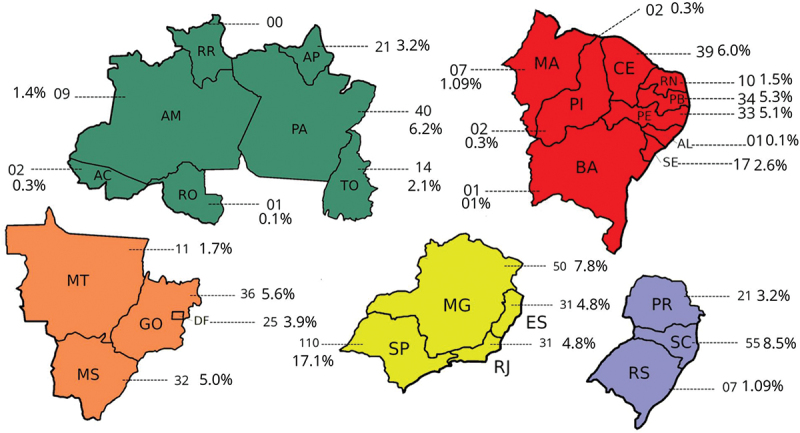 Figure 1
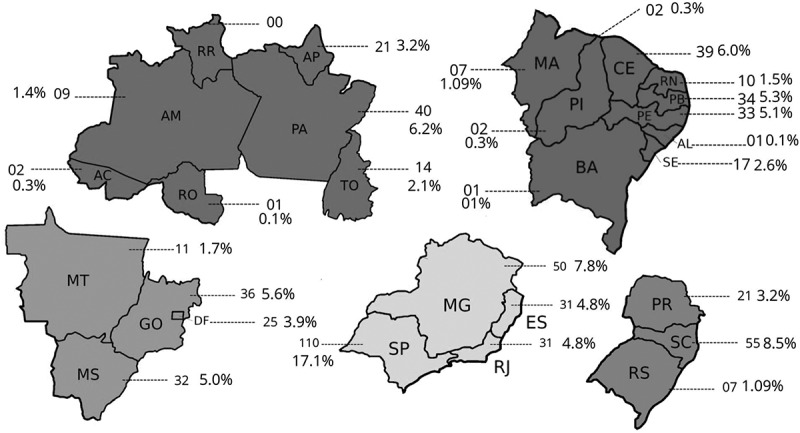 Figure 2
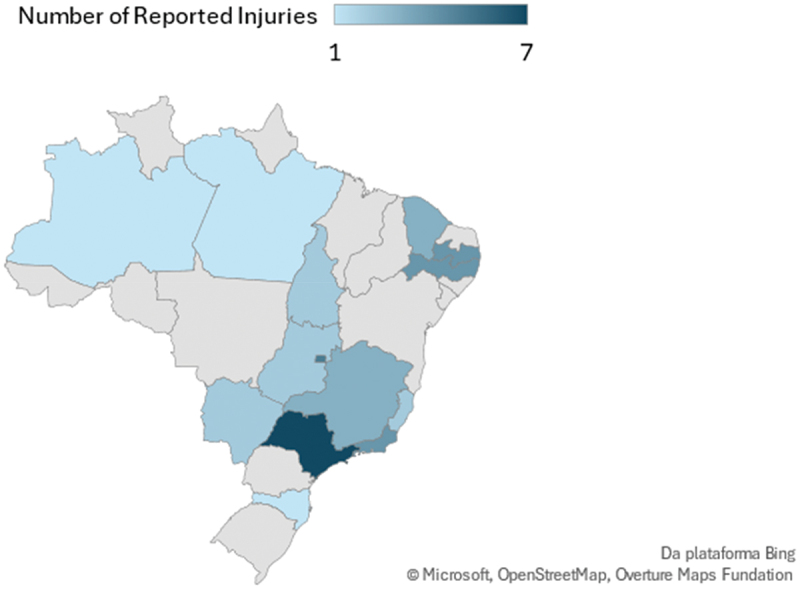 Figure 3
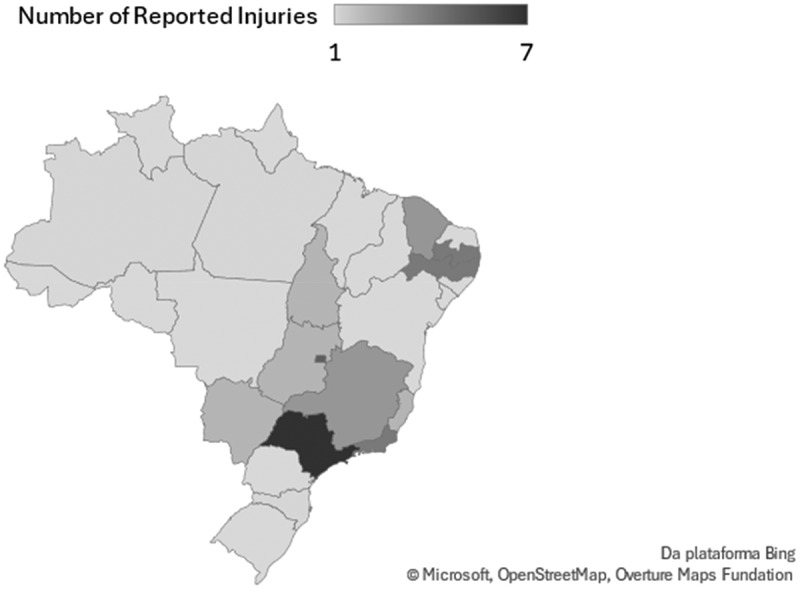 Figure 4
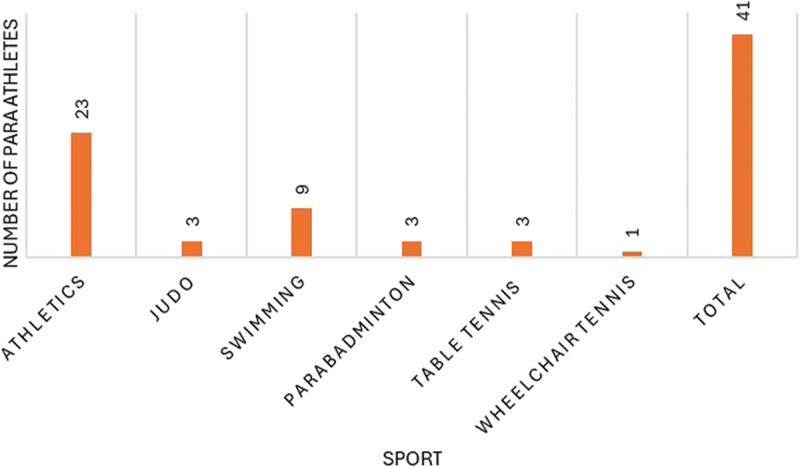 Figure 5
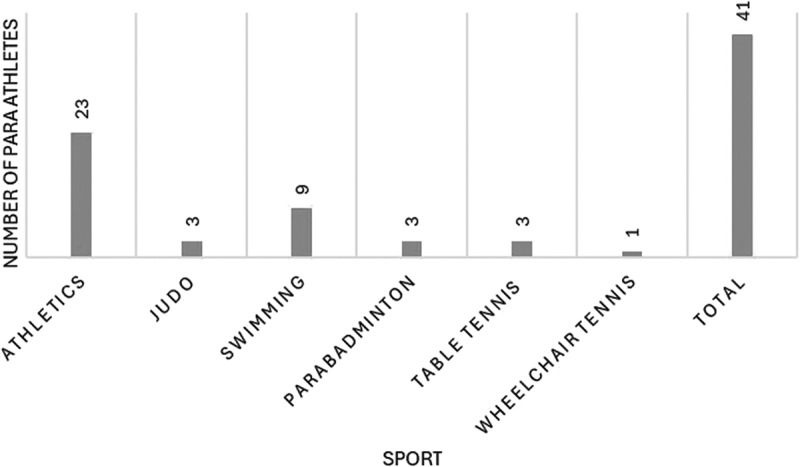 Figure 6
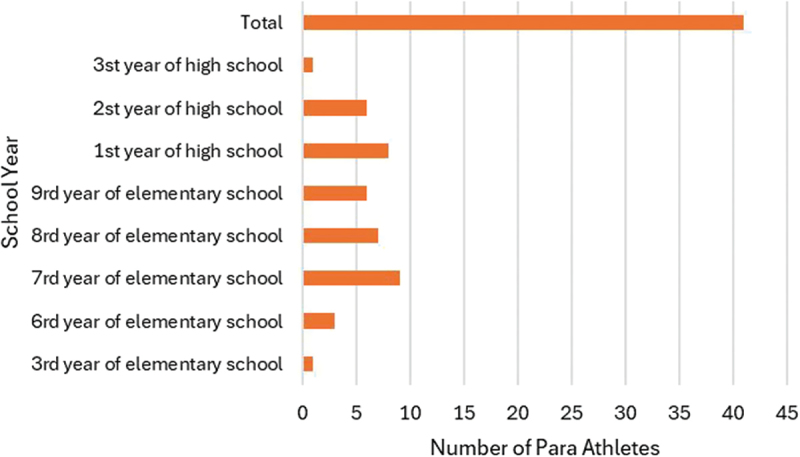 Figure 7
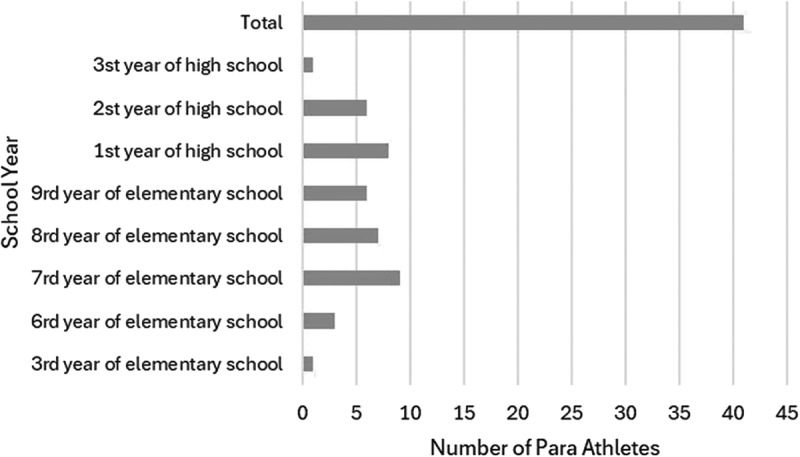 Figure 8
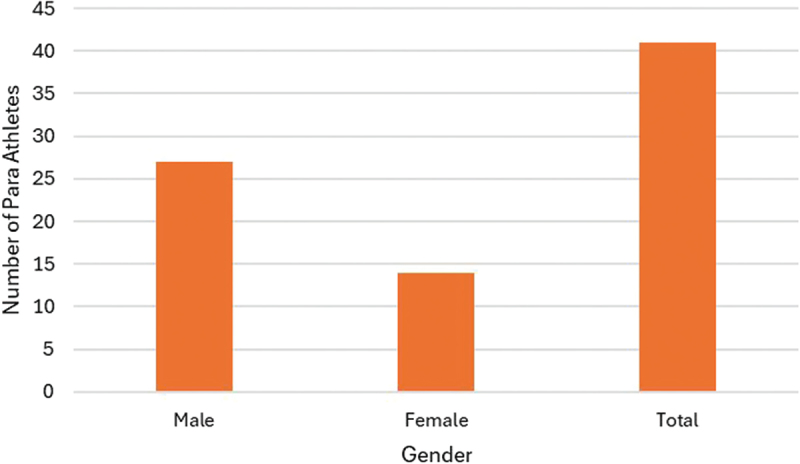 Figure 9
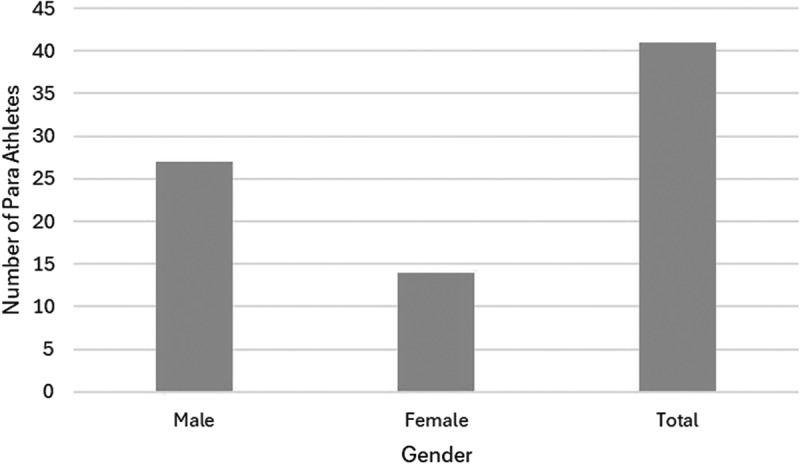 Figure 10
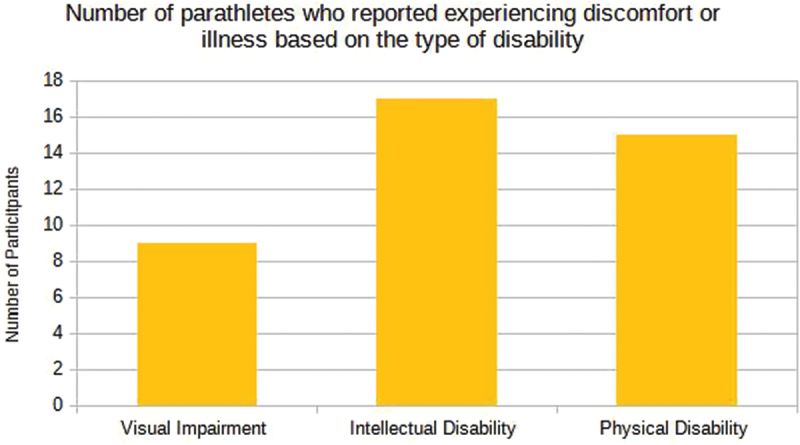 Figure 11
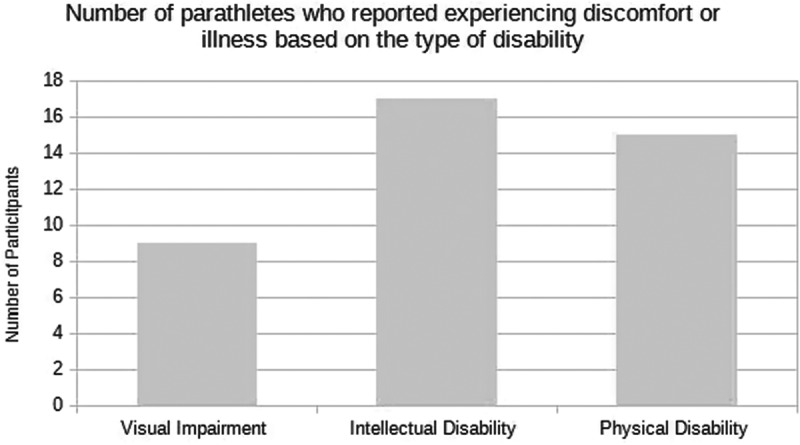 Figure 12
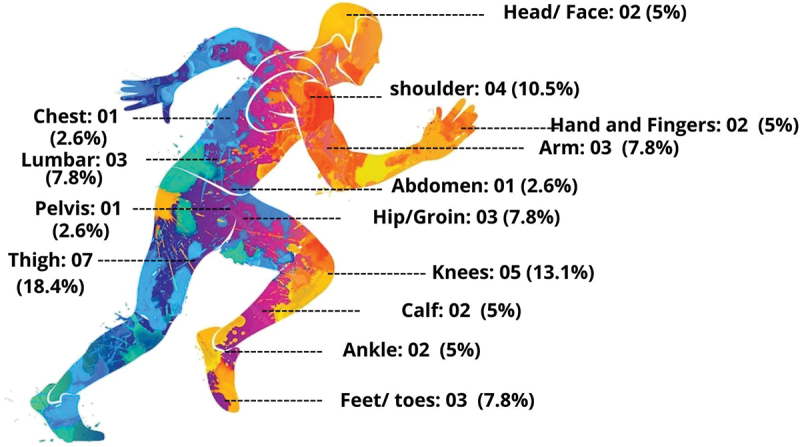 Figure 13
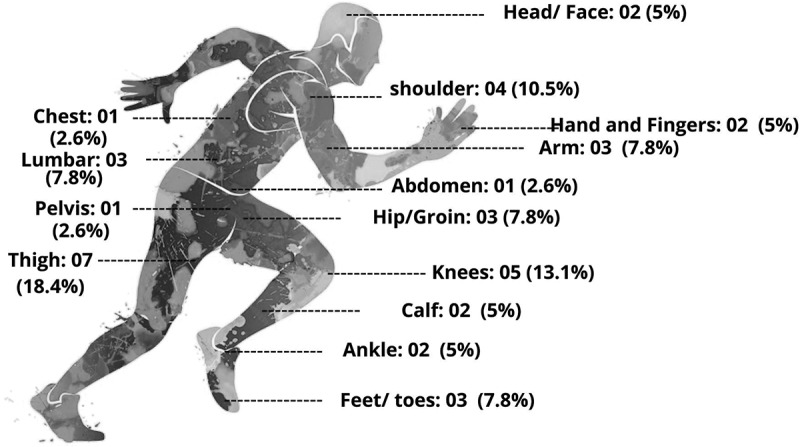 Figure 14
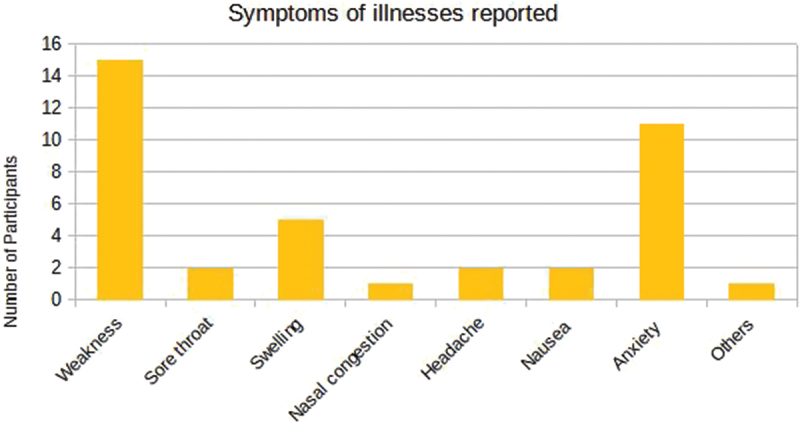 Figure 15
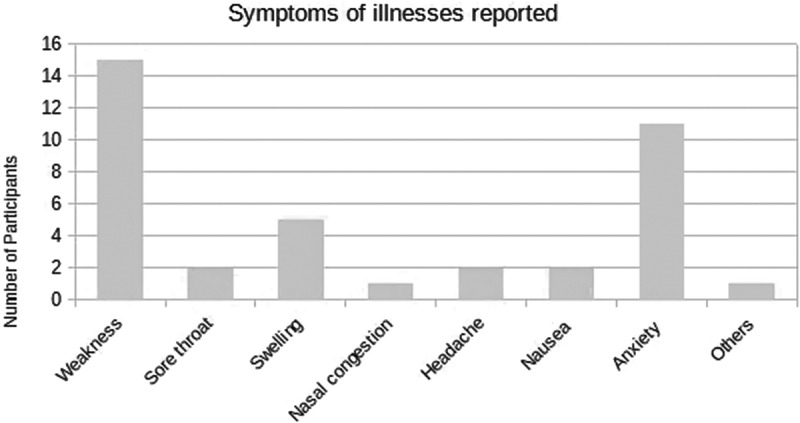 Figure 16
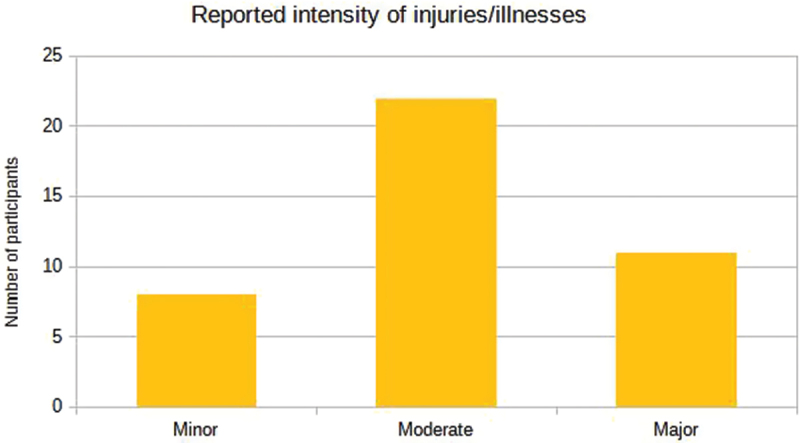 Figure 17
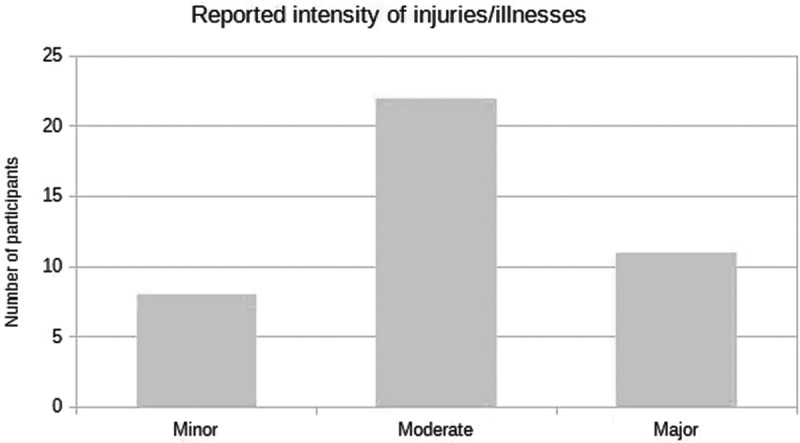 Figure 18
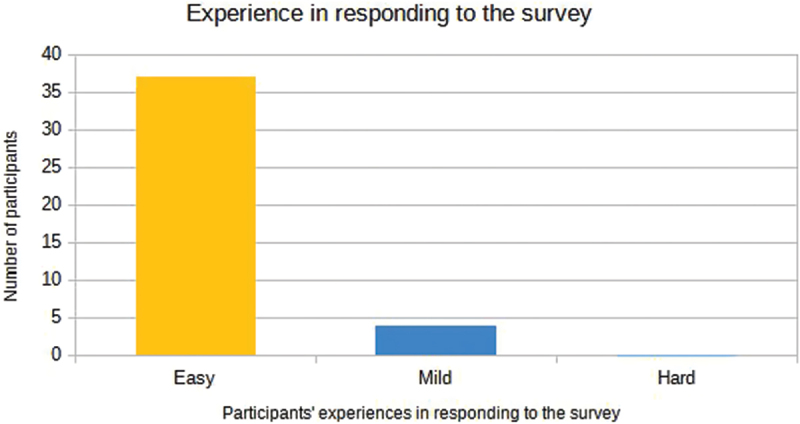 Figure 19
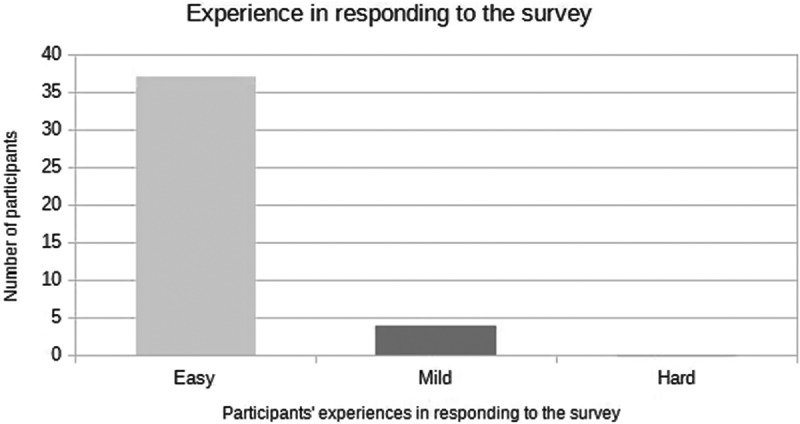 Figure 20
Peer Reviews
No public reviews on file for this paper yet. If you reviewed it on a platform where reviews are public (OpenReview, ICLR, NeurIPS, ICML), you can paste yours below so the community can read it here.
Videos
No videos yet. Explain this paper in a talk, walkthrough, or lecture? Add one.
Taxonomy
TopicsInjury Epidemiology and Prevention · Sports injuries and prevention · Spinal Cord Injury Research
Introduction
Physical activity is vital for children with disabilities, promoting inclusion, social participation and well-being (Reedman et al. 2017). Sports development enhances motor and social skills, supporting rehabilitation (Bratteby Tollerz et al. 2015; Wright et al. 2018; Vancampfort et al. 2021). Parathletics includes adapted sports, while Paralympic sports are high-performance events. The growth of para sports and Paralympic participation reflects increasing popularity (Webborn and Van de Vliet 2012; Fagher et al. 2016, 2019). Paralympic eligibility is based on functional classification, with performance as the key success factor (Keogh 2011; Mann et al. 2021).
Paralympic sports for young athletes are practiced globally, with Brazil playing a key role through the Paralympic School Games organized by the Brazilian Paralympic Committee (CPB) since 2009. The event promotes inclusivity, advancing athletes to national competitions to identify talent for international events (Bataglion and Mazo 2019). Participants develop values like solidarity and fair play, and the Games inspire new para-athletes as they grow in popularity (Corrêa de Resende et al. 2019).
Youth experience higher musculoskeletal stress than adults, increasing the risk of injuries and long-term issues like osteoarthritis and sports abandonment (Myer et al. 2015; Fagher et al. 2019; Monasterio et al. 2024). Children with disabilities face additional risks from muscle weakness, atypical activity patterns, stiffness, poor coordination and compensatory mechanisms (Swain et al. 2018; Fiorese et al. 2020; Rodríguez Macías et al. 2022; Zwierzchowska et al. 2022).
Children with neurological conditions often have low bone density, increasing the risk of stress fractures (Mergler et al. 2016; Lin et al. 2018). Young para-athletes face higher injury risks due to intense training, affecting both performance and daily activities (Fagher et al. 2016, 2022). While research on para-athletes is limited, studies on non-disabled athletes show high injury rates, especially in lower extremities and concussions, with potential growth effects (Reid et al. 2007; Bergeron et al. 2015). The juvenile musculoskeletal system is more prone to trauma, increasing fracture and microtrauma risks (Costa et al. 2022). Injury rates are influenced by training, age and load, with poor training causing strain and inadequate recovery (Jayanthi et al. 2019).
Despite progress in para-athlete research, there is a gap in understanding sports injury epidemiology among young para-athletes, particularly during the Paralympic School Games. Most studies focus on adult or Olympic athletes, overlooking the unique traits of younger athletes, which hinders preventive and treatment strategies. This study aimed to analyze the profile of para-athletes and sports injuries during the 2023 Paralympic School Games.
Materials and methods
This observational, cross-sectional, descriptive and analytical study followed the STROBE protocol and was conducted during the 2023 Brazilian School Paralympics from November 27 to December 2 at the Paralympic Training Center in São Paulo. It adhered to National Health Council Resolution 466/2012 and the Declaration of Helsinki. All athletes and guardians signed the Free and Informed Consent Form, and the study was approved by the PTC and the Research Ethics Committee of the Federal University of Pernambuco (CAEE: 69652123.8.0000.5208; Report No. 6,273,049).
The sample size was calculated using Derman et al. (2020), which reported a 13.94% sports injury incidence among para-athletes aged 12–25. A 95% confidence interval and 5% margin of error led to a minimum sample of 184. Inclusion followed Brazilian Paralympic Committee guidelines, with exclusion for refusal to sign consent forms. Volunteers were recruited before and after events to avoid disrupting performance.
Two Google Forms questionnaires were created for in-person interviews with para-athletes: one for sociodemographic data and the other based on the Brazilian adaptation of the ‘The Oslo Sports Trauma Research Center – Questionnaire on Health Problems – OSTRC-BR’ (Pimenta et al. 2021). Competitors completed the forms independently or with assistance from two trained researchers. For athletes with visual or intellectual disabilities, questions were verbalized, and responses recorded. After each questionnaire, athletes rated the difficulty as (i) Easy, (ii) Mild or (iii) Hard.
Results
A total of 640 para-athletes completed the sociodemographic questionnaire, with an average age of 14.06 years (ages 10–18). Of the participants, 253 (39.5%) were female and 387 (60.5%) were male. Among the 274 athletes who answered the injury/illness questionnaire, 41 (14.9%) reported experiencing injury or discomfort during the event. The data also covered the type of disability, education level, school type, sport modality and years of participation in sports as presented in Table 1.Table 1.Sociodemographic data. Number of Para-athletes%Gender Female25339.5Male38760.5Total640100Disability Intellectual13120.5Visual13320.8Physical37658.8Total640100Education Public School54785.5Private School9314.5Total640100School Year 3rd year of elementary school50.84th year of elementary school111.75th year of elementary school182.86th year of elementary school8012.57th year of elementary school11818.48th year of elementary school77129th year of elementary school11417.81st year of high school115182st year of high school629.73st year of high school406.3Total640100Sports Practiced Athletics19830.9Boccia304.73x3 Basketball142.2Blind Football172.7Football for People with Cerebral Palsy253.9Goalball172.7Weightlifting132Judo487.5Swimming15424.1Parabadminton416.4Table Tennis365.6Wheelchair Tennis101.6Sitting Volleyball375.8Total640100Duration of Practice Less than 1 year17427.2Between 1–2 years17226.9Between 2–3 years8513.3Between 3–4 years619.5More than 5 years14823.1Total640100(source: author’s own data)
Notably, out of the 26 states and the Federal District, only the state of Pará was without representation from para-athletes in the competition as shown in Figure 1. The state of São Paulo had the highest participation of athletes n = 110 (17.1%), while six states (Acre, Rondônia, Maranhão, Alagoas and Bahia) had the lowest representation with less than 1% of registered athletes each. Figure 1.Number of para athletes by state enrolled in the 2023 School Paralympics (n = 640). São Paulo/Brazil, 2023 (source: author’s own data).
Based on the data collected from the second questionnaire, we are able to profile the participants who reported any form of discomfort, injury or illness, as illustrated by sport, state, gender and school year in the [Figures 2, 3](#f0002 f0003), [4 and 5](#f0004 f0005)Figure 2.Number of para athletes by state that reported any kind of discomfort, injury or illness at the 2023 School Paralympics (n = 41). São Paulo/Brazil, 2023 (source: author’s own data).Figure 3.Number of para athletes by sport that reported any kind of discomfort, injury or illness at the 2023 School Paralympics (n = 41). São Paulo/Brazil, 2023 (source: author’s own data).Figure 4.Number of para athletes by school year that reported any kind of discomfort, injury or illness at the 2023 School Paralympics (n = 41). São Paulo/Brazil, 2023 (source: author’s own data).Figure 5.Number of para athletes by gender that reported any kind of discomfort, injury or illness at the 2023 School Paralympics (n = 41). São Paulo/Brazil, 2023 (source: author’s own data).
The number of injuries/illness reported was higher in the State of São Paulo, however when compared by the total number of para athletes in each team, the team of Tocantins had the highest % of the team injured with 14.8%.
Table 2 displays the data gathered from the second questionnaire, such as signs of injuries or illness, specific injury or illnesses, level of participation in competition, reduced training volume, effects on performance, perception of the symptoms/health complaintsTable 2.Injury and illness. Number of Para-athletes%Signs of injury or illness Yes4114.9No23385.1Total274100Injury or Illness Injury3892.6Illness37.3Total41100Participation in the competition Full participation921.95Full participation but with difficulty2868.29Reduced participation37.31Could not participate12.43Total41100Reduction in Training No reduction2765.85Small reduction1024.39Moderate reduction12.43Large reduction24.87Could not train12.43Total41100Reduction in Performance No reduction1229.26Small reduction1536.58Moderate reduction717.07Large reduction614.63Could not train12.43Total41100
Of the 41 participants who reported experiencing discomfort, injury or illness during the competition, 9 para athletes have visual impairment (22%), 17 parathletes have intellectual impairment (41.5%), and 15 parathletes have physical impairment (36.6%), as illustrated in Figure 6. Figure 6.Description of the number of para-athletes who reported experiencing discomfort or illness based on the type of disability presented by the participants in the sample enrolled in the 2023 School Paralympics (n = 41), São Paulo/Brazil, 2023. (source: author’s own data).
Figure 7 shows that some participants reported multiple injury locations along with illness symptoms. The questionnaire data reveals that 39 participants experienced at least one symptom, although only three reported illnesses. Anxiety and weakness were the most common, with 11 (28%) reporting anxiety and 15 (38.4%) reporting weakness, as seen in Figure 8. Figure 7.Topography of injuries in the sample of para-athletes enrolled in the 2023 School Paralympics (n = 38). São Paulo/Brazil, 2023. (source: author’s own data). Figure 8.Symptoms of illnesses reported by the sample of para-athletes enrolled in the 2023 School Paralympics (n = 39). São Paulo/Brazil, 2023. (source: author’s own data).
The figures below, [Figures 9 and 10](#f0009 f0010), illustrate the results concerning the perceived intensity of the reports, categorized as mild, moderate and severe, as well as the participants’ experiences in responding to the survey, respectively. Figure 9.Reported intensity of injuries/illnesses in the sample of para-athletes enrolled in the 2023 School Paralympics (n = 41). São Paulo/Brazil, 2023. (source: author’s own data). Figure 10.Experience in responding to the survey of participants in the sample enrolled in the 2023 School Paralympics (n = 41). São Paulo/Brazil, 2023. (source: author’s own data).
Table 3 shows the results of injuries, discomfort or illness reported by participants, considering disability type, education level and sports practice duration. The data reveals a significant relationship between the time spent practicing sports and the occurrence of discomforts (p = 0.047).Table 3.Injury and illness by years of practice.Time in sportsMore than 2 years of practiceLess than 2 years of practicep n%n%Injuries and Discomforts2868.31331.70.047* Elementary SchoolHigh School0.098Education leveln%n%Injuries and Discomforts26 63.415 36.6Test: Pearson Chi-Square.
Discussion
The aim of this research was to examine the characteristics of para-athletes and the occurrence of sports-related injuries during the 2023 Paralympic School Games. The study found that 85% of participants in the Paralympic School Games were from public schools, reflecting these institutions’ greater ability to create inclusive environments with access to adapted sports. Brazil’s legal frameworks, including the Law for the Inclusion of Persons with Disabilities (Law No. 13146/2015) and National Guidelines for Special Education (CNE/CEB Resolution No. 2/2001), guarantee education rights for all students and require public schools to adapt curricula and train teachers for an inclusive environment.
Pinheiro et al. (2021) conducted a meta-analysis of 30 studies, estimating a 34.7% injury rate among para-athletes. In contrast, our study found that 14.9% of participants (41 individuals) reported injuries during the event. Derman et al. (2018) reported a 13.94% injury rate; the difference may likely be due to the difference in the duration of the studies. The discrepancy in injury rates may also result from the self-reported nature of the questionnaire rather than medical evaluations by health teams or coaches that may underestimate the number of injuries/illness suffered by the participants.
The most reported injuries among para athletes interviewed occurred in the lower limbs (n = 23; 59.7%) with the highest concentration of complaints related to the thigh (n = 7; 18%) and knee (n = 5; 13.1%). These findings align with Hübscher et al. (2010), who identified sprains, dislocations and ligament ruptures, particularly in the knee, as prevalent injuries. Kaeding et al. (2017) also reported that 60% sports-related surgeries in the U.S. are performed on high school athletes with knee issues.
Kaeding et al. (2017) note that sports biomechanics stress static joint structures, increasing knee injury risk. Our study found that para-athletes with intellectual disabilities had the highest injury rates, especially in athletics. Similarly, Tuakli-Wosornu et al. (2018) noted that athletes with intellectual impairments sustain injuries more frequently in track and field than in other sports.
Our study showed a tendency for injuries in para athletes in elementary school, supporting Stracciolini et al. (2017), which found prepubertal children are more prone to repetitive stress injuries due to vulnerable growth cartilage and soft tissues. Wild et al. (2012) noted that the gender gap in injury rates grows around ages 11–12, as puberty increases females’ injury vulnerability.
In our study, anxiety (28%) and weakness (38.4%) were the most common symptoms, with over 50% perceiving their injury/illness as moderate or major. Daley and Reardon (2024) found no clear link between young athletes and mental health disorders but identified issues like depression, burnout and anxiety. Rice et al. (2016) highlighted unique stressors for elite athletes, such as media scrutiny and career-ending injuries, which impact mental health and performance. Many athletes avoid mental health support due to stigma and lack of awareness.
Our study found significant correlations between longer sports practice and higher injury rates, aligning with Warden et al. (2021), Stracciolini et al. (2017) and Myer et al. (2015), who highlight the risks of early sports specialization, including overload injuries, burnout and early dropout, with long-term physical and psychological consequences.
Dahab et al. (2019) report a rise in sports-related injuries among teenage athletes, though the exact causes are unclear. The trend of early sport specialization and intensified training for higher level competition have raised concerns about increased injury risk and negative effects on mental health.
Haraldsdottir and Watson (2021) highlight that injuries can have psychological effects, hindering recovery and increasing reinjury risk. However, research has mostly focused on adults, leaving a gap in understanding the impact on young athletes. Jayanthi et al. (2019) suggest that youth sport specialization may raise the risk of psychological burnout.
The growing focus on specialized training raises concerns about potential long-term negative effects on young athletes, requiring further investigation. While the study’s findings are significant, its limitations, such as reliance on self-reported data from para-athletes and challenges in understanding certain questions, should be noted. Despite most participants finding the questionnaires ‘easy’, many faced difficulties with questions like ‘What is your type of disability?’ which slowed data collection and hindered participant recruitment.
The reference list from the paper itself. Each links out to its DOI / PubMed record.
- 1Bataglion G, Mazo J. 2019. PARALIMPÍADAS ESCOLARES: REPRESENTAÇÕES SOCIAIS ACERCA DO ESPORTE PARALÍMPICO NO RIO GRANDE DO SUL. Revista De Educação Da Universidade Federal Do Vale Do São Francisco. 9(19):353–385. https://www.periodicos.univasf.edu.br/index.php/revasf/article/view/550.
- 2Bergeron MF, Mountjoy M, Armstrong N, Chia M, Côté J, Emery CA, Faigenbaum A, Hall G, Kriemler S, Léglise M. 2015. International Olympic committee consensus statement on youth athletic development. Br J Sports Med. 49(13):843–851. doi: 10.1136/bjsports-2015-094962.26084524 · doi ↗ · pubmed ↗
- 3Bratteby Tollerz L, Forslund A, Olsson R, Lidström H, Holmbäck U. 2015. Children with cerebral palsy do not achieve healthy physical activity levels. Acta Paediatr. 104(11):1125–1129. doi: 10.1111/apa.13141.26215755 · doi ↗ · pubmed ↗
- 4Corrêa de Resende M, de carvalho-Freitas MN, Guimarães AC. 2019. Percepções sobre as Paralimpíadas Escolares: um estudo com atletas. Pensar a Prática. 22. doi: 10.5216/rpp.v 22.51476. · doi ↗
- 5Costa L, Teles J, Fragoso I. 2022 Mar 9. Sports injuries patterns in children and adolescents according to their sports participation level, age and maturation. BMC Sports Sci, Med Rehabil. 14(1):35. doi: 10.1186/s 13102-022-00431-3. PMID: 35264218; PMCID: PMC 8908692.35264218 PMC 8908692 · doi ↗ · pubmed ↗
- 6Dahab K, Potter MN, Provance A, Albright J, Howell DR. 2019.. Sport specialization, club sport participation, quality of life, and injury history among high school athletes. J Athl Train. 54(10):1061–1066. doi: 10.4085/1062-6050-361-18..31633407 PMC 6805066 · doi ↗ · pubmed ↗
- 7Daley MM, Reardon CL. 2024 Jan. Mental health in the youth athlete. Clin Sports Med. 43(1):107–126. doi: 10.1016/j.csm.2023.06.003. Epub 2023 Jul 11. PMID: 37949505.37949505 · doi ↗ · pubmed ↗
- 8Derman W, Runciman P, Jordaan E, Schwellnus M, Blauwet C, Webborn N, Lexell J, van de Vliet P, Kissick J, Stomphorst J, Lee YH, Kim KS. High incidence of injuries at the Pyeongchang 2018 Paralympic Winter Games: a prospective cohort study of 6804 athlete days. Br J Sports Med. 2020 Jan;54(1):38–43. doi: 10.1136/bjsports-2018-100170.30796104 · doi ↗ · pubmed ↗