Genetic and pharmacological targeting of nicotinic acetylcholine receptor action blocks tumor progression in mouse models of breast cancer
Matthew A Heard, Jin Qian, Sakeef Sayeed, Sereena Mechlowicz, Qingyang Zhang, Sudha Yeluri, Katie Pool, Ryan Yamane, Gerald P Morris, Brian P Eliceiri

TL;DR
Blocking or activating the CHRNA7 receptor in mice improves survival and reduces tumor growth in breast cancer models by boosting immune responses.
Contribution
Identifies CHRNA7 as a novel therapeutic target in breast cancer through genetic and pharmacological studies in mouse models.
Findings
CHRNA7 deficiency in mice leads to worse survival and increased tumor burden due to reduced immune cell activation.
AR-R17779, a CHRNA7 agonist, improves survival and reduces tumor growth and metastases in multiple breast cancer models.
AR-R17779 enhances T cell activation and works synergistically with anti-PD-L1 to boost antitumor immunity.
Abstract
Effective small molecule therapies are a major unmet need in triple-negative breast cancer. Therefore, we examined the mechanism of action of a novel cancer therapeutic target in preclinical mouse models focusing on the α7 nicotinic acetylcholine receptor (CHRNA7). E0771 breast tumor cells were implanted into CHRNA7KO mice to determine the role of CHRNA7, which is expressed in tumor-associated myeloid immune cells. We observed that tumor-bearing CHRNA7KO mice had decreased survival and increased tumor burden linked to a CHRNA7-mediated reduction in immune cell activation. Based on the tumor permissive phenotype of CHRNA7KO mice, we tested the effect of a small molecule agonist of CHRNA7, AR-R17779, in several mouse models of breast cancer. For example, in both the E0771 tumor model and PyMT tumor models, treatment with AR-R17779 increased survival. In the 4T1 breast tumor model,…
Genes, proteins, chemicals, diseases, species, mutations and cell lines named across the full text — each resolved to its canonical identifier and authoritative record.
Click any figure to enlarge with its caption.
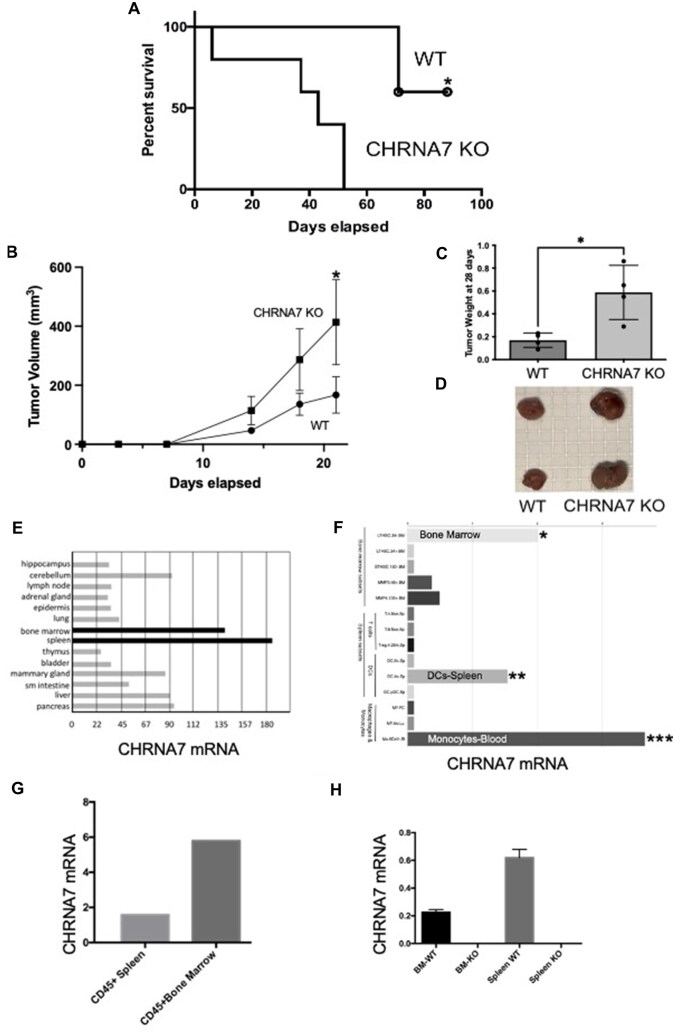 Figure 1
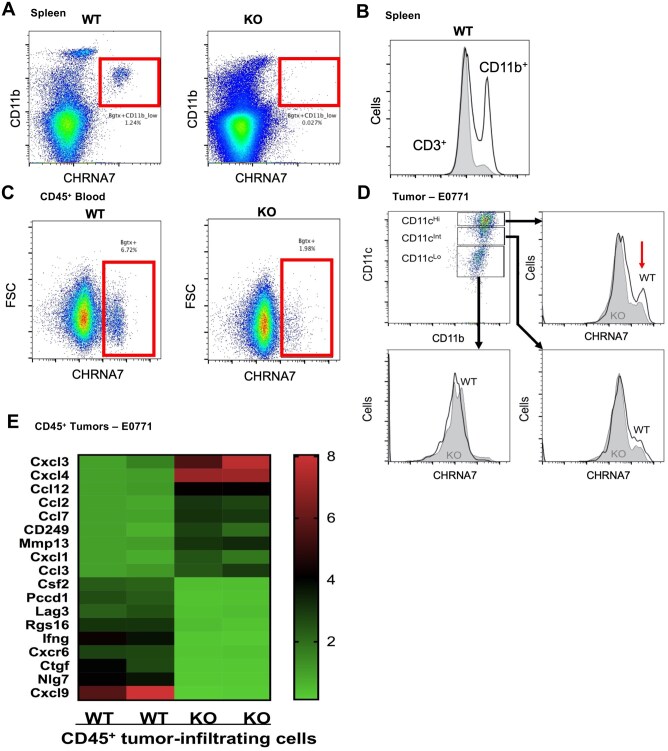 Figure 2
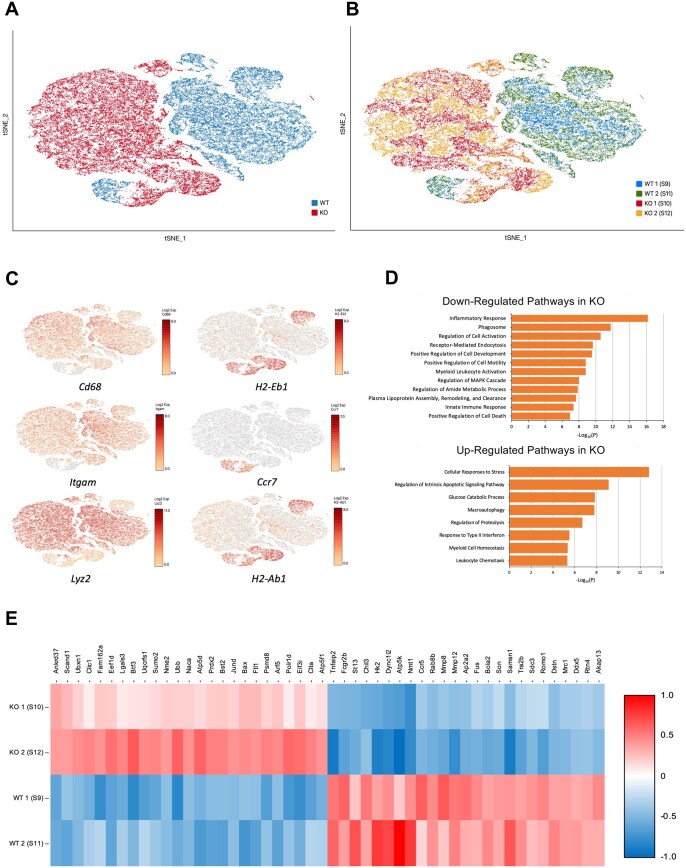 Figure 3
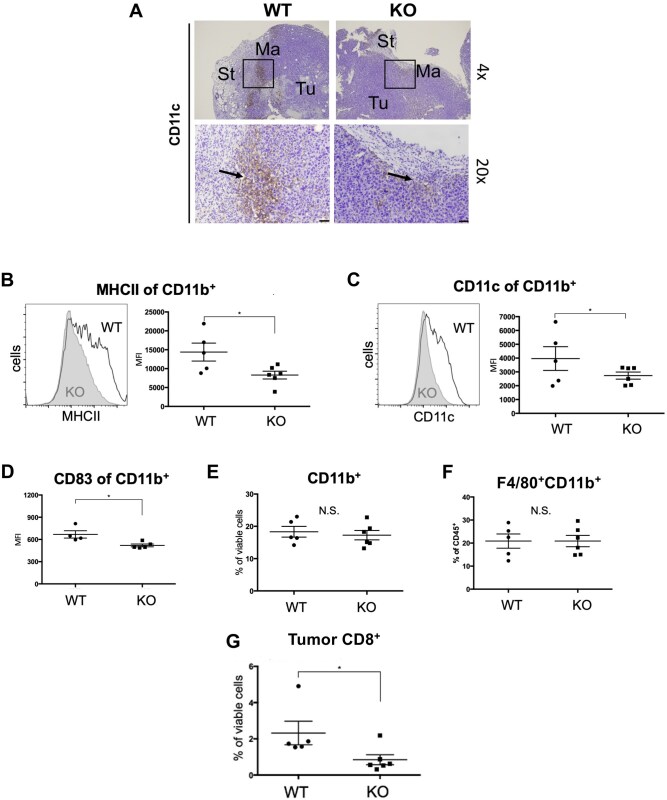 Figure 4
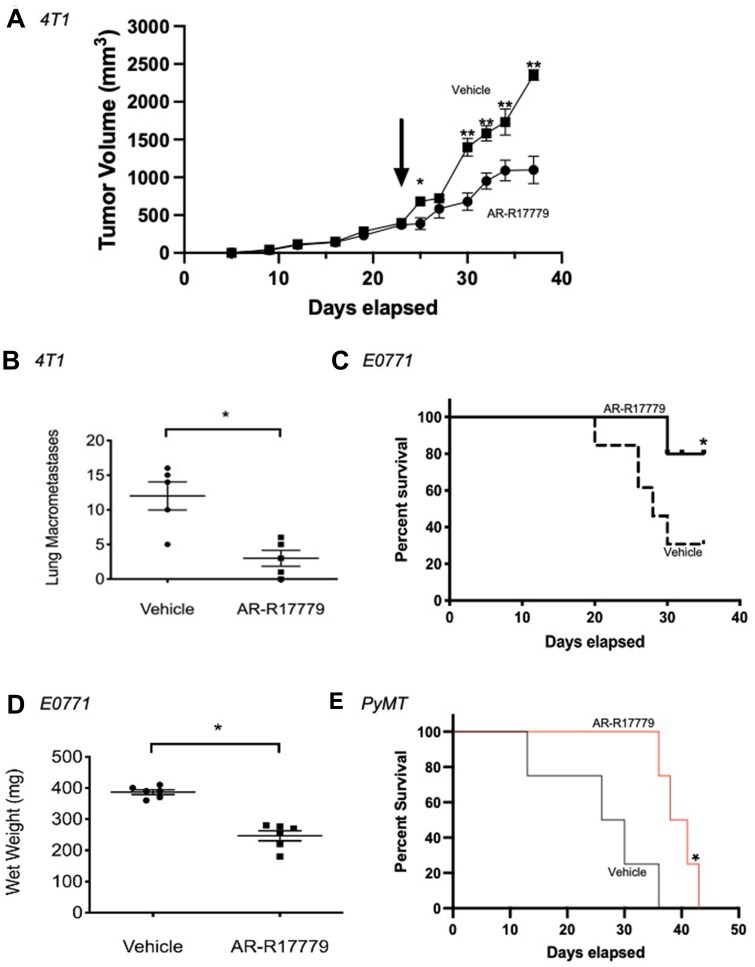 Figure 5
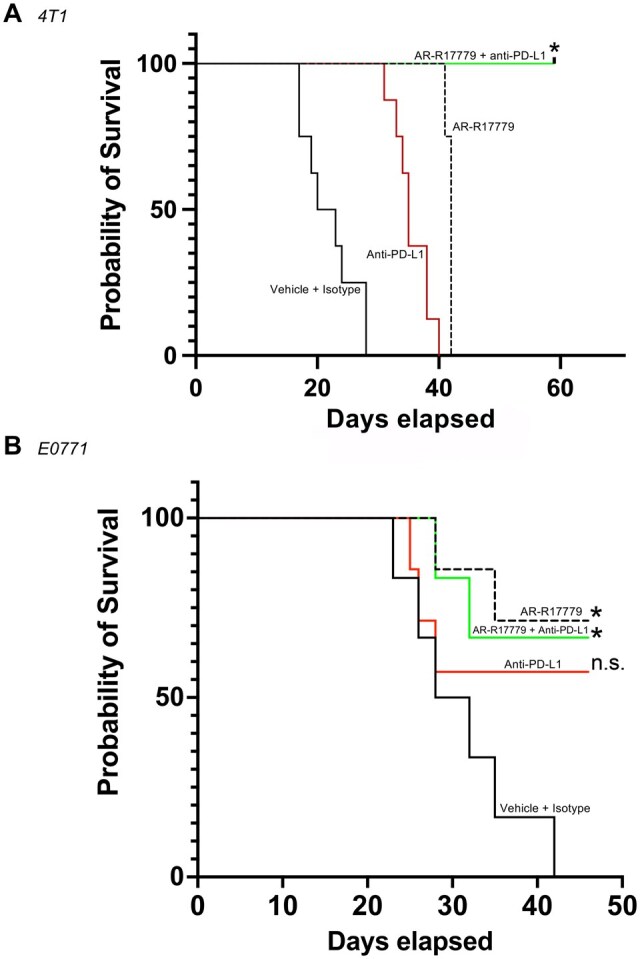 Figure 6
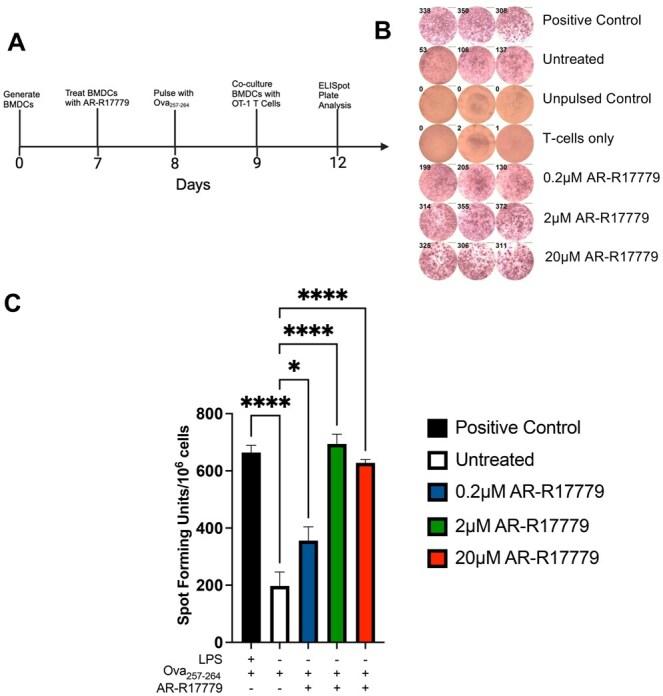 Figure 7
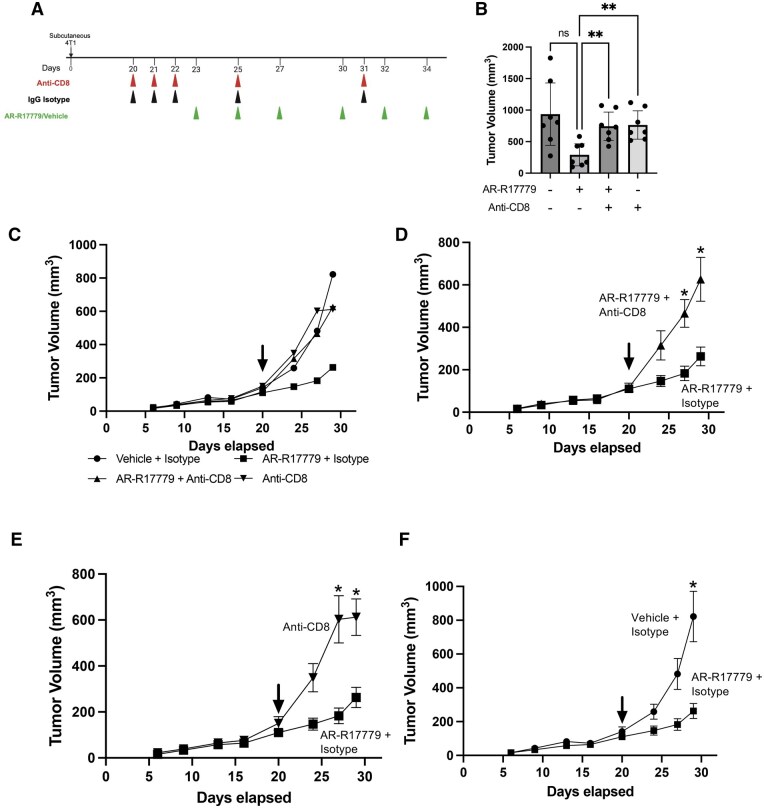 Figure 8
Peer Reviews
No public reviews on file for this paper yet. If you reviewed it on a platform where reviews are public (OpenReview, ICLR, NeurIPS, ICML), you can paste yours below so the community can read it here.
Videos
No videos yet. Explain this paper in a talk, walkthrough, or lecture? Add one.
Taxonomy
TopicsNicotinic Acetylcholine Receptors Study · Vagus Nerve Stimulation Research · Receptor Mechanisms and Signaling