Monoallelic mutations in MMD2 cause autosomal dominant aggressive periodontitis
Tomoyuki Iwata, Yoko Mizoguchi, Tetsuya Yoshimoto, Miyuki Tsumura, Fumiaki Sakura, Jeffrey R. Johnson, Shinji Matsuda, Kazuhisa Ouhara, Yukiko Nagatani, Takaki Asano, Hidenori Ohnishi, Zenichiro Kato, Keichiro Mihara, Hirokazu Kanegane, Tomoya Ueda, Shinya Sasaki, Yuri Taniguchi

TL;DR
Mutations in the MMD2 gene impair neutrophil function, leading to a hereditary form of aggressive periodontitis.
Contribution
First identification of MMD2 mutations as the cause of autosomal dominant aggressive periodontitis.
Findings
Monoallelic MMD2 mutations disrupt Ras/ERK signaling in neutrophils.
Impaired neutrophil chemotaxis and Golgi protein abnormalities were observed in patients.
MMD2 mutations in mice caused alveolar bone loss and chemotaxis defects.
Abstract
Monoallelic mutations, p.A116V and p.R126P, in MMD2 disturb fMLP-induced activation of Ras/ERK signaling and underlie the impairment of neutrophil chemotaxis, which leads to the development of the autosomal dominant form of aggressive periodontitis. Aggressive periodontitis causes rapid destruction of periodontal tissue. It occurs at a young age with familial clustering. We report on the first time on molecular and cellular basis of a Mendelian form of autosomal dominant aggressive periodontitis. Monoallelic mutations in the monocyte to macrophage differentiation-associated 2 (MMD2) gene, encoding MMD2, in two Japanese families with autosomal dominant aggressive periodontitis are identified. Mutations, c.347 C>T (p.A116V) and c.377 G>C (p.R126P) in MMD2, disturbed fMLP-induced activation of Ras/ERK signaling. Additionally, abnormalities in the proteins of Golgi apparatus, a crucial…
Genes, proteins, chemicals, diseases, species, mutations and cell lines named across the full text — each resolved to its canonical identifier and authoritative record.
Click any figure to enlarge with its caption.
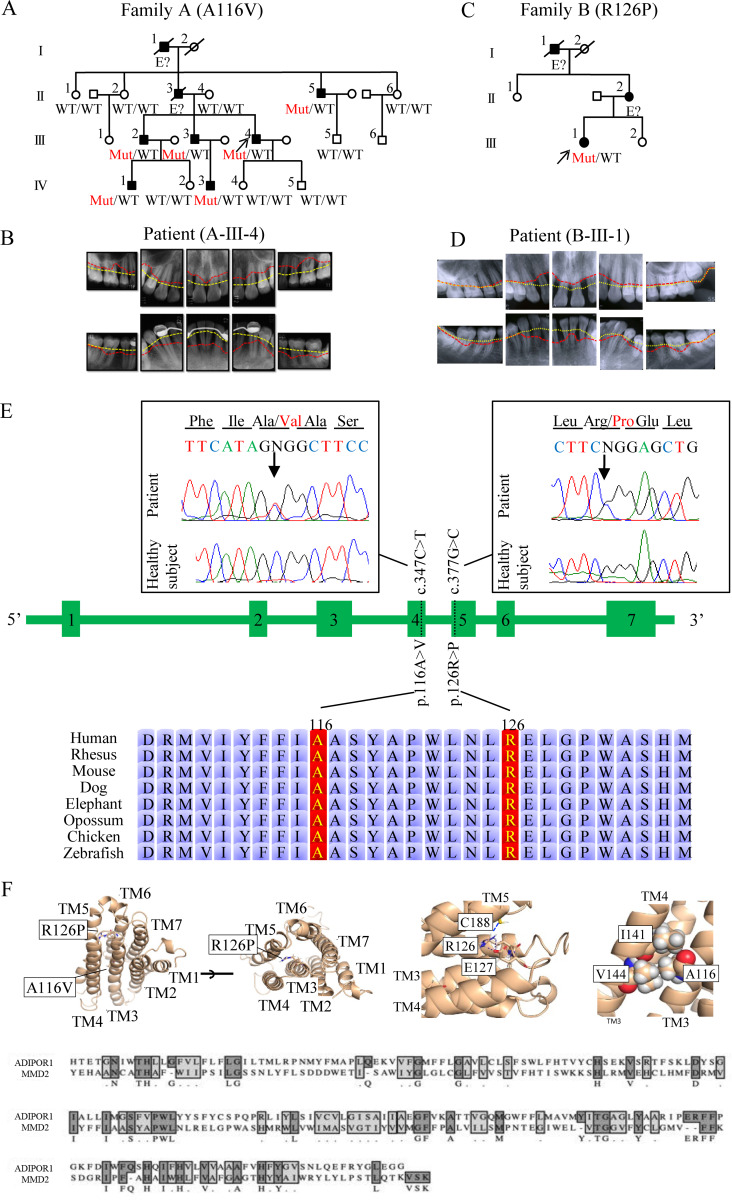 Figure 1
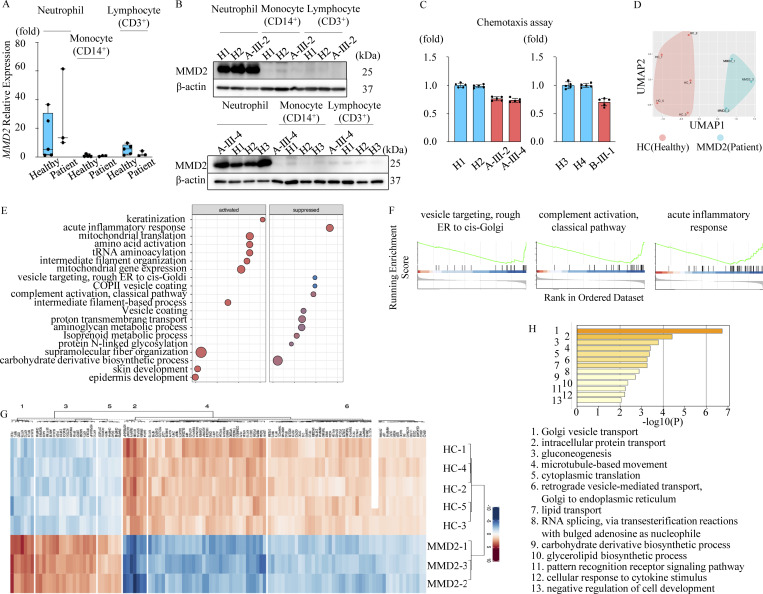 Figure 2
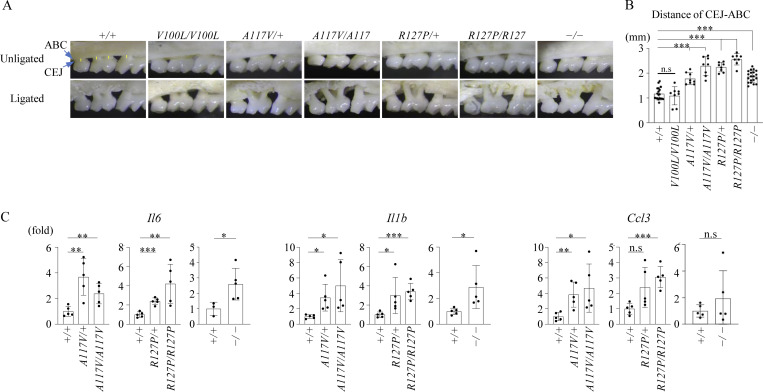 Figure 3
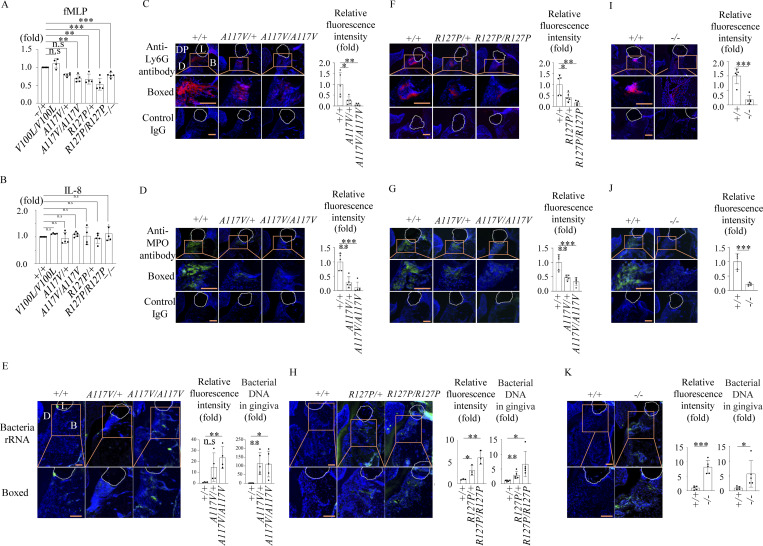 Figure 4
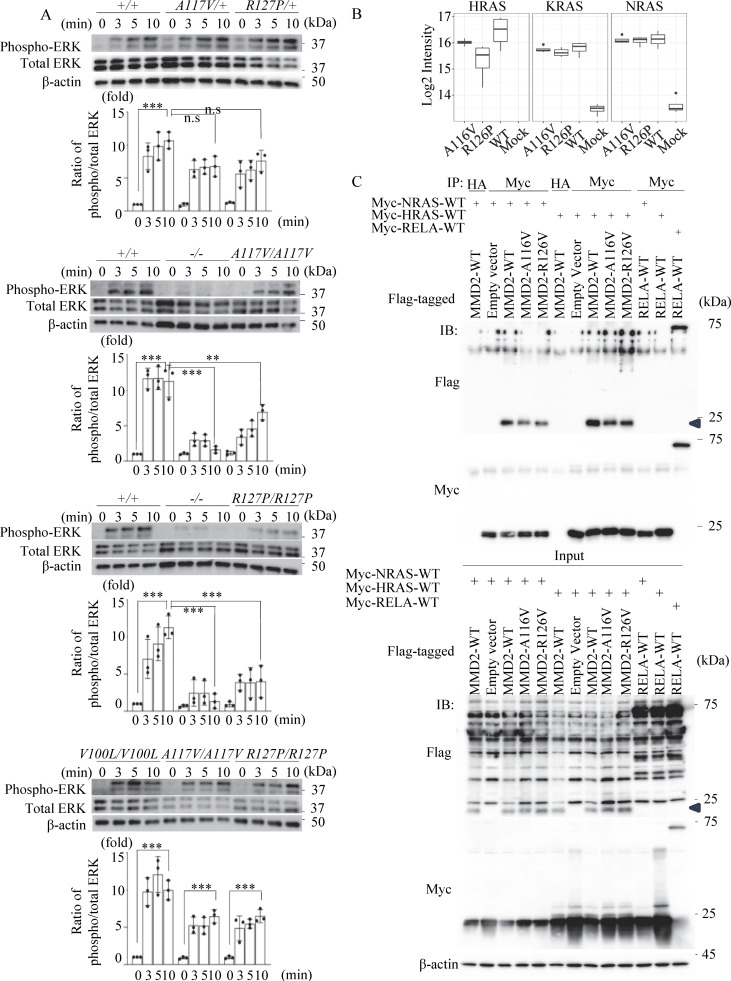 Figure 5
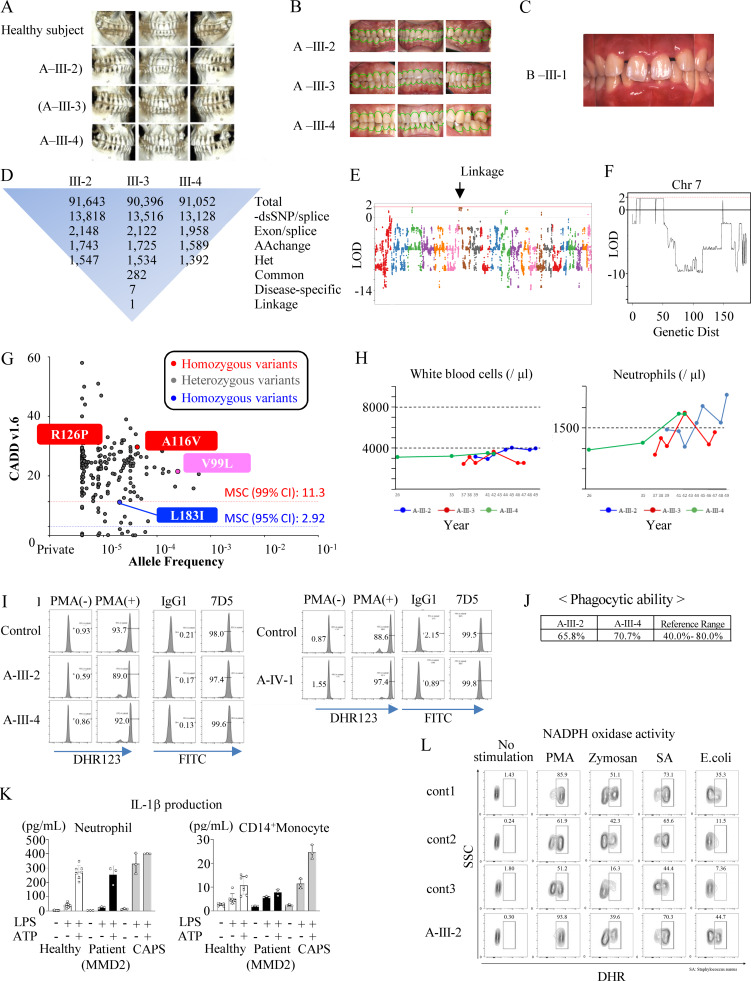 Figure 6
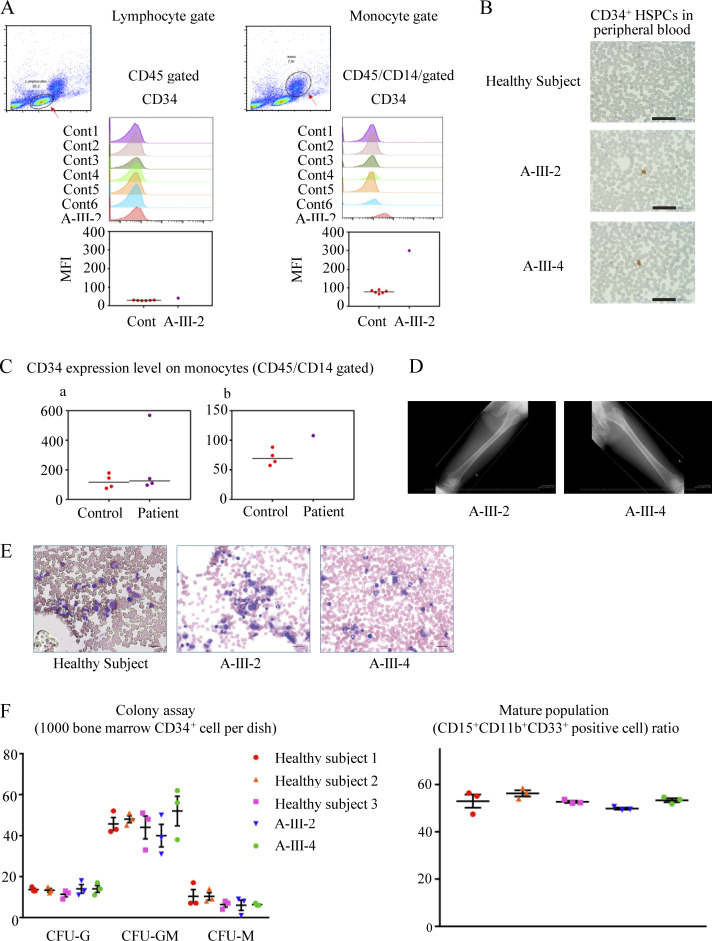 Figure 7
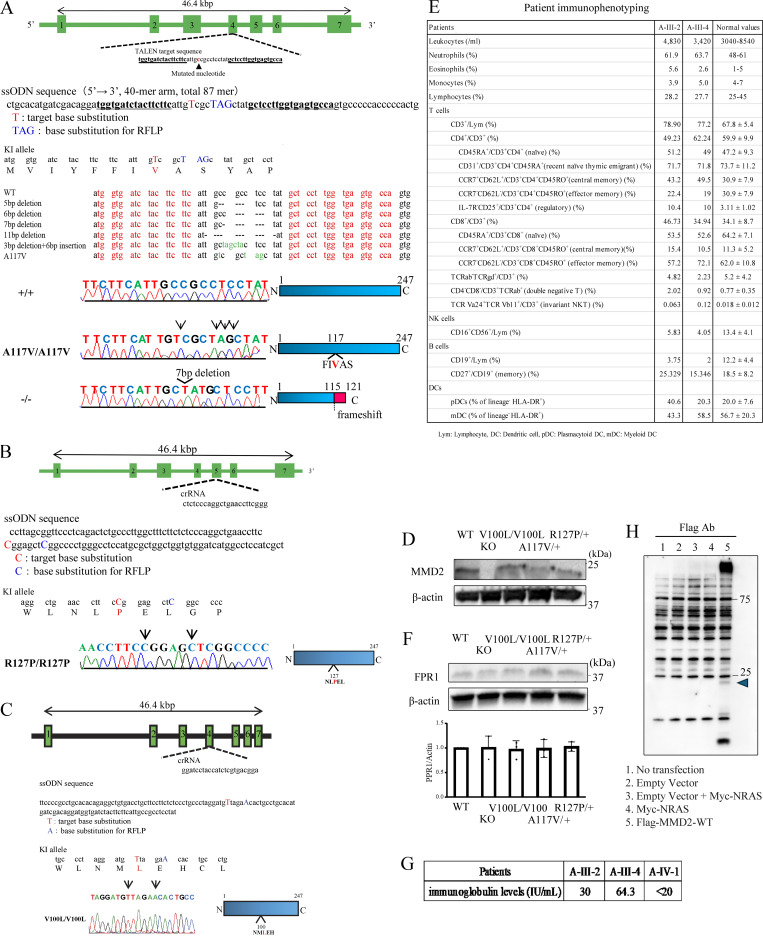 Figure 8
Peer Reviews
No public reviews on file for this paper yet. If you reviewed it on a platform where reviews are public (OpenReview, ICLR, NeurIPS, ICML), you can paste yours below so the community can read it here.
Videos
No videos yet. Explain this paper in a talk, walkthrough, or lecture? Add one.
Taxonomy
TopicsImmune Response and Inflammation · Neutrophil, Myeloperoxidase and Oxidative Mechanisms · Cell Adhesion Molecules Research