A data-mining analysis of host solute carrier family proteins in SARS-CoV-2 infection with reference to brain endothelial cells and the blood-brain barrier in COVID-19
Talia Fradkin, Rainald Schmidt-Kastner

TL;DR
This study explores how SARS-CoV-2 might disrupt brain endothelial cells by interacting with solute carrier proteins, potentially affecting the blood-brain barrier and causing neurological issues in COVID-19.
Contribution
The paper identifies 80 SLCs in brain endothelial cells that may be involved in SARS-CoV-2 infection and BBB dysfunction, linking them to neurological disorders and viral entry mechanisms.
Findings
80 host SLCs are expressed in brain endothelial cells, with amino acid transporters being prominent.
24 of these SLCs are associated with monogenic disorders of the nervous system.
Nine SARS-CoV-2 viral proteins show strong links to SLCs, including roles in interferon response.
Abstract
The brain vasculature is a key player in neurological manifestations of COVID-19. Infection of brain endothelial cells with SARS-CoV-2 along with circulating cytokines may cause dysfunction of the blood-brain barrier (BBB). Solute carrier transporters (SLCs) in brain endothelial cells regulate substrate transport across the BBB. Here, it was hypothesized that transport functions of SLCs will be impaired by interactions with viral proteins, and subsequently, data-mining studies were performed. Virus-host protein-protein interaction data for SARS-CoV-2 infection were retrieved from the BioGRID database, filtered for SLCs, and then annotated for relevant expression in brain endothelial cells using a mouse brain transcriptomics database. Host SLCs expressed in brain endothelial cells were further explored using publicly available databases and information in the literature. Functional…
Genes, proteins, chemicals, diseases, species, mutations and cell lines named across the full text — each resolved to its canonical identifier and authoritative record.
Click any figure to enlarge with its caption.
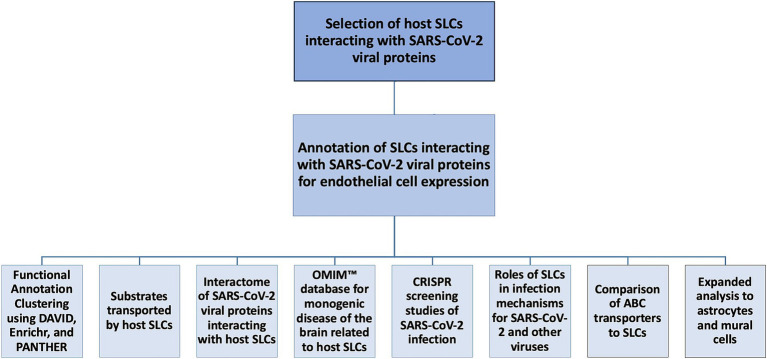 Figure 1
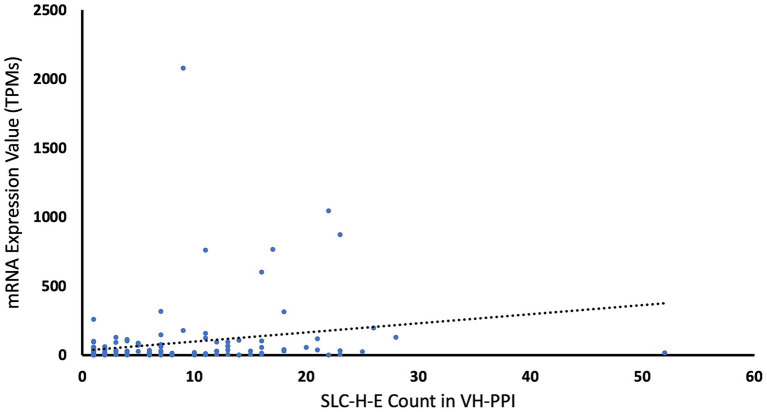 Figure 2
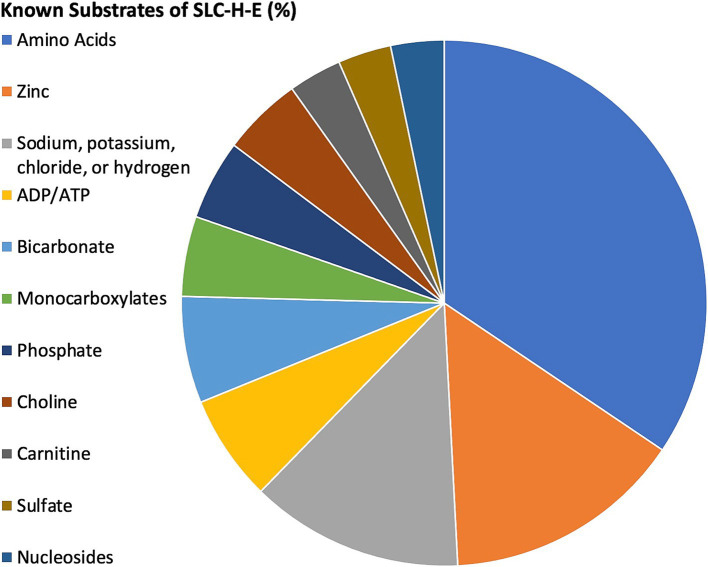 Figure 3
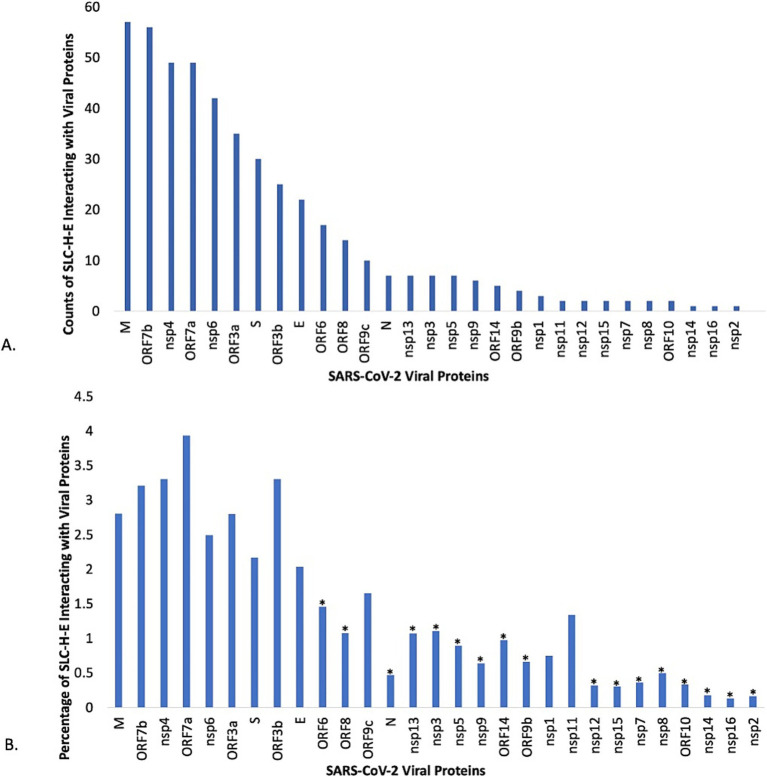 Figure 4
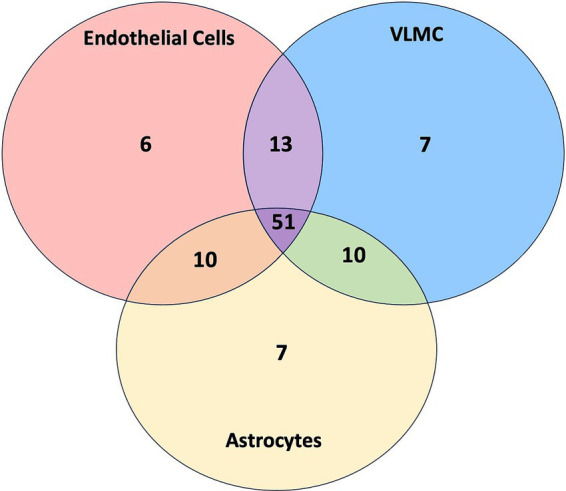 Figure 5
Peer Reviews
No public reviews on file for this paper yet. If you reviewed it on a platform where reviews are public (OpenReview, ICLR, NeurIPS, ICML), you can paste yours below so the community can read it here.
Videos
No videos yet. Explain this paper in a talk, walkthrough, or lecture? Add one.
Taxonomy
TopicsLong-Term Effects of COVID-19 · Infectious Encephalopathies and Encephalitis · Neuroinflammation and Neurodegeneration Mechanisms