Molecular prevalence of Coenurus cerebralis in sheep exhibiting neurological symptoms in Kazakhstan
Aigerim Kozhayeva, Abzal Kereyev, Alexandr Shevtsov, Bolat Abdigulov, Darkhan Smagulov, Saltanat Khamzina, Botagoz Kulzhanova, Kulsara Nurzhanova, Lyaila Bupebayeva, Aigerim Khamzina

TL;DR
This study identifies Coenurus cerebralis in sheep with neurological symptoms in Kazakhstan using molecular methods and highlights the parasite's genetic connections to other regions.
Contribution
The study provides new molecular evidence of Coenurus cerebralis prevalence in Kazakhstan and reveals shared haplotypes with isolates from Italy, Turkey, and Iran.
Findings
PCR and mitochondrial gene analysis confirmed Coenurus cerebralis in 9 out of 15 symptomatic sheep.
Kazakhstani isolates belong to a single haplotype (Hap47) linked to global lineages.
The findings suggest historical migration or dispersal routes connecting Kazakhstan with other regions.
Abstract
Coenurosis, caused by the larval stage of Taenia multiceps — Coenurus cerebralis, is a severe parasitic disease that affects the central nervous system of sheep and causes significant economic losses in livestock farming. This study aimed to determine the molecular prevalence of Coenurus cerebralis in sheep with neurological symptoms in Kazakhstan using conventional PCR followed by Sanger sequencing. The study was conducted in the West Kazakhstan and Abay regions. However, insufficient data from other regions limits the development of effective national control measures. Of the 100 sheep examined, clinical signs of the disease were detected in 15 animals. During molecular analysis of the mitochondrial genes COX1 and NAD1, positive results were obtained in 9 samples (81%). The data obtained confirm the high diagnostic value of PCR and the effectiveness of mitochondrial markers for…
Genes, proteins, chemicals, diseases, species, mutations and cell lines named across the full text — each resolved to its canonical identifier and authoritative record.
Click any figure to enlarge with its caption.
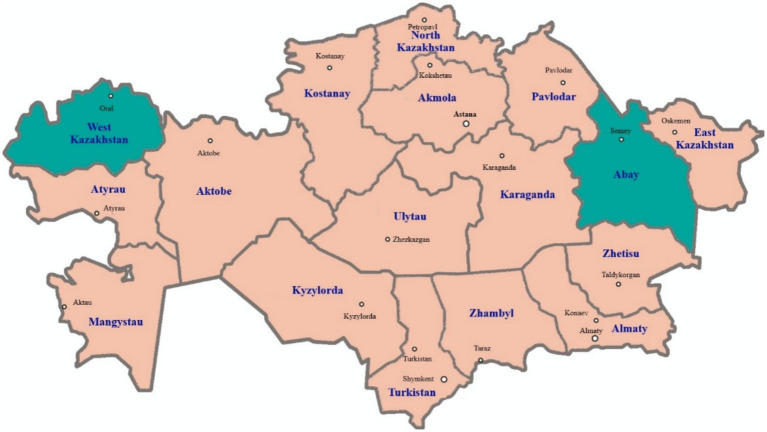 Figure 1
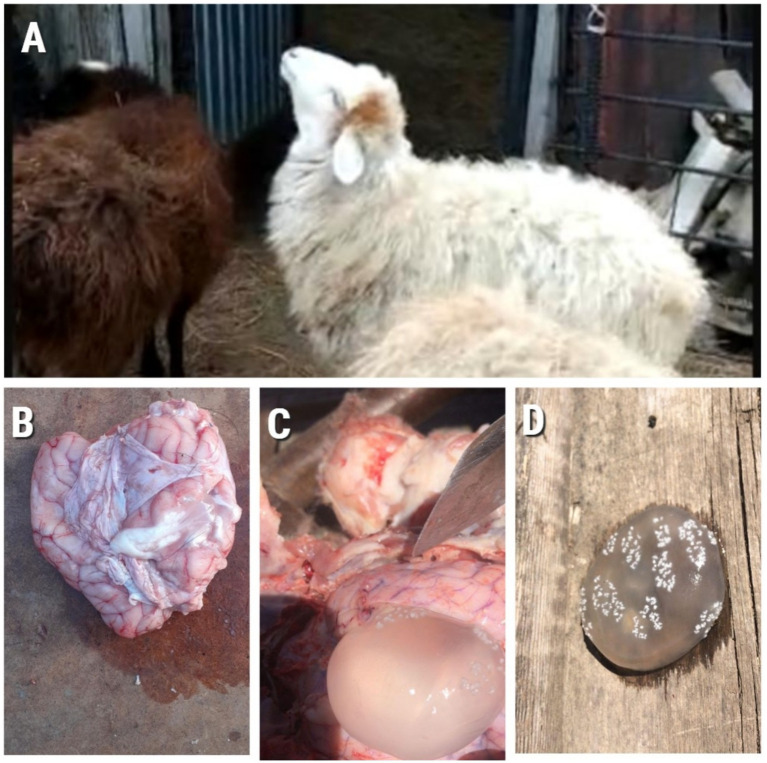 Figure 2
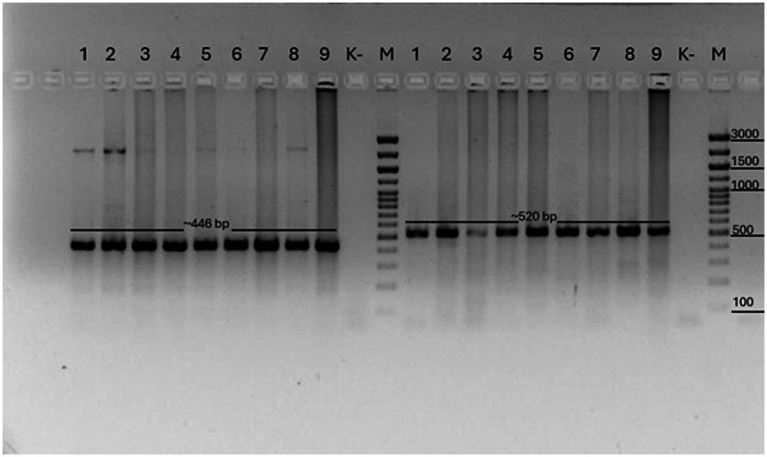 Figure 3
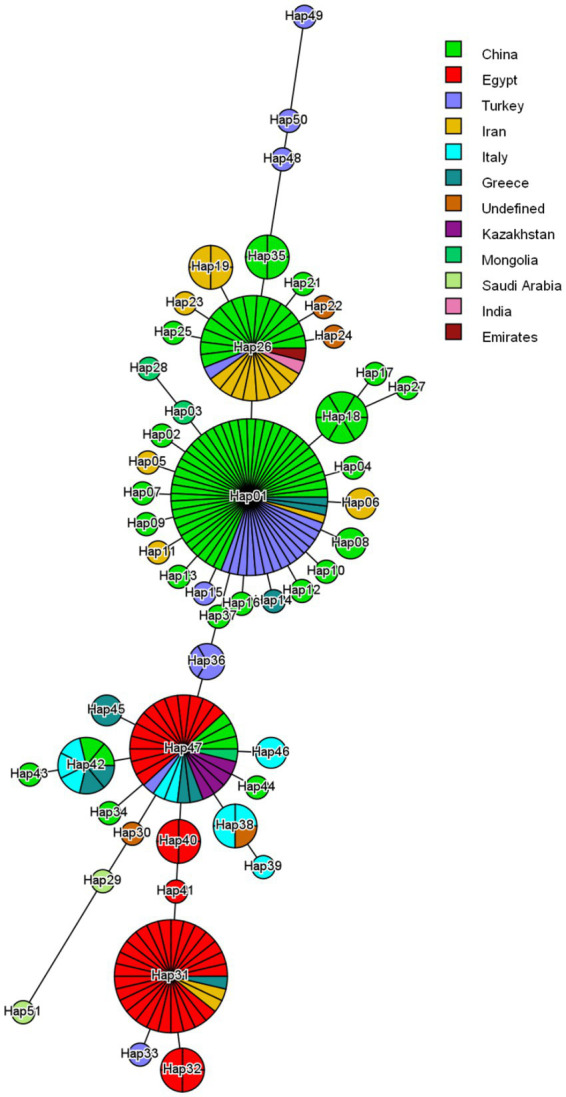 Figure 4
Peer Reviews
No public reviews on file for this paper yet. If you reviewed it on a platform where reviews are public (OpenReview, ICLR, NeurIPS, ICML), you can paste yours below so the community can read it here.
Videos
No videos yet. Explain this paper in a talk, walkthrough, or lecture? Add one.
Taxonomy
TopicsParasitic infections in humans and animals · Parasitic Infections and Diagnostics · Helminth infection and control