Immunological In Vitro Assay for Quantification of Adjuvanted Allergoids
S. Schlünder, J. Echternach, D. Bartel, V. Mahler, M. D. Mühlebach, F. Führer

TL;DR
A new in vitro assay was developed to measure allergoid content in adjuvanted allergy treatments, ensuring product consistency and quality.
Contribution
The study introduces a novel fluorescence-based assay for quantifying allergoids in adjuvanted AIT products, enabling animal-free quality control.
Findings
The assay demonstrated high specificity and low cross-reactivity with other allergen types.
It successfully quantified allergoid content across four different grass pollen AIT drug products.
The method detected product alterations caused by heat stress and confirmed batch consistency.
Abstract
Many IgE‐mediated allergic disorders can be treated with allergen immunotherapy (AIT). In order to improve safety and efficacy, some AIT products contain allergen extracts which are chemically cross‐linked to generate allergoids and are adsorbed to aluminum hydroxide adjuvant. The modification and adsorption impair accessibility of the protein and quantification of the allergoid content. An ELISA‐like assay to quantify the allergoid content in adjuvanted grass pollen allergoid AIT products (from here on called: AIT drug products; AIT‐DPs) was developed using a fluorescence detection system. The high density of the aluminum hydroxide particles enabled pelleting the antigen complexes by centrifugation. Rabbit anti‐grass pollen allergoid sera or a mouse anti‐Phl p 5 monoclonal antibody (mAb) was used as the primary antibody. Protein content of the samples was quantified by nitrogen…
Genes, proteins, chemicals, diseases, species, mutations and cell lines named across the full text — each resolved to its canonical identifier and authoritative record.
Click any figure to enlarge with its caption.
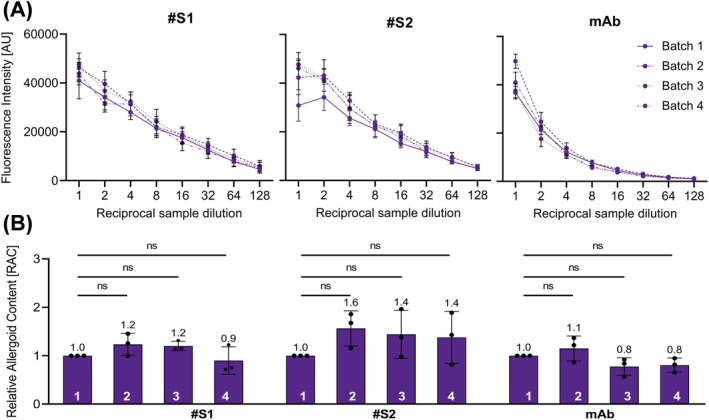 Figure 1
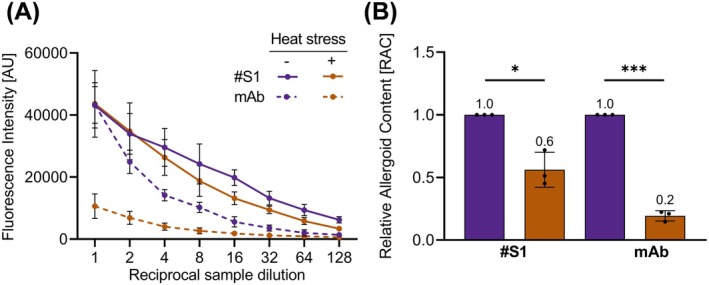 Figure 2
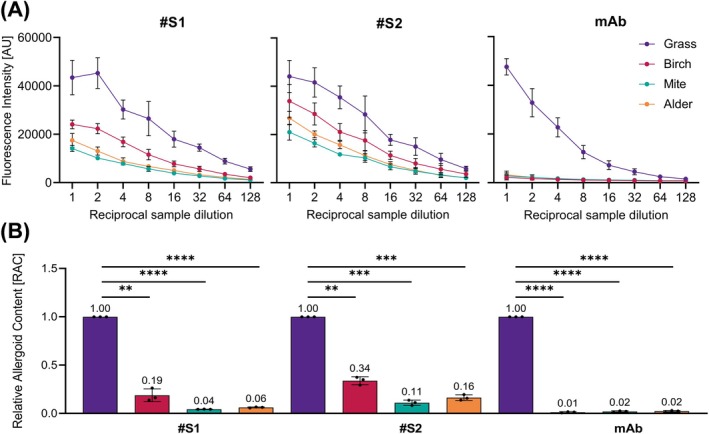 Figure 3
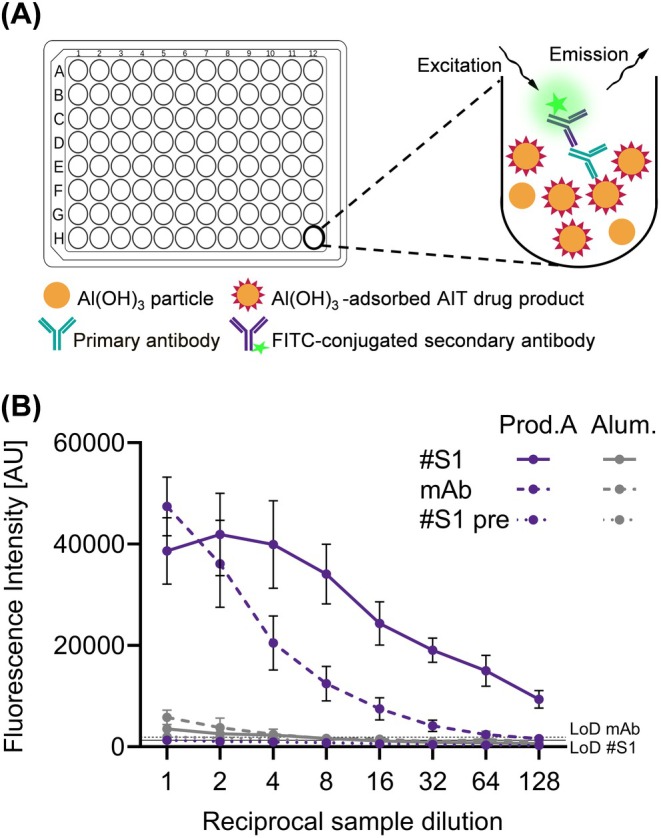 Figure 4
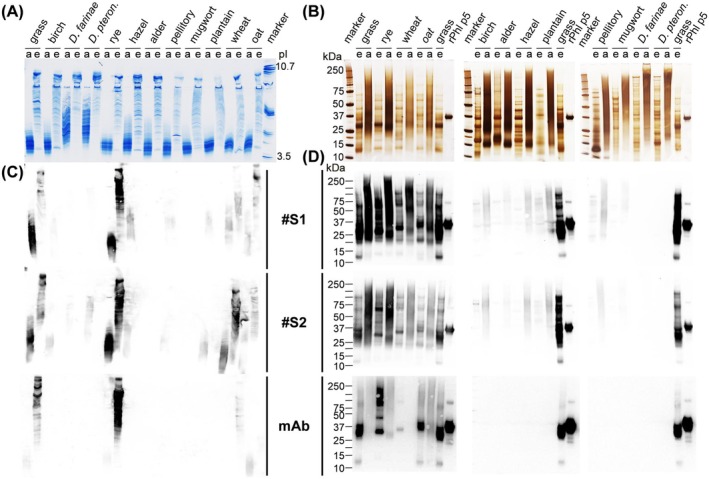 Figure 5
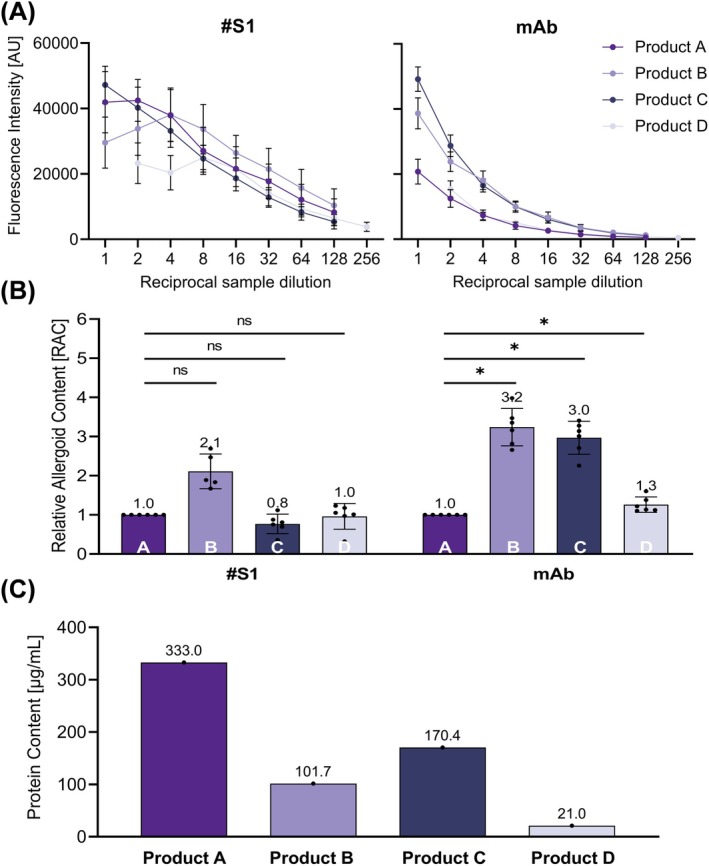 Figure 6
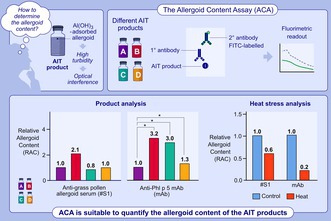 Figure 7
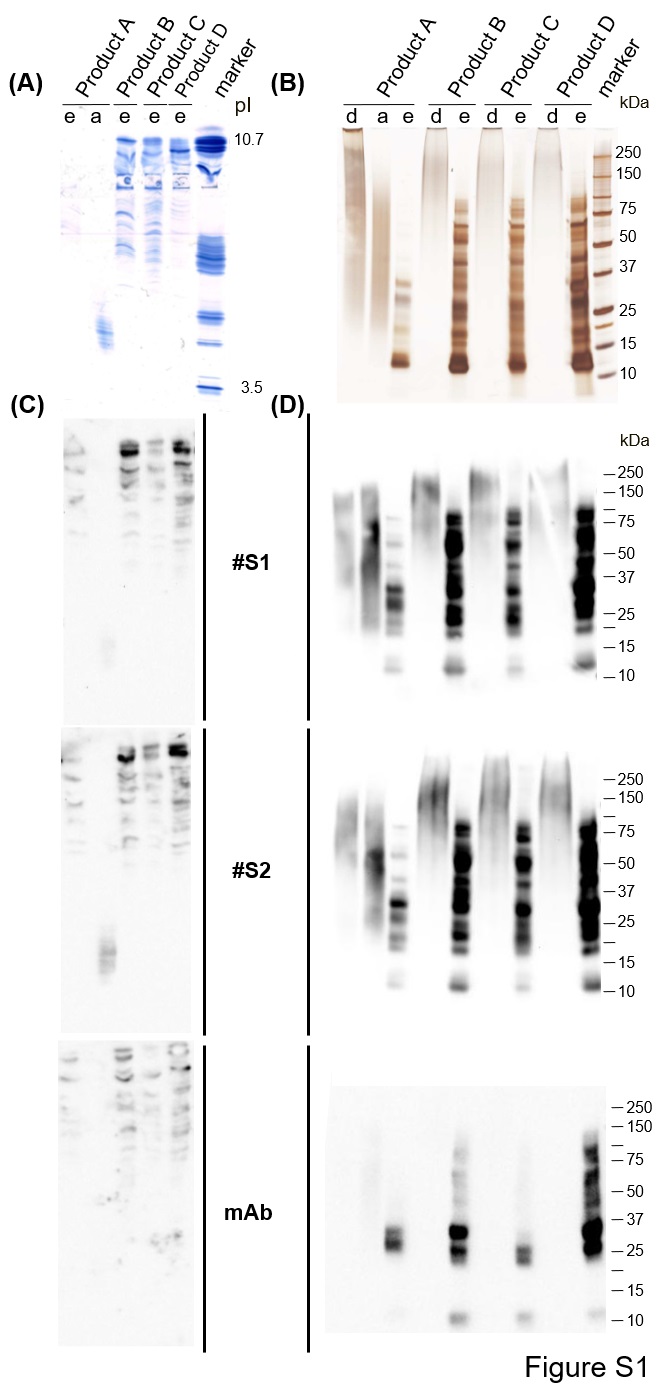 Figure 8
Peer Reviews
No public reviews on file for this paper yet. If you reviewed it on a platform where reviews are public (OpenReview, ICLR, NeurIPS, ICML), you can paste yours below so the community can read it here.
Videos
No videos yet. Explain this paper in a talk, walkthrough, or lecture? Add one.
Taxonomy
TopicsAllergic Rhinitis and Sensitization · Contact Dermatitis and Allergies · Food Allergy and Anaphylaxis Research