A Case of Stanford Type A Aortic Dissection Presenting as Syncope and Neurologic Deficits Without Pain: Diagnostic Pitfalls and a Therapeutic Dilemma
Umar Ismail

TL;DR
A 59-year-old man with uncontrolled hypertension presented with syncope and neurological issues, not typical chest pain, leading to a delayed diagnosis of aortic dissection.
Contribution
Highlights diagnostic challenges of atypical aortic dissection presentations and suggests simulation training for emergency clinicians.
Findings
Aortic dissection was diagnosed in a patient presenting with syncope and neurological deficits, not typical chest pain.
Emergency surgical repair led to good recovery after initial misdiagnosis as acute coronary syndrome.
Simulation training for atypical aortic dissection cases is recommended to improve diagnostic accuracy.
Abstract
Acute aortic dissection (AAD) is a true medical emergency that classically presents with sudden severe tearing chest pain that may radiate to the back or with tearing abdominal pain. When it presents atypically without pain, diagnostic delays or misdiagnosis are common, often with devastating consequences. We report the case of a 59-year-old male with uncontrolled hypertension who first presented to an outside emergency department (ED) with multiple collapses and was discharged after assessment. He presented 48 hours later to our ED following collapse and loss of consciousness. The patient was in shock upon arrival. Transient right upper limb weakness and slurring of speech were noted on initial assessment. Acute coronary syndrome (ACS) with cardiogenic shock was suspected on the basis of electrocardiographic (ECG) changes and raised troponin, and ACS treatment was administered.…
Genes, proteins, chemicals, diseases, species, mutations and cell lines named across the full text — each resolved to its canonical identifier and authoritative record.
Click any figure to enlarge with its caption.
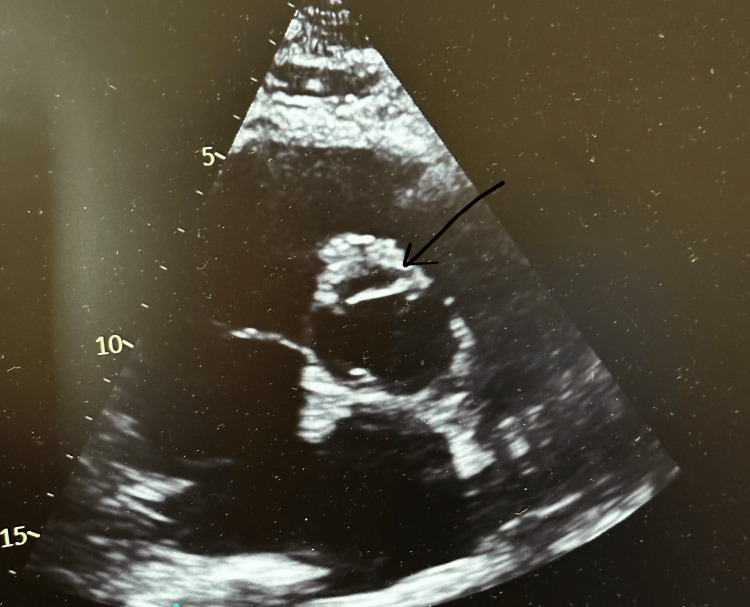 Figure 1
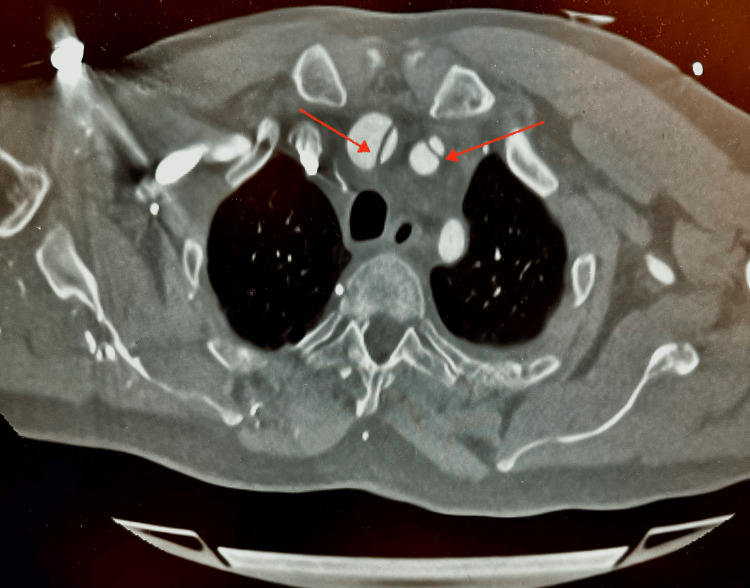 Figure 2
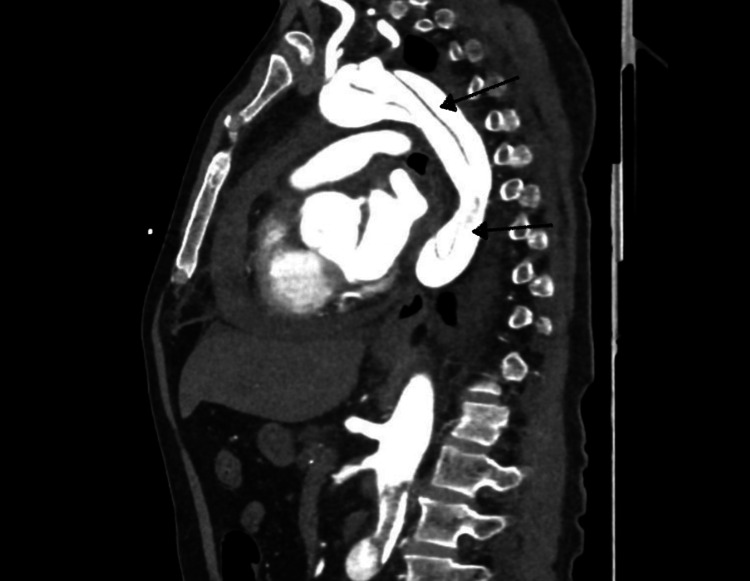 Figure 3
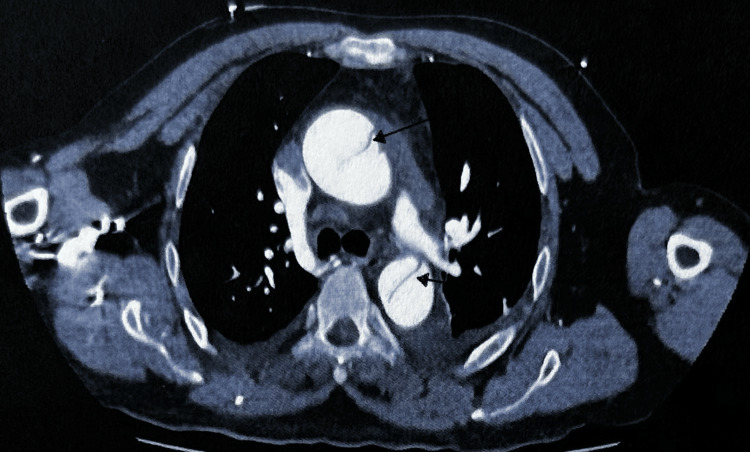 Figure 4
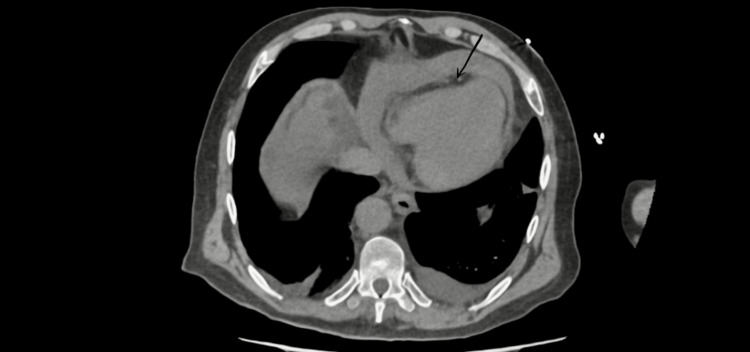 Figure 5
Peer Reviews
No public reviews on file for this paper yet. If you reviewed it on a platform where reviews are public (OpenReview, ICLR, NeurIPS, ICML), you can paste yours below so the community can read it here.
Videos
No videos yet. Explain this paper in a talk, walkthrough, or lecture? Add one.
Taxonomy
TopicsAortic Disease and Treatment Approaches · Cardiac Valve Diseases and Treatments · Cardiac Structural Anomalies and Repair