Prognostic relevance of prospero homeobox 1 and metastasis tumor antigen 1 in patients with malignant salivary gland tumors: a clinicopathological study
Samar Soliman, Doaa Abdallah Farag, Heba Ahmed Elhendawy

TL;DR
This study shows that PROX1 and MTA1 proteins are linked to worse outcomes in patients with salivary gland cancer.
Contribution
The study identifies PROX1 and MTA1 as potential biomarkers for predicting progression and recurrence in salivary gland carcinomas.
Findings
Positive PROX1 and high MTA1 expressions correlate with larger tumors, metastasis, and advanced cancer stages.
High PROX1 and MTA1 levels are associated with reduced disease-free and overall survival in salivary gland cancer patients.
Distant metastasis was the only independent predictor for disease-free survival in multivariate analysis.
Abstract
The current study aimed to investigate the prognostic relevance of PROX1, and MTA1 in salivary gland carcinomas. In a retrospective study on 45 cases diagnosed with salivary gland carcinoma, PROX1 and MTA1 immunoexpressions were assessed concerning the different clinicopathologic parameters, disease-free (DFS), and overall survivals (OS). Pearson’s Chi-square test, One-way ANOVA, and Post Hoc tests were used to estimate the difference between groups. The Kaplan–Meier method was used to record DFS and OS, and the log-rank test was used to analyze the data. With Cox regression, univariate and multivariate survival analyses were run. A P-value of 0.05 or less was regarded as statistically significant. Positive PROX1 and high MTA1 expressions were significantly associated with large tumor sizes (T3 & T4), presence of nodal and distant metastasis, advanced TNM clinical stage (III + IV),…
Genes, proteins, chemicals, diseases, species, mutations and cell lines named across the full text — each resolved to its canonical identifier and authoritative record.
Click any figure to enlarge with its caption.
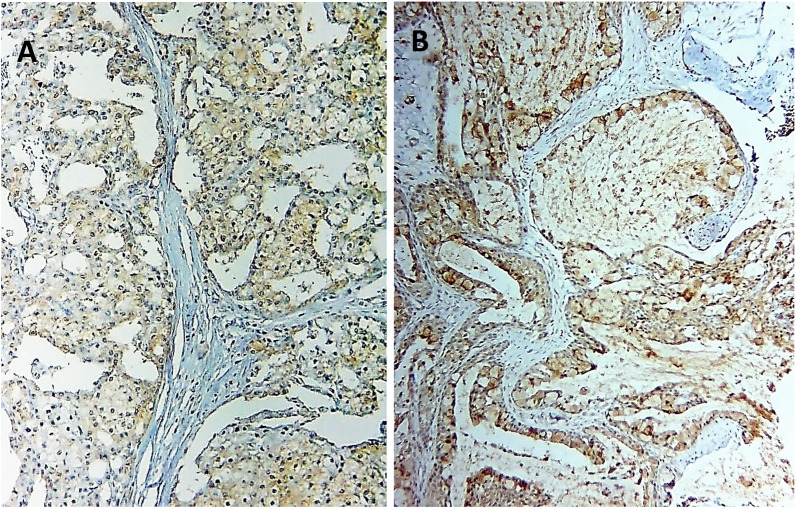 Figure 10
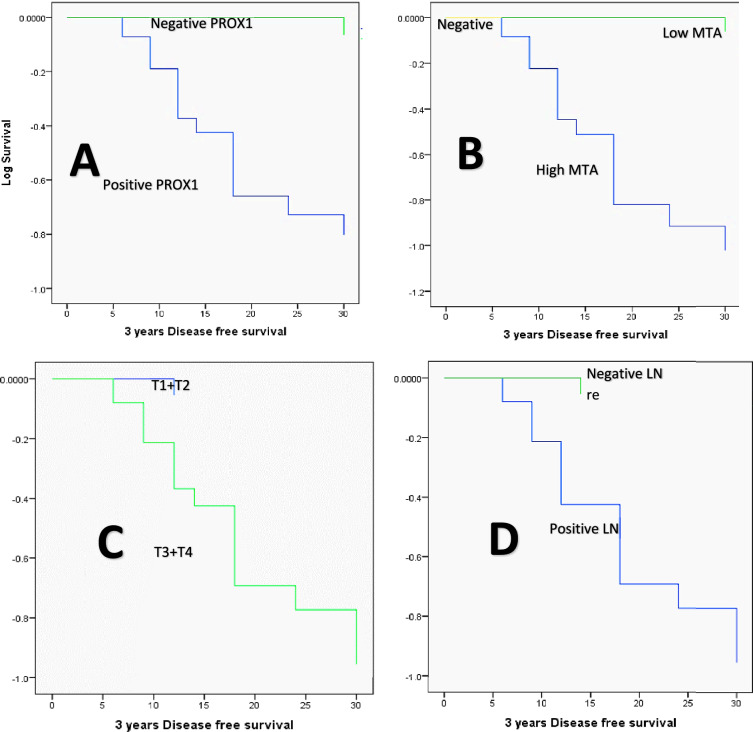 Figure 11
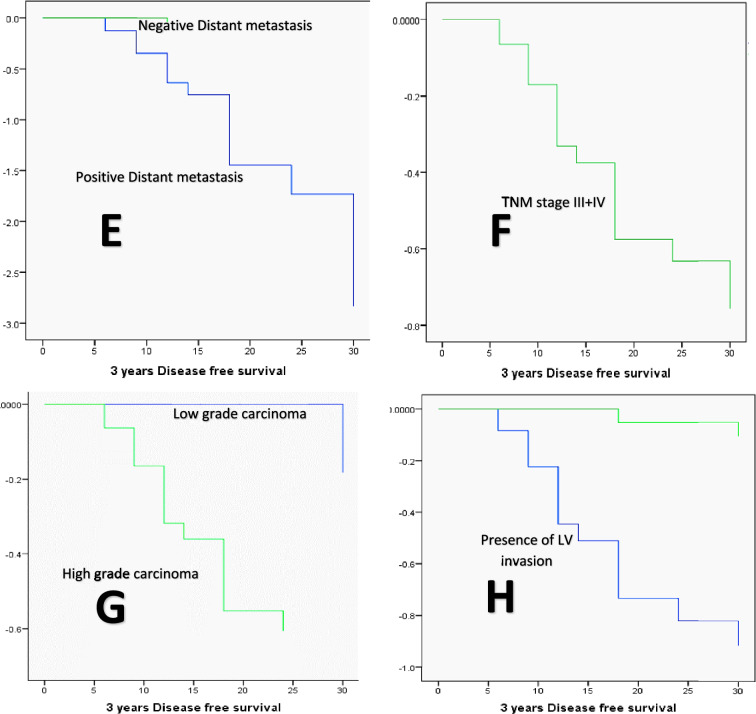 Figure 11
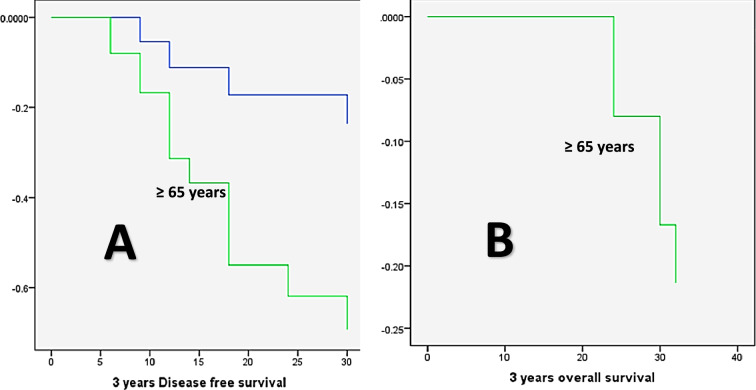 Figure 12
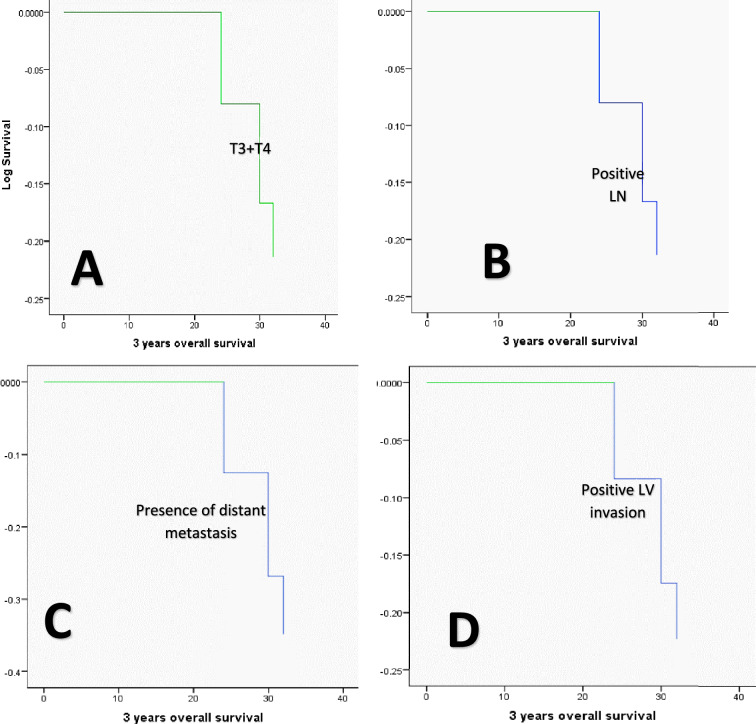 Figure 13
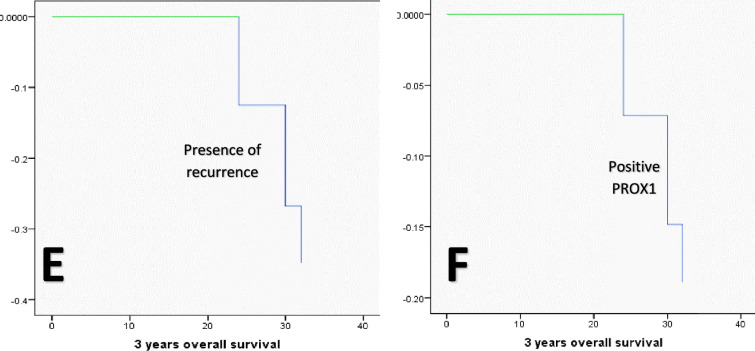 Figure 13
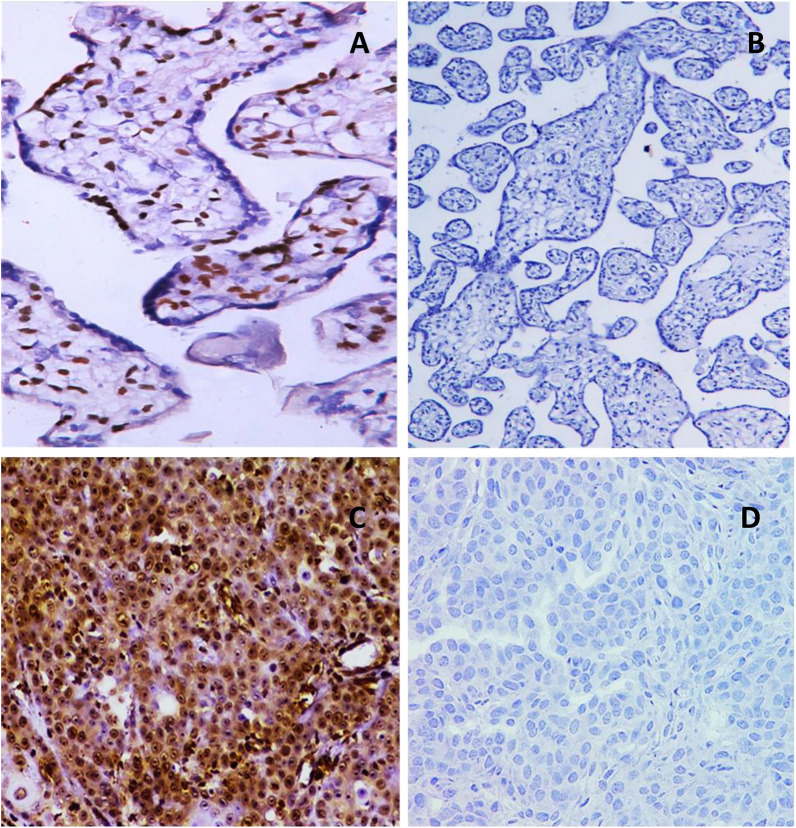 Figure 1
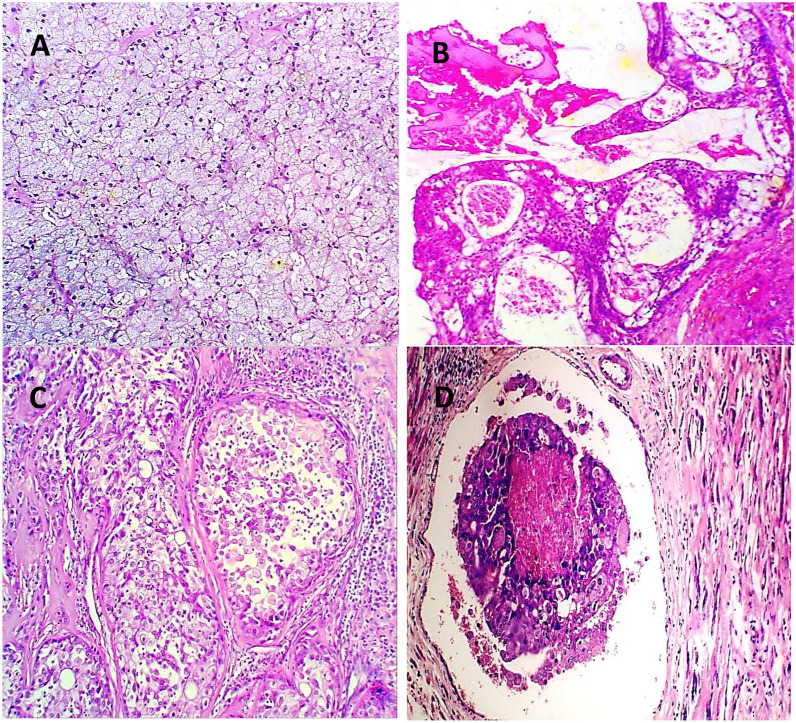 Figure 2
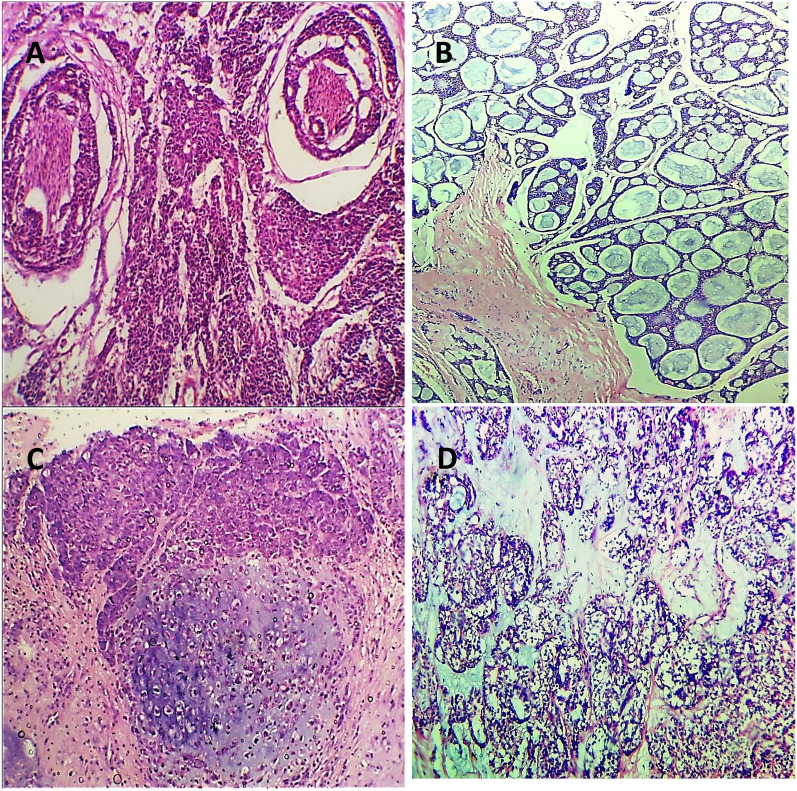 Figure 3
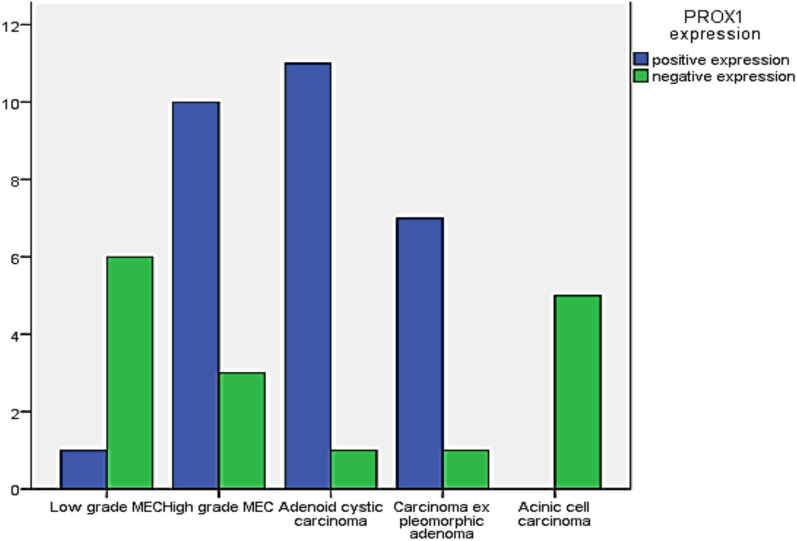 Figure 4
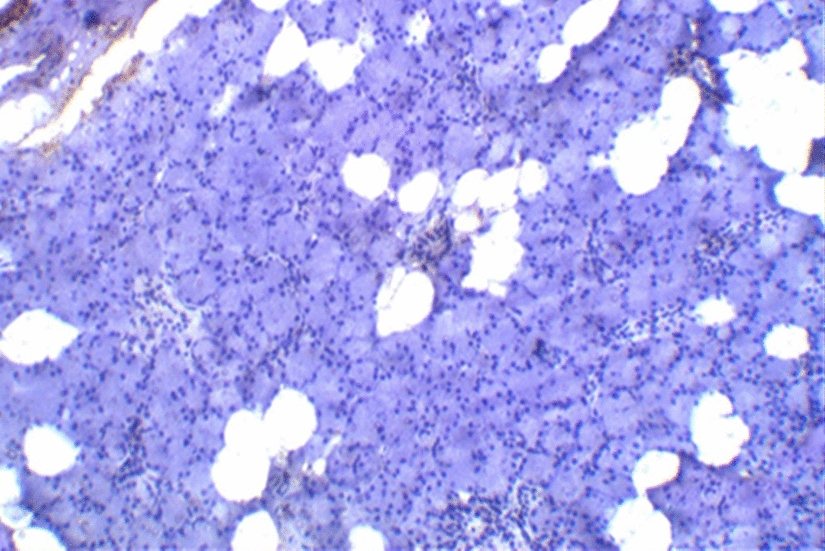 Figure 5
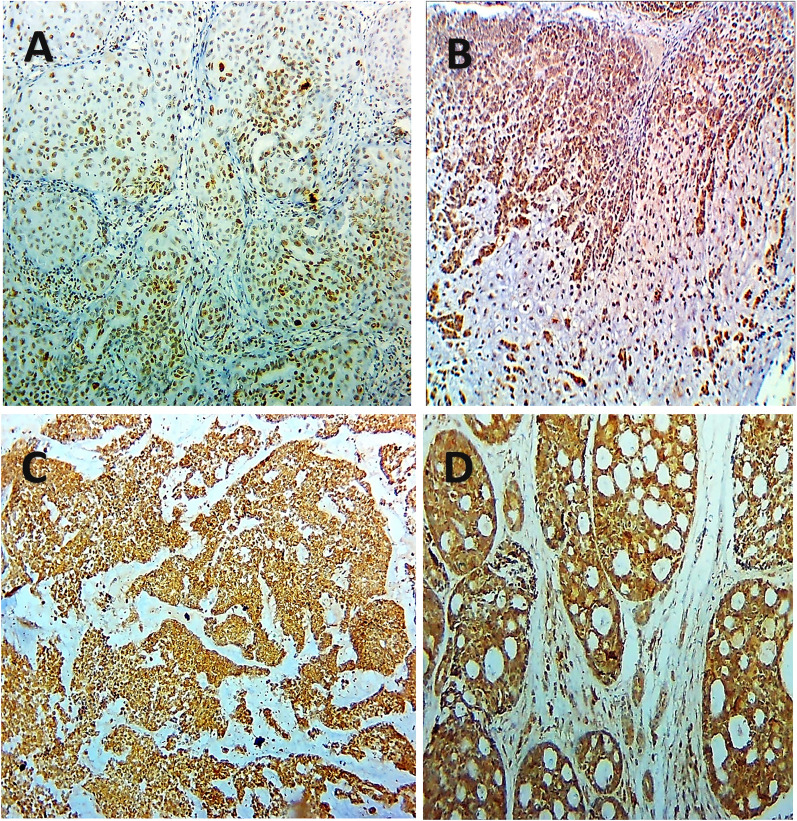 Figure 6
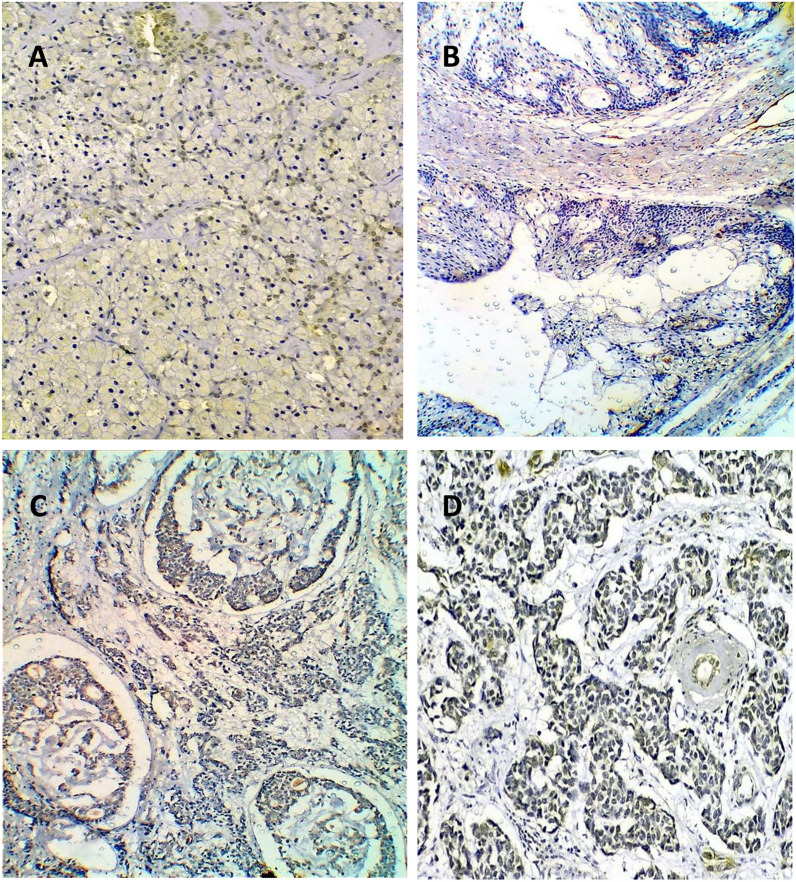 Figure 7
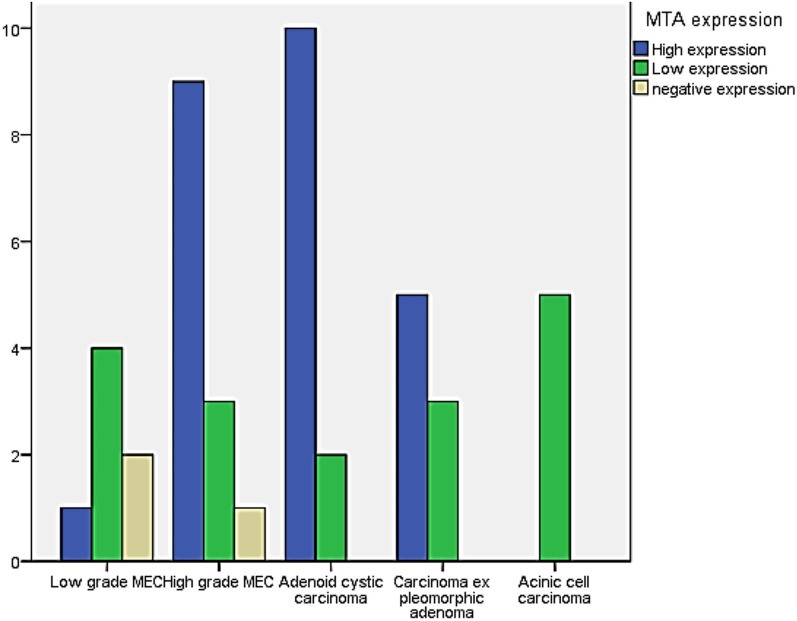 Figure 8
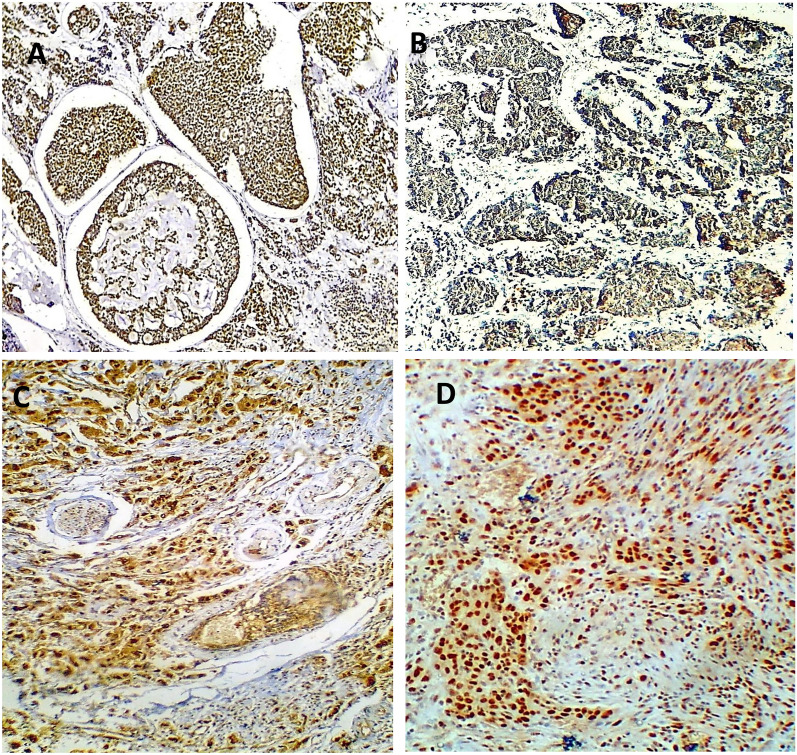 Figure 9
Peer Reviews
No public reviews on file for this paper yet. If you reviewed it on a platform where reviews are public (OpenReview, ICLR, NeurIPS, ICML), you can paste yours below so the community can read it here.
Videos
No videos yet. Explain this paper in a talk, walkthrough, or lecture? Add one.
Taxonomy
TopicsSalivary Gland Tumors Diagnosis and Treatment · Ear and Head Tumors · Cancer and Skin Lesions