Transcriptome analysis reveals the sex-switching mechanism of juvenile hermaphroditism in silver pomfret (Pampus argenteus)
Yaya Li, Jiabao Hu, Chongyang Wang, Man Zhang, Youyi Zhang, Yuanbo Li, Mengke Tang, Chunlai Qin, Zukang Feng, Shanliang Xu, Xiaojun Yan, Xubo Wang, Haimin Chen, Yajun Wang

TL;DR
This study explores how silver pomfret switch from female to male during development, revealing the role of hormones and gene activity in this process.
Contribution
The study identifies specific genes and metabolic pathways involved in sex-switching during juvenile hermaphroditism in silver pomfret.
Findings
Oocyte apoptosis and testis development occur between 90 and 120 dph in silver pomfret.
Androgens like 11-KT and estrogen E2 regulate sex differentiation through gene expression.
Ovarian development involves lipid metabolism and follicular selection processes.
Abstract
Our previous study on silver pomfret (Pampus argenteus) demonstrated that all gonads initially develop into ovaries by 60 days post-hatch (dph). Between 80 and 120 dph, some oocytes undergo apoptosis, resulting in the development of testes and a transient hermaphroditic stage. This observation indicates a complex molecular mechanism underlying sex differentiation in this species. Gonadal samples were collected at 90 dph, 120 dph, and 150 dph, with sex identification performed by HE staining and transcriptome sequencing. Morphological traits, including body length and weight, were measured to evaluate sexual size dimorphism. Candidate genes related to with sex differentiation were identified through differential gene expression analysis and feature selection methods, followed by gene set enrichment analysis to identify potential molecular pathways. Heatmaps were generated to visualize…
Genes, proteins, chemicals, diseases, species, mutations and cell lines named across the full text — each resolved to its canonical identifier and authoritative record.
Click any figure to enlarge with its caption.
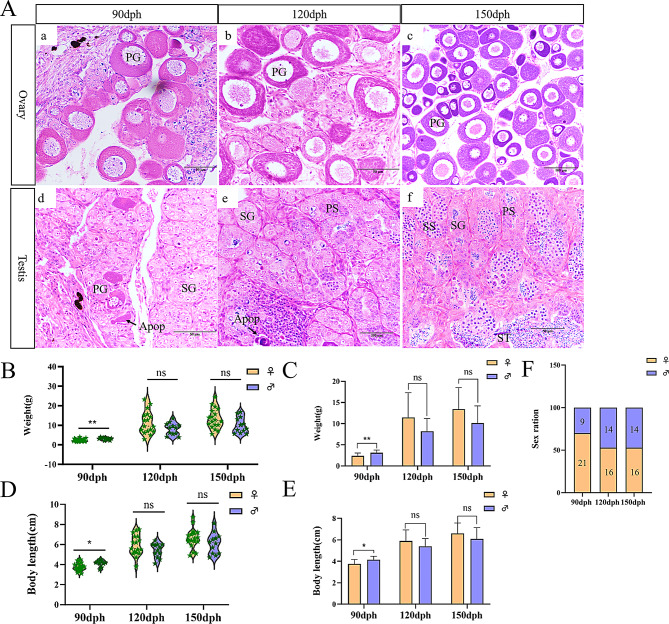 Figure 1
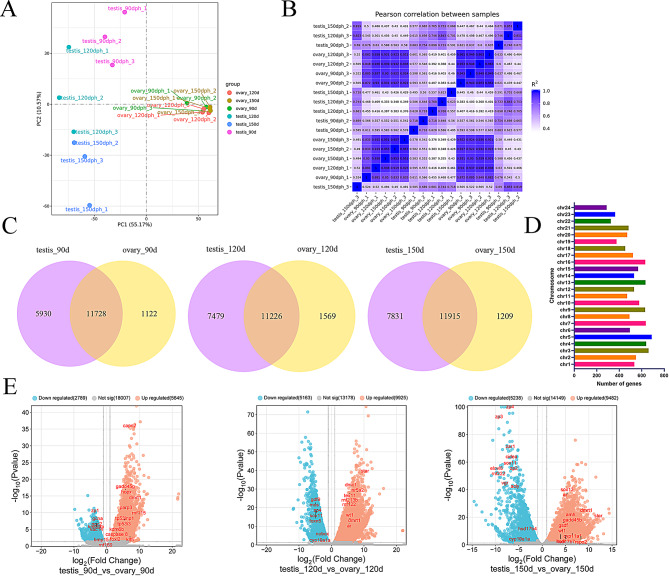 Figure 2
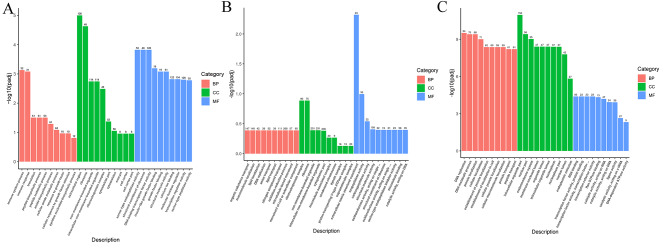 Figure 3
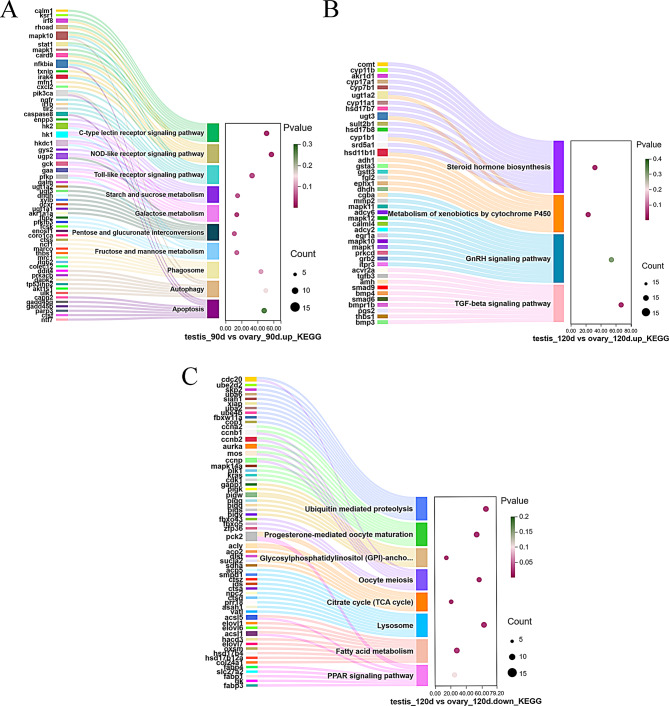 Figure 4
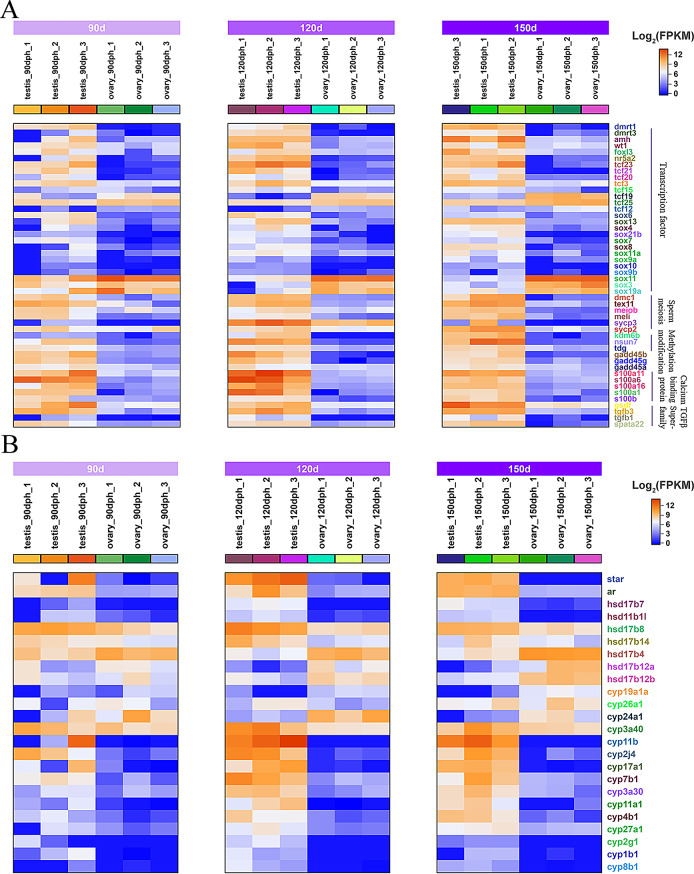 Figure 5
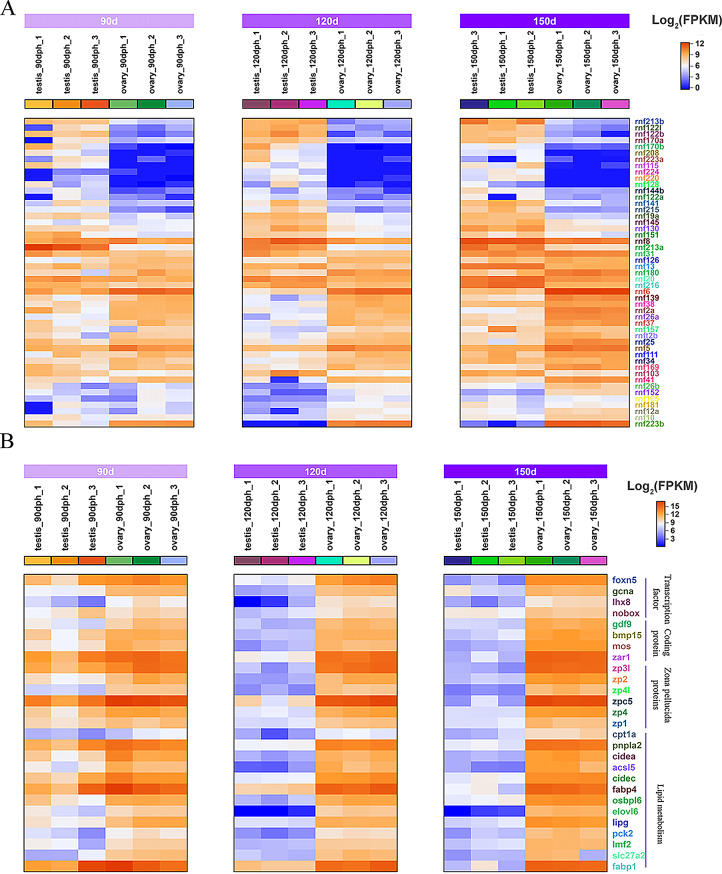 Figure 6
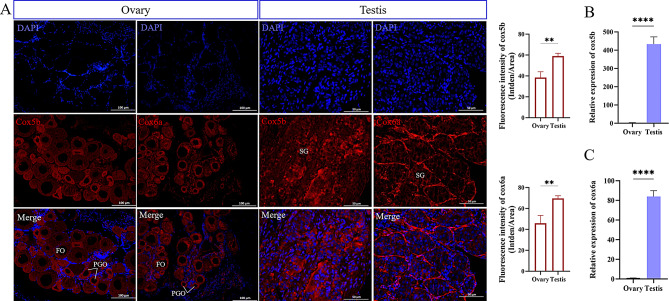 Figure 7
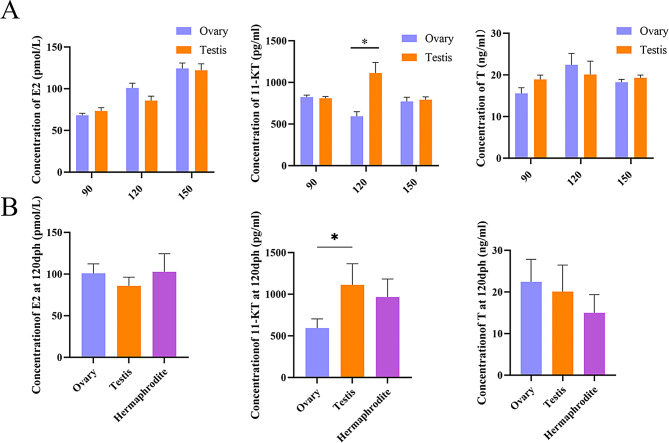 Figure 8
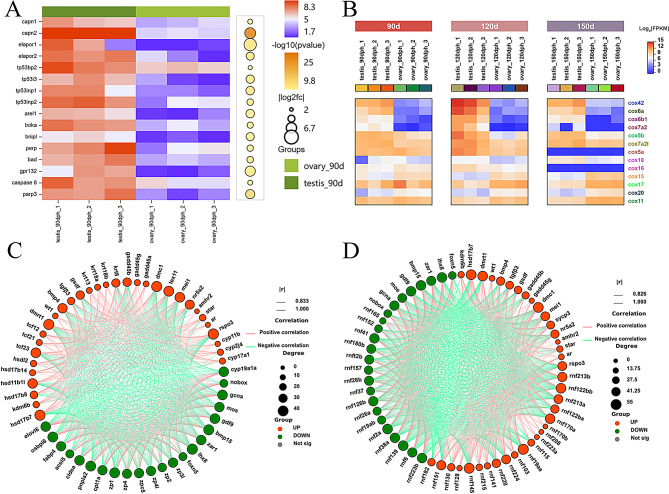 Figure 9
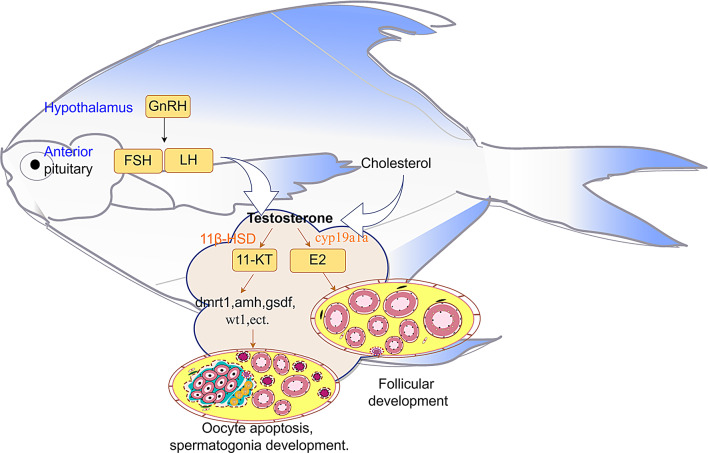 Figure 10
Peer Reviews
No public reviews on file for this paper yet. If you reviewed it on a platform where reviews are public (OpenReview, ICLR, NeurIPS, ICML), you can paste yours below so the community can read it here.
Videos
No videos yet. Explain this paper in a talk, walkthrough, or lecture? Add one.
Taxonomy
TopicsGenetic and Clinical Aspects of Sex Determination and Chromosomal Abnormalities · Sexual Differentiation and Disorders · Sperm and Testicular Function