Correction: An automated protocol to construct flexibility parameters for classical forcefields: applications to metal–organic frameworks
Reza Ghanavati, Alma C. Escobosa, Thomas A. Manz

TL;DR
This paper presents a correction to a protocol for constructing flexibility parameters in classical forcefields for metal-organic frameworks.
Contribution
The correction improves the automated protocol for generating accurate flexibility parameters in molecular simulations.
Findings
The correction addresses errors in the original protocol for parameter construction.
Applications focus on enhancing simulations of metal–organic frameworks.
The revised protocol improves accuracy and reliability of classical forcefield modeling.
Abstract
Correction for ‘An automated protocol to construct flexibility parameters for classical forcefields: applications to metal–organic frameworks’ by Reza Ghanavati et al., RSC Adv., 2024, 14, 22714–22762, https://doi.org/10.1039/D4RA01859A.
Genes, proteins, chemicals, diseases, species, mutations and cell lines named across the full text — each resolved to its canonical identifier and authoritative record.
Click any figure to enlarge with its caption.
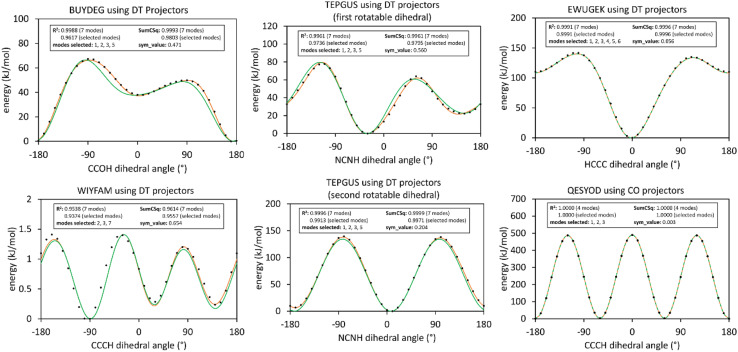 Figure 1
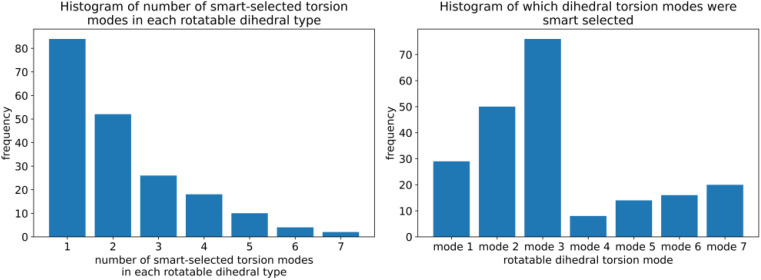 Figure 2
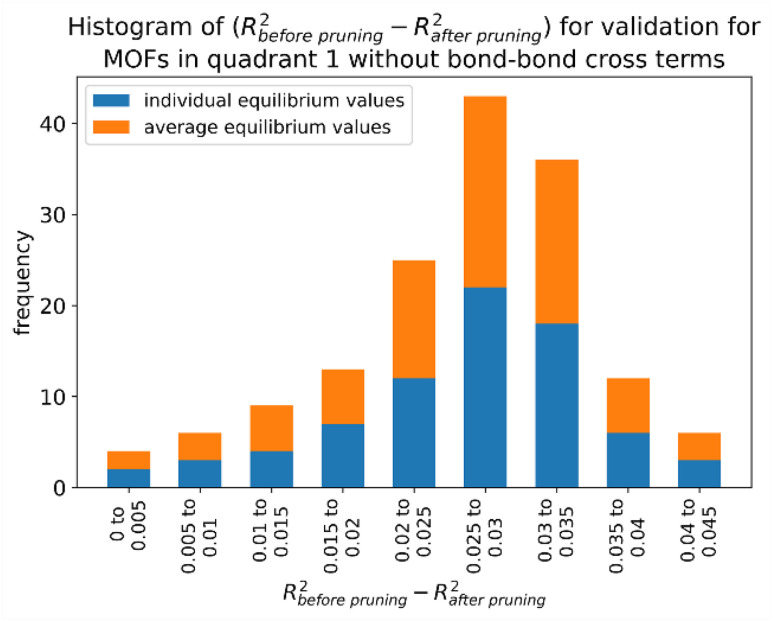 Figure 3
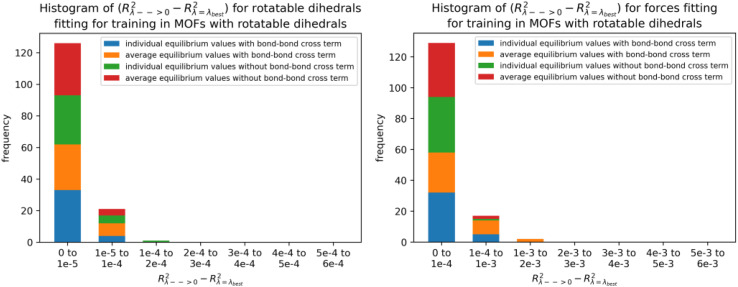 Figure 4
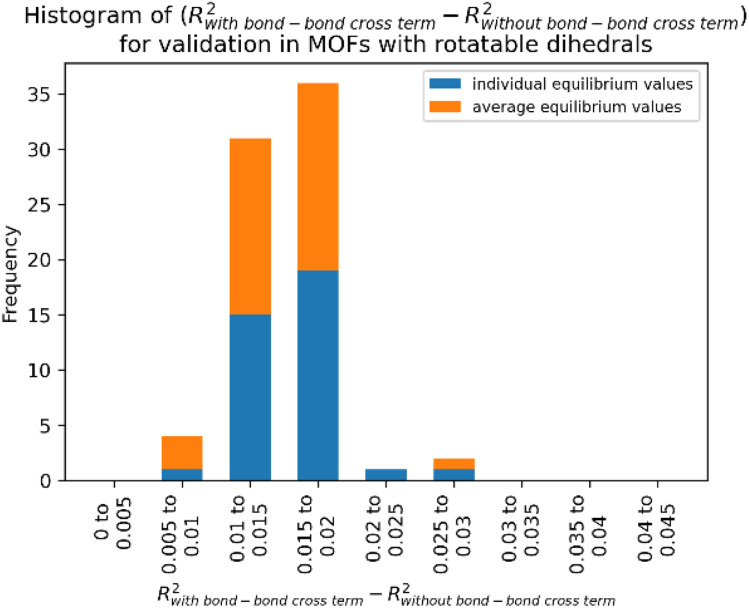 Figure 5
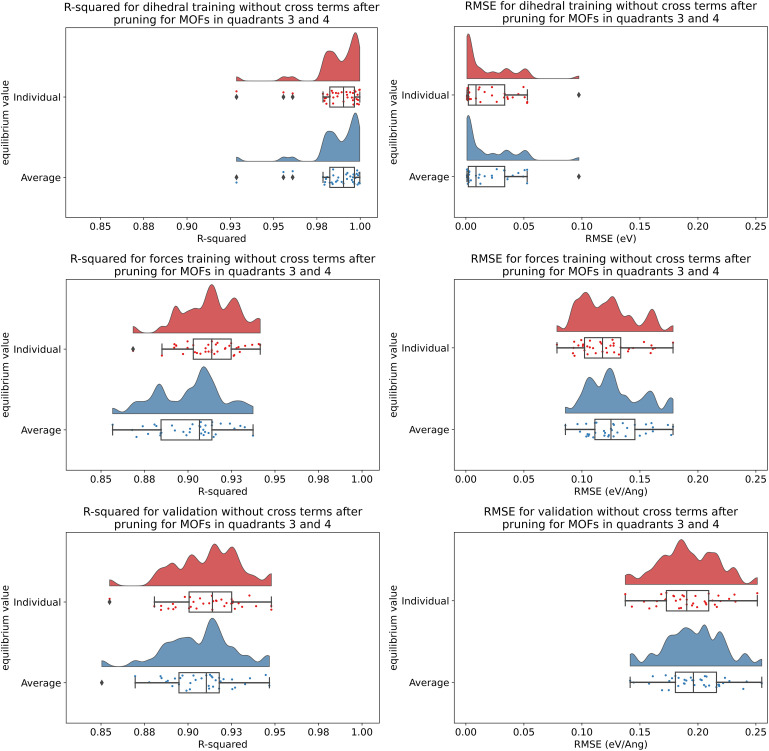 Figure 6
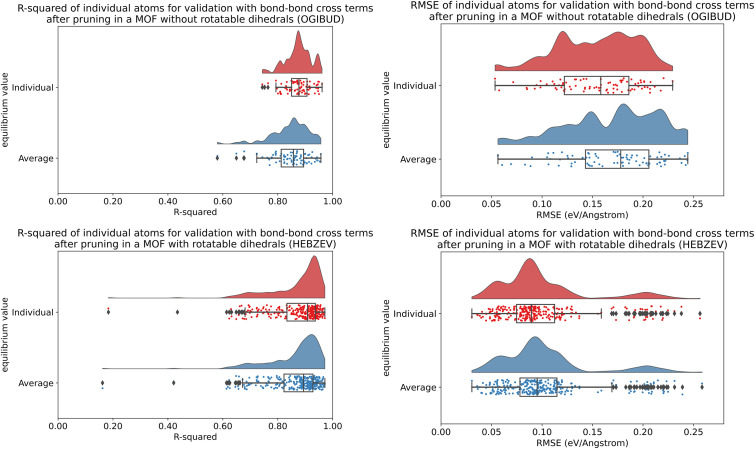 Figure 7
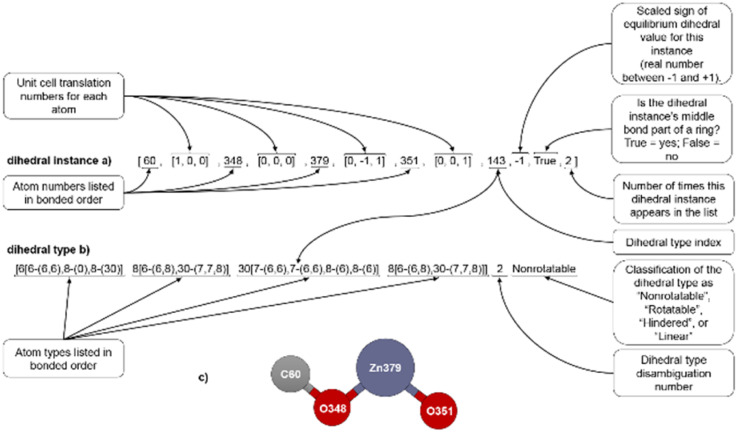 Figure 8
 Figure 9
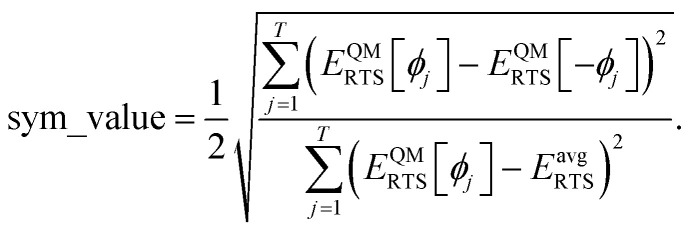 Figure 10
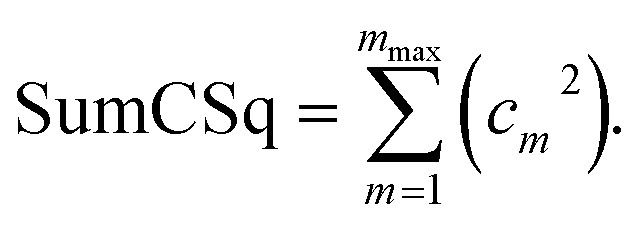 Figure 11
 Figure 12
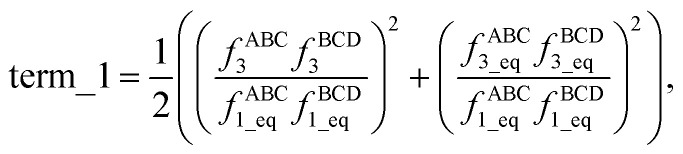 Figure 13
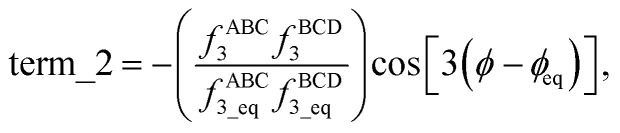 Figure 14
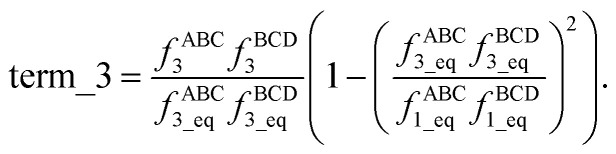 Figure 15
 Figure 16
 Figure 17
 Figure 18
 Figure 19
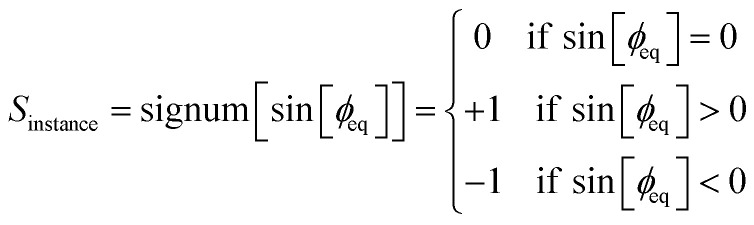 Figure 20
Peer Reviews
No public reviews on file for this paper yet. If you reviewed it on a platform where reviews are public (OpenReview, ICLR, NeurIPS, ICML), you can paste yours below so the community can read it here.
Videos
No videos yet. Explain this paper in a talk, walkthrough, or lecture? Add one.
Taxonomy
TopicsMetal-Organic Frameworks: Synthesis and Applications · Machine Learning in Materials Science · Organic and Molecular Conductors Research