Enantioselective Pictet–Spengler-Type Reaction via a Helically Chiral Anion as an Access to 4,5-Dihydropyrrolo[1,2‑a]quinoxaline Scaffolds
Martin Nigríni, Filip Uhlík, Ivana Císařová, Jan Veselý

TL;DR
A new enantioselective chemical reaction is developed using a chiral catalyst to create a new class of chiral compounds with improved stability.
Contribution
The use of a helically chiral cyclopentadiene catalyst enables a novel enantioselective Pictet–Spengler-type reaction.
Findings
The method produces chiral 4,5-dihydropyrrolo[1,2-a]quinoxalines with resistance to aromatization.
The reaction is conducted under mild conditions with broad substrate compatibility.
The protocol shows significant synthetic versatility for creating new chiral compounds.
Abstract
We report an enantioselective Pictet–Spengler-type reaction enabled by a cost-effective and readily available helically chiral cyclopentadiene (PCCP) catalyst. This methodology, conducted under mild reaction conditions, facilitates the synthesis of a novel class of chiral 4,5-dihydropyrrolo[1,2-a]quinoxalines (DHPQs) characterized by enhanced resistance to aromatization due to intramolecular hydrogen bonding. Additionally, the protocol exhibits broad substrate compatibility and demonstrates significant synthetic versatility.
Genes, proteins, chemicals, diseases, species, mutations and cell lines named across the full text — each resolved to its canonical identifier and authoritative record.
Click any figure to enlarge with its caption.
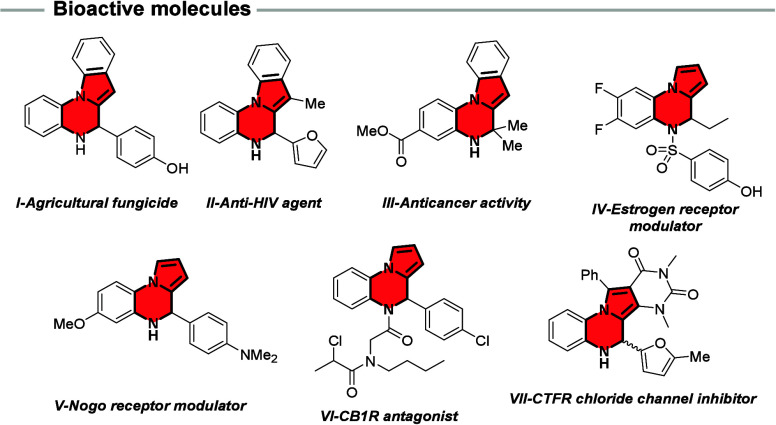 Figure 1
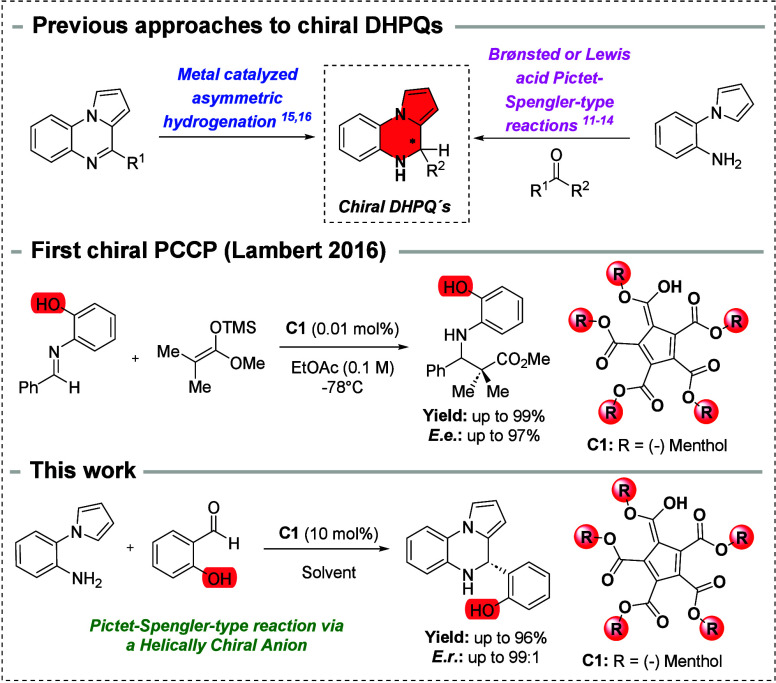 Figure 2
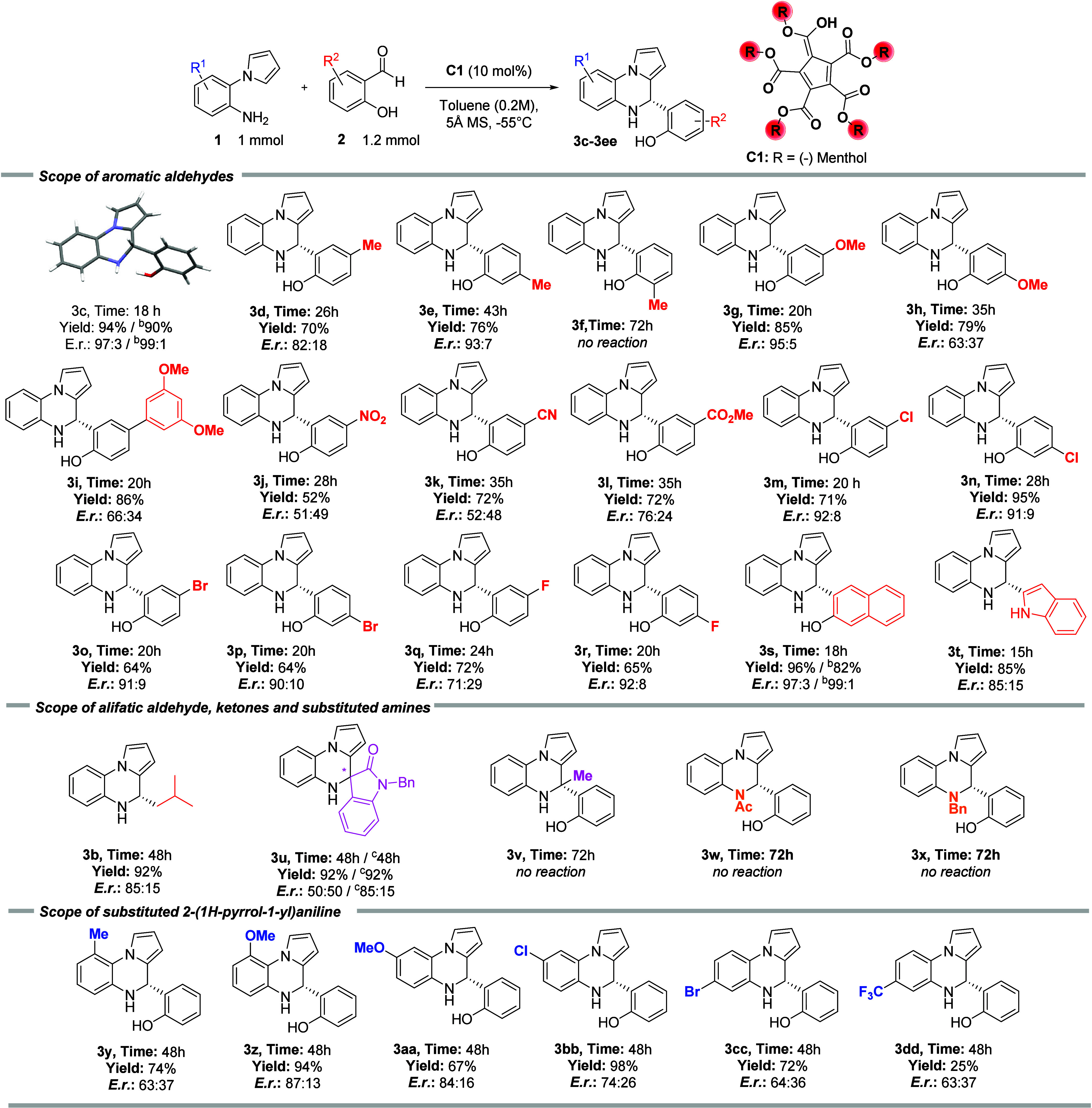 Figure 3
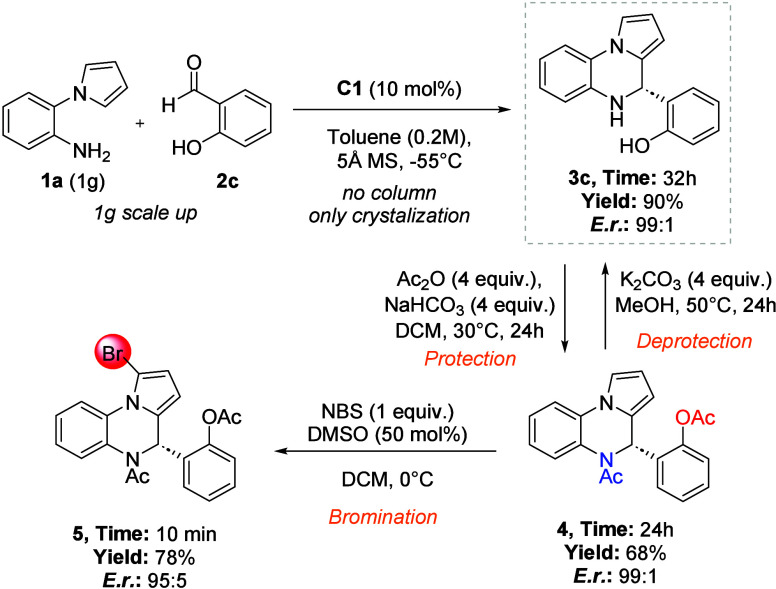 Figure 4
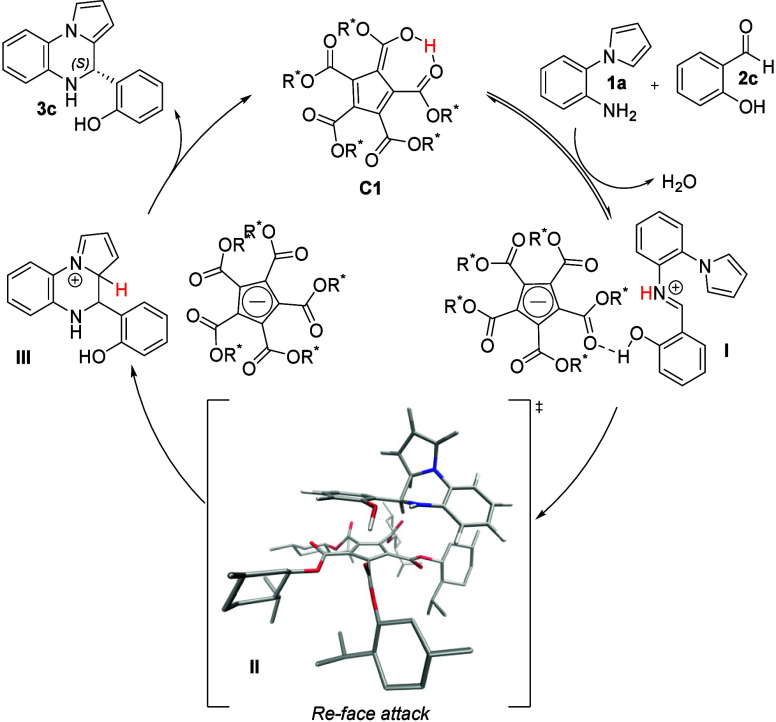 Figure 5
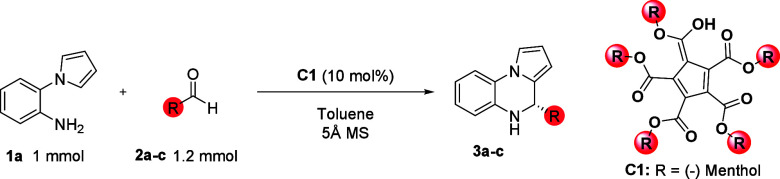 Figure 6
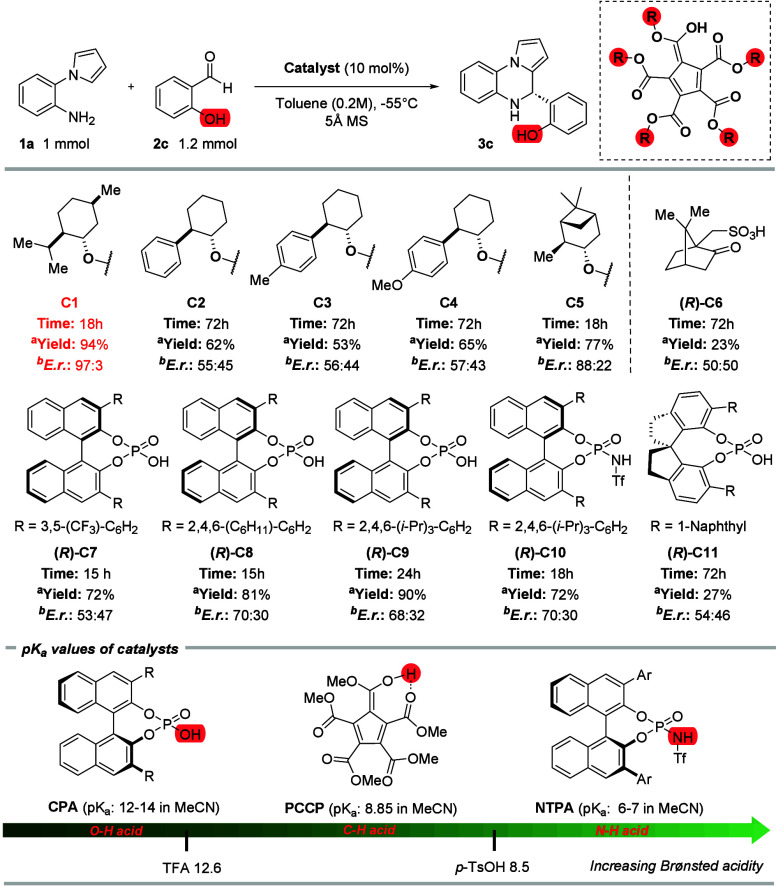 Figure 7
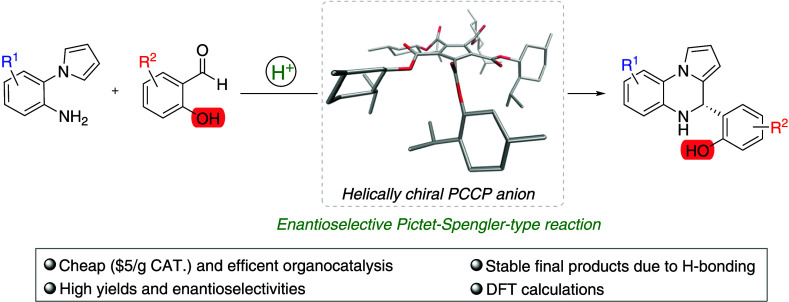 Figure 8
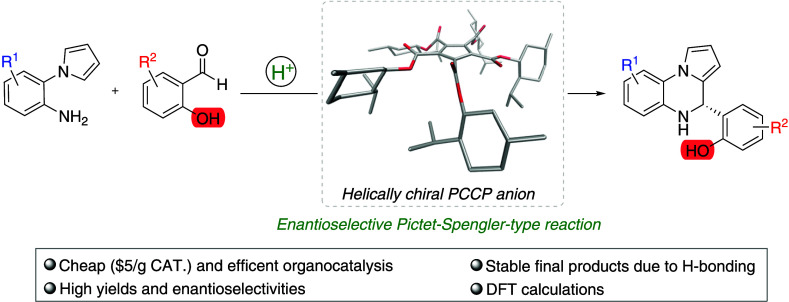 Figure 9
Peer Reviews
No public reviews on file for this paper yet. If you reviewed it on a platform where reviews are public (OpenReview, ICLR, NeurIPS, ICML), you can paste yours below so the community can read it here.
Videos
No videos yet. Explain this paper in a talk, walkthrough, or lecture? Add one.
Taxonomy
TopicsSynthesis and Biological Evaluation · Axial and Atropisomeric Chirality Synthesis · Cancer therapeutics and mechanisms