Comparative Evaluation of Thiol- and Amine-Conjugating Moieties for Endogenous Albumin Binding after Intravenous Administration
Anja Federa, Hemma Schueffl, Iris K. Minichmayr, Alexander Kastner, Julia Kronberger, Thomas L. Mindt, Petra Heffeter, Christian R. Kowol

TL;DR
This study compares new chemical groups for binding to albumin in the body, finding that one (PODS) works better than the commonly used maleimide for drug delivery.
Contribution
The study introduces and evaluates phenyloxadiazolyl methyl sulfone (PODS) as a more stable alternative to maleimide for endogenous albumin binding in drug delivery.
Findings
PODS and DFSA complexes showed higher hydrolytic stability at pH 7.4 compared to maleimide complexes.
PODS-Ox-OAc induced significant tumor regression and prolonged survival in CT26 colon cancer-bearing mice.
PODS complexes exhibited high platinum levels in serum and tumor tissue, outperforming other binders.
Abstract
Maleimides are widely used in anticancer drug development for linking small-molecule drugs to macromolecules like antibodies or proteins via thiol-Michael addition reactions. Despite their widespread use, even in clinically approved therapeutics, they present significant drawbacks such as hydrolysis at physiological pH and instability of the formed thiosuccinimide bond. Hence, there is a growing need for more stable yet equally efficient binding units. This is particularly important for drug-delivery systems that bind to endogenous albumin in vivo, exploiting the ability of the protein to accumulate in tumor tissue. This study compares phenyloxadiazolyl methyl sulfone (PODS) and a 2,4-difluorophenyl sulfonamide (DFSA) derivative with maleimide as endogenous albumin binders. Of note, PODS and maleimide bind to Cys34, whereas DFSA targets Lys64 of albumin. The albumin binders were…
Genes, proteins, chemicals, diseases, species, mutations and cell lines named across the full text — each resolved to its canonical identifier and authoritative record.
Click any figure to enlarge with its caption.
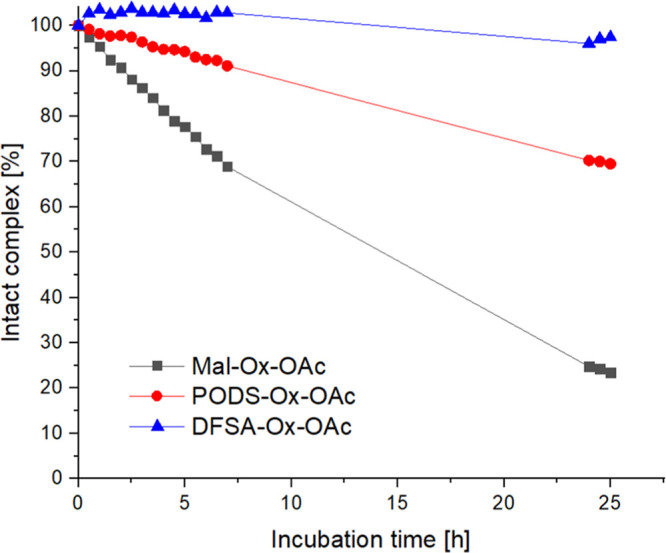 Figure 1
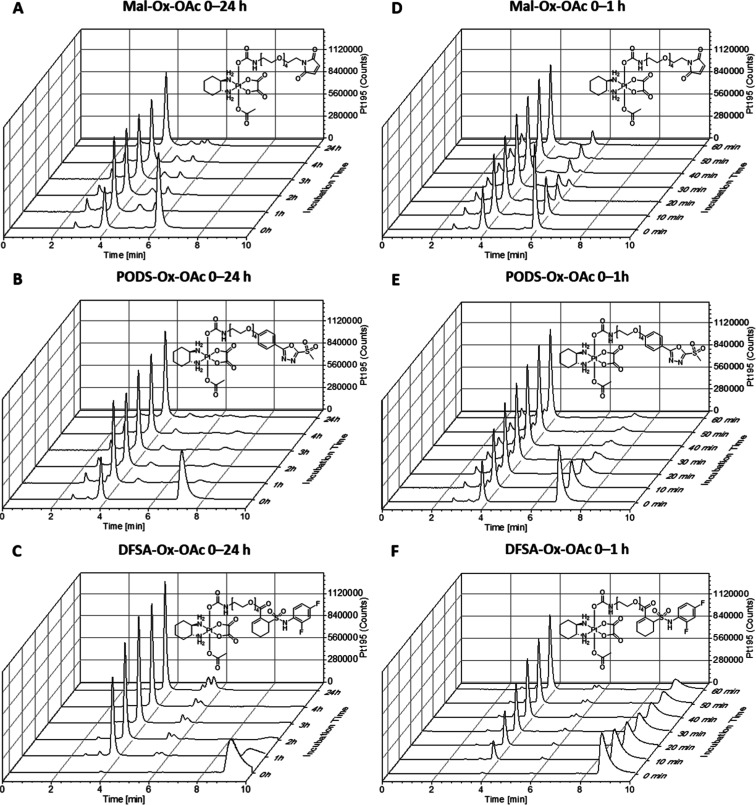 Figure 2
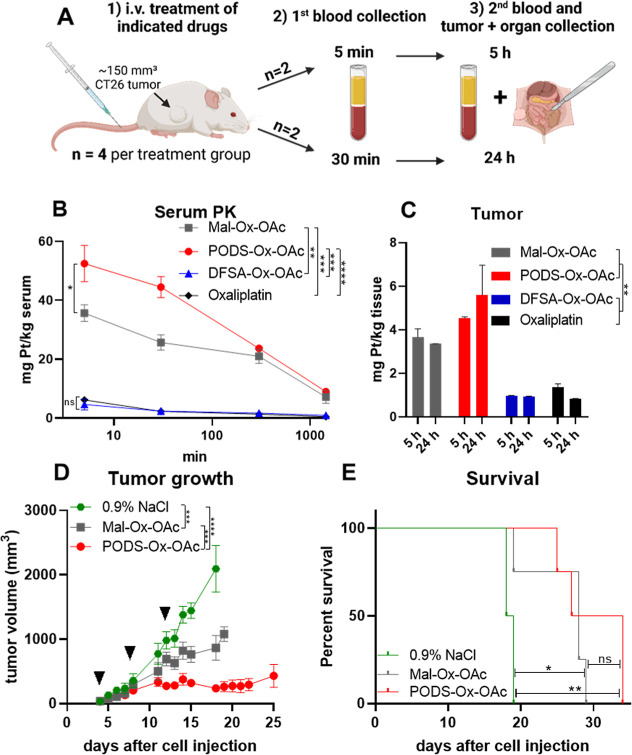 Figure 3
 Figure 4
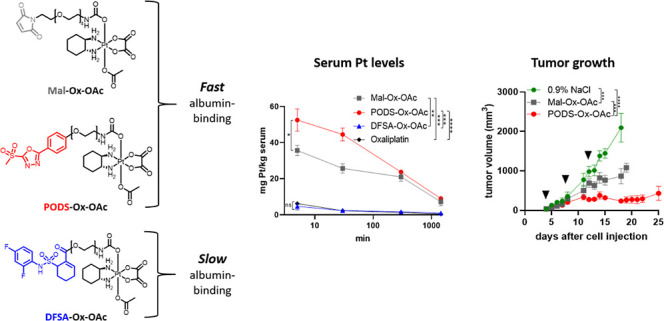 Figure 5
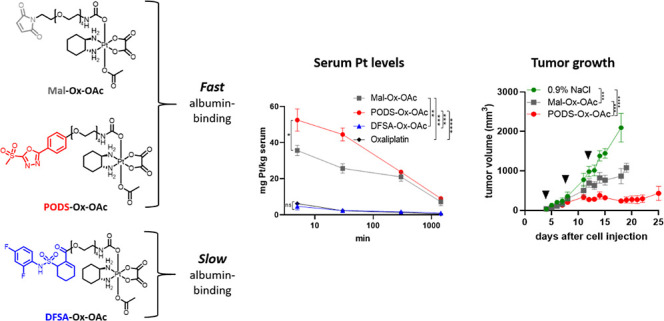 Figure 6
Peer Reviews
No public reviews on file for this paper yet. If you reviewed it on a platform where reviews are public (OpenReview, ICLR, NeurIPS, ICML), you can paste yours below so the community can read it here.
Videos
No videos yet. Explain this paper in a talk, walkthrough, or lecture? Add one.
Taxonomy
TopicsNanoparticle-Based Drug Delivery · Monoclonal and Polyclonal Antibodies Research · Protein Interaction Studies and Fluorescence Analysis